



Antique Horse Racing Print
An antique horse racing print captures the thunder of the turf and the drama of the track, offering a tangible slice of sporting history for your walls.
Antique Horse Racing Print
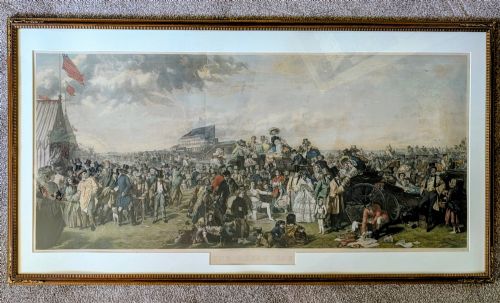
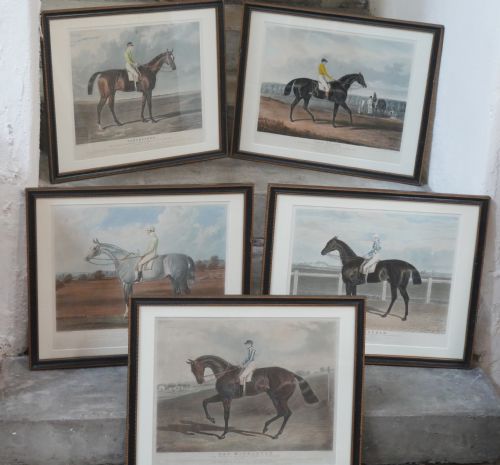
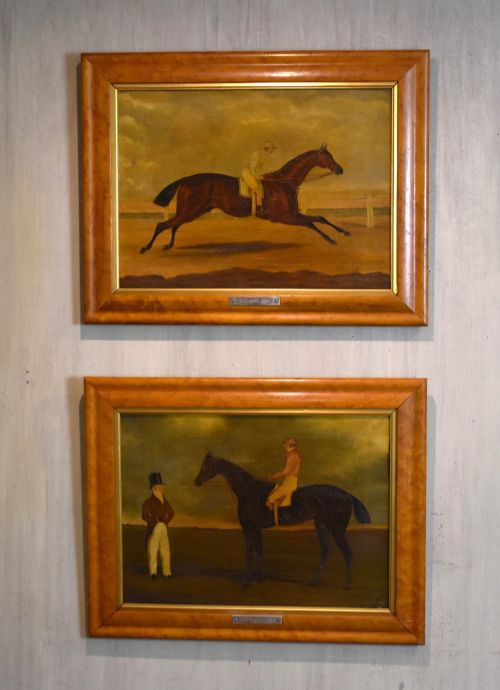
When you search for an antique horse racing print, you encounter a specialised form of sporting art that records notable horses, jockeys, and memorable race meetings on paper. These pieces span the Victorian and Edwardian eras, reaching from mid-nineteenth century engravings up to works produced in the nineteen-thirties.
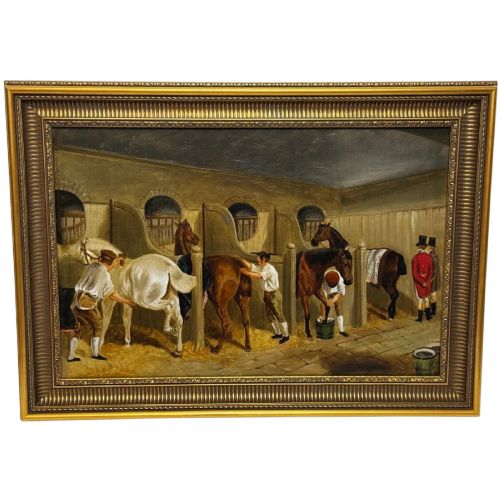
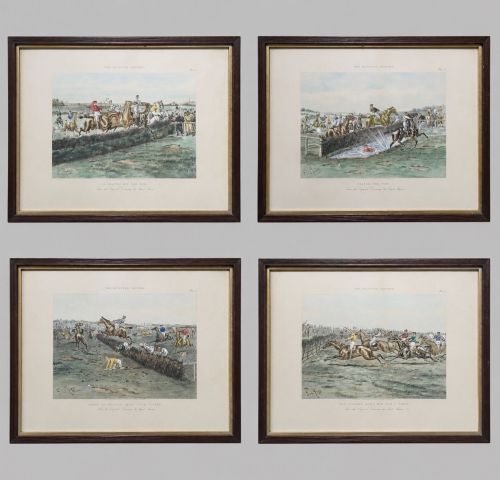
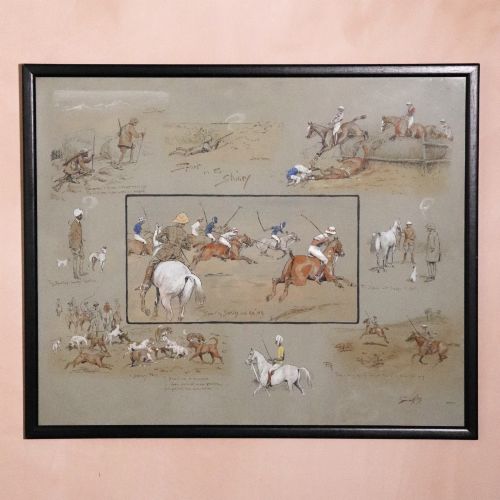
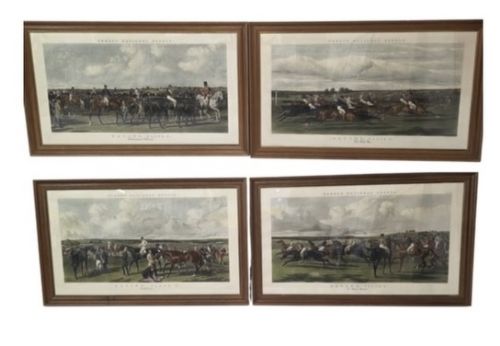
The selections available here range from single framed sheets to substantial sets of aquatints and chromolithographs. You will find works after celebrated sporting artists alongside original prints, often preserved behind glass in wood or gilt frames.
How they were made
The works rely upon traditional graphic methods, utilising ink on paper through processes such as engraving, aquatint, and chromolithography to achieve rich colour and fine detail. Many examples incorporate hand-painted elements applied over printed outlines to enhance the subject.
Framing materials typically consist of wood, gilt, and gilded wood, often paired with protective glass to preserve the paper from atmospheric damage over the decades.
Antique Horse Racing Print Retail Price Guide 2026
Typical asking prices for horse racing print among the pieces listed under this phrase on Sellingantiques today, from the lower quarter to the upper quarter. They describe what is for sale here now, not the wider market.
One unexpected item on this page is an upholstered armchair decorated in a horse racing theme.
What varies in quality
Quality rests upon the strength of the impression and the fidelity of the line work, where sharper details separate finer plates from softer, worn impressions. The skill of the original artist and the precision of the colouring also dictate the visual impact of the piece.
The condition of the paper surface and the integrity of the period frame contribute heavily to the standing of any given work, with intact gilding and minimal staining marking out the superior specimens.
William Powell Frith·George Finch Mason·John Frederick Herring Snr·John Atkinson·Isaac Cullin·Thomas Worth·Samuel Howitt·George Rees
The Antique Horse Racing Print Glossary
- Chromolithography
- A planographic colour printing technique used to produce multi-coloured prints. This method builds up rich hues through the successive application of different lithographic stones.
- Aquatint
- An intaglio printmaking technique that produces tonal effects resembling watercolour washes. It allows artists to achieve subtle gradations of shadow and light across the image.
- Engraving
- A process where an artist cuts lines directly into a metal plate with a burin. The resulting incised grooves hold the ink that transfers to the paper under pressure.
- Sporting Art
- A genre dedicated to the depiction of field sports, racing, and animals. It forms a distinct category within British art history, documenting equestrian culture.
Antique Horse Racing Print: Frequently Asked Questions
How do I identify the age of a racing print?
Age is typically judged by the paper type, printing technique, and framing style associated with the piece. Victorian and Edwardian examples often display specific typographic styles and publisher details in the margins.
Examining the back of the frame can also reveal period labels or stamps that help narrow down the decade of production.
Were these prints meant for framing originally?
Many nineteenth-century sporting prints were issued individually or as part of portfolio sets specifically intended for domestic display. Others originated as illustrations in periodicals or sporting newspapers before being separately framed.
Sets of four or more were popular for hanging together in libraries, halls, or smoking rooms.
How should I care for framed paper art?
Keep framed paper prints away from direct sunlight to prevent the fading of inks and watercolours. Maintaining a stable room temperature helps protect the paper from foxing and moisture damage.
Ensure the glazing remains intact and avoid hanging pieces in damp environments such as unheated spaces.
What is the difference between an engraving and a chromolithograph?
An engraving relies on incised lines on a metal plate to create a predominantly linear image, which was often hand-tinted afterwards. A chromolithograph uses multiple stone plates to print various colours directly onto the paper.
Chromolithographs generally offer a richer, full-colour pictorial surface without reliance on manual painting.