
Brown Horse Wall Art
Brown horse wall art captures the powerful stance and historic bond of the equine form through centuries of traditional painting and illustration.
Brown Horse Wall Art
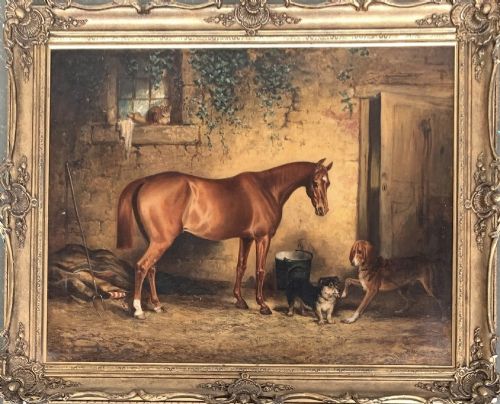
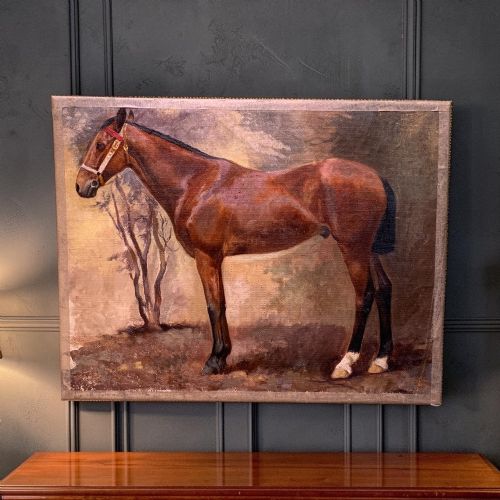
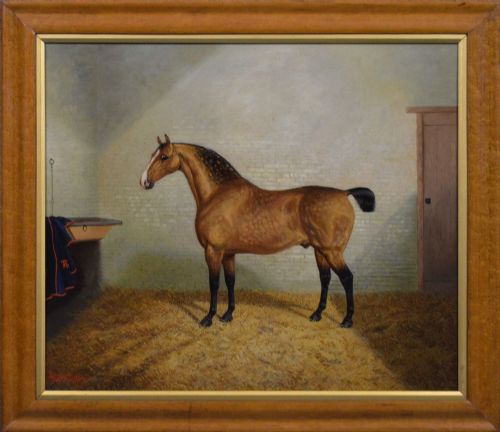
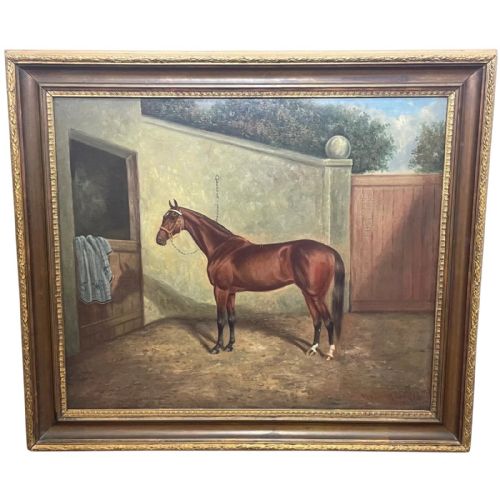
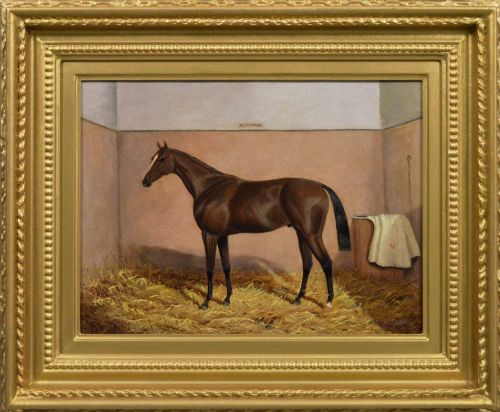
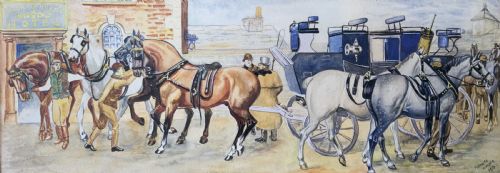
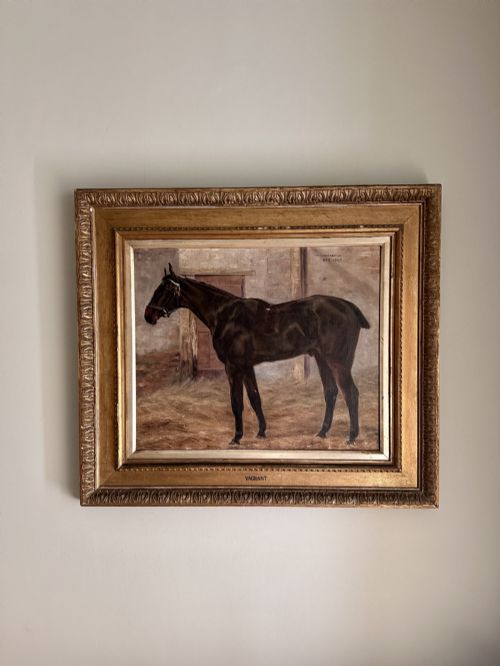
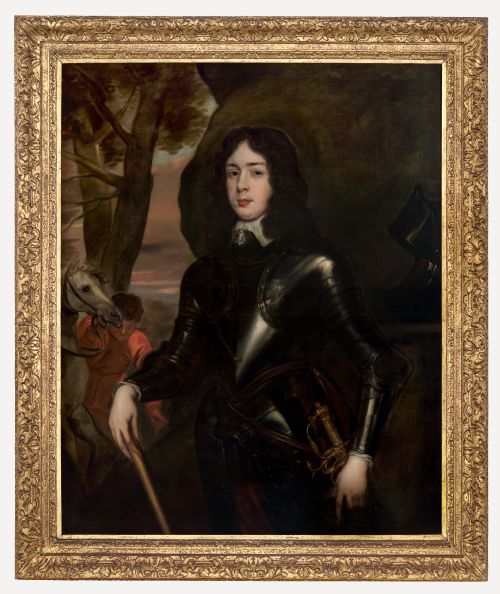
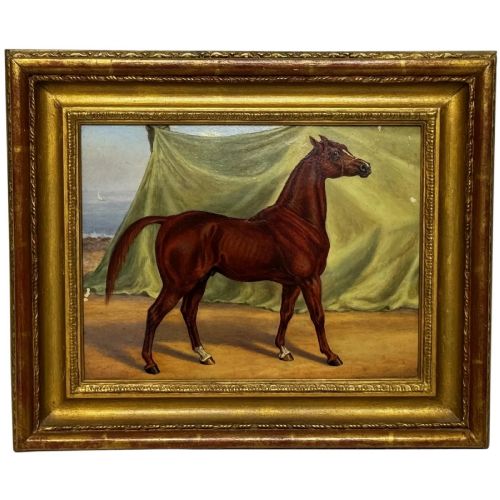
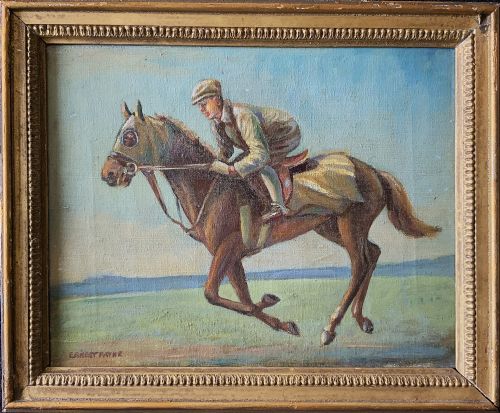
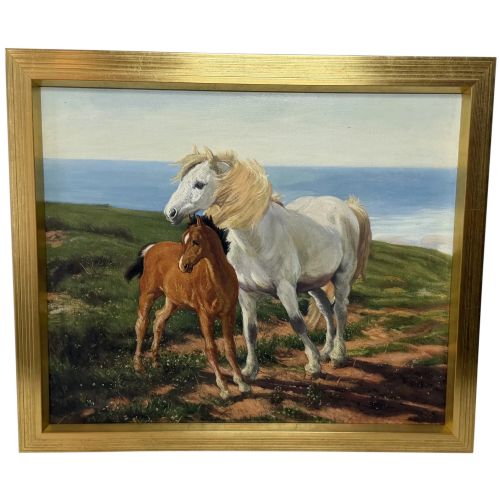
Brown horse wall art encompasses a rich tradition of equine portraiture, sporting studies, and racing scenes. When searching for brown horse wall art, collectors encounter works spanning from the eighteenth century through the mid-twentieth century.
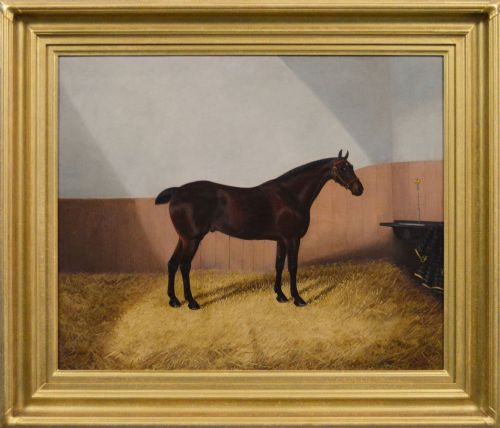
The selection ranges from detailed oil paintings on canvas and panel to delicate watercolours, pastels, and hand-coloured engravings. Victorian and Edwardian portrayals of hunters, racehorses, and stable scenes form a prominent part of the available range.
How they were made
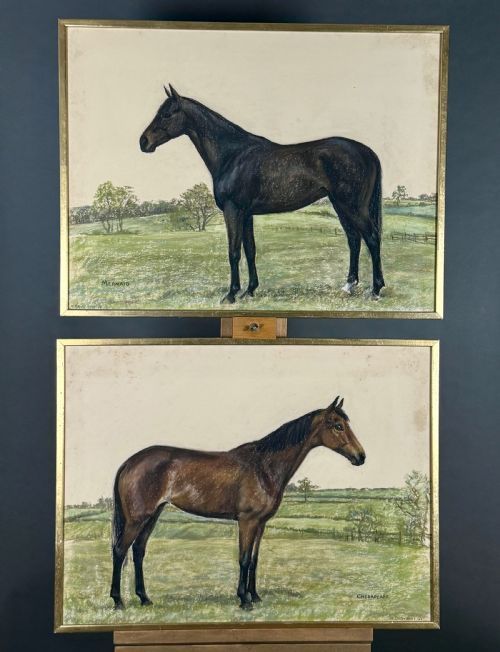
Oil paint applied to canvas remains the dominant medium, often paired with traditional wood framing and giltwood surrounds. Artists also utilised pastel and gouache on prepared paper to capture the muscular definition and coat sheen of the subject.
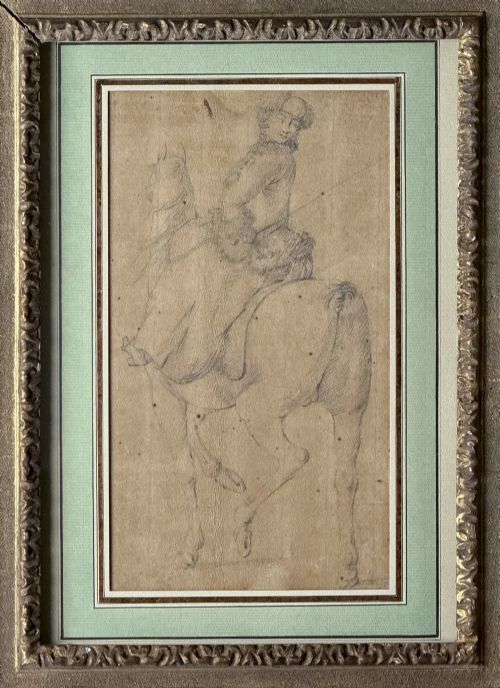
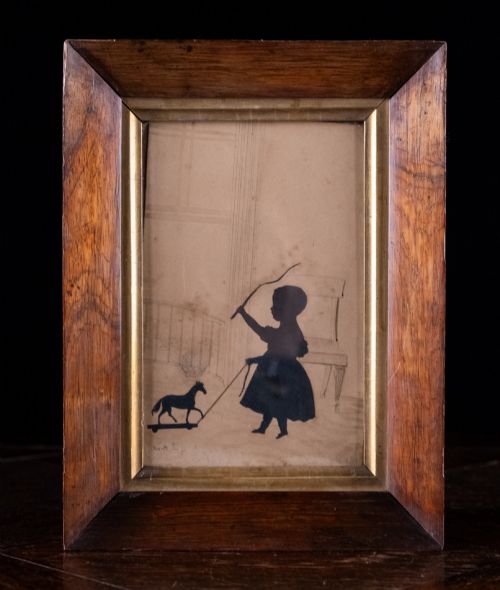
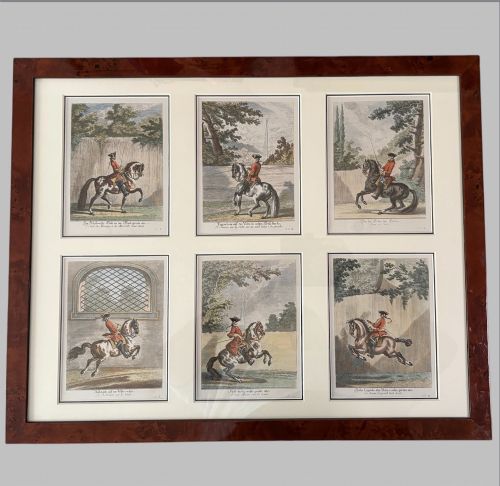
Paper works frequently incorporate glass protection alongside copper plate engravings finished with hand colouring. These varied techniques reflect the specific demands of both formal portraiture and rapid field studies.
Brown Horse Wall Art Retail Price Guide 2026
Typical asking prices for brown horse wall art among the pieces listed under this phrase on Sellingantiques today, from the lower quarter to the upper quarter. They describe what is for sale here now, not the wider market.
Listings feature works spanning the 18th century, Victorian period, and Mid-Century Modern era utilising oil, pastel, and canvas.
What varies in quality
The distinction in these works rests upon the artist's anatomical accuracy and understanding of equine movement. Master painters capture the precise musculature, alert posture, and individual expression of the animal rather than a generic silhouette.
Provenance and documentation heavily influence the standing of a piece, particularly when historical records link the subject to notable race winners or established estates. The harmony between the original frame, such as carved giltwood or walnut, and the artwork itself also dictates overall merit.
Henry Barraud·Albert Clark·Augustin Edouart·Fred Fitzpatrick·John Frederick Herring Snr·John Rattenbury Skeaping·John Alfred Wheeler
The Brown Horse Wall Art Glossary
- Equine portrait
- A painting or drawing dedicated specifically to recording the likeness, pedigree, and conformation of an individual horse. These works were frequently commissioned by owners to celebrate celebrated racers and hunters.
- Giltwood
- Timber that has been coated with a thin layer of gold leaf or gold paint. This material is commonly found framing nineteenth-century oil paintings.
- Pastel
- A dry medium composed of powdered pigment and a binder, pressed into stick form. Artists utilise pastel on tinted or coloured paper to achieve soft textures and vibrant coat tones.
- Copper engraving
- A printmaking technique where an artist incises a design directly into a copper plate with a sharp tool. Impressions are then pulled on paper and occasionally enhanced by hand-applied watercolour washes.
Brown Horse Wall Art: Frequently Asked Questions
How do I date an antique horse painting?
Dating relies upon examining the canvas preparation, stretcher construction, and stylistic clues within the landscape or human attire. Frame construction and handwritten inscriptions on the reverse also offer reliable chronological markers.
Comparison with documented works by known nineteenth or twentieth-century painters helps narrow the period of creation further.
What is the difference between a sporting study and a portrait?
A portrait focuses squarely on the individual conformation and identity of a named horse, often standing in a stable or paddock. Sporting studies capture horses in active motion during racing, hunting, or working duties.
Both genres were immensely popular across the Victorian and Edwardian eras among equestrian enthusiasts.
How should I care for oil paintings on canvas?
Keep paintings away from direct sunlight and steady humidity levels to prevent cracking in the oil layer. Dust the canvas gently with a soft, dry brush without applying pressure.
Avoid using liquid cleaners or attempting amateur restoration on aged varnish layers.
Are watercolours and pastels more delicate than oils?
Works on paper executed in watercolour, pastel, or gouache require permanent framing behind glass to shield them from atmospheric moisture and dust. They are more sensitive to light exposure than oil paintings on canvas.
Positioning these pieces away from direct daylight preserves the pigment strength over time.