



Traditional English Fine Art
Traditional English fine art centres on oil paintings and watercolours depicting pastoral scenes, coastal views and formal portraits.
Traditional English Fine Art
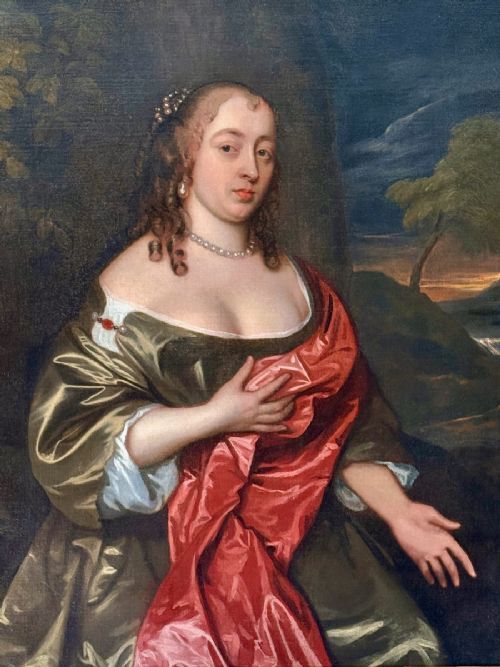
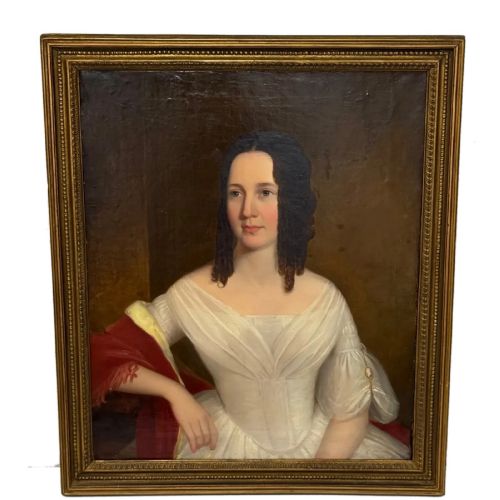
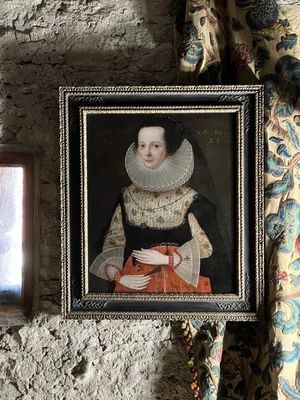
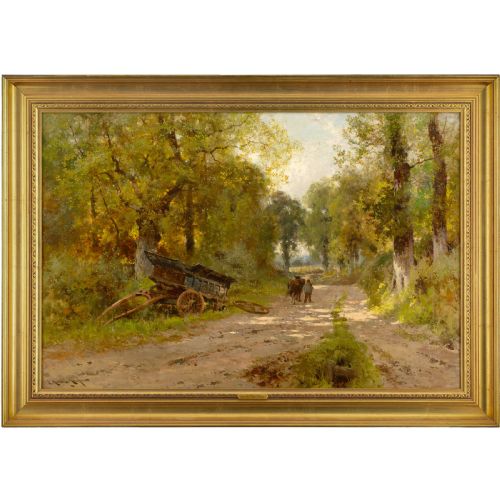
Traditional English fine art brings together centuries of canvas and board paintings spanning portraits, landscapes and rural scenes. Buyers seeking this phrase encounter works ranging from 17th-century noble portraits to early 20th-century countryside views.
The prevalent forms on this page include oil paintings on canvas and watercolour paintings on paper. Landscapes depicting rivers, harvest fields and coastal harbours appear frequently alongside characterful portraiture.
Originating across English counties and artistic schools, these pieces capture local topography and social history. The selection extends from Georgian and Victorian realism to early British impressionism.
Materials and construction methods
Artists painted primarily with oil paint or watercolour upon stretched canvas, wooden panel or paper supports. Canvases often utilised gold leaf and elaborate giltwood or gilt wood frames to complement the imagery.
Makers built sturdy stretchers and wooden frames using traditional joinery, occasionally laying older canvases onto modern boards for structural preservation. Pigments were applied by hand to build depth in landscape foliage and textile costumes.
Traditional English Fine Art Retail Price Guide 2026
Typical asking prices for traditional english fine art among the pieces listed under this phrase on Sellingantiques today, from the lower quarter to the upper quarter. They describe what is for sale here now, not the wider market.
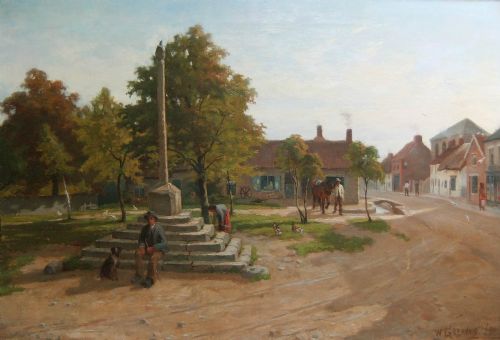
Several countryside canvases quietly hide small details like domestic dogs and wicker baskets tucked into the corner of the view.
Distinctions in quality and execution
Quality rests upon the artist's command of light, proportion and atmospheric perspective within the composition. Masterful handling of brushwork distinguishes expressive rural landscapes from formulaic studio reproductions.
John Hayls·George Graham·Edward Ladell·William Greaves·George Vicat Cole·Thomas Baker·Frank Moss Bennett
The Traditional English Fine Art Glossary
- Canvas
- A heavy woven fabric stretched across a wooden frame to serve as a support for oil painting. It provides a durable surface that accepts multiple layers of pigment.
- Oil Paint
- A slow-drying medium made by mixing pigments with drying oils such as linseed. It allows artists to blend tones smoothly and build rich textures.
- Watercolour
- A painting method where water-soluble pigments are suspended in a water-based solution. Works are typically executed on heavy paper supports.
- Provenance
- The documented history of ownership surrounding a work of art. Clear records help establish authenticity and past exhibitions.
Traditional English Fine Art: Frequently Asked Questions
How do I care for antique oil paintings?
Keep canvases away from direct sunlight and fluctuating humidity to prevent cracking in the oil paint. Dust the surface gently with a soft, dry brush without applying pressure.
Avoid using liquid cleaners or chemical solvents on the paint layer or the giltwood frame. Professional conservators should handle any deep cleaning or canvas repairs.
What subjects are common in these paintings?
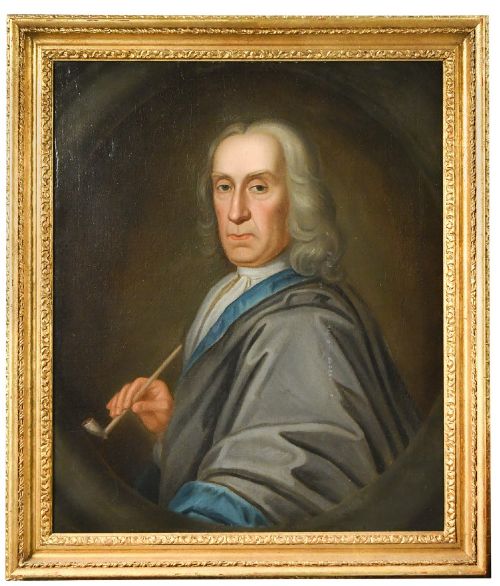
Artists frequently painted expansive English landscapes, rural farmsteads, and river views featuring boats or livestock. Formal portraits of gentlemen, noblewomen and figures from local history also appear regularly.
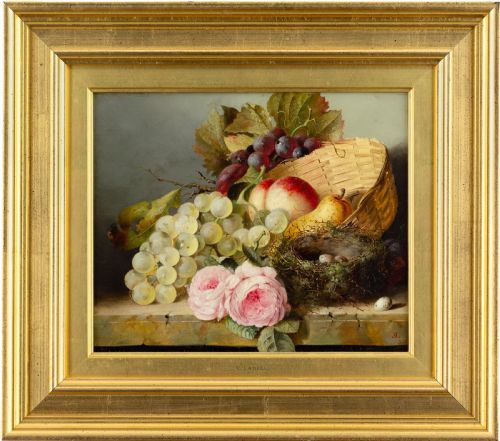
Coastal scenes, architectural studies of castles and still life arrangements of fruit provide further variety across the selection.
How can I tell the age of a painting?
Examine the materials of the canvas, stretcher frames and backing boards for signs of age and traditional manufacturing methods. Handwritten inscriptions on the reverse often record the title, date and artist.
Stylistic elements in costume, architecture and brush technique also point toward specific periods such as the Georgian era or Victorian times.