

Victorian Landscape Canvas
When you select a victorian landscape canvas, you acquire a framed window onto pastoral vistas and maritime scenes preserved in oil and pigment.
Victorian Landscape Canvas
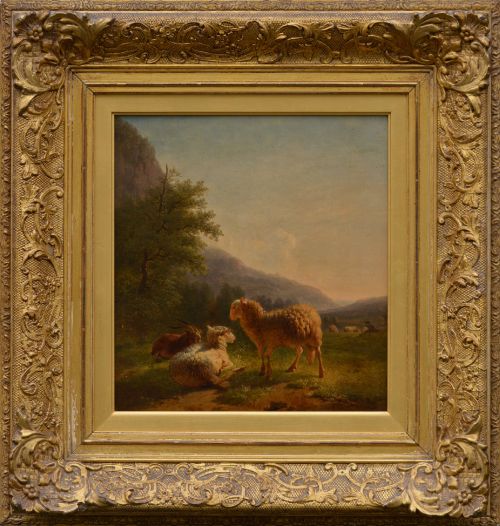
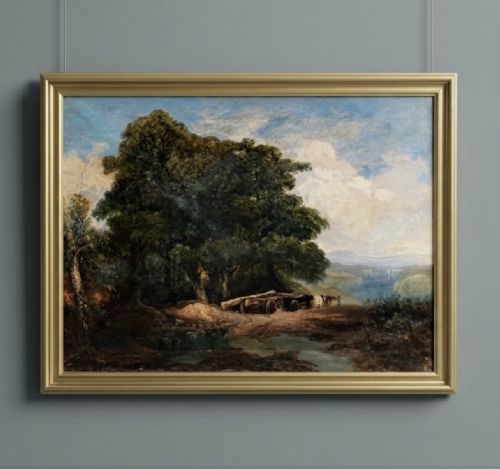
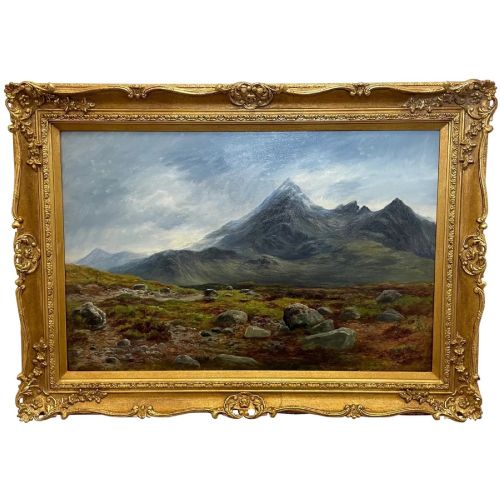
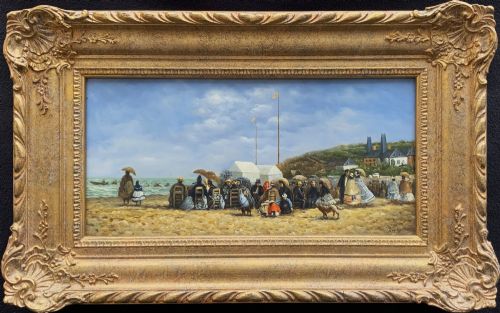
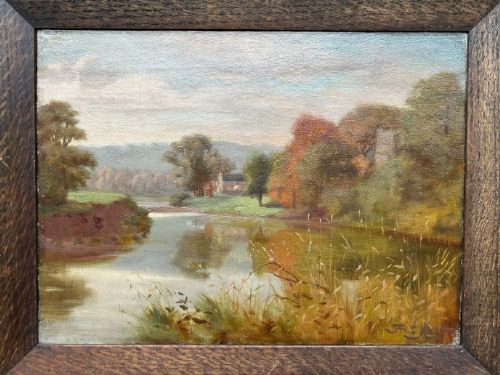
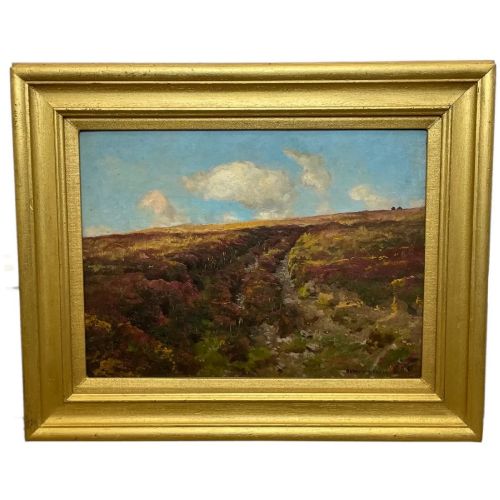
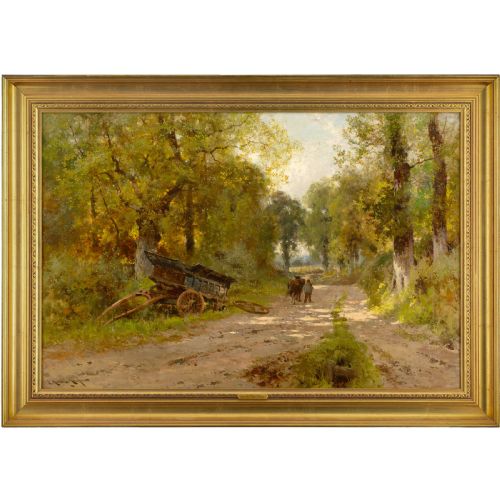
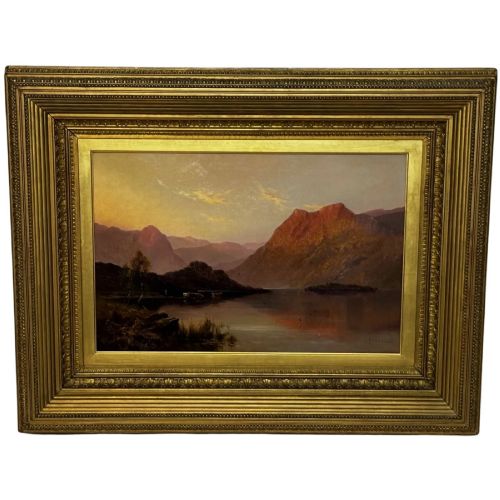
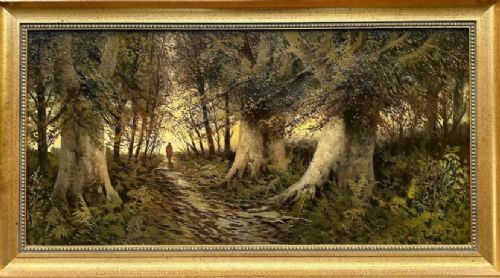
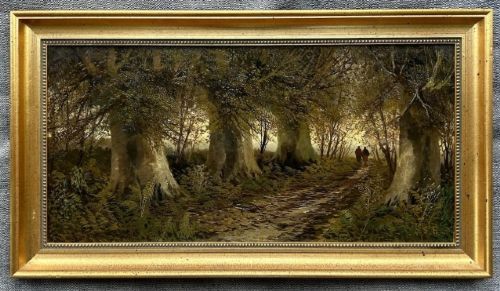
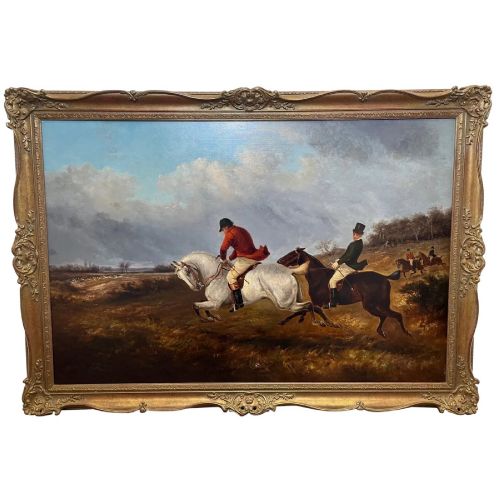
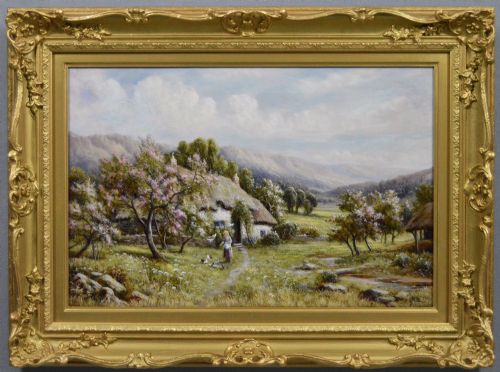
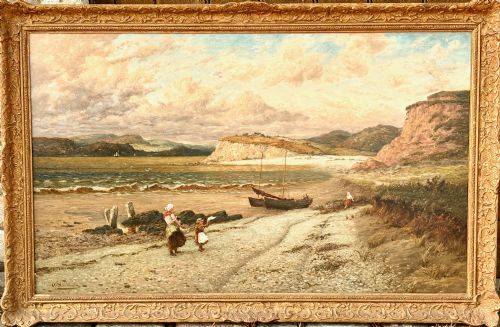
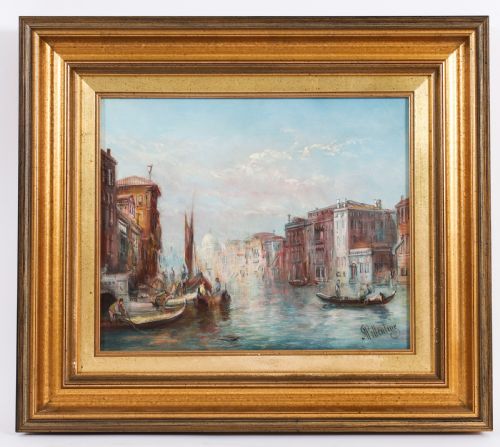
A victorian landscape canvas brings together oil paintings, fine art, and drawings created across the nineteenth century and into the early twentieth century. These works depict British and European scenes ranging from Scottish highlands and agricultural harvest fields to Venetian canals and seaside gatherings.
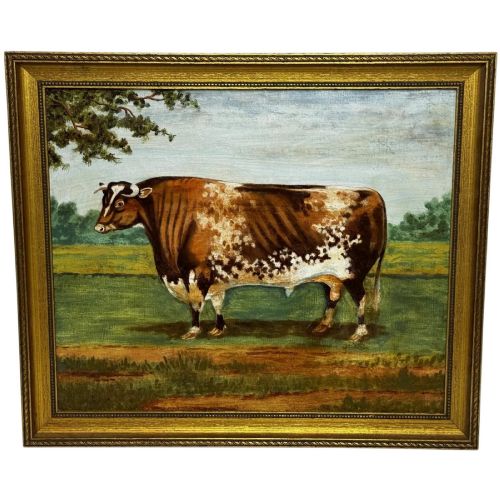
The pieces on this page most often take the form of framed oil paintings on canvas depicting pastoral tranquility, livestock, or coastal views. Makers and British schools from the period capture rural life, animals, and specific localities with distinct realism and romanticism.
Evaluating the artwork
Quality in a victorian landscape canvas rests upon the skill of the brushwork, the handling of light and atmospheric perspective, and the preservation of the original paint surface. Finer examples display confident draughtsmanship and careful anatomical rendering of figures, animals, or architecture.
The integrity of the canvas and the survival of the original gilt frame significantly influence the standing of a piece. Works retaining their period frames without excessive restoration or pigment flaking represent the upper tier of the available range.
Listings feature works spanning the nineteenth century into the early twentieth century, utilising oil paint, charcoal, and gilt wood frames.
Eugène Verboeckhoven·Richard Sebastian Bond·William Beattie Brown·Frederick Marriott·Arthur Wardle·John Horace Hooper·Alfred Fontville de Breanski·Thomas W Lascelles·David Bates·Thomas Smythe·Walter Heath Williams·Francis Moltino·Bernard Benedict Hemy·Thomas Creswick·Thomas Sidney Cooper·Richard Redgrave·John Sargent Noble·Henry H Parker·Robert Watson·Charles Hunt·John Wilson Carmichael·Sir Edwin Henry Landseer·Albert Rieger·Abraham Cooper·Christopher Mark Maskell
The Victorian Landscape Canvas Glossary
- Gesso
- A plaster-like mixture applied to wooden frames before gilding to create smooth surfaces for ornamentation. It accepts moulding and carving details cleanly.
- Oil Paint
- Pigment mixed with drying oils such as linseed, utilised extensively for its rich colour depth and blending capacity. It allows slow drying times for detailed adjustments.
- Stretcher
- The wooden frame framework that holds the canvas under tension. Proper construction prevents sagging and preserves the paint layer.
- Giltwood
- Wood carved and covered with thin gold leaf or metallic powder. It provides a luminous border that isolates the painting from its surroundings.
- Realism
- An artistic movement focusing on everyday subjects and accurate depictions without idealisation. It underpins many pastoral and townscape scenes from the era.
Victorian Landscape Canvas: Frequently Asked Questions
What subjects appear on these canvases?
The artworks depict a wide array of British and European subjects, including highland stags, coastal marine views, harvest fields, and livestock such as shorthorn bulls and sheep. Townscapes and Venetian canals also feature prominently among the rural scenes.
Artists captured these views through the lenses of romanticism and realism, documenting both idealised countryside moments and specific geographical locations across Britain and Europe.
How do I hang and display an oil painting?
These works require secure wall fixings suited to the combined weight of the canvas, wooden stretcher, and heavy gilt frame. Position them away from direct sunlight and steady heat sources to protect the oil pigments and gesso.
Maintaining stable room humidity prevents the canvas from slackening and safeguards the wooden frame from warping or cracking over time.
How can I tell the period of a painting?
Dating relies upon stylistic markers, artist signatures, framing techniques, and the preparation of the canvas itself. Nineteenth-century works often bear specific stylistic traits associated with Victorian pastoral and realist movements.
Examine the stretcher construction, canvas texture, and any inscriptions or labels on the reverse to gather additional historical context regarding the creation date.
Are original frames important?
Original gilt wood and gesso frames contribute significantly to the historical integrity and visual harmony of nineteenth-century artworks. They were designed specifically to complement the palette and scale of the painting within.
Whilst paintings can be reframed, finding a piece retained in its period frame preserves the complete aesthetic intent of the nineteenth-century maker.