


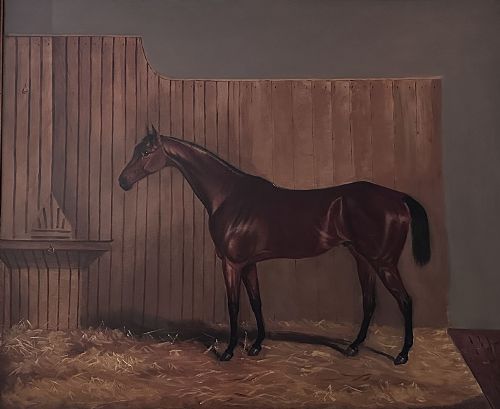

19th Century Horse Portrait
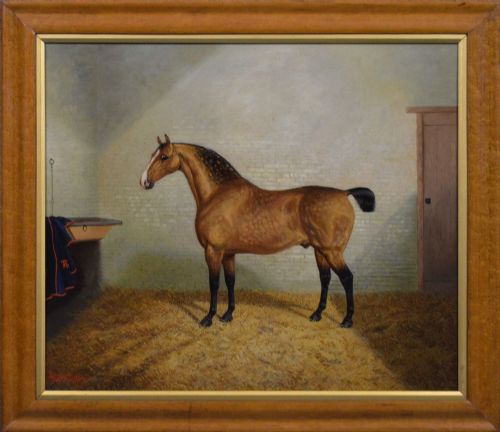
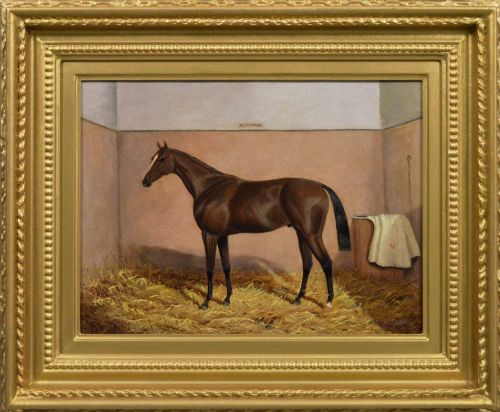
A 19th century horse portrait captures the character and stature of cherished animals through traditional oil painting.
Understanding the 19th Century Horse Portrait
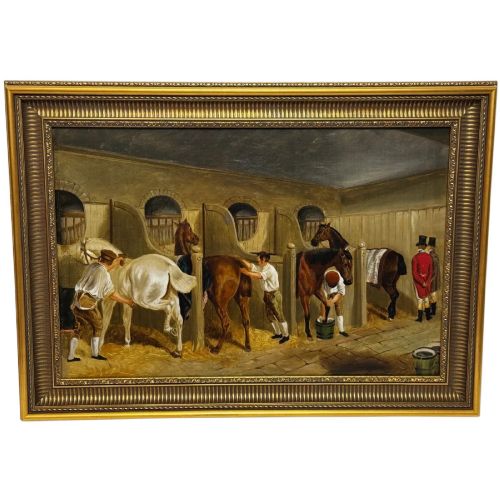
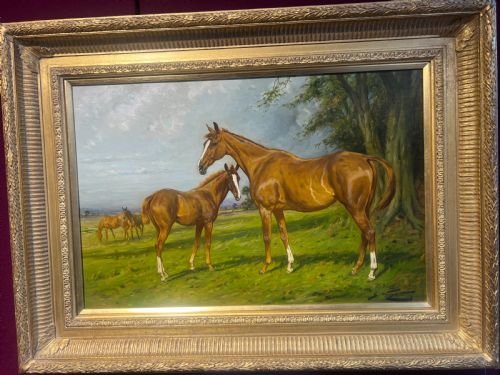
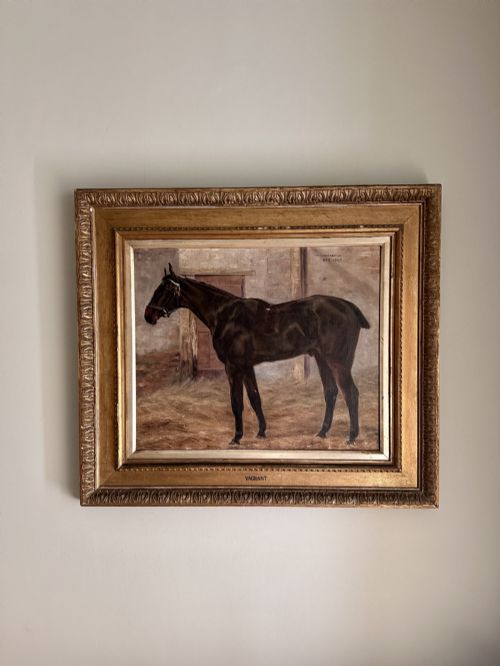
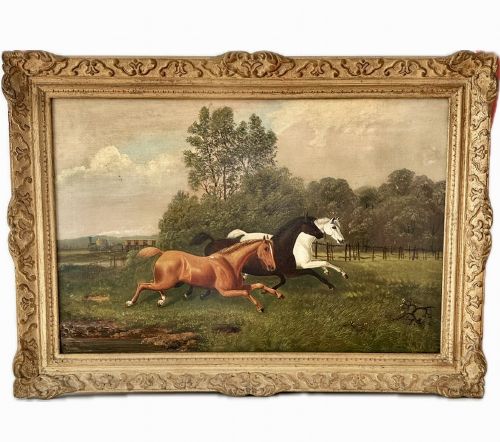
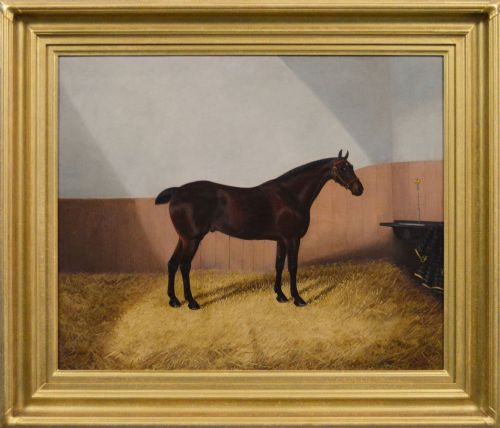
A 19th century horse portrait brings equine history into a room, depicting animals with individual character and presence. You encounter representations ranging from noble hunters in expansive landscapes to intimate head studies set within decorative frames.
The pieces on this page span the Victorian era, the wider nineteenth century, and the turn of the twentieth century. English school works sit alongside pieces from German, Scottish, and Indian colonial origins, reflecting diverse regional painting traditions.
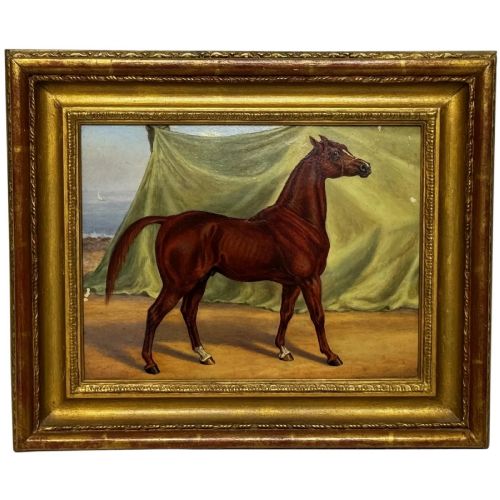
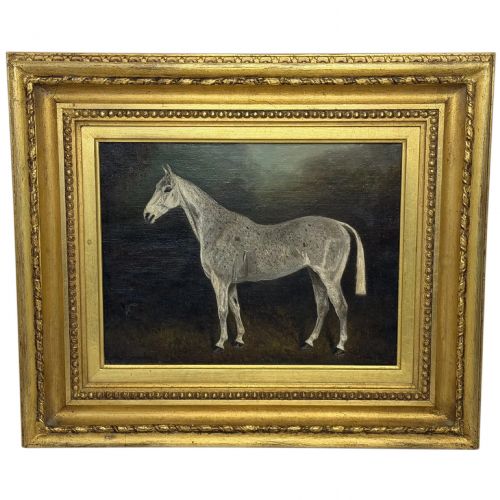
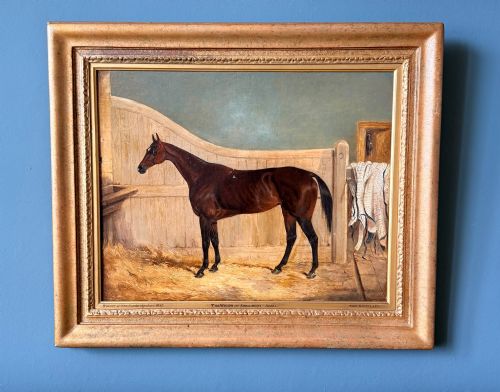
Many works focus on named subjects or specific breeds like the bay hunter, the chestnut horse, and the purebred Arabian. These paintings serve as both records of prized animals and expressions of nineteenth-century sporting art.
Materials and Techniques
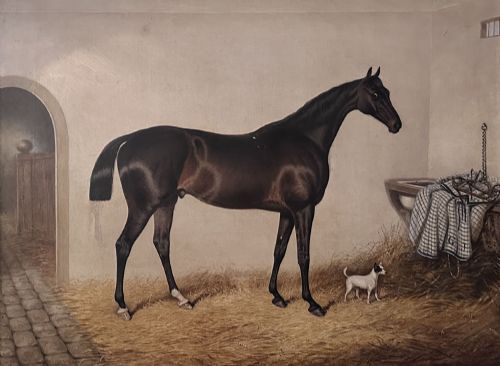
These works rely on oil paint applied to canvas or wood board, building depth and texture across the animal's coat and surrounding scenery. Artists used rich pigments to render the sheen of a bay or chestnut hide and the natural light of stables and landscapes.
Frames play a significant part in the physical composition, with original giltwood and wood frames enhancing the presence of the paintings. Gilt finishes and decorative mouldings complete the presentation of these nineteenth-century canvases.
Retail Price Guide 2026
Typical UK retail prices for 19th century horse portrait, calculated from the Sellingantiques database of over a million retail prices indexed since 2003. This retail price guide relies exclusively on Sellingantiques data; no external sources or auction records are used, so the figures do not describe the wider market.
One recorded portrait preserves the likeness of a bay racehorse named Laughing Stock.
Assessing Quality and Execution
Quality rests upon the artist's command of anatomy and proportion, distinguishing lifelike studies from rigid renderings. The most accomplished paintings capture the exact musculature, alert expression, and unique stance of the subject.
The integration of the horse within its setting determines the visual balance of the piece. Superior examples place the animal harmoniously inside a detailed landscape, a stable interior, or an arcadian backdrop.
Albert Clark·Benedict Angell Hyland·David Dalby of York·Henry Frederick Lucas Lucas
The 19th Century Horse Portrait Glossary
- Bay
- A coat colour of horses characterised by a reddish-brown body with a black mane, tail, and lower legs. This colouring appears frequently in nineteenth-century sporting art.
- Chestnut
- A coat colour defined by brownish-red hair without black points, often highlighted by artists aiming for warm tonal palettes.
- Giltwood
- Wood carved and covered with a thin layer of gold leaf or gold paint. Frames of this material are standard for period oil paintings.
- Sporting Art
- A genre of painting dedicated to horses, hounds, hunting, and rural pursuits. These works record the central role of animals in nineteenth-century life.
- Oil on Canvas
- A technique involving pigment suspended in drying oils applied to stretched fabric. It remains the primary medium for surviving nineteenth-century portraits.
Frequently Asked Questions
Where were these portraits displayed?
Nineteenth-century horse portraits hung in country houses, estate offices, and stable blocks to honour prized animals, hunters, and racehorses.
Today, they suit studies, living rooms, and hallways, bringing traditional equestrian art into contemporary interiors.
What frames belong on these?
Period works typically feature original giltwood or wood frames with decorative mouldings that complement the painting style.
These frames range from simple wooden profiles to ornate gilded designs created specifically to enhance the artwork.
How do I care for the canvas?
Keep oil paintings away from direct sunlight and fluctuating humidity to protect both the canvas and the oil paint layer.
Dust the surface and the giltwood frame gently with a dry, soft cloth without applying cleaning liquids.