
Antique Animal Artwork
Antique animal artwork captures living creatures with character, offering oil paintings, etchings and watercolours that bring historical presence directly into a room.
Antique Animal Artwork
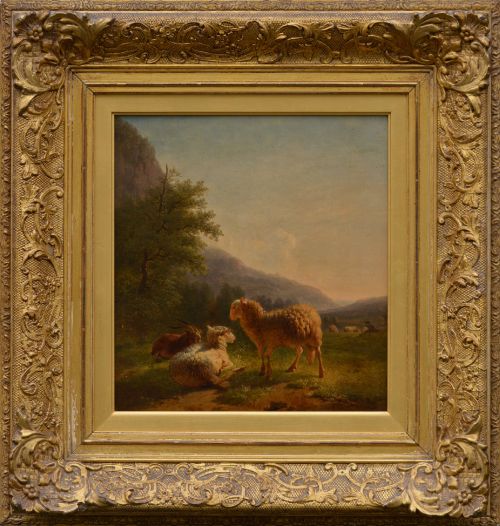
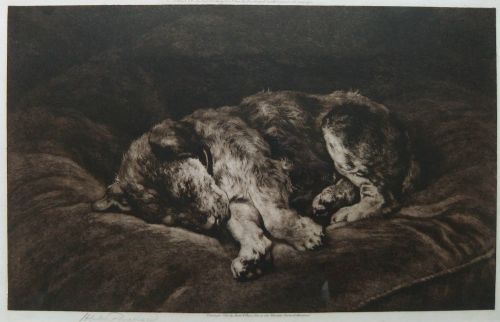
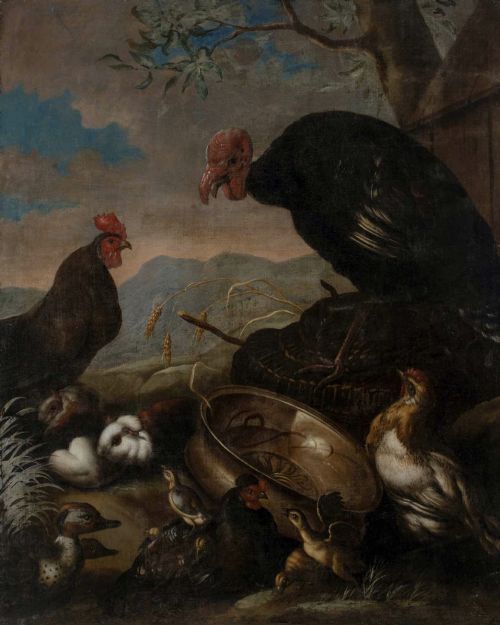
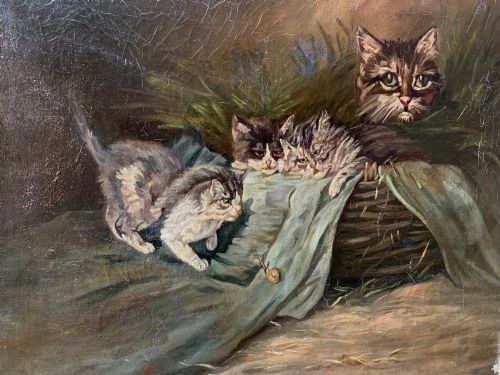
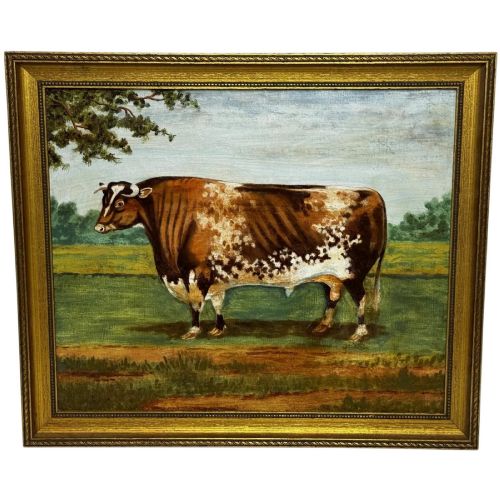
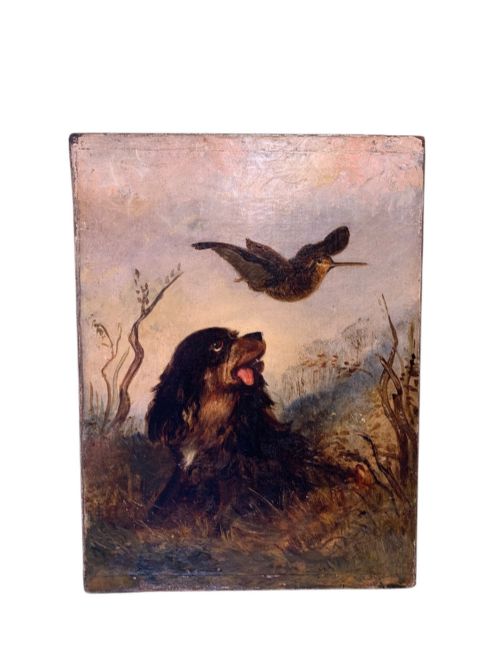
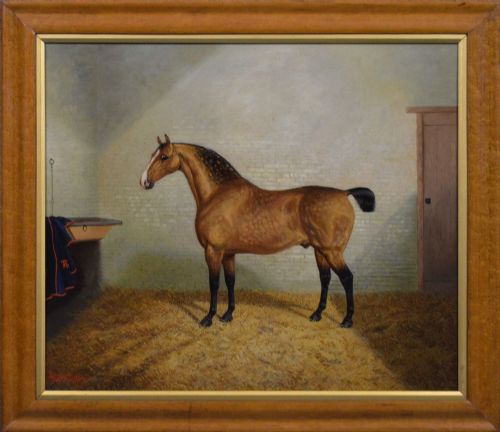
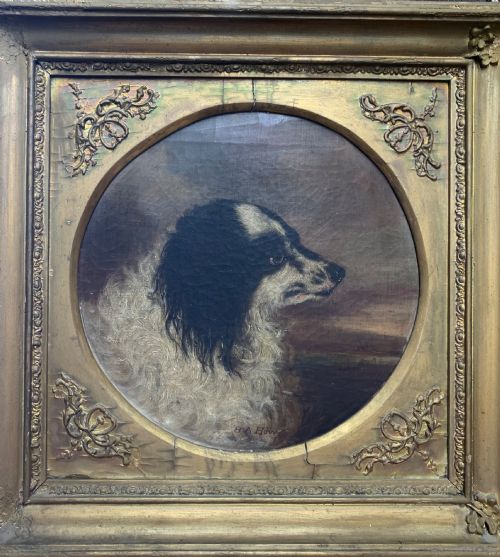
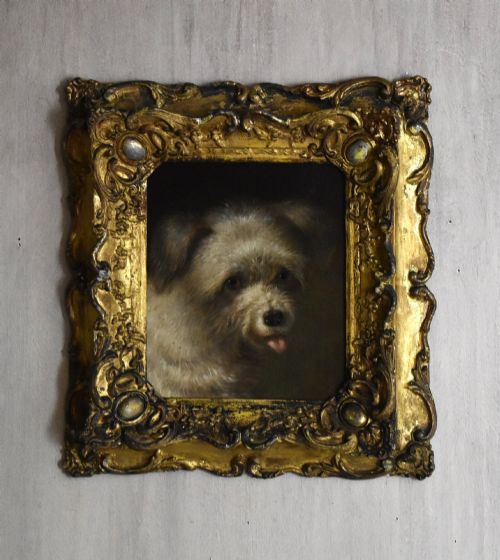
When searching for antique animal artwork, collectors encounter a wide assortment of painted and printed depictions of domestic and wild beasts. The selection ranges from nineteenth-century oil paintings of livestock and sporting dogs to delicate twentieth-century etchings of big cats and household pets. Most pieces on this page stem from the Victorian and Edwardian periods, captured through traditional British and European artistic traditions.
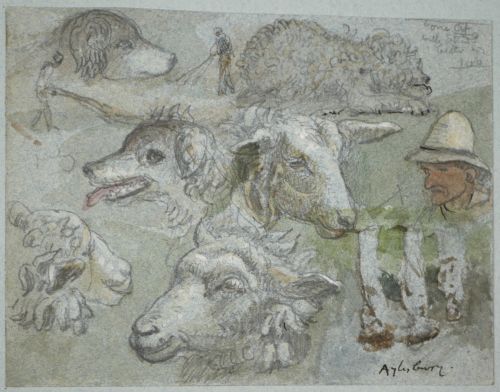
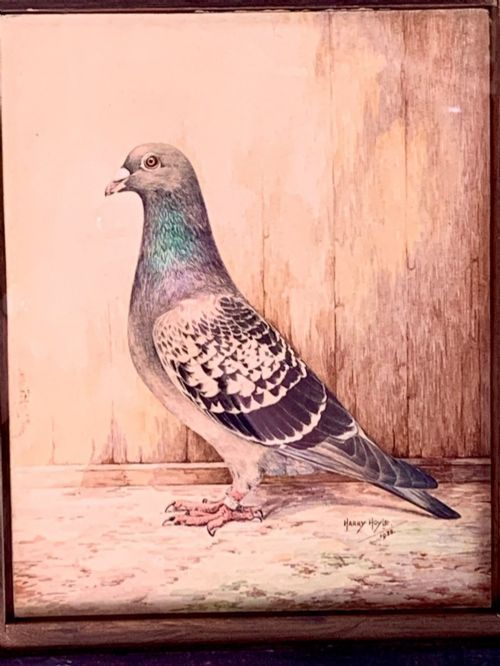
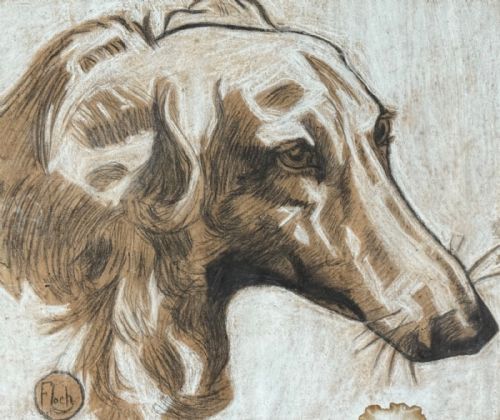
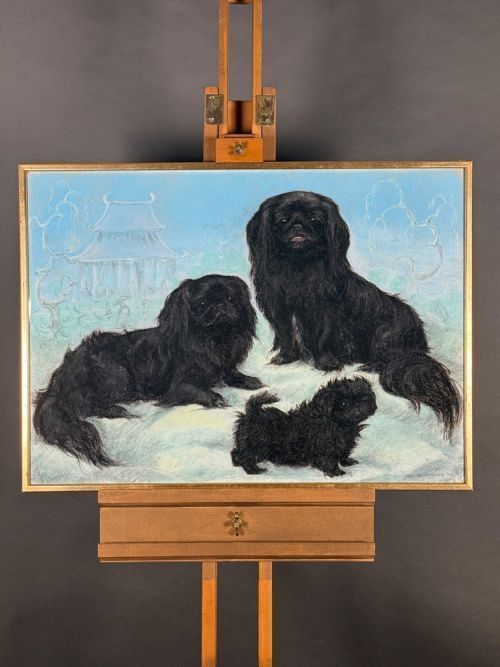
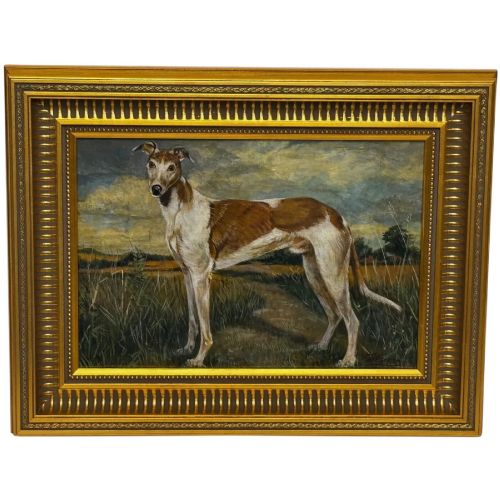
The subjects span working animals, prize bulls, farmyard fowl and beloved companions rendered with distinct personalities. Mediums vary from oil on canvas to paper drawings, watercolours and printed works on vellum. These creations reflect how past generations valued their animals, recording specific breeds like Shorthorn bulls, Lurcher dogs and Pekingese alongside wild creatures in natural landscapes.
Materials and techniques
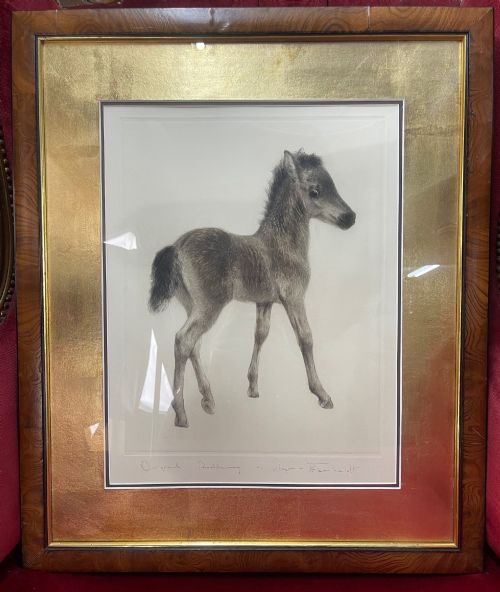
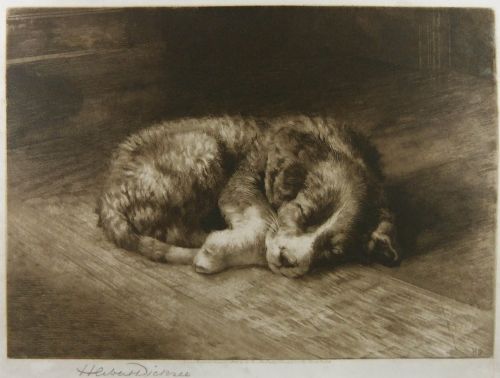
Painters relied primarily on oil paint applied to canvas or wood panels, building up layers to render fur, feathers and light accurately. Draftsmen utilised gouache, pastel and pencil on paper or buff paper to achieve finer textural details in smaller studies. Printmakers produced etchings and drypoints on paper and vellum, creating plates that allowed for limited editions and signed artists proofs.
Framing often involved giltwood or wood surrounds that complemented the visual weight of the paintings and prints. Wool work offered an alternative textile method for depicting animals such as tigers through careful thread manipulation. Chromolithography enabled the mass production of multi-coloured printed plates reproducing original artist compositions for broader distribution.
Antique Animal Artwork Retail Price Guide 2026
Typical asking prices for animal artwork among the pieces listed under this phrase on Sellingantiques today, from the lower quarter to the upper quarter. They describe what is for sale here now, not the wider market.
Etchings on vellum and chromolithographs represent the printed works found in the inventory.
What defines the quality
Quality rests upon the artist's anatomical accuracy and ability to convey the natural disposition of the subject. Master painters handle light, texture and background detail with precision, whereas lesser works show stiffness in limbs and unconvincing fur rendering. Original etchings and signed proofs hold greater artistic merit than later mechanical reproductions due to the direct involvement of the printmaker.
The condition of the canvas, paper or vellum influences the overall integrity of the piece. Fading, foxing or heavy restoration detracts from the clarity of the original composition, while well-preserved surfaces retain the intended depth of colour and tone. Provenance and documentation linking a piece to a known hand or established estate further elevate the standing of the work.
Eugène Verboeckhoven·Herbert Dicksee·Angelo Maria Crivelli·James Smetham·Kurt Meyer-Eberhardt·Albert Clark·Martin Theodore Ward·George Augustus Holmes·John Sargent Noble·Edgar Hunt·Robert Watson·Sir Edwin Henry Landseer·Henry Barraud·Fred Fitzpatrick·William Watson Jnr·Alfred Arthur Brunel de Neuville·Horatio Henry Couldrey
The Antique Animal Artwork Glossary
- Drypoint
- A printmaking technique where the artist scratches an image directly onto a metal plate with a sharp needle, producing rich, velvety lines.
- Etching
- A process where acid bites into unprotected areas of a metal plate to create recessed lines that hold ink for printing.
- Giltwood
- Wood that has been treated with a thin layer of gold leaf or gold paint, commonly used for traditional picture frames.
- Chromolithography
- A planographic colour printing method utilising multiple stone or metal plates to build up a vibrant image.
- Vellum
- A fine parchment material prepared from calfskin, frequently selected for high-quality print runs and artists proofs.
Antique Animal Artwork: Frequently Asked Questions
What is antique animal artwork?
It encompasses historical paintings, drawings and prints depicting domesticated livestock, sporting dogs, wild animals and household pets. These pieces date primarily from the nineteenth and early twentieth centuries.
Creators utilised oil, watercolour, pencil and etching techniques to capture the physical traits and individual character of various creatures. Each work records how past artists observed the natural world and human relationships with animals.
How do I choose a period piece?
Examine the stylistic markers, framing methods and medium types recorded in the specific listing details. Victorian pieces often feature rich oil on canvas portraits of livestock and sporting dogs.
Twentieth-century examples frequently include detailed etchings on vellum or paper drawings of dogs and wild cats. Comparing the listed date and artist signature helps anchor the artwork within its historical era.
How were these artworks displayed historically?
Owners traditionally hung these paintings and framed prints in country houses, studies and drawing rooms to celebrate prized livestock or beloved pets. Sporting art hung alongside hunting gear in country estates.
Smaller drawings and etchings were often kept in portfolios or displayed in intimate sitting spaces. Giltwood frames provided a formal presentation suited to nineteenth-century interior aesthetics.
How should I care for antique prints?
Keep paper, vellum and canvas works away from direct sunlight to prevent fading and discolouration. Maintain stable room temperatures to avoid moisture damage to the support materials.
Ensure frames are securely hung and consult a professional conservator if cleaning or glass replacement becomes necessary. Proper environmental control protects both the pigment and the paper substrate.