

Vintage Horse Picture
A vintage horse picture captures the power and character of the animal through oil paint, watercolour, pastel and print.
Vintage Horse Picture
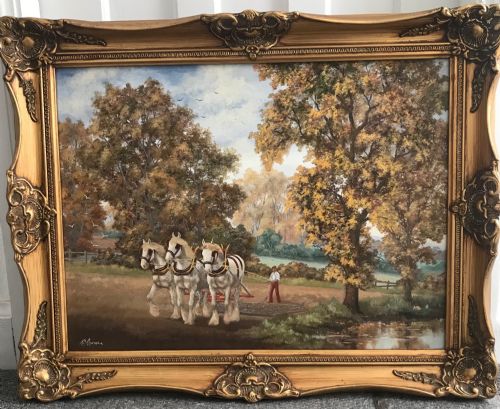
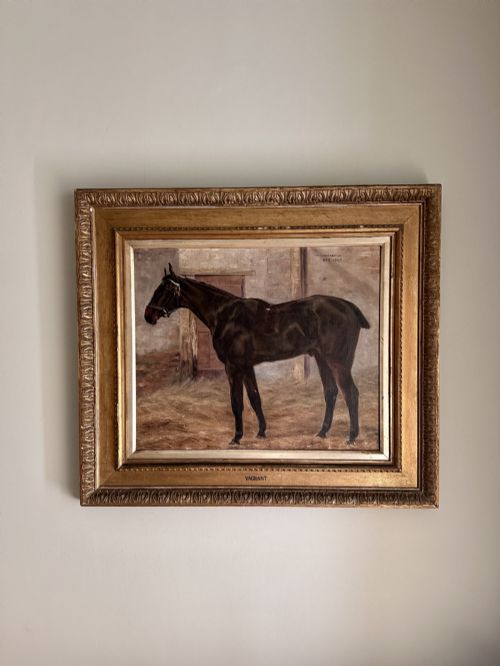
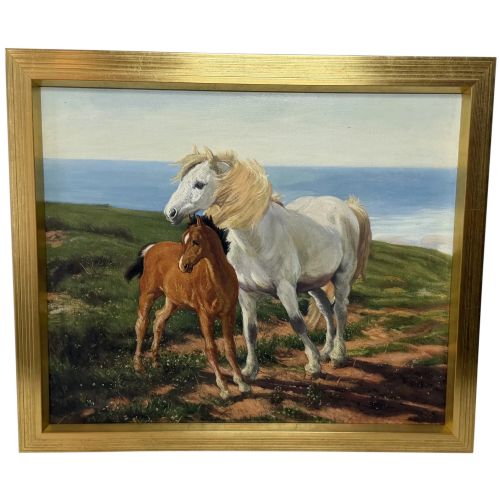
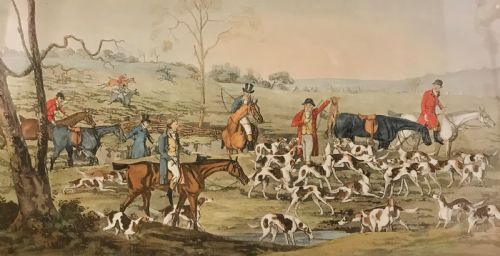
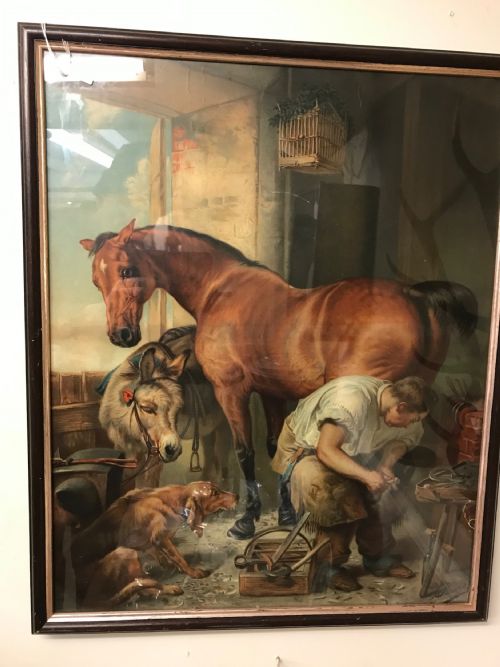
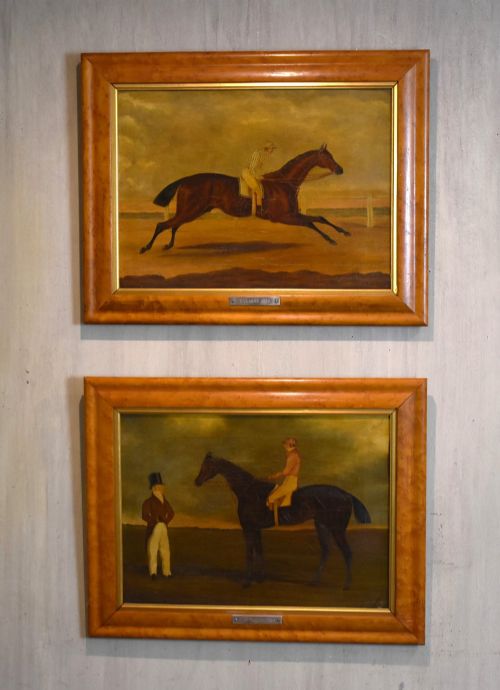
A vintage horse picture encompasses framed oil paintings, watercolours, pastels, lithographs and engravings depicting equines from various periods. Buyers seek these pieces for their historical charm and skilled portrayal of horses in sport, work and portraiture.
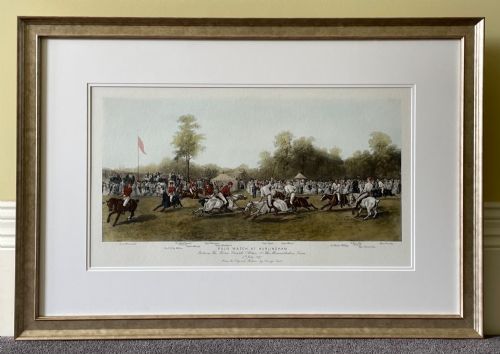
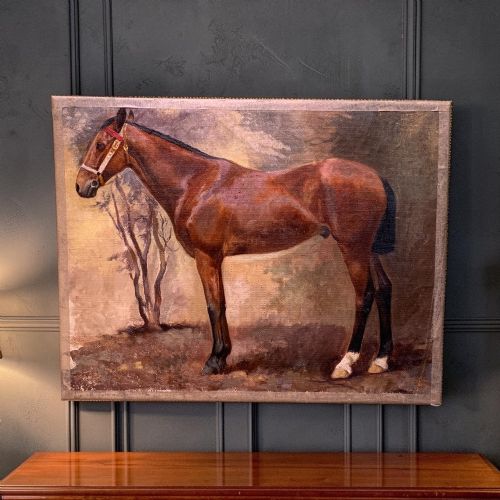
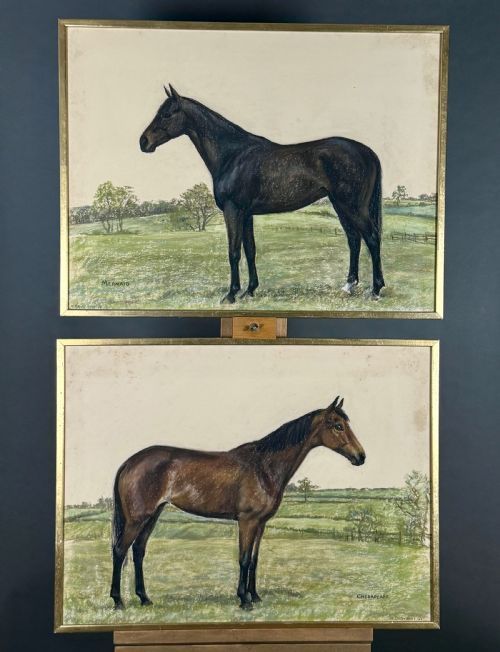
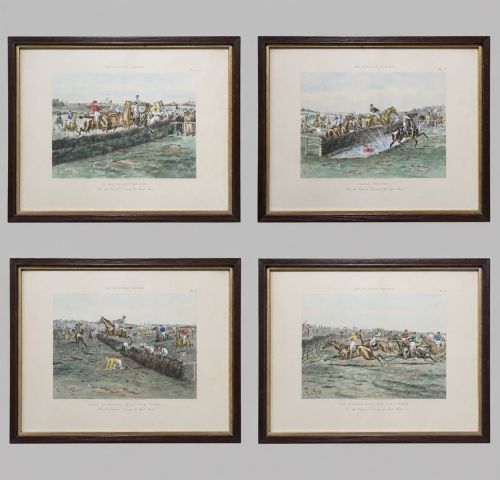
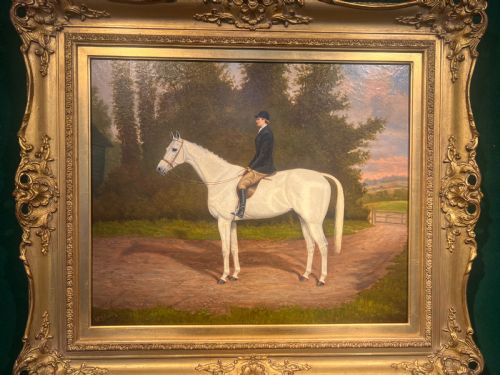
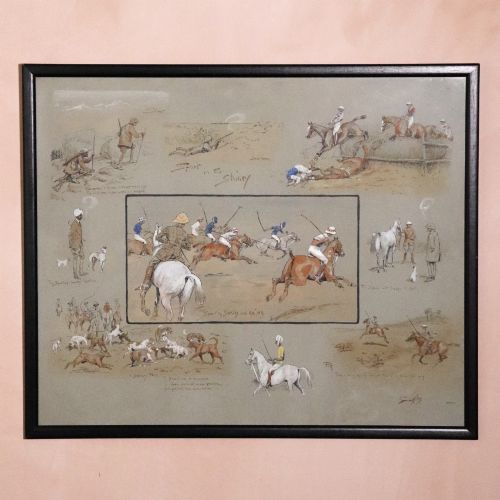
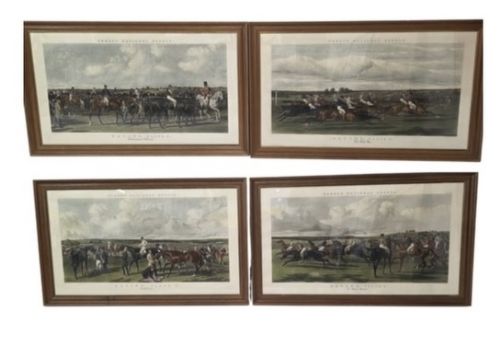
The selections span nineteenth-century oils of hunters and racing thoroughbreds to mid-century pastels and prints. Works range from intimate depictions of a single bay mare to dynamic scenes of polo matches and hunts.
Materials and construction
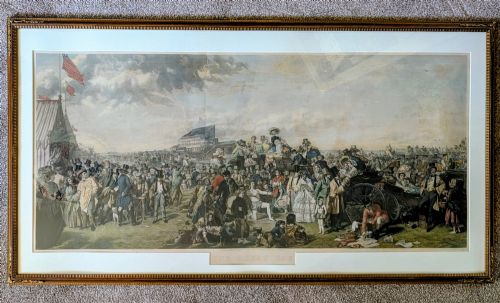
Artists employed oil paint on canvas and wood panels, alongside watercolour and pastel on paper, to capture the musculature and coats of horses. Printmakers utilised lithography, engraving and aquatint processes to reproduce sporting scenes for broader publication.
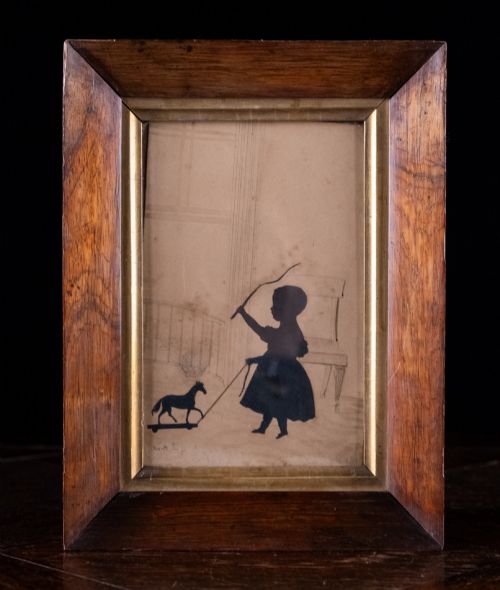
Original works frequently feature period wooden frames, sometimes glazed with glass to protect delicate paper mediums like ink, chalk and pencil drawings.
Vintage Horse Picture Retail Price Guide 2026
Typical asking prices for vintage horse picture among the pieces listed under this phrase on Sellingantiques today, from the lower quarter to the upper quarter. They describe what is for sale here now, not the wider market.
Some horses on this page share space with attentive farmyard ducks, chickens and dogs.
Assessing quality and execution
Quality rests upon the artist's anatomical accuracy and ability to convey movement in the horse, alongside the subtlety of handling light across the coat and landscape. Superior works demonstrate confident brushwork or precise draughtsmanship rather than rigid, mechanical copying.
The condition of the canvas, paper and frame contributes significantly to the integrity of the piece, with well-preserved pigments and original framing elements elevating the overall standard.
Augustin Edouart·Fred Fitzpatrick·Edwin Henry Landseer·John Frederick Herring Snr·Herman S Melville·John Rattenbury Skeaping·Charles Walter Simpson·William Williams·Abraham Cooper·Edward Lloyd of Ellesmere·Michael Lyne
The Vintage Horse Picture Glossary
- Aquatint
- An intaglio printmaking technique that produces areas of tone resembling watercolour washes. It was frequently utilised for sporting prints and horse racing series.
- Lithography
- A planographic printing process using a stone or metal plate. This method allowed for the widespread reproduction of nineteenth-century equestrian art.
- Eglomise
- A technique where cold painting and gilding are applied to the rear face of glass. It appears in decorative wall art reproductions of famous racehorses.
- Gouache
- An opaque water-based paint composed of pigment and a binding agent. It provides solid, vibrant colour fields in mid-century works on paper.
- Provenance
- The documented history of ownership of a work of art. It traces a piece from its creation through galleries and estates to the present.
Vintage Horse Picture: Frequently Asked Questions
How do I date an old horse painting?
Dating relies on examining the stretcher frames, canvas type, pigment composition and any signatures or dates inscribed by the artist. Stylistic clues, such as the clothing of riders or the specific printing technique used, also help narrow down the period.
Comparative study with documented works by the same hand or publisher provides further chronological context for unsigned pieces.
What is the difference between an oil painting and a print?
An oil painting is a unique, hand-painted artwork created directly on canvas, wood panel or board using pigmented oils. Brush textures and the layered application of paint distinguish it from reproductions.
A print is a mechanical or chemical reproduction, such as a lithograph or engraving, created in multiples from a master plate or block.
How should I care for a paper equestrian print?
Paper works require protection from direct sunlight to prevent the fading of watercolours, inks and pastels. Keeping them away from excessive moisture prevents foxing and mould growth on the paper.
Framing with acid-free mounts and UV-filtering glass ensures the long-term preservation of vintage prints and drawings.
Are hunting and racing scenes common?
Hunting and racing subjects dominate equestrian art from the nineteenth and early twentieth centuries. Artists frequently documented famous racehorses, prestigious stakes and local hunts for enthusiastic patrons.
These subjects reflect the cultural significance of equestrian sports during the Victorian and Edwardian eras.