

Antique Sporting Artwork
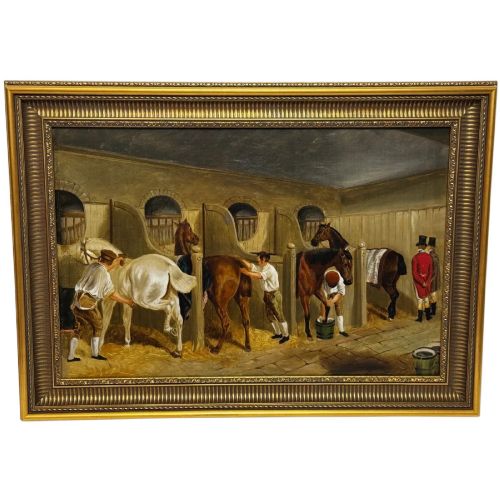
These antique sporting artwork pieces capture the energy of the field, the stable and the racecourse on canvas, paper and panel.
Antique Sporting Artwork
When you search for antique sporting artwork, you encounter visual records of nineteenth-century and early twentieth-century field sports, equestrian pursuits and canine subjects. The pieces span Victorian and Edwardian eras, reflecting a society deeply invested in horses, hounds, shooting and racing.
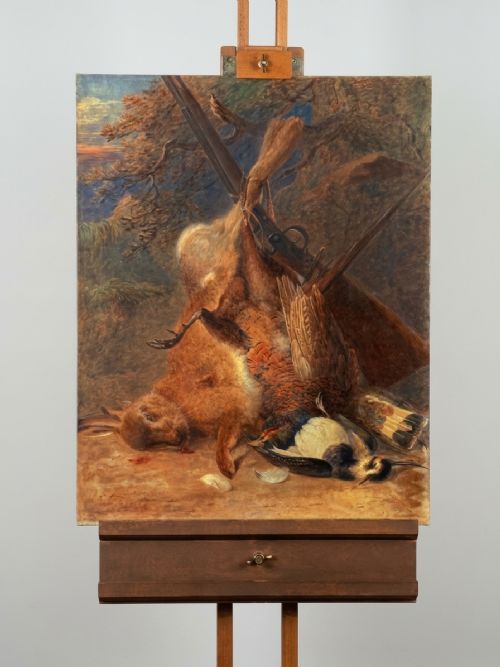
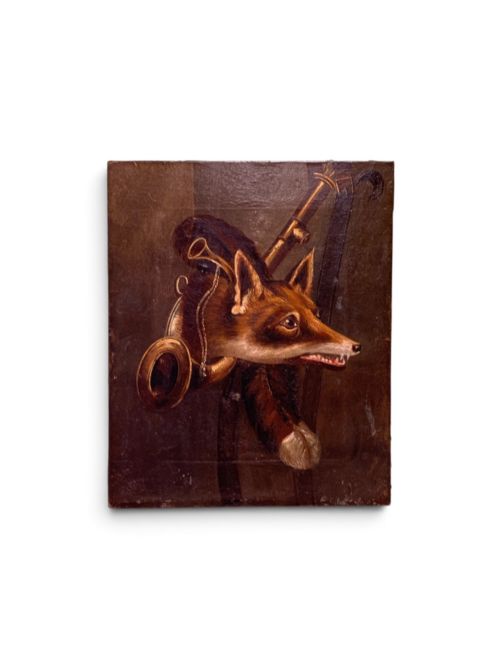
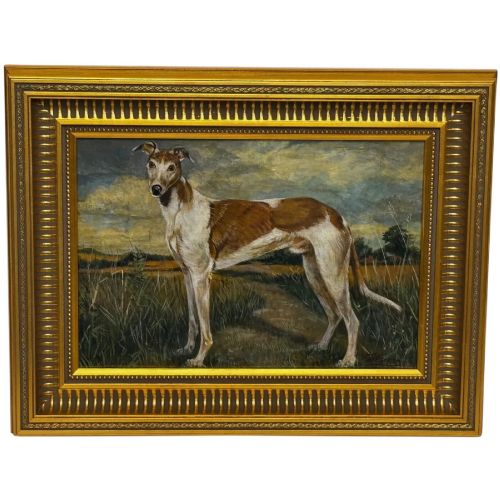
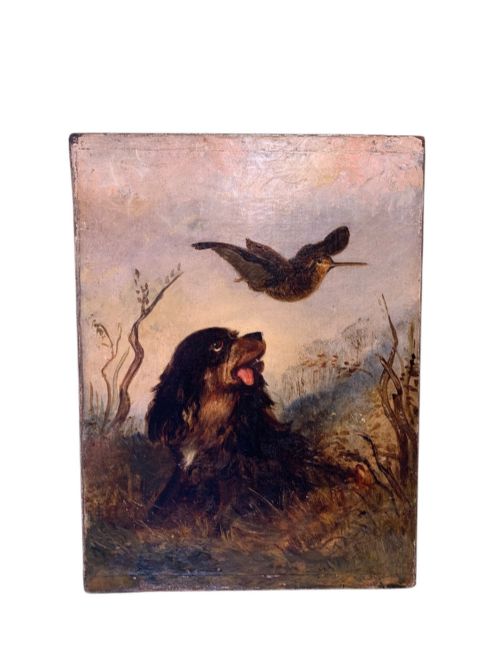
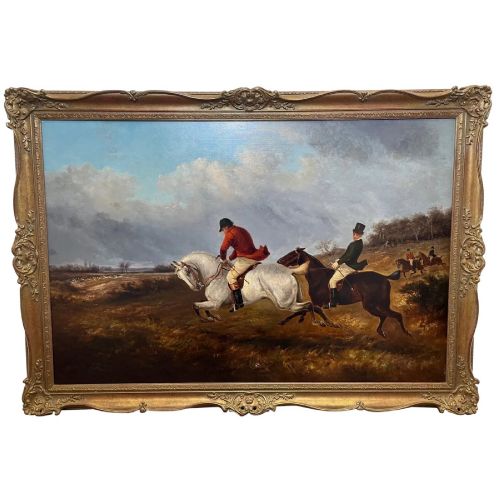
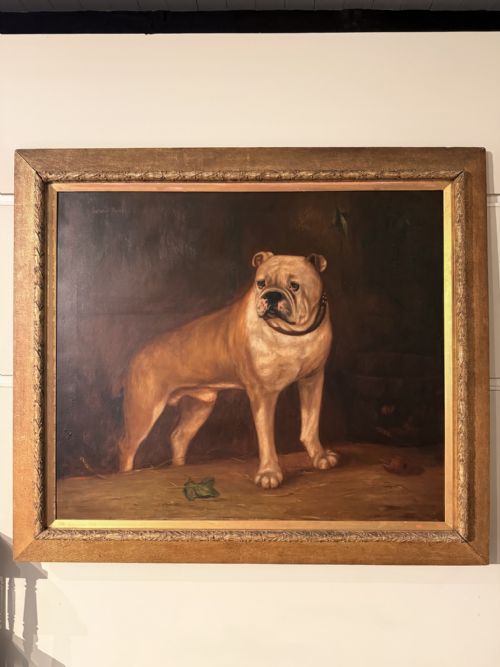
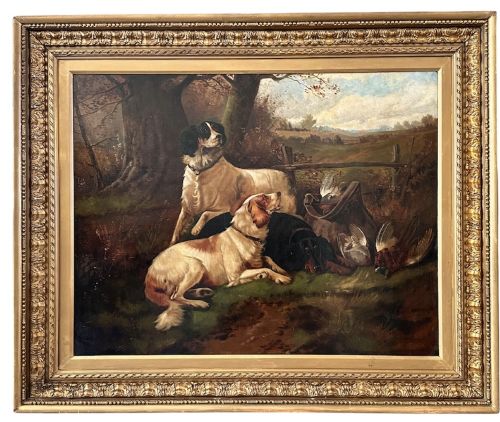
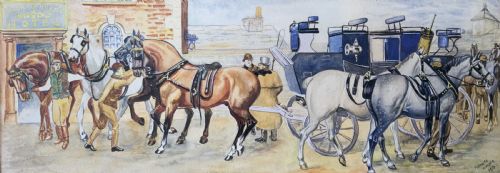
You meet oil paintings, watercolours, lithographs and framed engravings that document hunting scenes, racehorses in stables, gun dogs with game, and coaching journeys. These works range from intimate watercolours of hares to large oil portraits of prized hunters and pack hounds.
The creators of these works include named British artists and skilled practitioners of the British sporting art tradition. They preserve a distinct visual heritage that celebrates rural pastimes and animal portraiture across the Georgian, Victorian and Edwardian periods.
Materials and construction methods
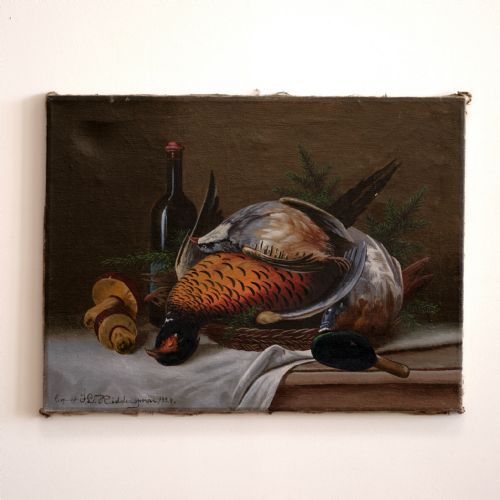
Makers utilised oil paint on canvas or wood panels for major portraits and landscapes, applying rich pigments to capture the coat of a horse or the feathers of game birds. Watercolours and bodycolour on paper served for detailed studies and exhibition pieces.
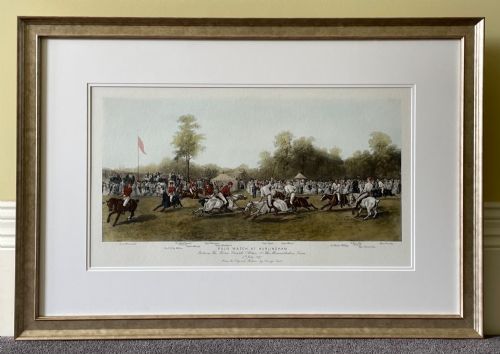
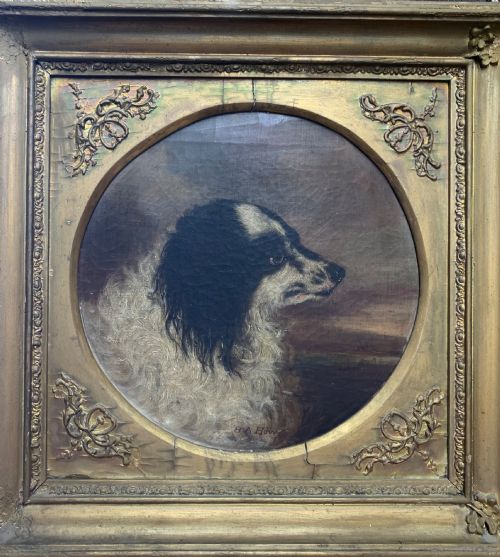
Printers produced lithographs and engravings to disseminate popular sporting scenes more widely, often framing them in wood, oak or giltwood moulding. Gold leaf frequently embellished the frames that house these oil paintings and watercolours.
Antique Sporting Artwork Retail Price Guide 2026
Typical asking prices for sporting artwork among the pieces listed under this phrase on Sellingantiques today, from the lower quarter to the upper quarter. They describe what is for sale here now, not the wider market.
Listings feature works spanning the nineteenth century, the Edwardian era, and the 1930s, executed in oil on canvas, watercolour, and lithograph.
Distinctions in quality
The distinction between standard works and superior examples rests upon anatomical precision and compositional harmony. Master painters understood the musculature of horses and hounds intimately, whereas lesser hands produced stiff or generic animal forms.
The handling of light and landscape context elevates certain paintings above mere record-keeping. Framed works retain original giltwood or walnut surrounds that complement the period of the artwork, while inferior pieces often display replacement framing.
George Sydney Shepherd·Thomas Smythe·John Sargent Noble·Henry Barraud·Fred Fitzpatrick·Ernest Payne·Edward Priestley·Philip Rideout·John Frederick Herring Snr·John Emms·John Ferneley Senior·Benjamin Blake·Alfred Munnings·Cecil Charles Windsor Aldin·John Arthur Lomax·Arthur Wardle·Albert Clark
The Antique Sporting Artwork Glossary
- Bodycolour
- Watercolour paint mixed with a white pigment to make it opaque. This technique adds solid highlights and dense colour saturation to works on paper.
- Aquatint
- A printmaking technique that produces tonal areas resembling watercolour washes. It was frequently used to illustrate sporting books and prints.
- Giltwood
- Wood carved and coated with a thin layer of gold leaf. It defines the decorative frames common on nineteenth-century oil paintings.
- Lithograph
- A planographic printing process utilising stone or metal plates. It enabled the mass production of detailed sporting prints in the nineteenth century.
- Grisette
- A term applied in specific regional contexts to describe particular horses or subjects within nineteenth-century equine art.
Antique Sporting Artwork: Frequently Asked Questions
What subjects appear in sporting artwork?
The subjects centre on horses, hunting dogs, racing pigeons, polo matches and coaching scenes. Painters and printmakers recorded specific animals, gun dogs with game, and rural field sports.
These pieces reflect the preoccupations of nineteenth-century rural society, documenting prized hunters, famous racehorses, and local packs of hounds in detailed landscapes.
How do I distinguish Victorian from Edwardian pieces?
Victorian works generally reflect mid-to-late nineteenth-century aesthetic conventions with heavier giltwood framing and romanticized landscape backgrounds. Edwardian examples often show a looser brushwork and lighter palette typical of the early twentieth century.
Examining the recorded dates on signatures, artist lifespans, and framing materials helps establish whether a piece belongs to the Victorian era or the subsequent Edwardian period.
Were these works intended for interior display?
Owners historically hung large oil paintings of hunters and pack hounds in country houses, stables, and estate libraries. Smaller watercolours and prints suited more intimate domestic rooms.
Today, these pieces function as traditional wall art that brings equestrian and rural themes into modern residential or office interiors.
How do original oils differ from prints?
Original oil paintings on canvas or wood present unique brushstrokes, texture in the pigment, and direct hand execution by the artist. Lithographs and engravings are mechanically or chemically reproduced impressions on paper.
While prints offered wider access to popular sporting scenes by artists like Snaffles, original paintings remain singular creations bearing the maker's hand.