
Framed Horse Wall Art
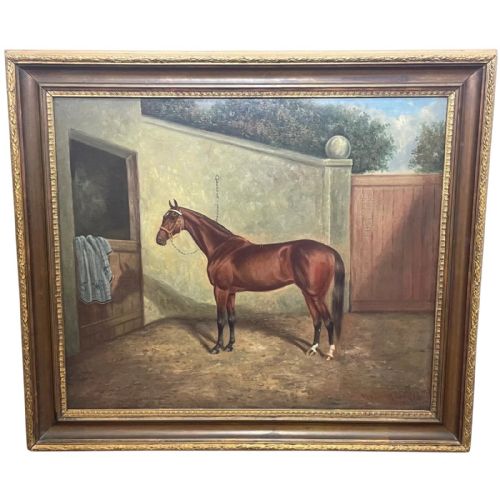
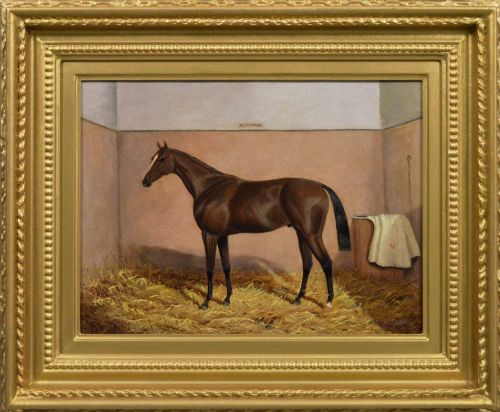
Framed horse wall art brings together centuries of equine portraiture, sporting scenes, and countryside studies housed within traditional wood and gilt frames.
Framed Horse Wall Art
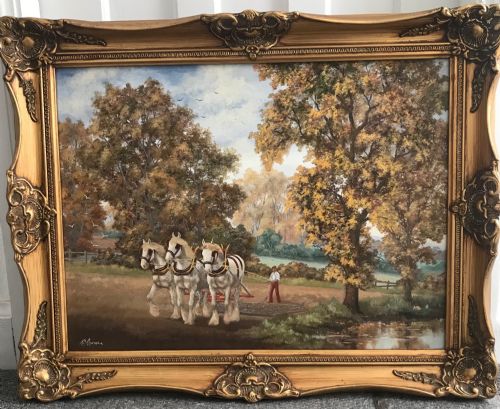
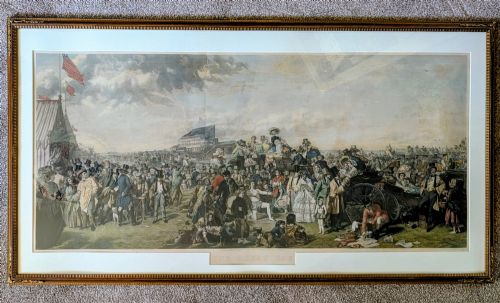
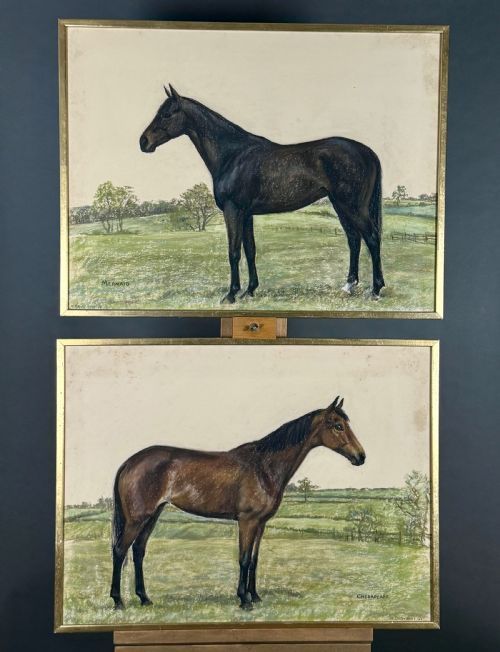
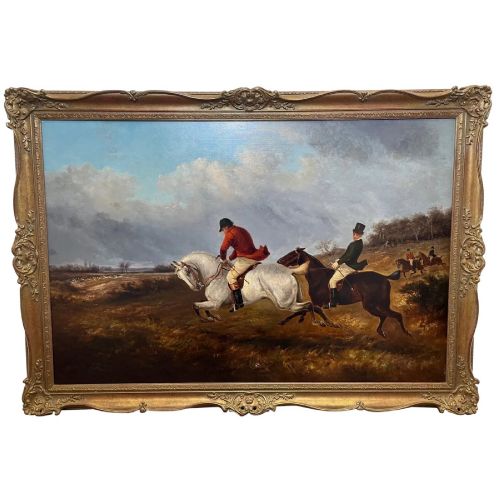
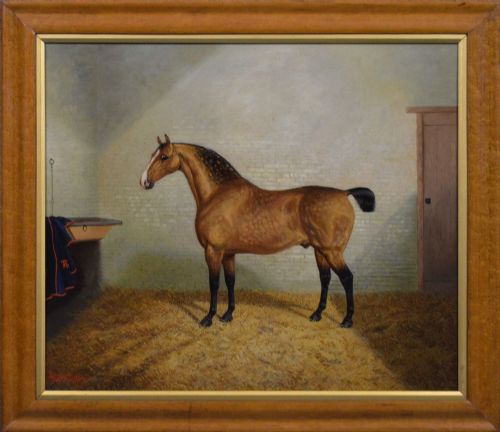
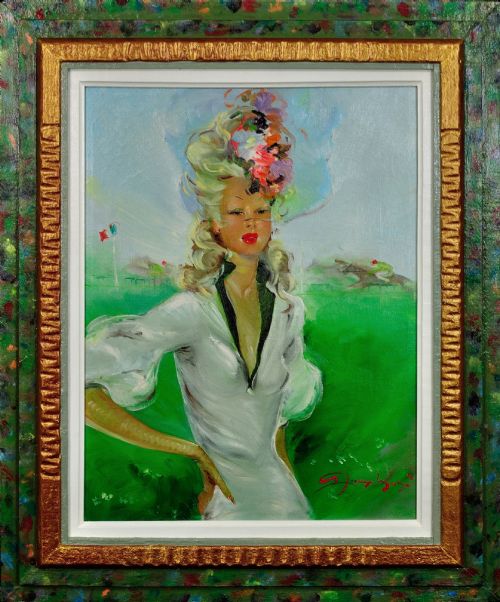
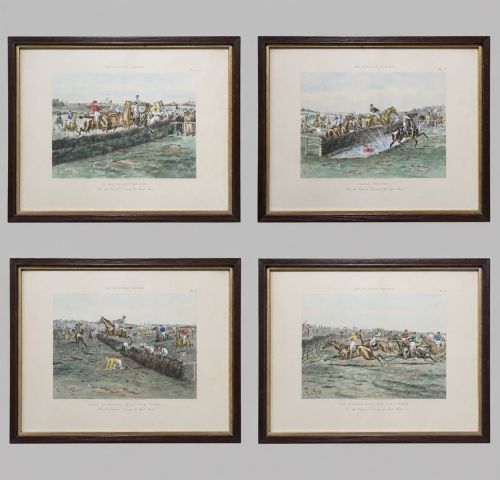
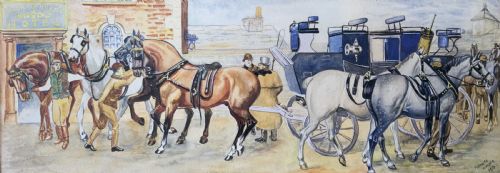
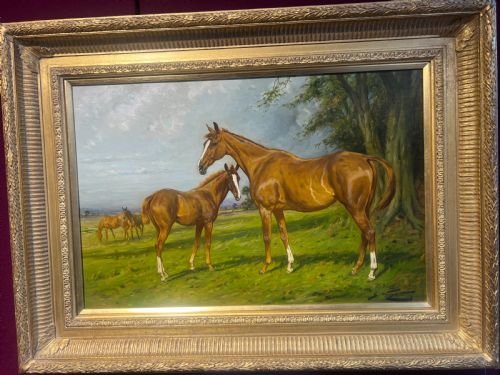
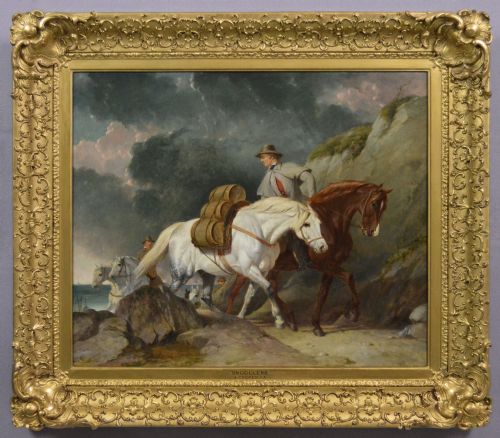
When searching for framed horse wall art, buyers encounter a diverse selection of oil paintings, watercolours, pastels, and historical prints spanning from the Georgian period through to the mid-twentieth century. The selection ranges from detailed nineteenth-century portraits of named racehorses and hunters to rural landscape scenes featuring working shires, plough horses, and coaching watercolours.
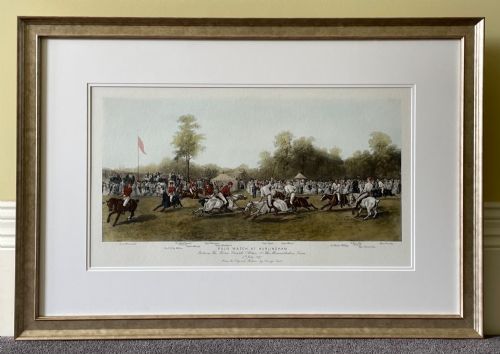
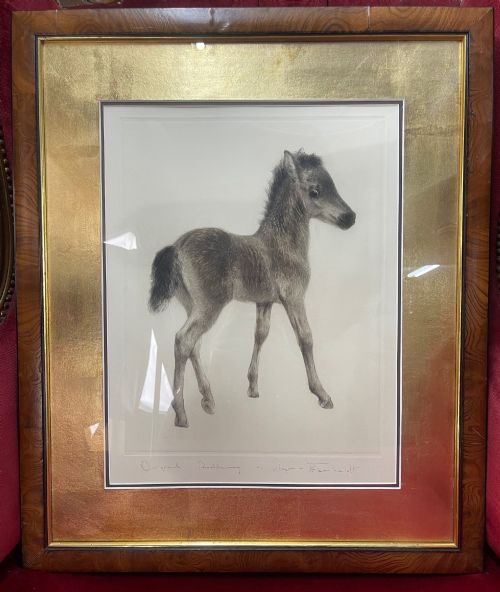
Many of the pieces originate from Victorian and Edwardian traditions of British sporting art, capturing polo matches, fox hunting scenes, and stable portraits. Alongside original paintings on canvas and paper, the inventory includes hand-coloured copper engravings, lithographs, and drypoint prints housed behind protective glass in period wooden frames.
Materials and construction
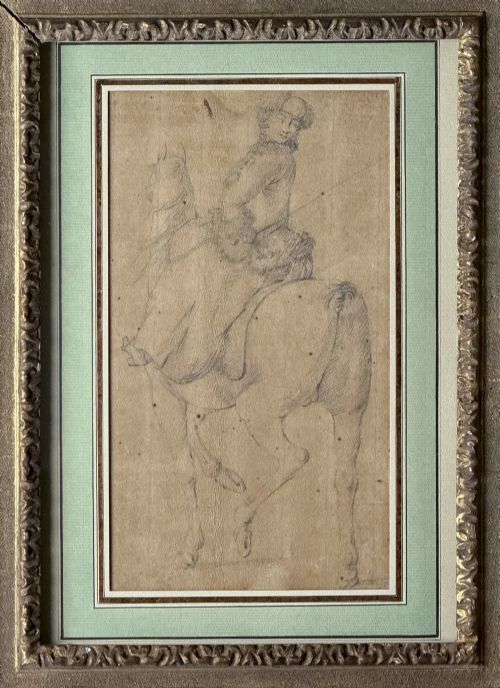
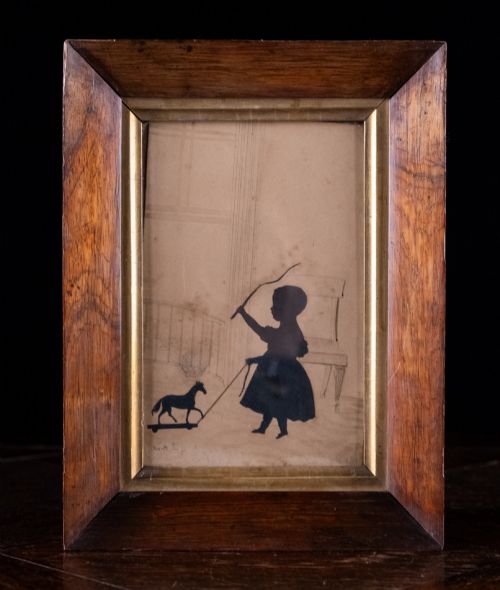
The physical works are primarily executed in oil paint on canvas, watercolour and pastel on paper, or ink in the case of drypoint prints and silhouettes. These mediums are supported by traditional paper, card, and stretched canvas grounds, often retaining their original artist materials and preparation layers.
Framing forms an integral part of the physical makeup, utilising solid wood mouldings, oak frames, and heavy giltwood constructions. Glazing is commonly integrated to protect works on paper, whilst canvas paintings are traditionally secured within decorative moulded timber borders.
Framed Horse Wall Art Retail Price Guide 2026
Typical asking prices for framed horse wall art among the pieces listed under this phrase on Sellingantiques today, from the lower quarter to the upper quarter. They describe what is for sale here now, not the wider market.
Listings feature works spanning the eighteenth, nineteenth, and twentieth centuries, executed in oil, watercolour, pastel, and various print formats.
Variations in quality
Quality in these pieces is dictated by the anatomical accuracy of the equine subjects, the expressive handling of the medium, and the fidelity of the composition. Master painters and skilled printmakers capture the distinct musculature, coat texture, and alertness of horses with precision, whereas lesser works display stiffness or incorrect proportions.
The physical housing also dictates overall standard, where period-appropriate giltwood or custom oak frames with intact mouldings elevate the complete object. Preservation of the original canvas, paper surface, and underlying pigment without extensive modern overpainting distinguishes superior examples.
Kurt Meyer Eberhardt·Thomas Smythe·Albert Clark·Augustin Edouart·Abraham Cooper·Henry Barraud·Fred Fitzpatrick·Ernest Payne·Edward Priestley·John Alfred Wheeler
The Framed Horse Wall Art Glossary
- Drypoint
- A printmaking technique where an image is scratched directly onto a metal plate with a sharp needle, producing soft, velvety lines from the raised metal burr.
- Giltwood
- Timber carved and coated with a thin layer of gold leaf or metallic gilt preparation, commonly utilised in ornate nineteenth-century picture frames.
- Aquatint
- An intaglio printmaking method that uses acid etching on a copper plate to produce tonal areas that resemble watercolour washes or ink sketches.
- Equestrian
- Pertaining to horses, horse riding, or the representation of horses in art, encompassing both sporting competition and portraiture.
- Grisette
- A term historically used in specific equine titles to denote a grey mare, often recorded alongside specific geographical locations or stable names.
Framed Horse Wall Art: Frequently Asked Questions
How do I identify the age of a horse painting?
Dating relies heavily on the style of the clothing worn by figures in the background, the framing techniques, and any accompanying inscriptions or signatures on the canvas or reverse. Archival records and artist lifespan dates further help narrow the chronological window of the piece.
Material analysis of the stretcher bars, canvas weave, and paper types also provides reliable indicators of whether a work originates from the Georgian, Victorian, or mid-century eras.
What is the difference between an oil painting and a print?
An oil painting consists of pigmented paste applied directly to canvas or panel by the artist's hand, showing brush texture and unique layering. Prints are mechanical or manual reproductions, such as lithographs or engravings, created in multiples from a single plate or matrix.
Examining the surface closely under magnification reveals the flat ink patterns of printed works versus the raised impasto and dried brushstrokes characteristic of original oils.
How should I hang and care for antique horse art?
These works require placement away from direct sunlight and excessive humidity to prevent the fading of watercolours, yellowing of varnishes, and warping of wooden frames. Stable indoor temperatures preserve both the paper substrates and the tension of stretched canvases.
Dusting should be performed gently with a dry, soft cloth, avoiding chemical cleaners on both the glazed surfaces and the delicate giltwood or timber mouldings.
Are framed horse prints considered collectible?
Period prints, particularly hand-coloured engravings and signed drypoints by established sporting artists, hold significant standing among collectors of equestrian history. Their desirability depends on the quality of the impression, the presence of original hand colouring, and the preservation of the antique frame.
Works published by notable firms or associated with famous races and stables carry particular historical documentation that appeals to specialist collectors.