


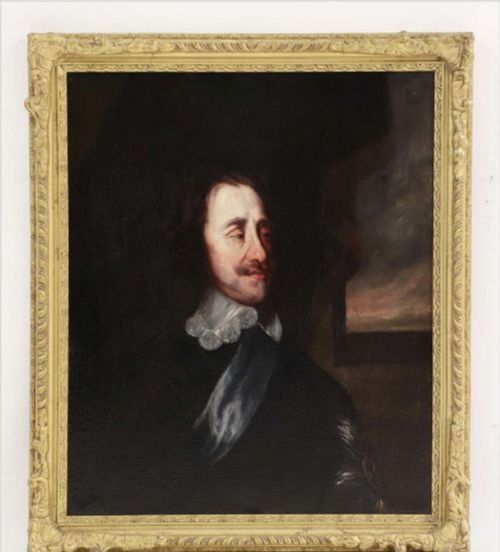
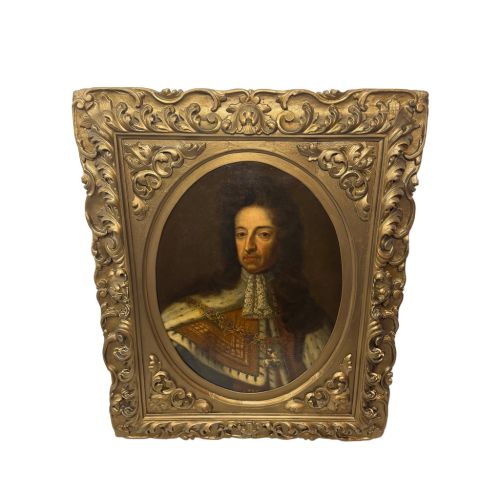

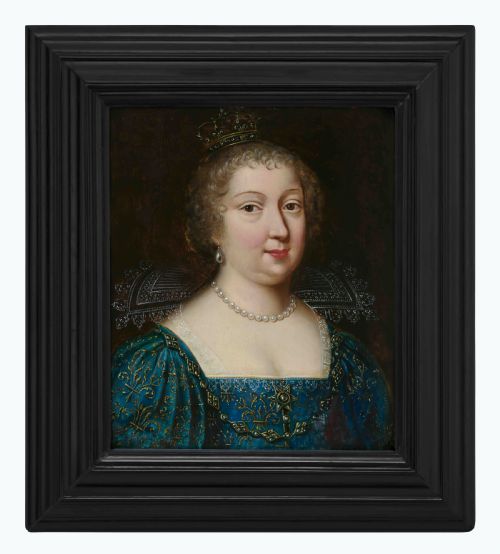
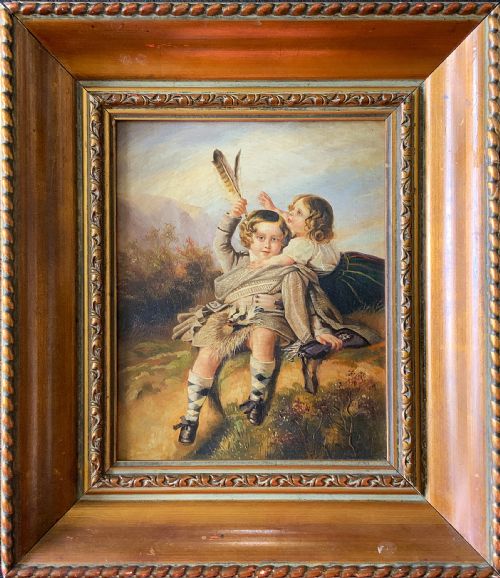

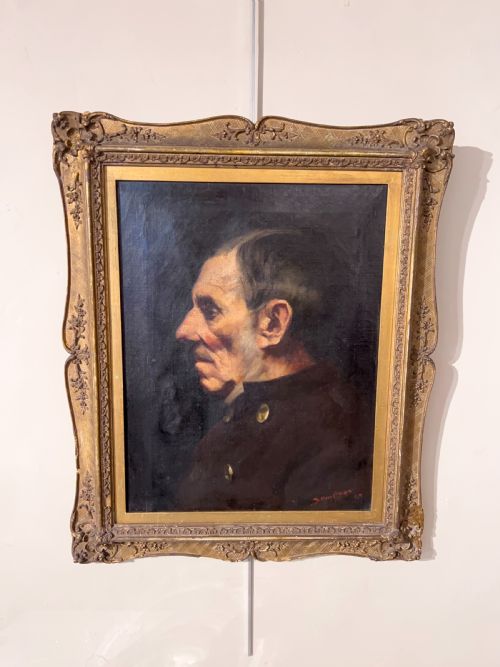


Royal Portrait Oil Painting
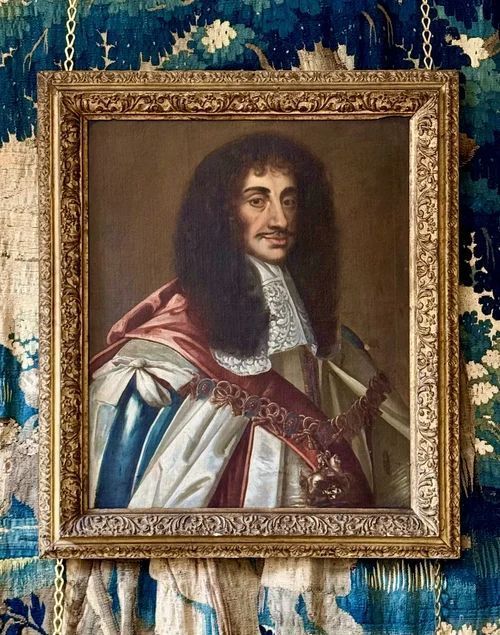
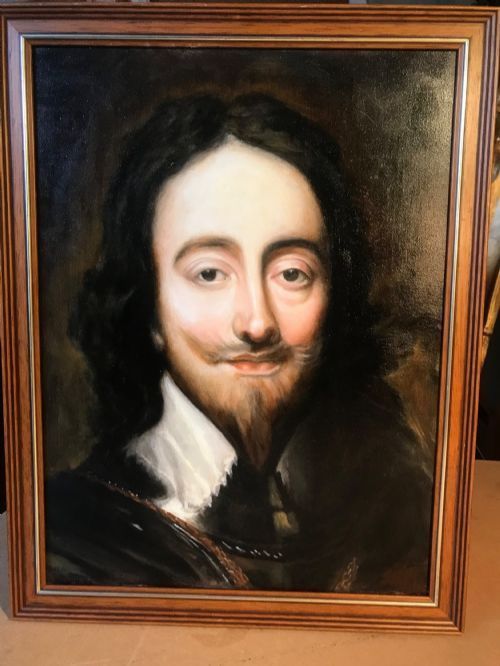
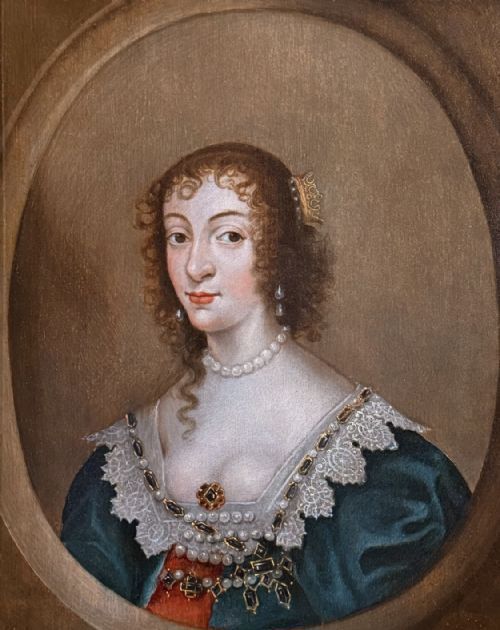
A royal portrait oil painting captures sovereigns, princes, and noble figures through centuries of fine art tradition, offering buyers a direct link to historical pageantry.
Royal Portrait Oil Painting
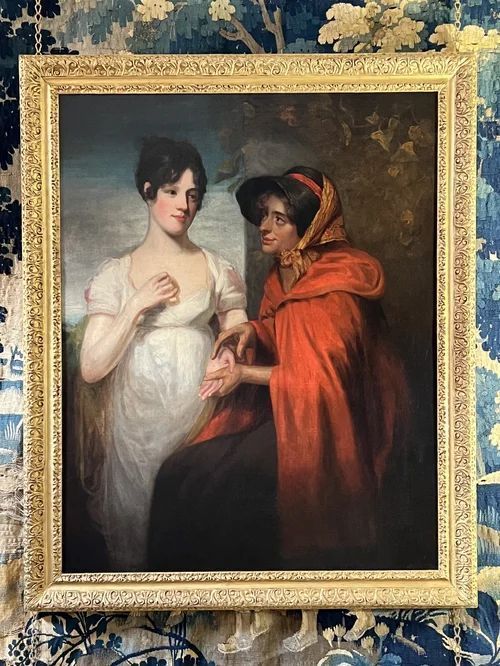
A royal portrait oil painting depicts monarchs, nobility, and significant historical figures, with seventeenth-century depictions of figures like King Charles I and King William III appearing frequently alongside later nineteenth-century and mid-twentieth-century examples.
The selections on this page span several distinct periods including the seventeenth century, the Georgian and Regency eras, the Victorian epoch, and twentieth-century decades up to the 1960s.
These works range from grand court depictions after Anthony van Dyck and Sir Peter Lely to intimate studies of princes, naval officers, and military commanders.
Materials and construction
Artists painted these works using oil paint applied to canvas, wood panels, or boards, creating rich tones and lasting durability.
Many historical examples are housed in original or period giltwood and gold leaf frames that enhance the visual weight of the artwork.
Royal Portrait Oil Painting Retail Price Guide 2026
Typical asking prices for royal portrait oil painting among the pieces listed under this phrase on Sellingantiques today, from the lower quarter to the upper quarter. They describe what is for sale here now, not the wider market.
Several portraits capture royals wearing decorative botanical additions, including a sprig of poppy in a lapel.
Factors of quality
Quality rests on the proximity of the execution to major artistic circles, distinguishing works by named Royal Academy artists or studio followers from anonymous regional productions.
The subtlety of brushwork, the preservation of the original canvas or wood panel, and the integrity of the period frame determine the standing of each piece.
Sir William Beechey·Sir Anthony van Dyck·Sir Peter Lely·John Opie·Bertram Priestman·Frederick Goodall·Ronald Ossory Dunlop·Sir Godfrey Kneller·Roland Batchelor·Kershaw Schofield·Allan Gwynne-Jones·Daniel Mytens
The Royal Portrait Oil Painting Glossary
- Circle of
- A term indicating the work was produced by an artist closely associated with a master, often working in a shared style during the same period.
- After
- A descriptor used when a painting is a later copy or interpretation of a known master's composition, such as works after Sir Anthony van Dyck.
- Giltwood
- Wood that has been coated with gold leaf or gold paint, frequently used for ornate period frames surrounding royal portraits.
- Oil on canvas
- A traditional painting medium where pigments suspended in oil are applied to stretched fabric, allowing for deep blending and luminous finishes.
- Panel painting
- An artwork executed on a flat piece of wood rather than stretched canvas, common in earlier centuries.
Royal Portrait Oil Painting: Frequently Asked Questions
What periods do these royal portraits cover?
The inventory spans from the seventeenth century through the Georgian, Victorian, and Edwardian eras up to mid-twentieth-century post-war creations. You will find seventeenth-century depictions of Stuart monarchs alongside twentieth-century royal studies.
This broad chronological range reflects changing portraiture conventions across four centuries of British and European history.
How do I identify a studio work versus a master?
Listings often designate pieces as being from the circle or studio of a known artist, or painted after an original composition. These designations help contextualize the painting's creation relative to major historical painters.
Examining the handling of drapery and facial detail alongside historical attributions clarifies the relationship between the canvas and the primary master.
What framing is typically found on these paintings?
Many works are presented in period giltwood or gold leaf frames, some featuring specific decorative mouldings or presentation plaques. These frames often match the era of the canvas and contribute significantly to the overall presentation.
Reviewing the individual listing details reveals whether a frame is original to the period of the artwork.
How should I care for an antique oil painting?
Antique oil paintings require stable environmental conditions away from direct sunlight, excessive heat, and moisture fluctuations. Keeping the canvas and wood panel protected from sudden temperature changes preserves the integrity of the paint layers.
Dusting should be done gently with a soft, dry brush, avoiding any chemical cleaners or moisture on the painted surface.