



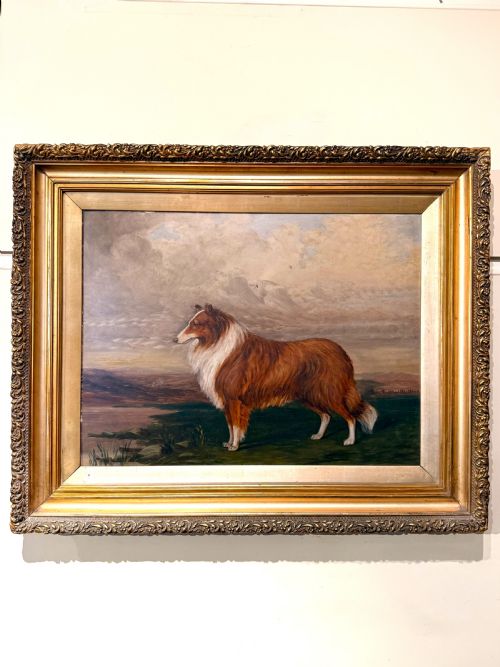
Brown Portrait Art
When you explore brown antique portrait art, you encounter centuries of rendered likenesses defined by deep ochres, umbers, and time-darkened varnishes.
Brown Portrait Art
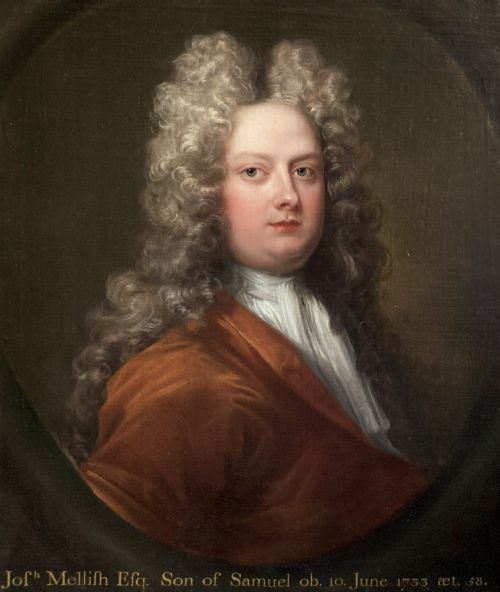
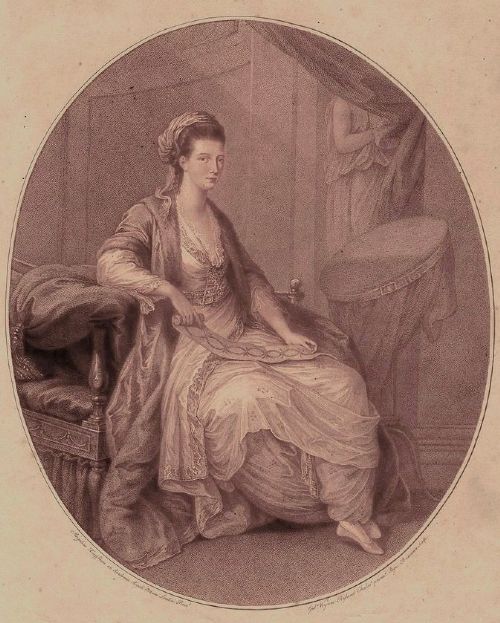
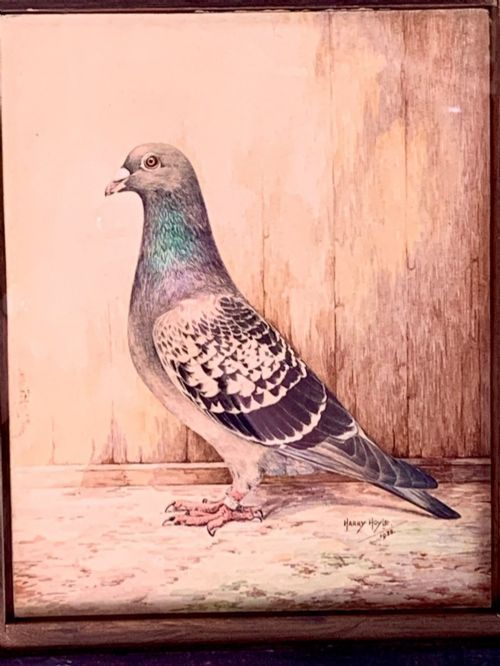
The phrase brown antique portrait art brings together historic depictions of individuals, rendered chiefly across the seventeenth, eighteenth, and nineteenth centuries. These works span aristocratic subjects, gentlefolk, and animal studies captured in oil, pastel, and watercolour.
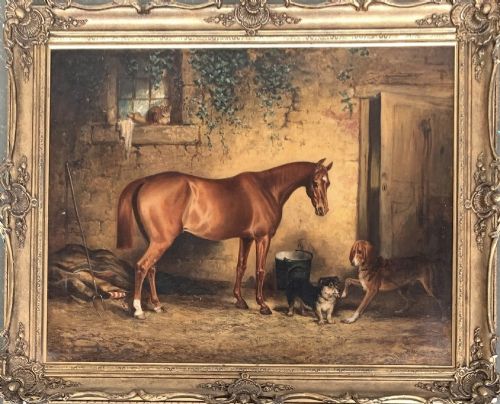
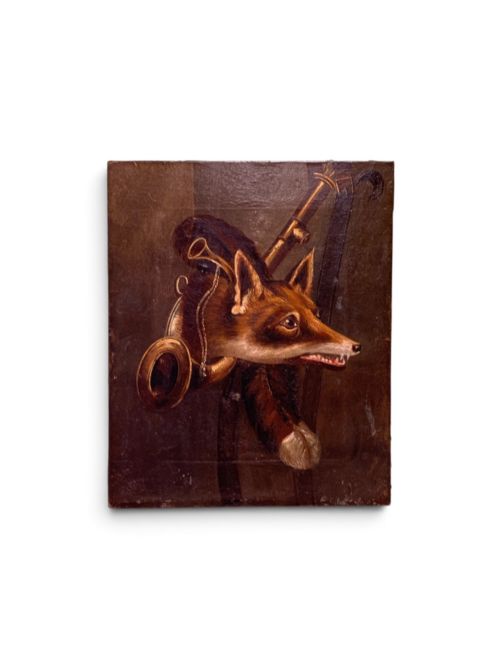
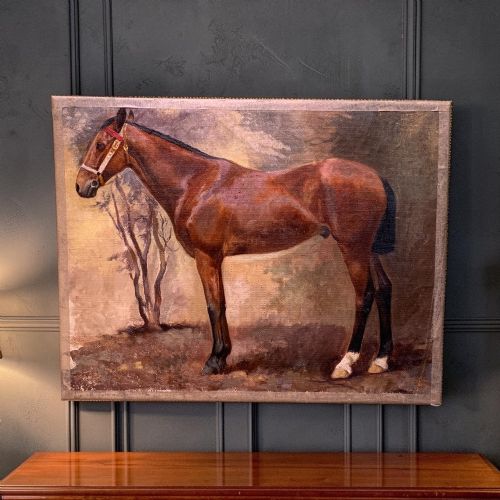
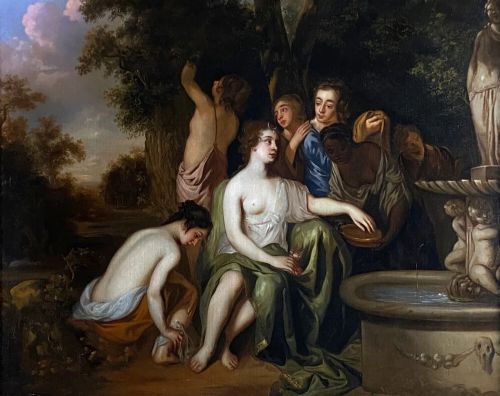
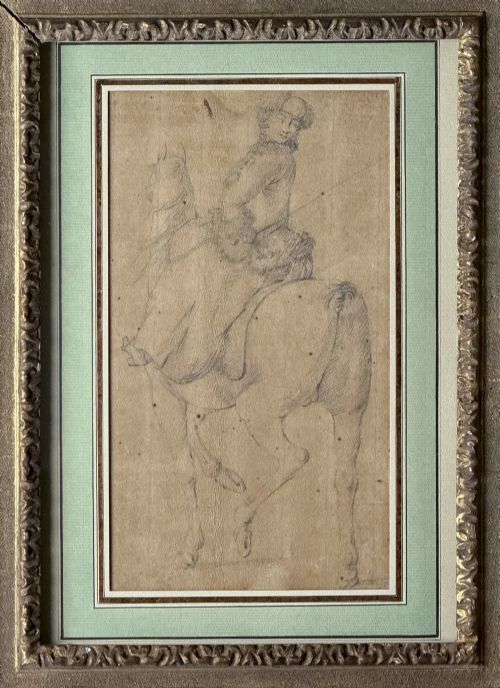
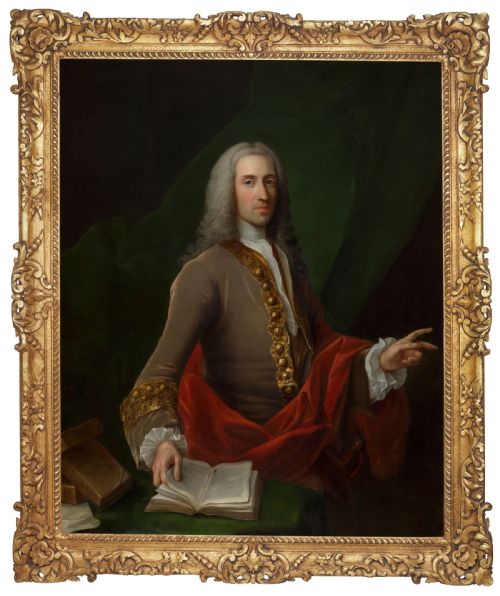
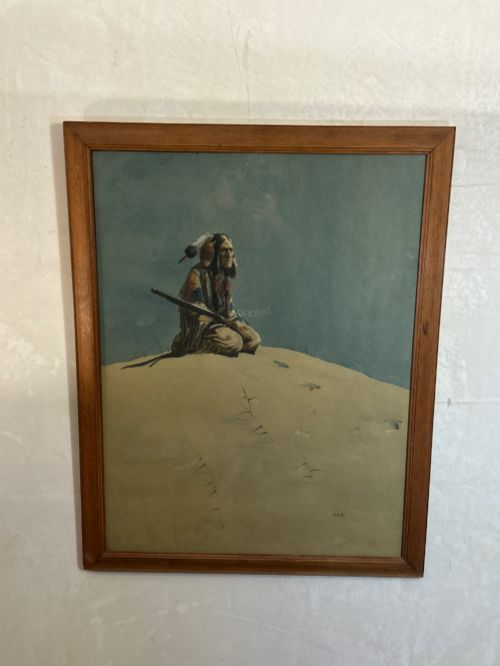
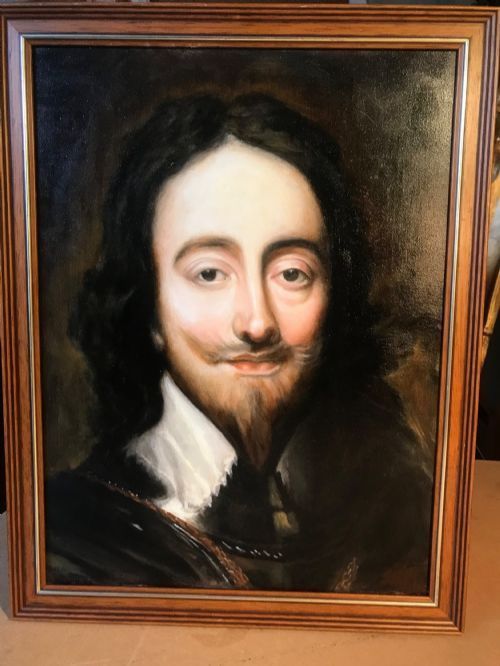
The predominant variant met on this page is the oil painting on canvas, frequently housed in deep wood or gilded frames that complement the sombre palette of the era. Alongside human subjects, the selection encompasses sporting art, equestrian studies, and character portraits spanning the Victorian and Edwardian periods.
Earlier pieces from the seventeenth century lean towards austere, dark backgrounds characteristic of old master traditions, while later nineteenth-century examples introduce softer realism and varied canvas supports.
Materials and construction
The primary vehicle for these works is oil paint applied to stretched canvas or wooden panels, utilising ground pigments mixed with linseed oil to build rich, layered depths. Over decades and centuries, this medium darkens naturally through the ageing of varnish and oil binders, producing the characteristic warm brown tones.
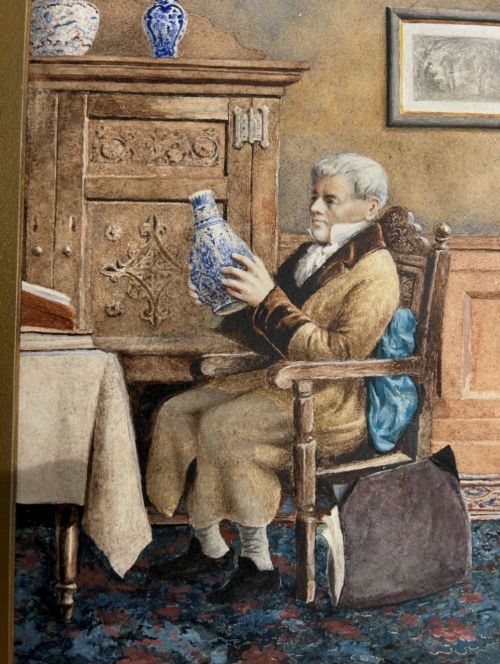
Supporting these artworks are traditional wooden frames, occasionally featuring burr maple or gold leaf ornamentation, which protect the edges of the canvas and paper. Works on paper rely on watercolours, gouache, or pastel mediums applied to buff or laid paper supports.
Listings feature works spanning the 17th, 18th, and 19th centuries, utilising oil on canvas, pastel, and watercolour.
Distinctions in execution
Conversely, simpler works from naive or regional schools prioritize straightforward representation over anatomical subtlety, resulting in flatter compositions with less modulation in tone. The handling of the background and the integration of the subject into the pictorial space further separate ambitious academic pieces from routine decorative works.
Charles Jervas·Sir Peter Lely·Valentine T. Garland·Jeremiah Davison·John Hassall·Sir Godfrey Kneller·Mary Beale·John Scougall·John Russell·Edouard Pingret·Samuel De Wilde·John Greenhill·Albert Clark
The Brown Portrait Art Glossary
- Canvas
- A heavy woven fabric stretched across a wooden frame to serve as a support for oil paintings. It provides a textured surface that interacts with applied layers of pigment.
- Old Master
- A term applied to European painters of high skill working before the nineteenth century. These artists typically operated within formal workshop traditions.
- Pastel
- A medium consisting of powdered pigment combined with a binder and shaped into sticks. Applied to paper, it creates velvety colour fields that require glass protection.
- Naive school
- Art produced by individuals lacking formal academic training, characterised by direct perspective and simplified forms. These pieces offer candid charm rather than technical realism.
Brown Portrait Art: Frequently Asked Questions
How do I care for antique oil portraits?
Keep paintings away from direct sunlight and sudden temperature shifts to prevent the canvas or wood panel from warping. Dust the surface gently with a soft, dry brush without applying pressure to the paint layers.
Avoid using liquid cleaners or chemical solvents on old varnishes, as these can strip original pigments. Professional conservation is recommended if the canvas requires cleaning or structural repair.
Are all these portraits painted on canvas?
While canvas is the most common support for oil works, many pieces utilise alternative materials. Earlier or smaller works frequently employ wooden panels, while nineteenth and twentieth-century examples occasionally use board or paper supports.
Works on paper, including watercolours, pastels, and drawings, rely on protective glazing to prevent smudging and environmental degradation. Each material ages differently, influencing the current appearance of the artwork.
How can I tell a Victorian painting from an earlier piece?
Victorian works generally exhibit a brighter palette and looser brushwork compared to the strict formality of seventeenth and eighteenth-century canvases. Subject matter also expanded during the Victorian era to include sentimental animal studies and everyday genre scenes alongside traditional human likenesses.
Framing styles offer additional clues, with Victorian and Edwardian mouldings differing significantly in profile and gilding technique from Georgian or earlier frames.