


Vintage Gentleman Wall Art
Vintage gentleman wall art brings character and history into a room through oil portraits and prints.
Vintage Gentleman Wall Art
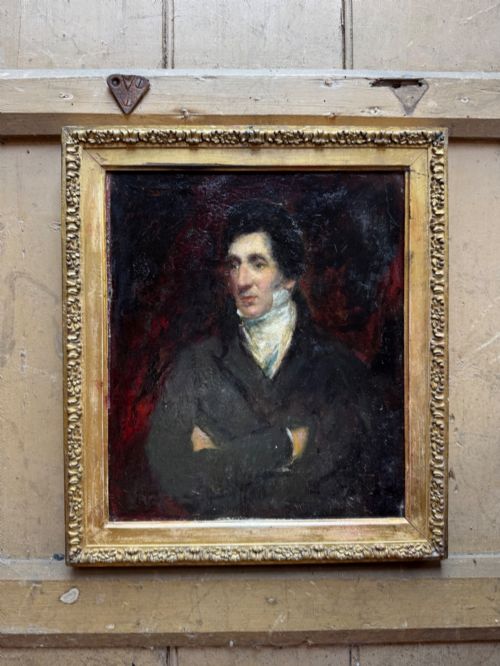
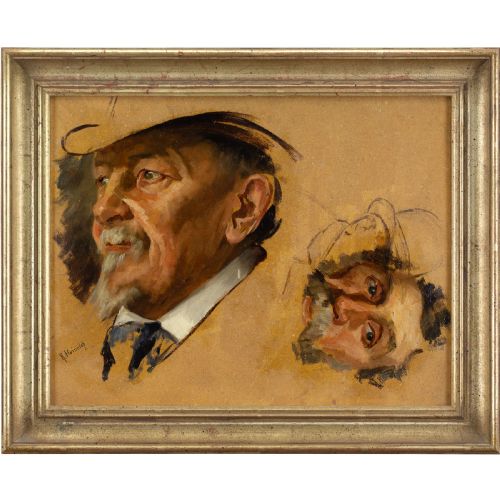
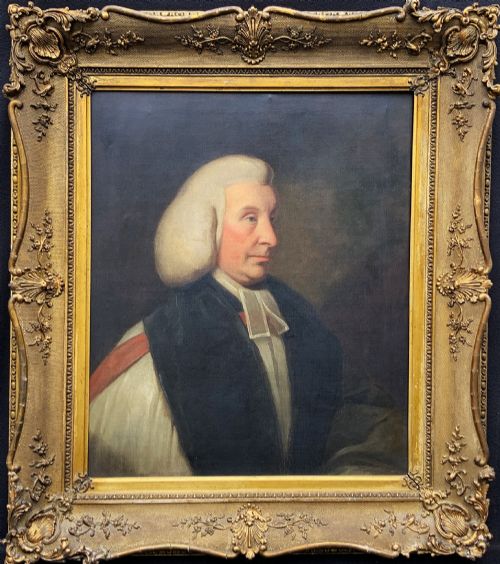
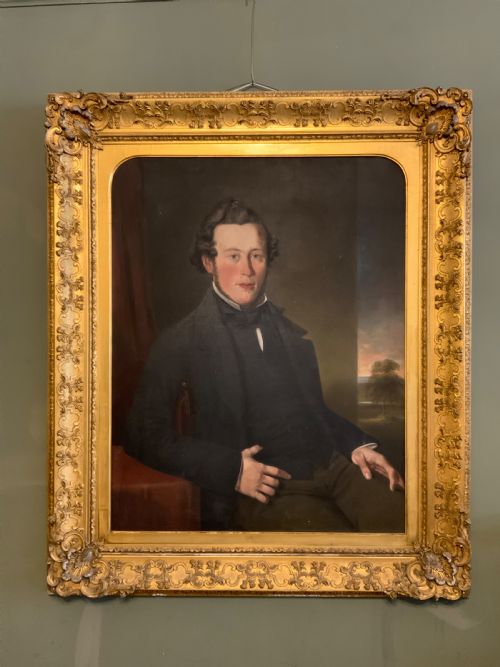
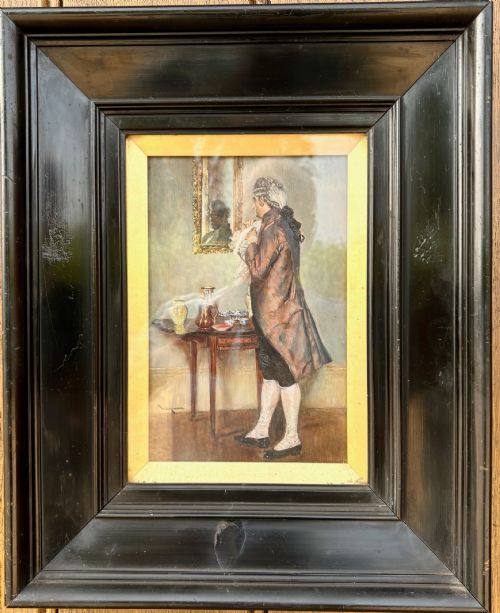
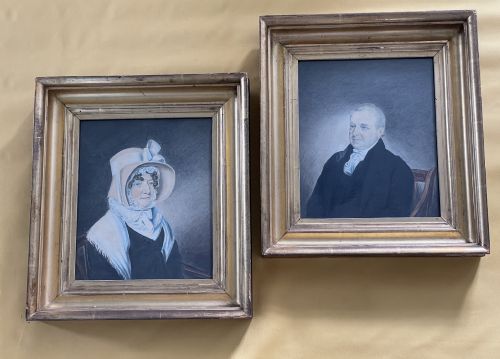
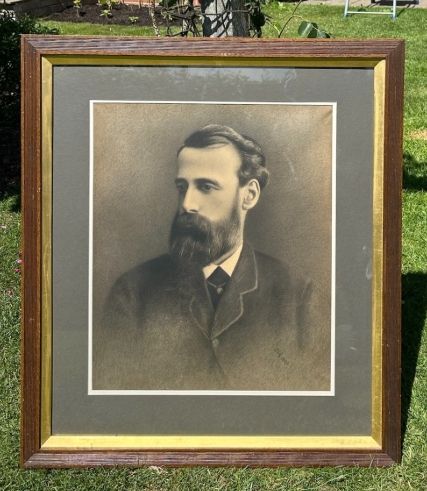
Vintage gentleman wall art consists largely of oil paintings, watercolours, charcoal drawings, and framed prints depicting male subjects. These works span from the eighteenth century through the Victorian era and into the mid-twentieth century.
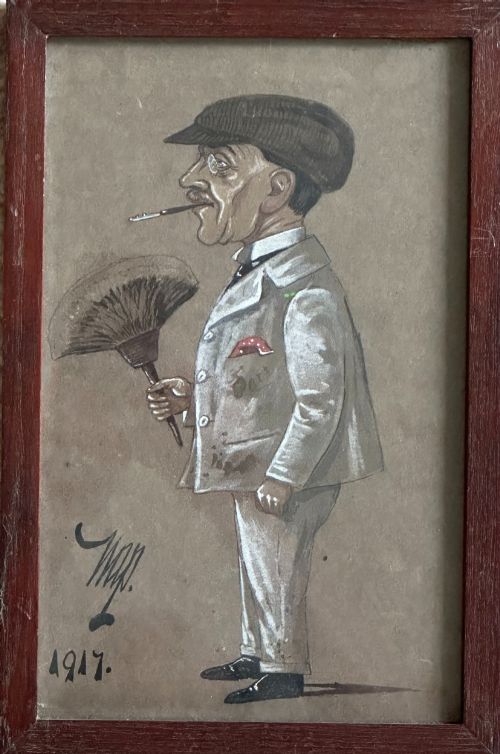
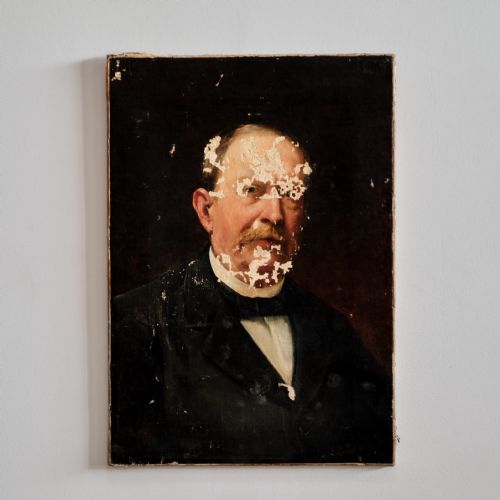
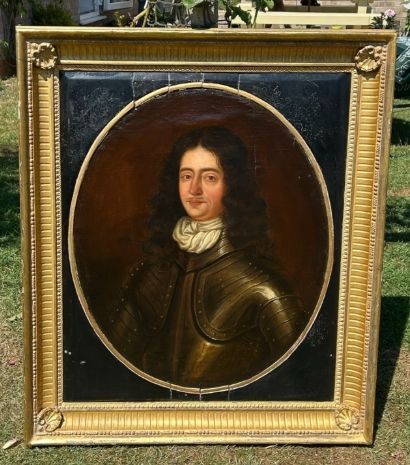
The most common form on this page is the single portrait, ranging from sober studies of doctors and clergymen to character pieces like dandies and aristocrats. Buyers will also encounter satirical prints and historical genre scenes.
Subjects include named historical figures, local tycoons, and anonymous sitters captured in academic realism or primitive styles.
How they were made
The materials recorded in these listings rely heavily on oil paint applied to canvas, wood panels, or board, often housed within giltwood and gesso frames. Draftsmanship appears through charcoal, pencil, and watercolour on paper.
Print formats utilise techniques such as chromolithography to replicate caricatures and Vanity Fair illustrations for wide circulation. Canvases are frequently stretched over wooden frames and protected by layers of varnish over the centuries.
Among the gentlemen depicted are a Bristol tycoon, a veterinary physician, and multiple cheerful caricatures from the Victorian era.
What varies in quality
Quality rests on the skill of the brushwork and the precision of the sitter's anatomy and expression. A master hand brings a living presence to the eyes and textiles, whereas lesser works rely on formulaic application.
The condition of the original canvas, the stability of the paint layer, and the matching period frame influence the integrity of the piece. Surviving signatures and well-documented sitters elevate individual works.
Robert Heinrich·W D Almond·John Watkins Chapman·Frank Moss Bennett·Alfred John Bouchette·Arthur Spooner·Marcellus Laroon·William Woodhouse
The Vintage Gentleman Wall Art Glossary
- Chromolithography
- A planographic printing technique used to produce multi-coloured prints. This method allowed affordable mass production of caricatures and portraits for framing.
- Giltwood
- Wood that has been carved and coated with a thin layer of gold leaf or powder. It forms the decorative border of traditional picture frames.
- Genre painting
- The pictorial representation of scenes from everyday life, involving ordinary people. These works often depict figures engaged in familiar social activities.
- Academic realism
- A style of painting produced under the influence of European academies of art. It emphasises precise anatomical correctness and smooth finish.
- Provenance
- The chronology of the ownership of a work of art. Documented history aids in verifying the authenticity and origin of antique portraits.
Vintage Gentleman Wall Art: Frequently Asked Questions
How do I date an oil portrait?
Dating relies heavily on the clothing, facial hair, and hairstyles of the sitter, which followed strict historical fashions. Canvas stretchers and the composition of the pigments also offer clues to the decade of creation.
Signatures or inscriptions on the reverse of the canvas often reveal the artist's name and the year of painting. Comparing the style to known works from specific periods helps narrow down the origin.
How were these portraits originally displayed?
These portraits usually hung in the reception rooms, libraries, or studies of large country houses and town residences. They served to project family lineage, professional status, or personal taste to visitors.
Many were commissioned by the sitters themselves or by their employers to mark significant life events or retirements. Vanity Fair prints, by contrast, were often collected by the public and framed for domestic studies.
How do I care for antique oil paintings?
Keep oil paintings away from direct sunlight and steady humidity levels to prevent the canvas from sagging or cracking. Avoid placing them near active heat sources which dry out the wood and paint layers.
Dust the surface gently with a soft, dry brush without applying pressure. Professional cleaning and restoration should be left to conservators to prevent damage to the original varnish.
What is the difference between a painting and a print?
A painting is a unique, hand-painted work created directly by an artist using liquid media on canvas or panel. Each brushstroke is singular and possesses physical texture.
Prints are mechanically or chemically reproduced images derived from an original drawing or plate. While framed art prints offer visual appeal, they lack the distinct texture and singular nature of oil on canvas.