



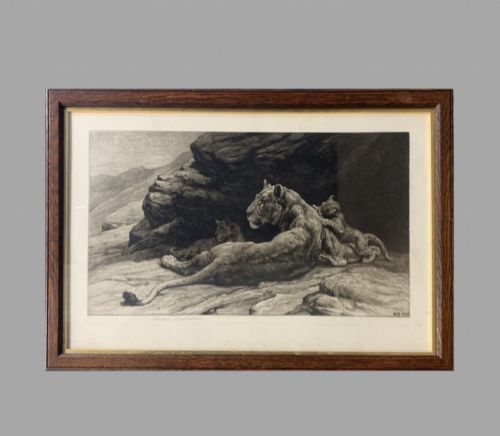
Oak Framed Artwork
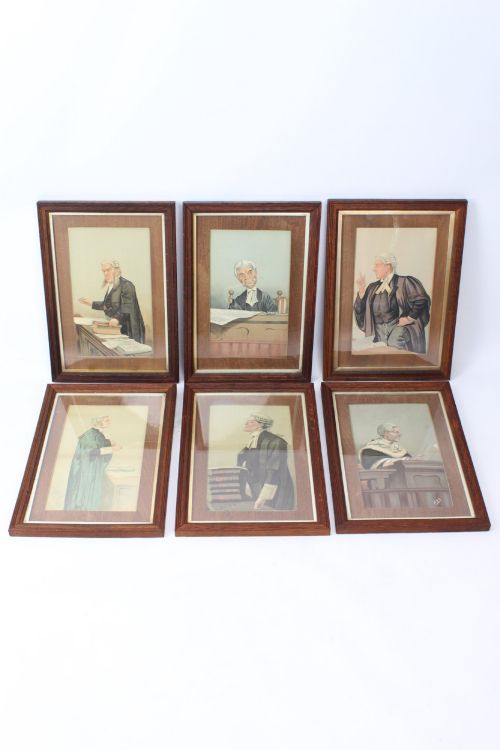
Oak framed artwork brings together historic paintings, watercolours, and prints housed in robust wooden surrounds.
Oak Framed Artwork
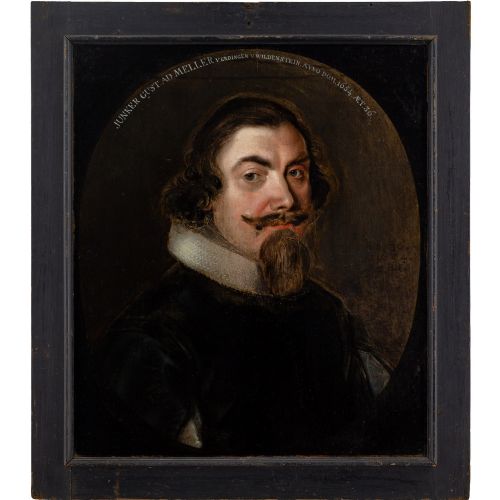
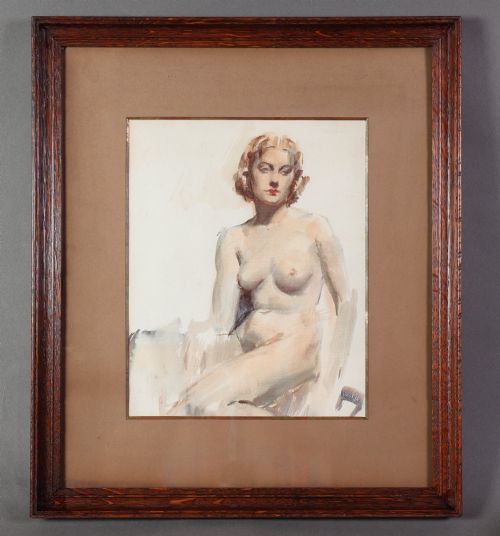
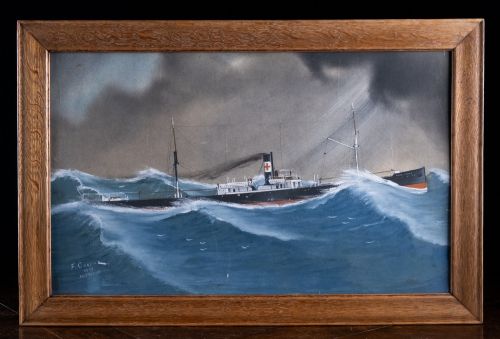
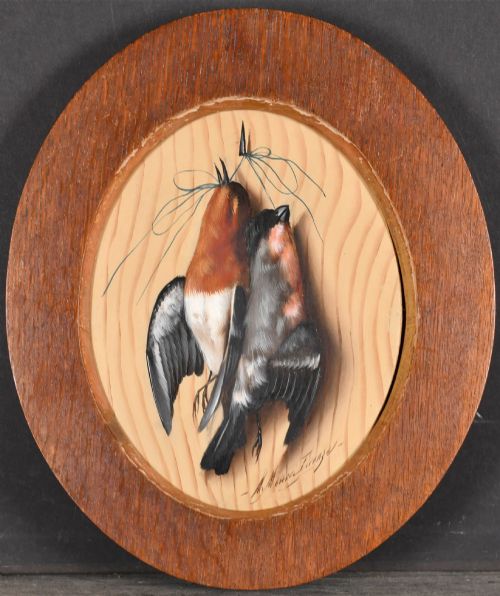
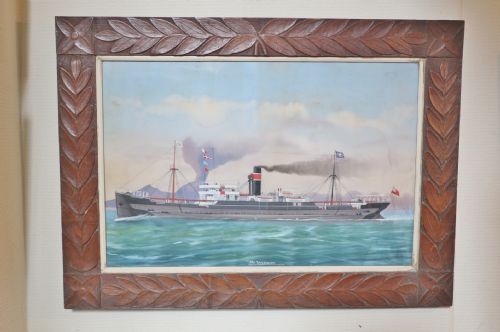
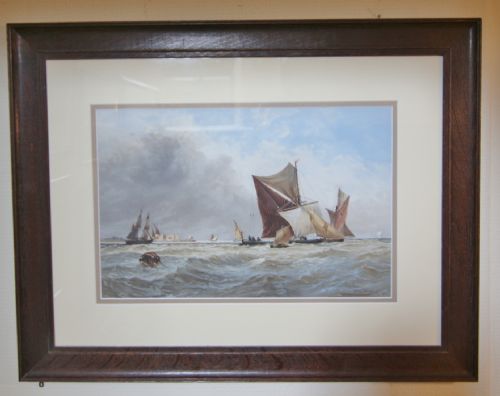
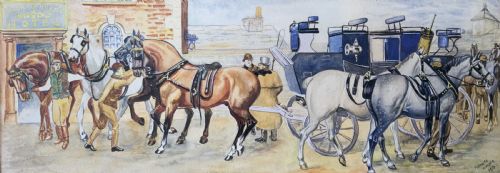
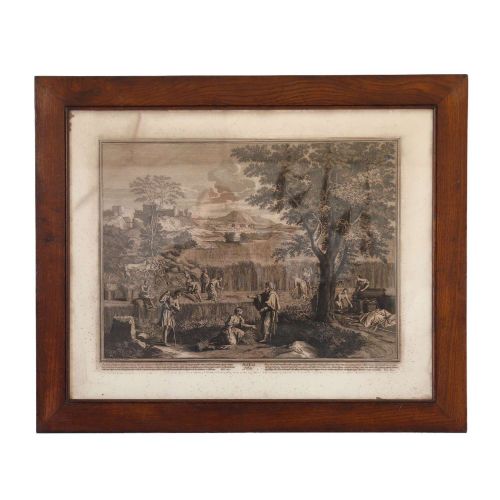
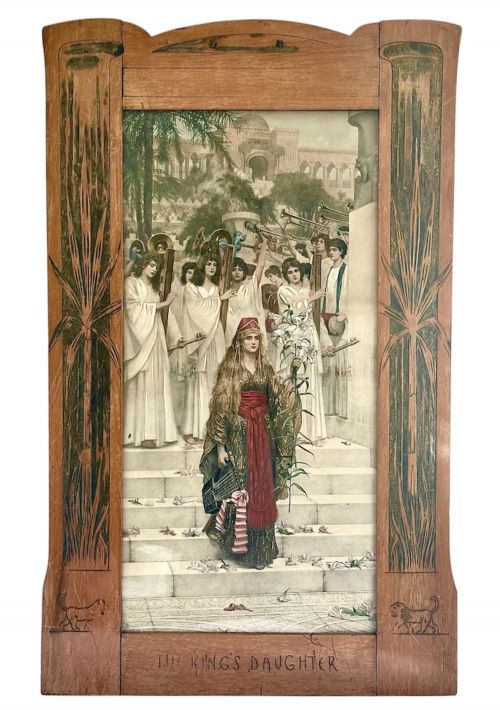
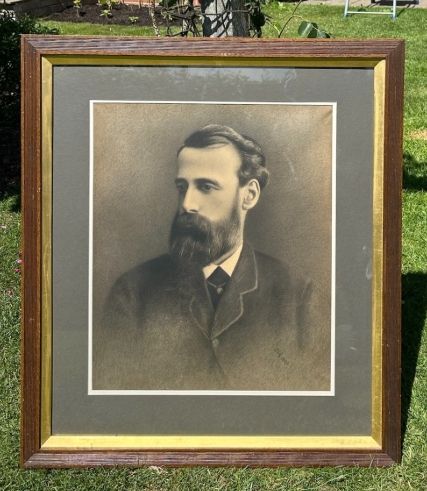
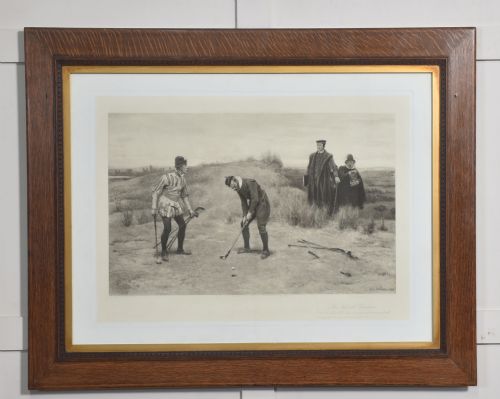
Oak framed artwork encompasses a diverse range of historic visual pieces, from oil paintings on canvas and oak panel to delicate watercolours, gouache, and engraved prints. When searching for oak framed artwork, buyers encounter works spanning from the seventeenth century through the Victorian and Edwardian eras into the mid-twentieth century.
The selection on this page relies heavily on nineteenth-century landscapes, maritime scenes, and early twentieth-century watercolours, alongside seventeenth-century portraiture and prints. These pieces generally present the original timber housing or later complementary mountings that suit the age of the image within.
Materials and Construction
Artworks in this category are rendered in oil paint, watercolour, gouache, charcoal, or ink upon supports such as canvas, paper, vellum, board, and oak panels. The surrounding frames utilise solid oak, often moulded and joined to protect the delicate media beneath glass or open to the air depending on whether the piece is a painting or a paper print.
Techniques vary from detailed oil painting and etching to loose watercolour washes and photogravure reproduction. The physical framing provides structural support and preservation for fragile surfaces created across multiple centuries.
Oak Framed Artwork Retail Price Guide 2026
Typical asking prices for oak framed artwork among the pieces listed under this phrase on Sellingantiques today, from the lower quarter to the upper quarter. They describe what is for sale here now, not the wider market.
Several pieces capture unexpected subjects, including a portrait of a monkey and a painting of a bulldog.
Assessing Quality
Quality in these pieces rests upon the execution of the artist's hand, the preservation of the medium, and the harmony between the picture and its oak housing. Works featuring clear provenance, named artists, and well-preserved pigments or ink lines sit at the higher end of the range.
The condition of both the artwork and the timber surround dictates distinction, where crisp details in etchings or confident brushwork in oil and watercolour elevate the piece well above standard decorative prints.
Frederick Marriott·Michelangelo Meucci·TB Hardy·Herbert Gustave Schmaltz·Herbert Dicksee·Henry Martin Pope·Charles Gregory·Henry Charles Fox·Harry Wanless·Charles F. Tunnicliffe
The Oak Framed Artwork Glossary
- Gouache
- An opaque water-based paint that dries to a matte finish, frequently combined with watercolour in nineteenth-century landscapes.
- Vellum
- A fine parchment prepared from calfskin, utilised for high-grade etchings and special prints.
- Photogravure
- A printmaking process that produces a photographic image on a copper plate, capturing tonal details found in early twentieth-century works.
- Panel
- A solid wooden support, often oak in older European paintings, used before canvas became the dominant medium.
- Etching
- A printmaking technique where lines are incised into a metal plate with acid before being transferred to paper.
Oak Framed Artwork: Frequently Asked Questions
How do I date an oak framed artwork?
Dating relies upon the style of the imagery, the artist's active period, and the construction methods of the timber frame. Supporting materials like old backing paper or inscriptions also offer chronological clues.
Examining the pigments used and the type of paper or canvas helps narrow down the exact decade of creation.
Are these frames original to the pieces?
Some pieces retain their original period oak frames, while others have been paired with complementary antique timber surrounds over time. The fit and wear usually indicate whether the framing happened concurrently with the creation of the art.
Framing styles often match the era of the work, even if applied later by subsequent collectors.
How should I care for historic watercolours and oil paintings?
Historic works require stable environmental conditions away from direct sunlight and excessive humidity to protect fragile pigments and paper. Maintaining consistent indoor temperatures prevents the oak wood from warping and protects canvas or panels from cracking.
Glazed pieces should remain sealed to keep dust and moisture away from delicate watercolours and drawings.
What is the difference between an etching and an engraving?
An etching uses acid to bite lines into a metal plate, creating softer and more fluid strokes favoured by artists. An engraving relies strictly on manual cutting tools to carve lines directly into the surface.
Both methods produce crisp black and white prints that were frequently framed in wood during the nineteenth and twentieth centuries.