

Antique Officer Portrait
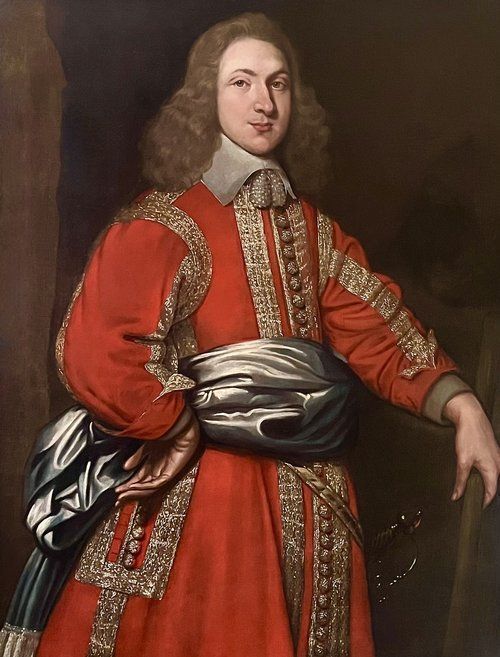
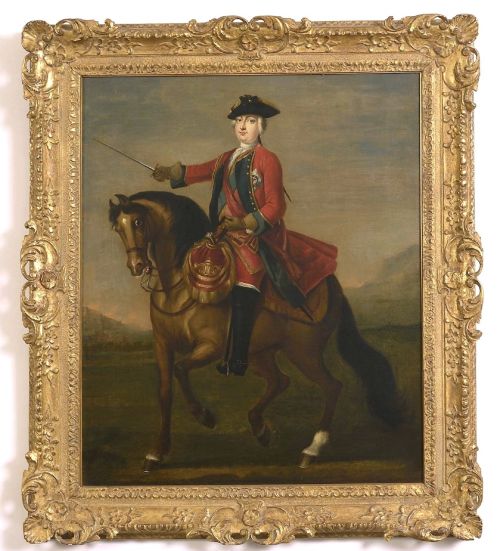
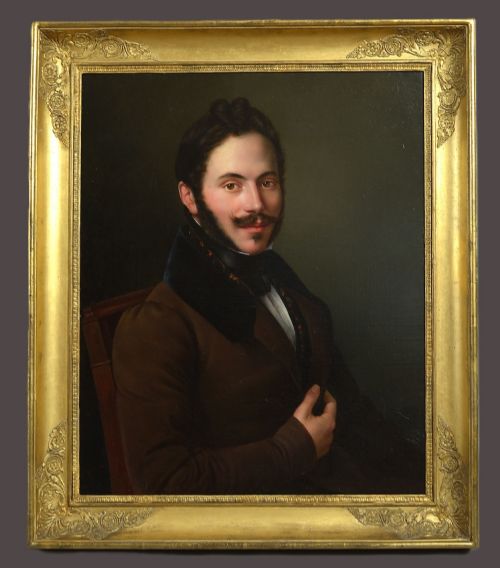
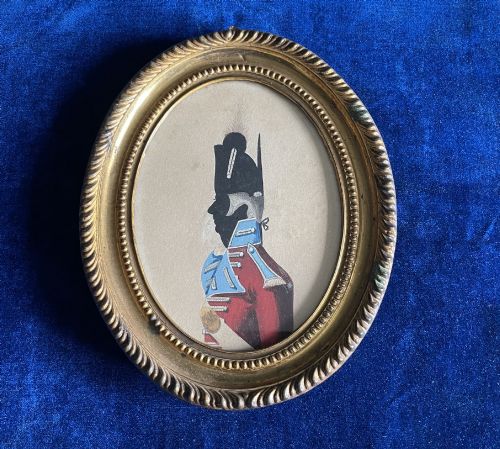
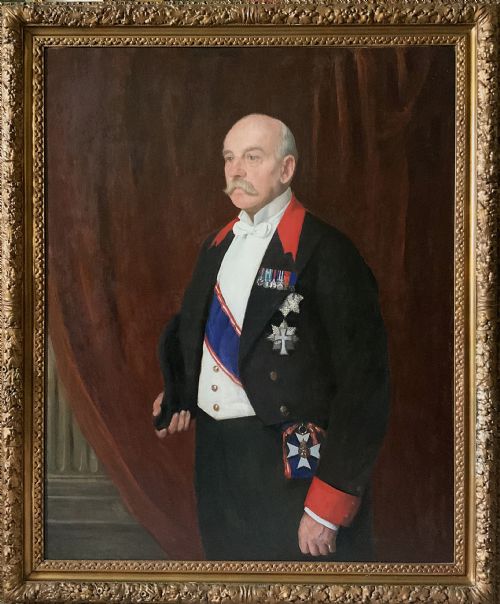
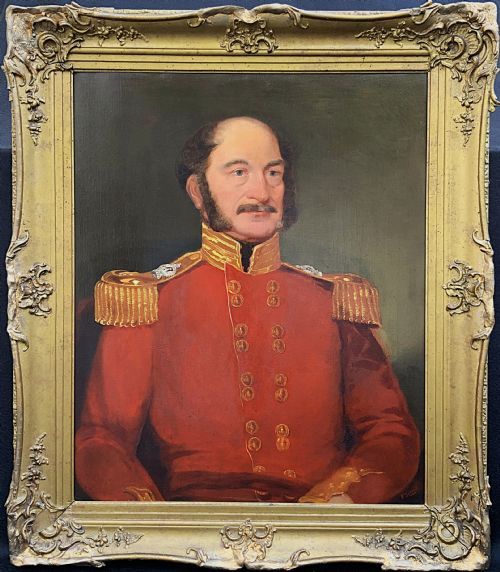
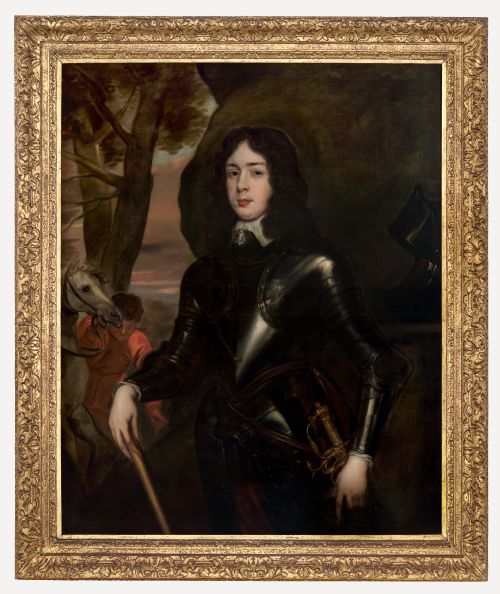
These antique officer portrait pieces capture military commanders and servicemen in oil, watercolour, and miniature, offering a direct window into historical military service.
Understanding the antique officer portrait
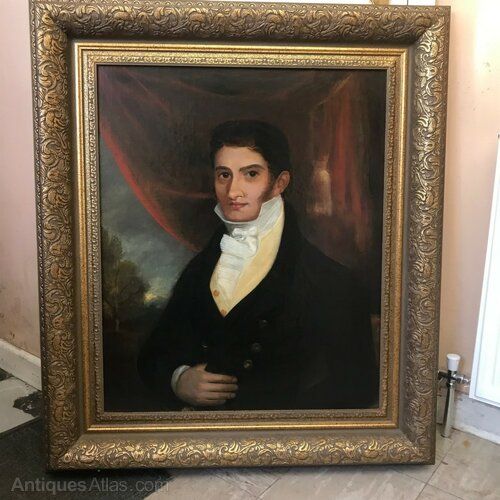
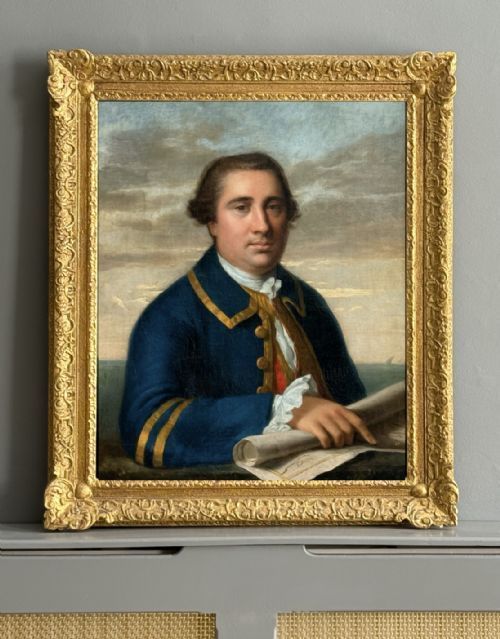
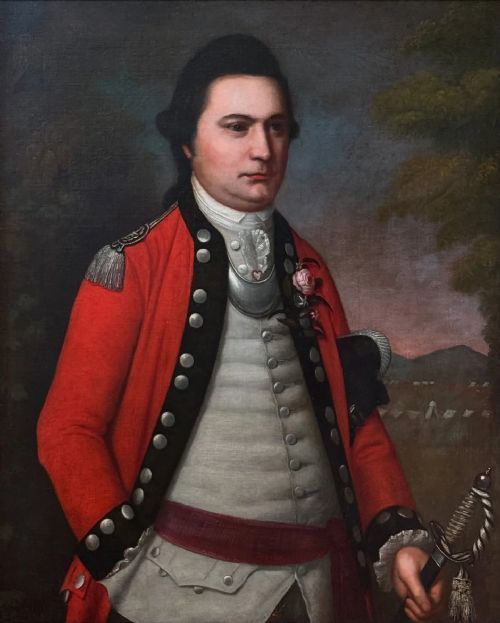
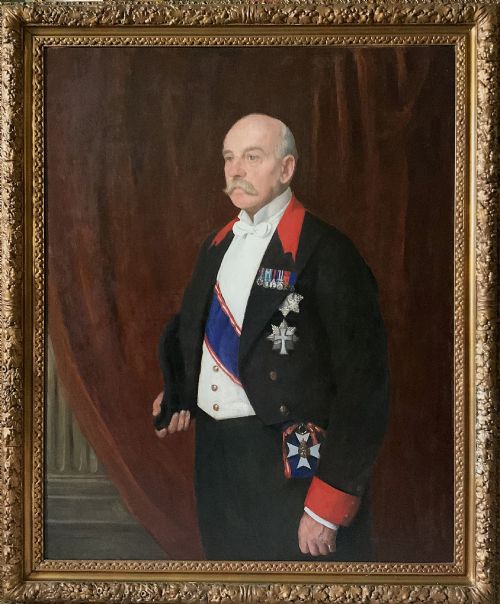
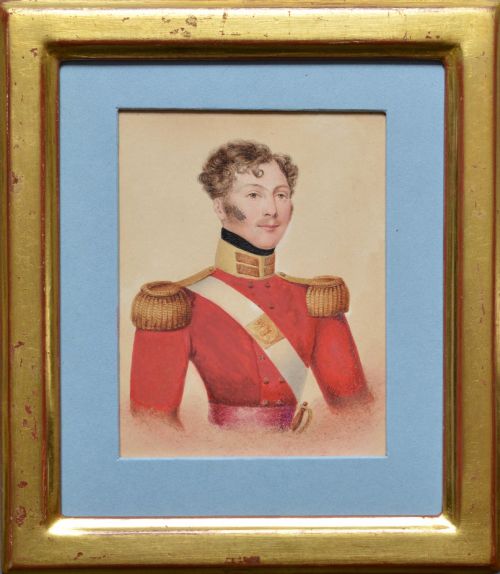
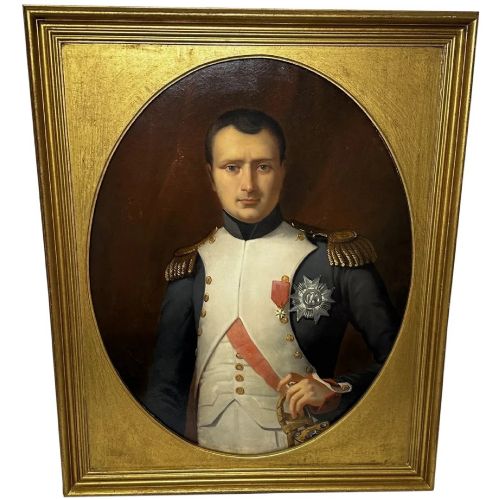
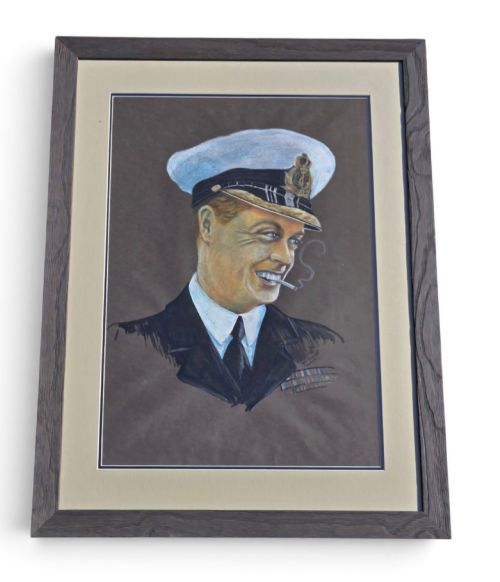
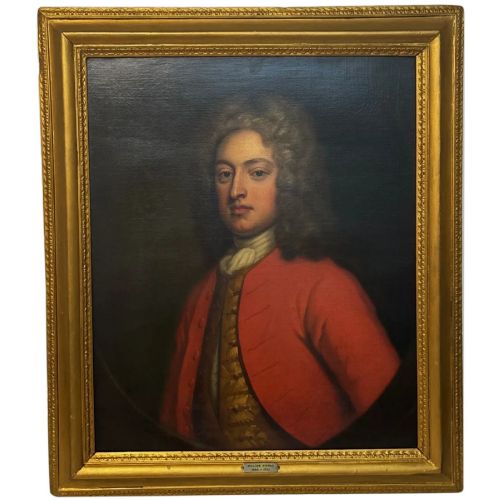
When searching for an antique officer portrait, buyers encounter oil paintings, watercolours, and portrait miniatures depicting military figures from the eighteenth, nineteenth, and twentieth centuries. These works range from large-scale canvases showing generals and commanders to smaller watercolours and pastels depicting junior officers and naval personnel.
The pieces on this page span the Georgian, Regency, Edwardian, and nineteenth-century realism styles, reflecting the changing artistic approaches to military portraiture over the centuries. Subjects include named figures such as William Augustus, Duke of Cumberland, Major-General Sir Stanley Clarke, and Field Marshal Sir Samuel Hulse, alongside anonymous officers.
Earlier works from the eighteenth and early nineteenth centuries often present subjects in formal military attire with specific campaign references, while later pieces capture the individual character of the sitter through realistic portraiture. Collectors find examples originating from British and European schools, including works attributed to specific artists and circles.
Materials and construction
These works are executed primarily using oil paint on canvas, alongside watercolours and pastels on paper or card, with portrait miniatures occasionally utilising ivory. Canvases are stretched over wooden frames, and many are housed in their original giltwood or gilded wood frames under glass.
Artists employed traditional painting techniques of layering oil pigments to build depth in uniforms, flesh tones, and background details. Watercolour and pastel works utilise fine pigments on delicate supports, capturing the fine details of military lace, medals, and braided uniforms.
Retail Price Guide 2026
Typical UK retail prices for officer portrait, calculated from the Sellingantiques database of over a million retail prices indexed since 2003. This retail price guide relies exclusively on Sellingantiques data; no external sources or auction records are used, so the figures do not describe the wider market.
One recorded officer shares canvas space with an anchor, a ceremonial langdebeve, and a very serious expression.
Assessing quality in military portraiture
The distinction between standard works and exceptional examples lies in the skill of the brushwork and the psychological depth of the sitter's face. Superior pieces capture the precise details of regimental uniforms, medals, and facial expressions with confident, fluid strokes rather than stiff uniformity.
The condition of the canvas, the preservation of the original pigments, and the presence of a period-correct giltwood frame contribute significantly to the standing of a piece. Works associated with known artists or schools naturally command greater attention from serious collectors.
John Wootton·Thomas Hudson·Gerrit Schipper·George Bonavia·Sir William Beechey·Howard Carter·William Carter·Henry Keyworth Raine
The Antique Officer Portrait Glossary
- Oil on Canvas
- Pigments suspended in a drying oil applied to a woven fabric stretched across a wooden frame. This medium allowed artists to achieve rich colour depth and durability.
- Portrait Miniature
- A small, highly detailed painting, often executed on ivory, vellum, or prepared card. These intimate pieces were frequently carried or worn by family members.
- Giltwood
- Wood, typically carved timber, that has been coated with a thin layer of gold leaf or powder. It forms the decorative framing characteristic of period artworks.
- Watercolour
- A painting method where natural pigments are suspended in a water-based solution and applied to paper. It offers transparency and delicate tonal gradations.
- Realism
- An artistic movement focusing on the everyday, unidealised depiction of subjects. In military portraiture, this approach prioritises authentic character over formal flattery.
Frequently Asked Questions
How do I identify the rank of an officer?
Uniform details such as epaulettes, collar insignia, and braided cuffs typically indicate the rank and regiment of the sitter. Researching the specific military history of the period helps clarify these distinctions.
Contemporaneous records and campaign histories associated with named individuals further illuminate their military standing.
Are these portraits usually painted from life?
Many formal portraits were commissioned and painted from live sittings, particularly for high-ranking generals and commanders. Other works, especially posthumous pieces or battle scenes, were produced using earlier studies or prints.
The brushwork and immediacy of expression often provide clues to whether the artist worked directly with the sitter.
How should I care for an oil portrait?
Display paintings away from direct sunlight and steady temperature fluctuations to protect the canvas and pigments. Avoid using chemical cleaners on the painted surface or the giltwood frame.
Light dusting with a soft, dry brush is generally sufficient for routine maintenance of the canvas.
What frames are original to these paintings?
Period frames are typically constructed of carved wood finished with gilt leaf, matching the aesthetic of the painting's era. Subtle signs of age on the gilding and backing help confirm the association between frame and canvas.
Many works retain their nineteenth or eighteenth-century frames, which form an integral part of the piece's history.