



Georgian Pastel Portrait
A georgian pastel portrait brings the texture and colour of the eighteenth century directly onto a wall, prized for delicate chalk work.
What They Are
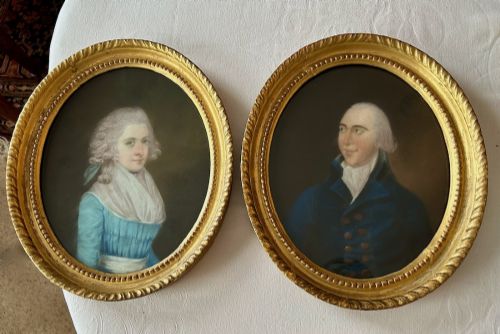
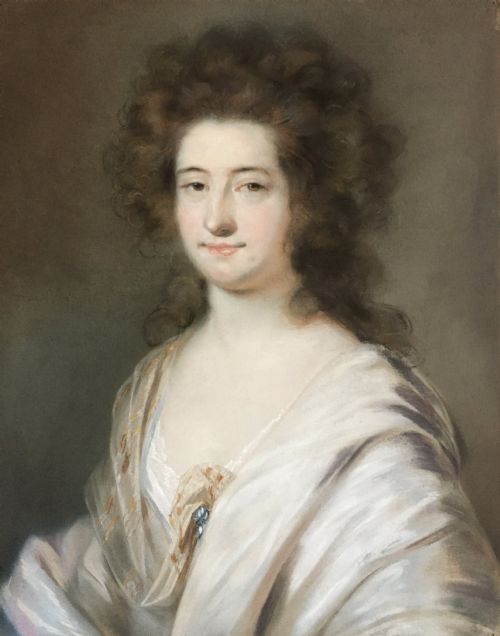
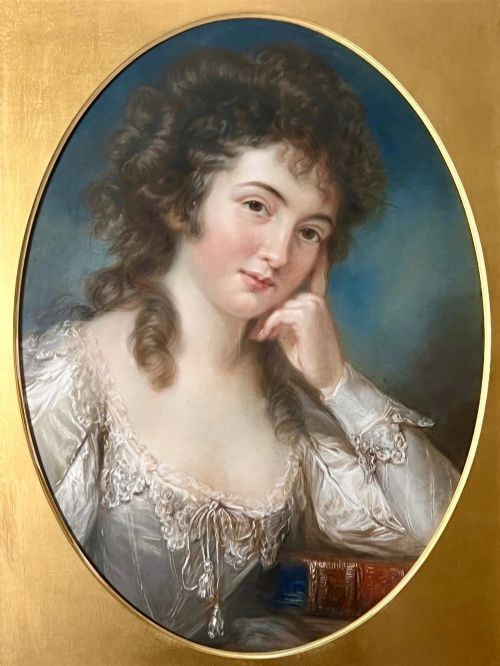
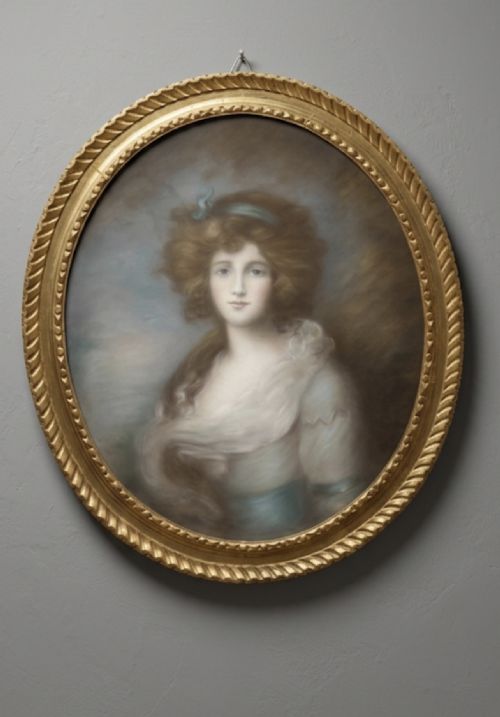
A georgian pastel portrait captures sitters from the eighteenth and early nineteenth centuries, ranging from young ladies and gentlemen to children and military figures. These works appear as framed wall art in fine art categories, often housed in original giltwood frames that complete the period appearance.
The subjects include specific named sitters alongside anonymous studies, rendered on paper or cut paper. While many pieces date squarely within the eighteenth century and the Georgian era, examples also stretch into the nineteenth century and around the year eighteen hundred.
How They Were Made
Finished works received protection beneath glass, mounted within wooden or giltwood frames finished with gold leaf. This framing preserved the fragile chalk surfaces from disturbance over the centuries.
Retail Price Guide 2026
Typical UK retail prices for georgian pastel portrait, calculated from the Sellingantiques database of over a million retail prices indexed since 2003. This retail price guide relies exclusively on Sellingantiques data; no external sources or auction records are used, so the figures do not describe the wider market.
Listings feature works spanning the eighteenth century through to the nineteenth century, utilising pastel on paper alongside cut paper.
What Varies in Quality
The distinction between ordinary and exceptional works rests upon the precision of the draughtsmanship and the psychological capture of the sitter. Named artists such as John Russell or Gerrit Schipper bring established skill in anatomy and expression that elevates a piece above anonymous studio output.
Survival of the original components contributes to distinction, particularly the retention of period giltwood frames and undamaged glass. The purity of the pastel surface, free from heavy fading or pigment loss, dictates the visual strength of the portrait.
John Russell R.A.·John Raphael Smith·Nathaniel Bermingham·Gerrit Schipper
The Georgian Pastel Portrait Glossary
- Pastel
- A dry painting medium consisting of powdered pigment combined with a binder, formed into sticks for drawing. It creates a velvety, matte finish.
- Giltwood
- Wood carved and coated with gold leaf or metallic paint. This finish defines the ornate frames typical of the period.
- Gouache
- An opaque water-based paint used alongside pastel for denser highlights and solid colour passages. It adds opacity where chalk remains translucent.
- Cut paper
- Paper shaped with scissors or a knife to create silhouettes or layered profiles. This technique appears in specialised eighteenth-century portraiture.
Frequently Asked Questions
How should I hang a pastel portrait?
Hang these works away from direct sunlight to prevent the chalk pigments from fading over time. Stable indoor humidity protects the fragile paper support beneath the glass.
Ensure the frame hangs securely on sturdy fixings, as many pieces retain heavy wooden and giltwood structures from the period.
Are these portraits always framed in wood?
Most examples appear in wooden frames finished with gold leaf, often featuring original giltwood construction that matches the age of the artwork. Glass protects the delicate pastel surface from physical contact and atmospheric dust.
Some pieces utilise specialised formats like cut paper profiles rather than traditional heavy frames.
Who painted these portraits?
The works originate from period artists and painters working in the eighteenth and nineteenth centuries, including named figures like John Russell and Gerrit Schipper. Other pieces come from anonymous hands or studio practices of the Georgian era.
Signatures or contemporary documentation on the reverse sometimes identify the creator or the sitter.
What subjects appear in these works?
Sitters include gentlemen, ladies in period dress holding items like feathered hats, children, and military officers such as General Sir James Henry Craig. Both formal commissioned likenesses and informal studies of sitters seated by windows appear in the records.
Individual portraits predominate, though paired studies of young ladies also exist within the group.