


Classical Female Oil Painting
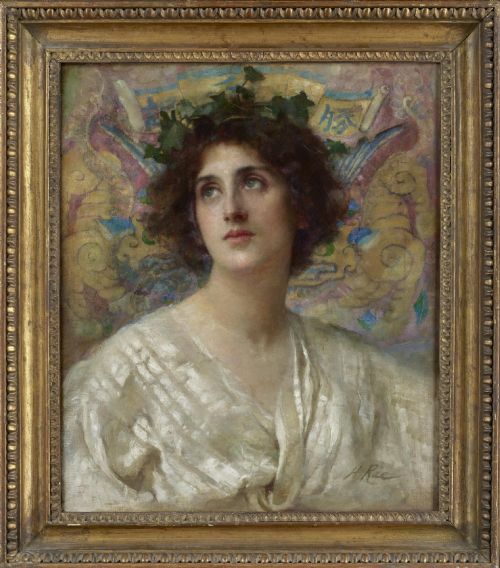
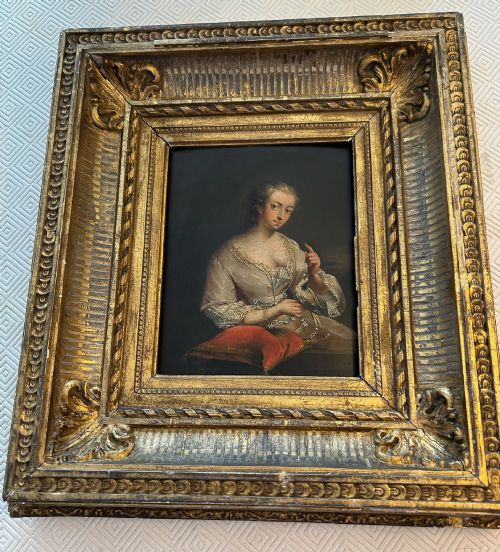
These pieces of classical female oil painting bring centuries of portraiture and mythological study into rooms through canvas and oil paint.
Classical Female Oil Painting
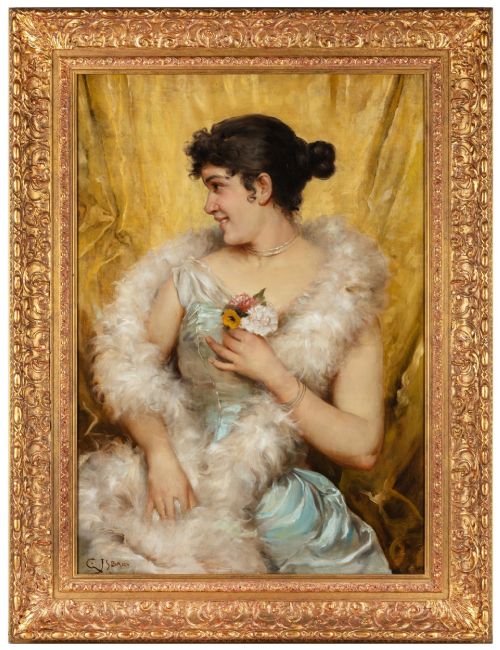
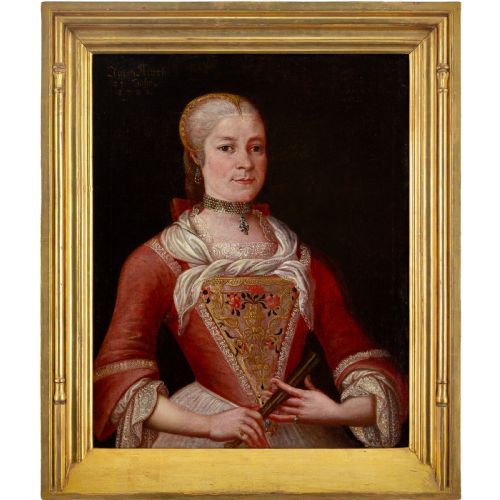
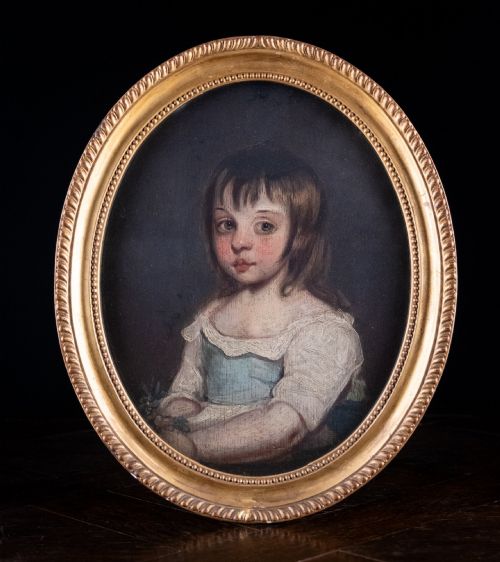
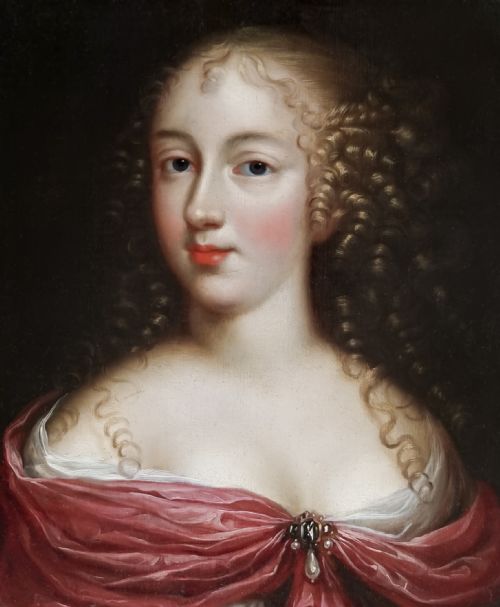
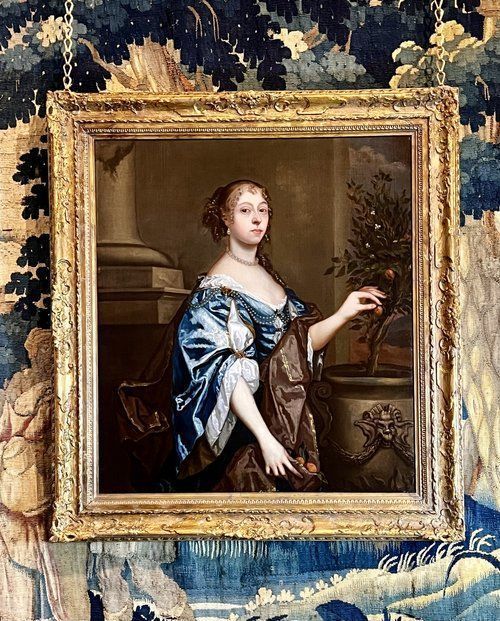
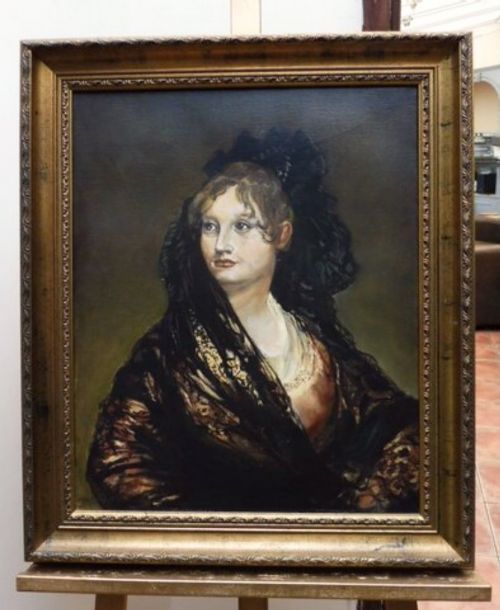
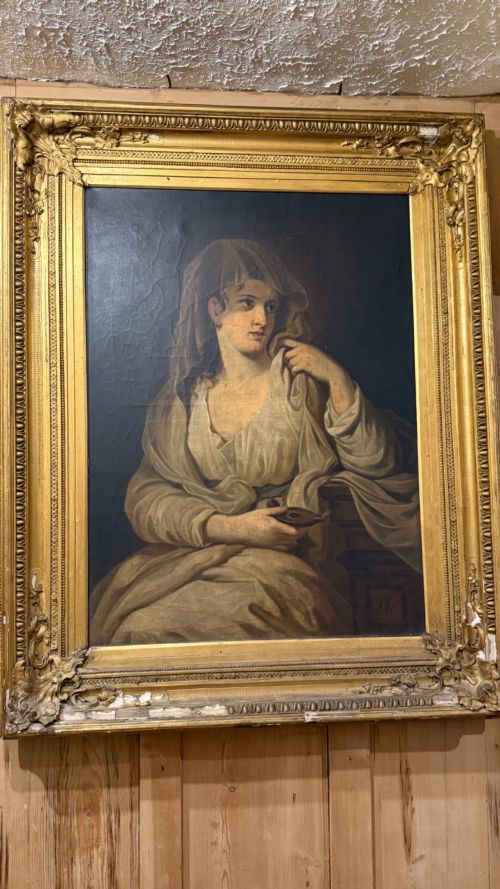
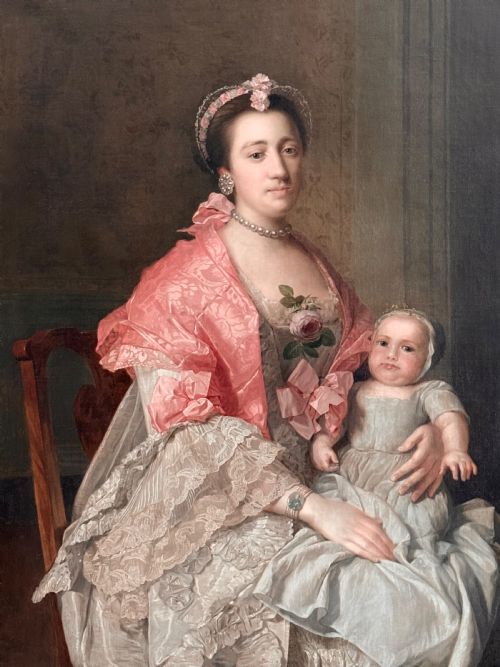
A classical female oil painting captures women through portraiture, historical narratives and mythological subjects executed in oil paint. These works span the seventeenth, eighteenth and nineteenth centuries, taking the form of framed canvas and panel paintings.
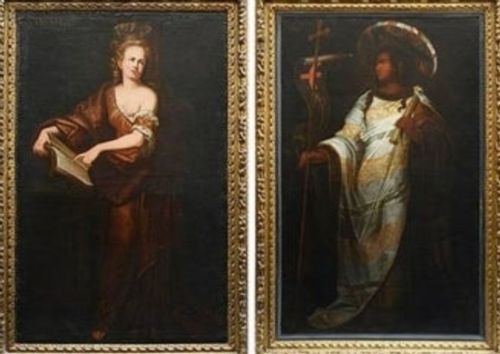
The selection here relies heavily on portraits of ladies, country girls and mythological figures such as sibyls, goddesses and nymphs. Such pieces derive from European schools including British, French, Italian, Spanish and Bavarian traditions.
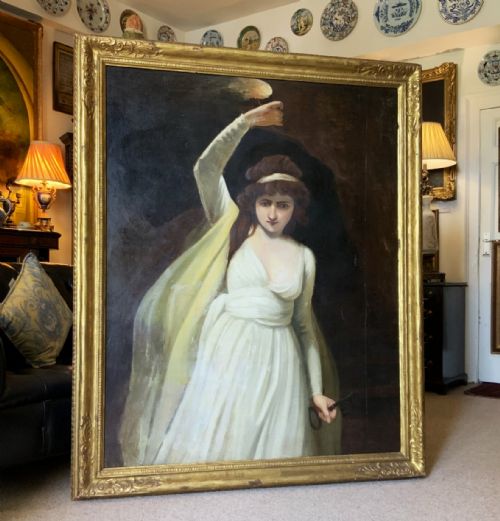
Most entries belong to the nineteenth and eighteenth centuries, often presenting works created in the manner of or following notable historical masters. Buyers encounter both intimate head and shoulders studies and large scale gallery canvases framed in gilt wood.
How They Were Made
Artists built these works using oil paint applied to stretched canvas, wooden panels or occasionally board supports. Brushwork ranges from tight, academic precision in skin tones to looser, expressive handling in drapery and background foliage.
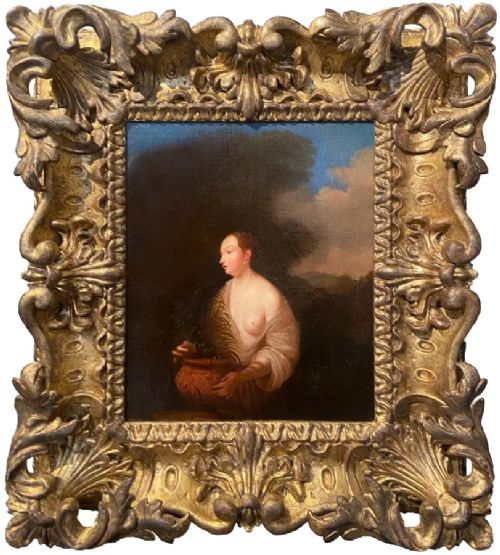
Frames form an integral part of the construction, predominantly utilising carved wood finished with gold leaf, giltwood or gilded wood. These frames provide structural support and historical context, frequently matching the period of the canvas within.
Listings feature works rendered in oil on canvas, oil on board and oil on panel, housed within decorative giltwood frames.
What Varies in Quality
The degree of anatomical mastery and the subtlety of facial expression distinguish superior examples from standard workshop output. Skilled rendering of light on skin, textiles and hair separates master hand work from repetitive studio production.
The preservation of the paint surface and the originality of the stretcher and gilt frame determine the integrity of the piece. Untouched canvases with stable pigment layers carry greater aesthetic weight than heavily restored surfaces.
G. J. S. Bary·Pierre Mignard·Pieter Borsseler·Francisco Jose de Goya y Lucientes·Sir Allan Ramsay·Robert Byng·John Opie·Toussaint Gelton·Henrietta Rae·Jean Baptiste Greuze·Jean Baptiste van Loo·Allan Douglas Davidson·Thomas Edward Roberts·Nicolas Fouche·Jean Marc Nattier·Thomas Gainsborough·Van Dyck·Fernand Jean Barbier·William Edward Frost·Sir Thomas Lawrence·Guido Reni·William Joseph Carroll
The Classical Female Oil Painting Glossary
- Oil on Canvas
- A painting technique where pigmented oil paint is applied to a woven fabric support stretched across a wooden frame. This combination became the primary medium for European fine art from the Renaissance onward.
- Giltwood
- Wood that has been coated with a thin layer of gold leaf or gold powder over a prepared gesso ground. This material defines the ornate frames associated with classical portraiture.
- Neoclassical
- A Western cultural movement drawing on the art of classical antiquity that influenced portraiture and narrative painting through balanced composition and dignified restraint. Figures from mythology frequently populate works of this character.
- Circle of
- A term used to describe an artist working during the same period and within the close stylistic orbit of a known master, without necessarily being a direct pupil. Such works share techniques and palette choices with the principal painter.
- Panel Painting
- A flat piece of wood used as a rigid support for oil paint prior to the widespread adoption of canvas. Panels provide a stable surface that allows for high detail in early portraits.
Classical Female Oil Painting: Frequently Asked Questions
What periods do these paintings cover?
The listings span from the seventeenth century through the eighteenth and nineteenth centuries into the early twentieth century. This timeline covers seventeenth-century panel portraits and nineteenth-century academic canvases.
Buyers encounter works from the Georgian, Regency, Victorian and Baroque eras. Each period brings distinct clothing styles and painterly approaches to the depiction of women.
How should I hang a large oil painting?
Large canvases require secure wall anchors fixed into structural studs or masonry to support the combined weight of the heavy timber and giltwood frames. Professional hanging hardware distributed across two points ensures the frame stays level.
Position the centre of the canvas at eye level and avoid placing oil paintings in direct sunlight or above active heat sources. Stable indoor humidity prevents the canvas and wooden stretcher from warping over time.
What is the difference between an original and an after work?
An original painting represents an artist's direct composition from life or imagination. An after work denotes a later artist's study or copy of a famous historical painting.
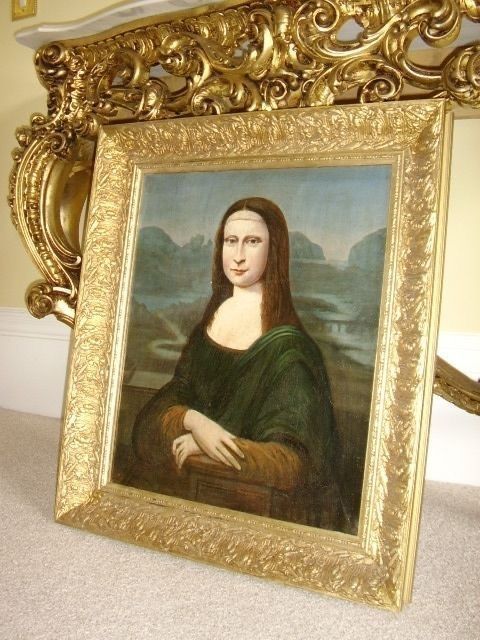
Many high-quality nineteenth-century pieces are period copies or homage works executed after masters like Gainsborough or Leonardo da Vinci. These hold their own historical interest and decorative value.
How do I identify mythological subjects?
Mythological subjects appear with specific attributes, such as flora for spring goddesses, lutes for muses, or specific companion animals and classical drapery. Titles often reference figures like Nereids, sibyls or specific historical alter egos.
Artists during the eighteenth and nineteenth centuries frequently painted portraits of real women dressed allegorically as classical deities. This blend of portraiture and mythology signals academic ambition.