



17th Century Aristocratic Portrait
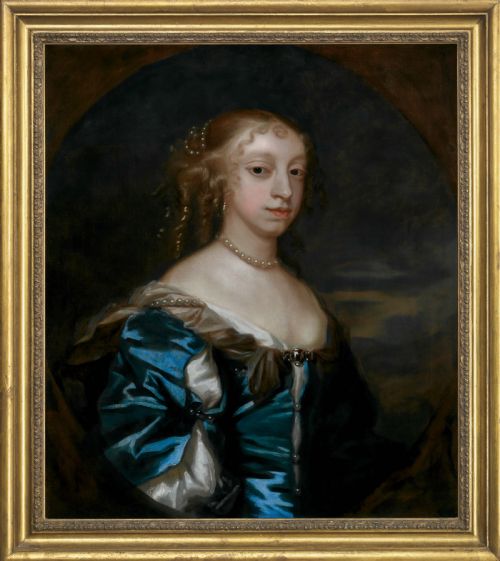
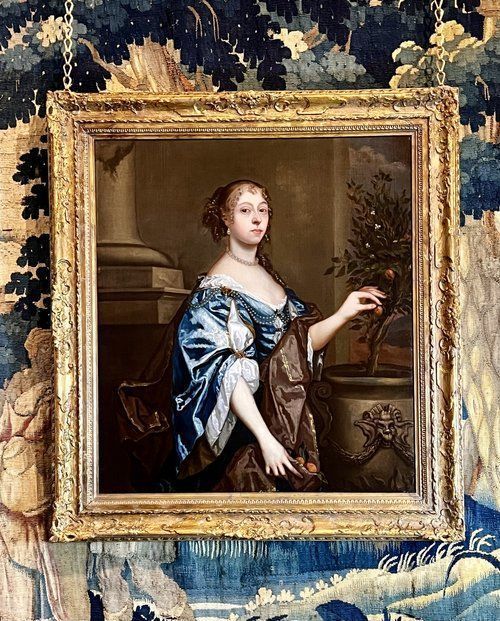
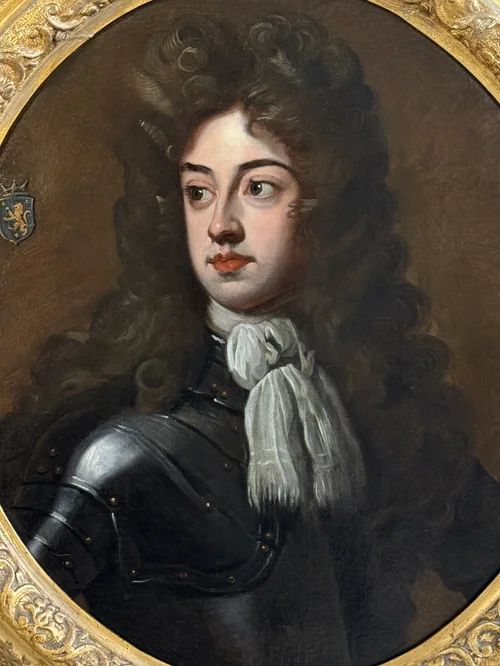
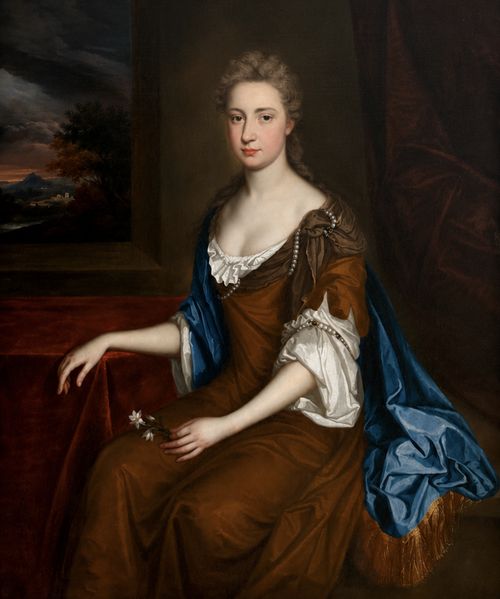
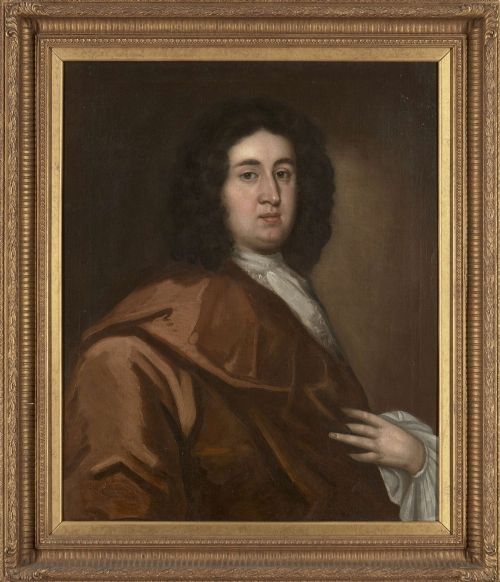
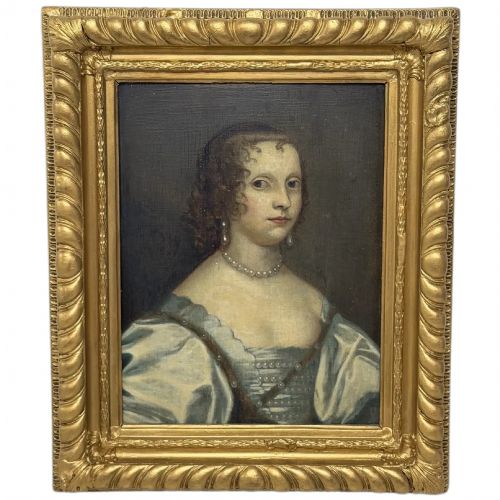
These 17th century aristocratic portrait works capture the likenesses of nobles, courtiers and monarchs through oil on canvas and panel.
17th Century Aristocratic Portrait
A 17th century aristocratic portrait depicts figures of high social rank, often identified by names, titles or family lineages linked to the British and Dutch spheres. Buyers seek these works for their historical presence and the formal dignity inherent in seventeenth-century representation.
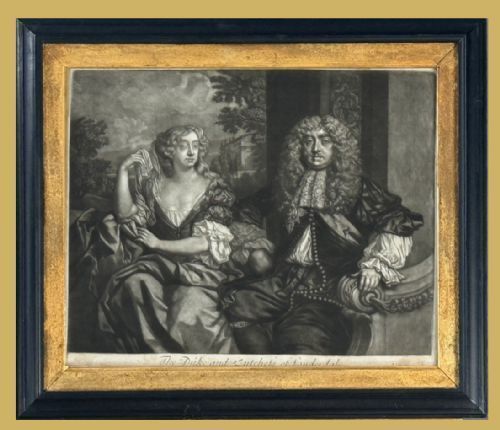
The selections available here range from oils on canvas and oak panel to later mezzotint prints and watercolours. Oil paintings dominate the offerings, spanning the Stuart, Baroque and Dutch Golden Age periods alongside occasional twentieth-century revival interpretations.
Subjects appear in formal attire, sometimes adorned with pearls, satin sleeves, cloaks or garter robes, reflecting the status of the sitter. Works link to studios, circles or the hands of named masters active during the seventeenth and early eighteenth centuries.
Materials and Technique
Artists built these images primarily using oil paint applied to woven canvas supports or prepared oak panels. Painters layered pigments to render fabrics such as silk and satin, alongside details like lace collars and natural backgrounds.
Framing often involves giltwood and gilt wood mouldings, providing a reflective boundary that complements the dark, rich palettes typical of the period. Print makers utilised the mezzotint technique on paper to reproduce painted likenesses for wider circulation.
Evaluating the Range
Quality separates studio output and circle pieces from works bearing the direct hand of a primary master. Master painters achieved superior anatomical precision, lifelike skin tones and convincing drapery fall compared to provincial or studio hands.
The condition of the original canvas, the stability of the oil paint layer and the presence of period-appropriate giltwood frames influence the integrity of a piece. Finer works retain the depth of shadow and luminosity intended by the seventeenth-century painter.
Sir Godfrey Kneller·Sir Peter Lely·Pieter Nason·John Michael Wright·Pieter Borsseler
The 17th Century Aristocratic Portrait Glossary
- Oil on canvas
- A painting technique where oil-based pigments are applied to a stretched woven fabric support. This method allowed artists to achieve rich colour saturation and subtle tonal gradations.
- Oak panel
- A rigid wooden support constructed from oak boards used for early paintings. Panels provide a stable surface that predates the widespread adoption of canvas.
- Mezzotint
- A printmaking process where the copper plate is roughened to produce dark tones, then scraped to create highlights. This tonal method suited the reproduction of oil portraits.
- Giltwood
- Carved wood treated with a thin layer of gold leaf or metallic gilt. It provided ornate, reflective surrounds for formal artwork.
- Circle of
- A designation indicating an artist worked in the style and vicinity of a master, sharing workshop methods. It denotes close proximity to the named painter's technique.
- Baroque
- An artistic style characterised by drama, rich detail and grand scale. In portraiture, this translated into dynamic poses and theatrical drapery.
17th Century Aristocratic Portrait: Frequently Asked Questions
How do I identify a sitter?
Inscriptions, coats of arms, or accompanying biographical records often identify the noble subject depicted in the frame. Catalogues match these details against historical peerage and family lineages.
Matching costume elements, such as specific military regalia or court robes, also point towards the identity of the sitter and their social standing.
What is a studio piece?
A studio piece originates from the workshop of a master painter, executed by assistants or pupils under supervision. These works follow the compositional formulas established by the head of the workshop.
Such paintings allowed patrons to acquire works associated with prominent artists while varying in price and direct brushwork from the master's own hand.
Where should I hang these?
These works suit traditional reception rooms, libraries or hallways with controlled natural light away from direct heat sources. Stable humidity levels protect both the canvas support and the giltwood frame.
Pairing them with period furniture helps establish a cohesive historical interior without exposing the oil pigments to damaging ultraviolet rays.
Are prints considered authentic?
Period prints, such as seventeenth-century mezzotints, represent contemporary graphic reproductions rather than original oils. They carry their own historical significance as period printmaking achievements.
Collectors value these prints for their direct link to painted portraits by masters like Sir Peter Lely and Sir Godfrey Kneller.