

Baroque Oil Canvas Portrait
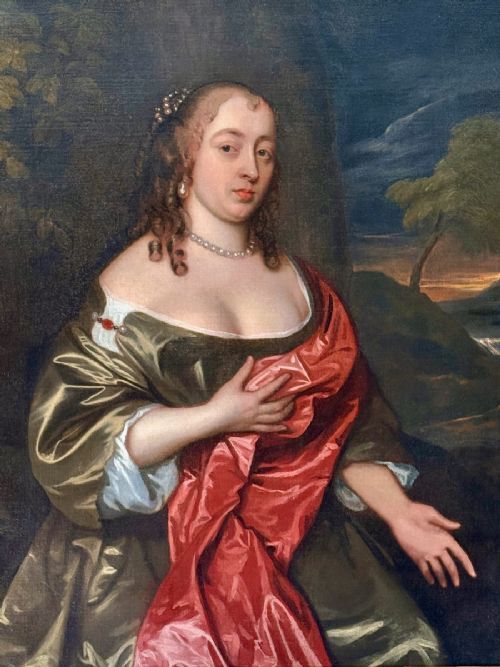
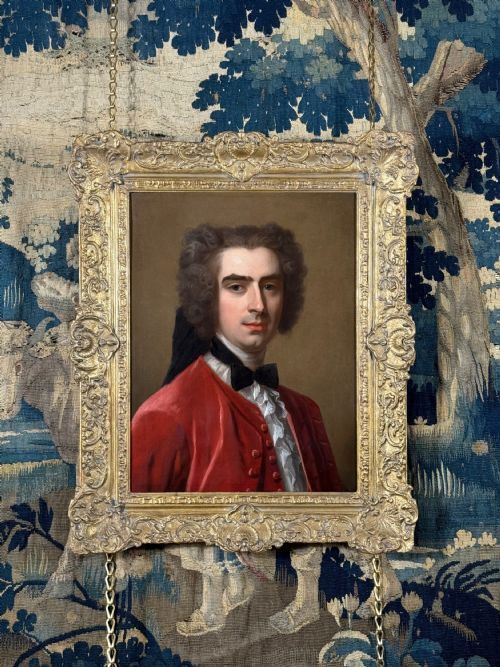
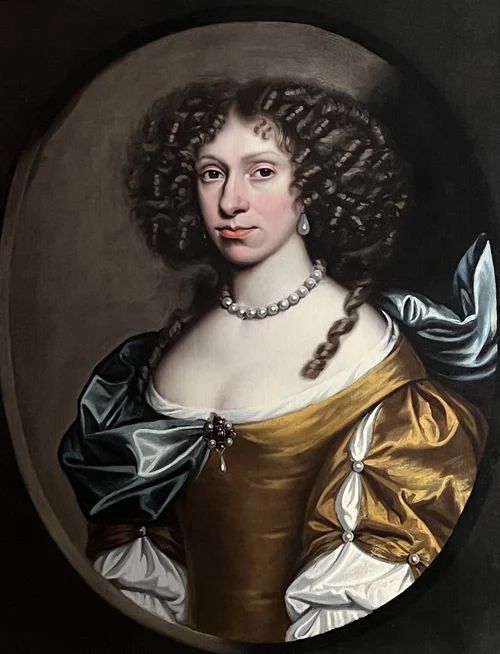
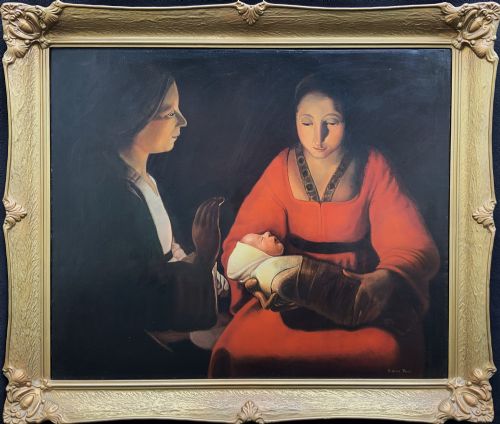
A baroque oil canvas portrait brings grand seventeenth and eighteenth century presence into a room through rich drapery, dramatic lighting and aristocratic gravity.
Baroque Oil Canvas Portrait
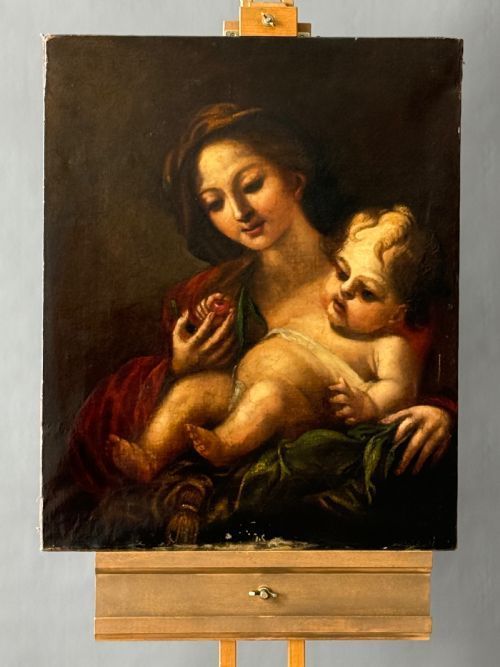
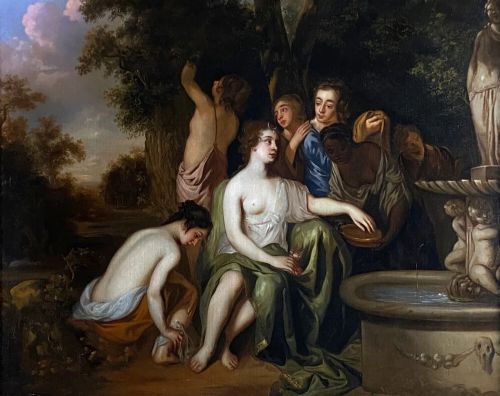
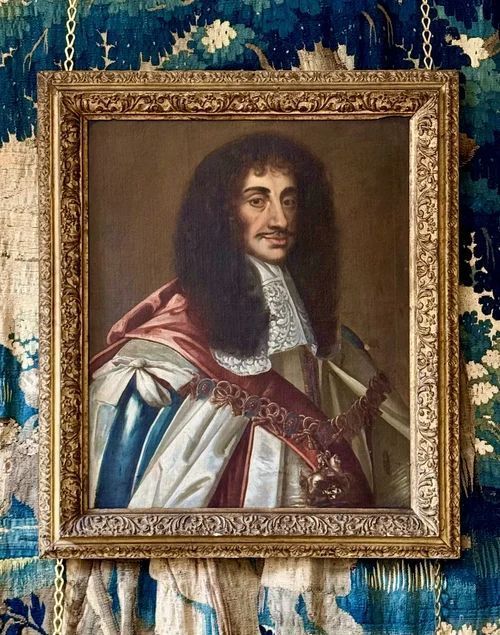
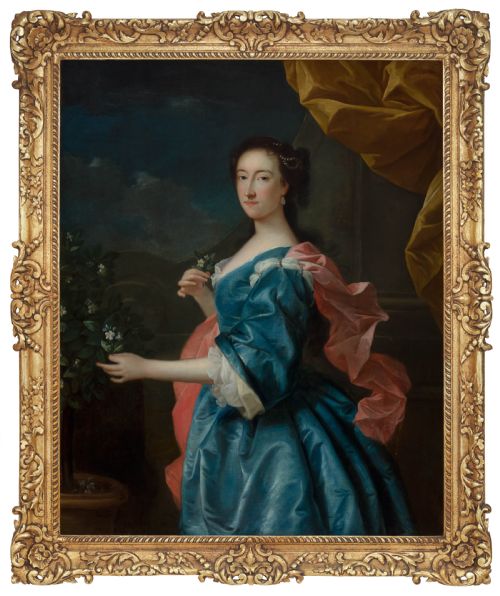
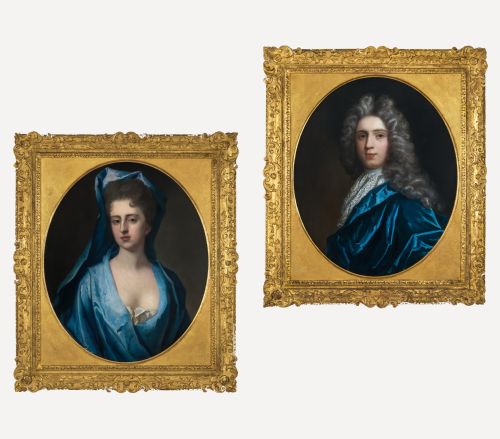
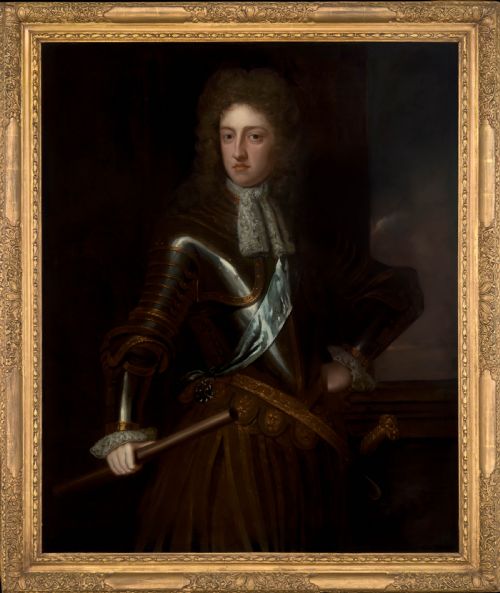
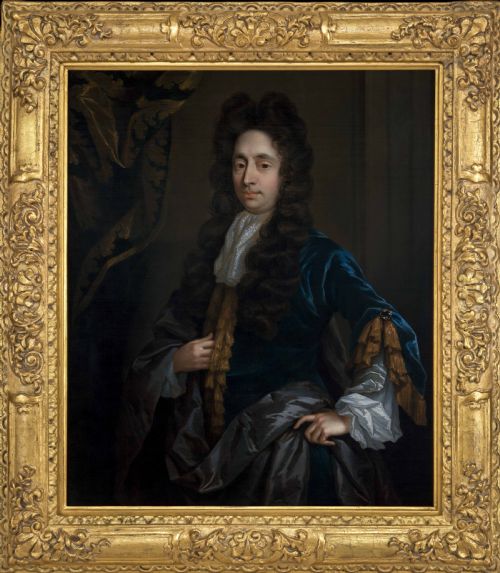
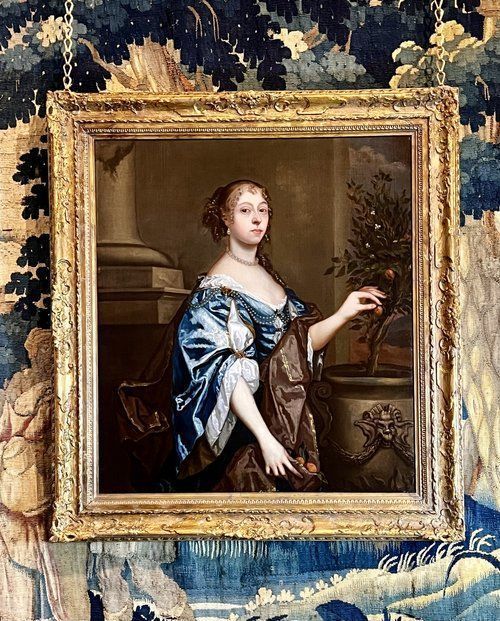
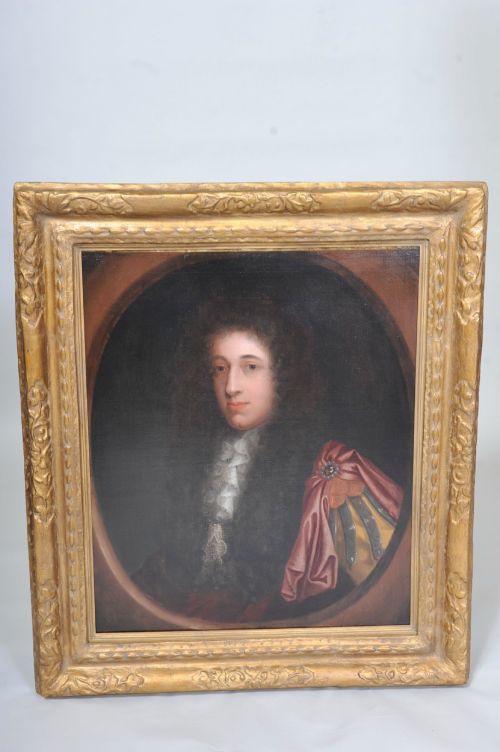
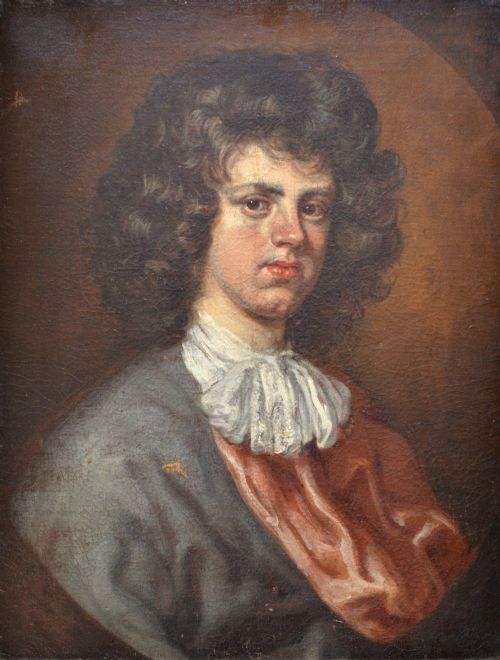
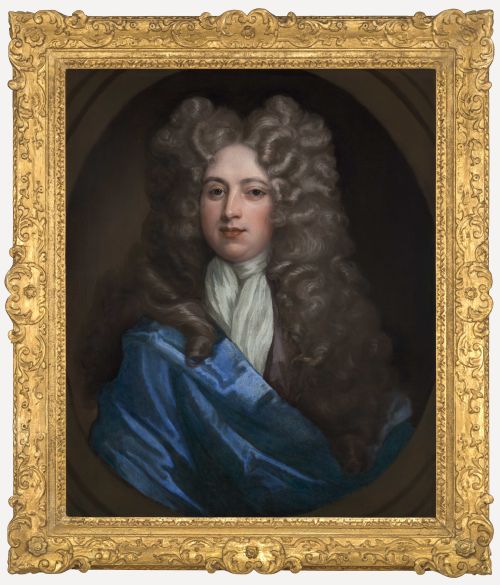
A baroque oil canvas portrait captures nobility, military officers, judges and society figures from the seventeenth and eighteenth centuries, framed by classical landscapes, heavy curtains and elaborate costume.
The selections span British, Dutch, French, German, Spanish and Italian schools, encompassing works by named masters, their studios and contemporary followers.
Subjects appear in detailed periwigs, armour, velvet coats and silk gowns, rendered through the theatrical chiaroscuro typical of the period.
Judging quality
The depth of pigment layering and the preservation of the original canvas texture determine the visual impact across the surface.
Current listings feature oil on canvas paintings spanning the seventeenth century, eighteenth century and Regency periods.
John Hayls·Jean Baptiste Van Loo·Sir Peter Lely·Sir Godfrey Kneller·John Michael Wright
The Baroque Oil Canvas Portrait Glossary
- Chiaroscuro
- Strong tonal contrast between light and dark areas to give a three-dimensional volume to figures. This technique defines the dramatic lighting found across these paintings.
- Periwig
- A bulky, elaborate artificial hair wig popular among elite men during the late seventeenth and early eighteenth centuries. These feature prominently in male portraiture of the period.
- Old Master
- A European artist of high skill working before about eighteen hundred. Many portraits on this page carry attributions to these significant historical painters.
- Giltwood
- Wood carved and covered with a thin layer of gold leaf or gold paint. Frames made this way complement the rich palettes of the canvases.
Baroque Oil Canvas Portrait: Frequently Asked Questions
How do I identify a seventeenth century portrait?
Look for specific costume clues such as lace collars, slashed sleeves, rigid bodices and heavy periwigs worn by the sitters.
Paintings from this era also rely heavily on dark, moody backgrounds paired with concentrated light on the subject's face.
Were these painted from life?
Elite subjects typically sat for the principal artist, though successful workshops produced multiple copies for family members or political allies.
Studio assistants often painted the elaborate drapery and background landscapes while the master completed the likeness.
How should I hang an old oil painting?
Keep large canvases away from direct sunlight, fireplaces and damp walls to protect both the linen support and the oil pigments.
Ensure the wall fixings safely bear the substantial weight of the canvas and its original heavy giltwood frame.
What is an attributed work?
An attribution means experts judge the canvas to be by a specific artist based on style, technique and historical context without a signed signature.
These pieces share the distinctive hand and palette of named masters working in British and continental European schools.