



Stuart Period Portraiture
Stuart period portraiture brings seventeenth-century nobility and royalty into your rooms through layered oil paint on canvas and panel.
Stuart Period Portraiture
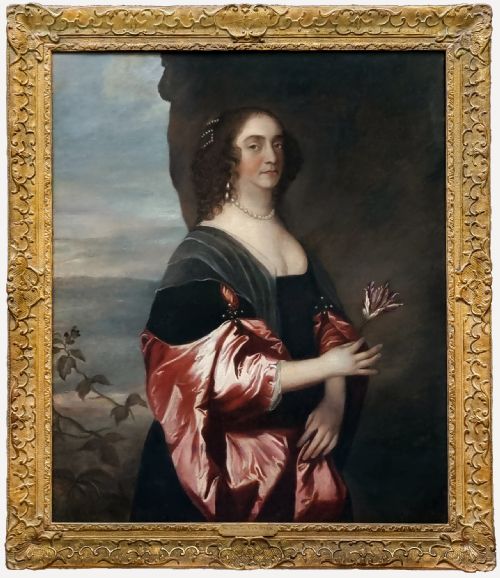
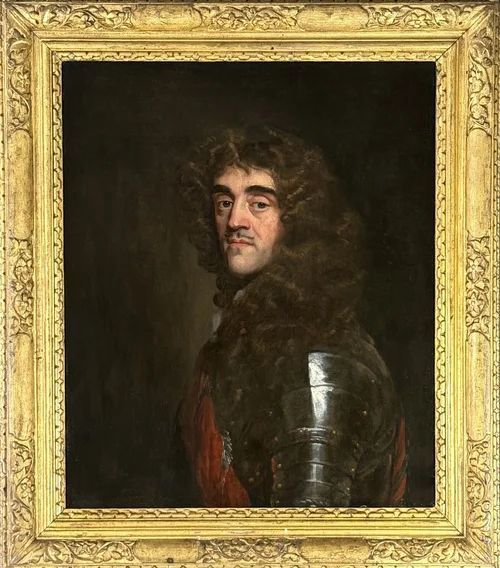
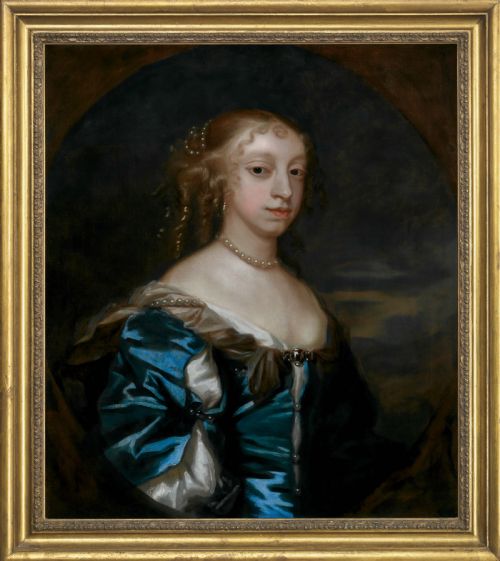
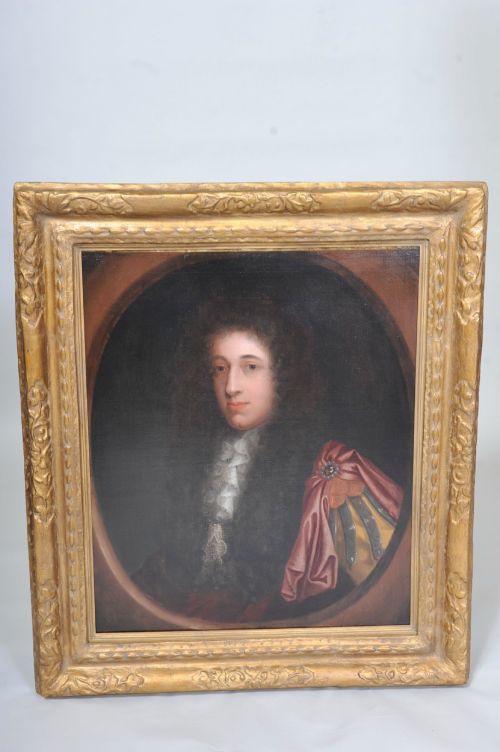
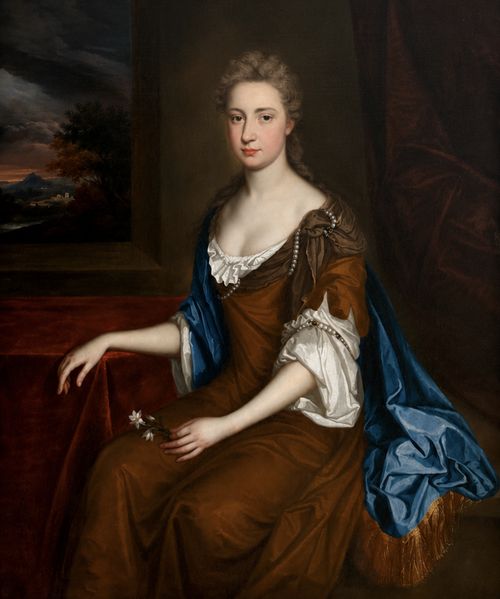
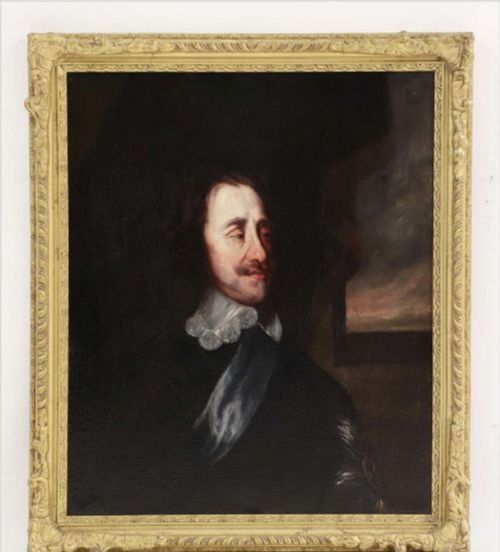
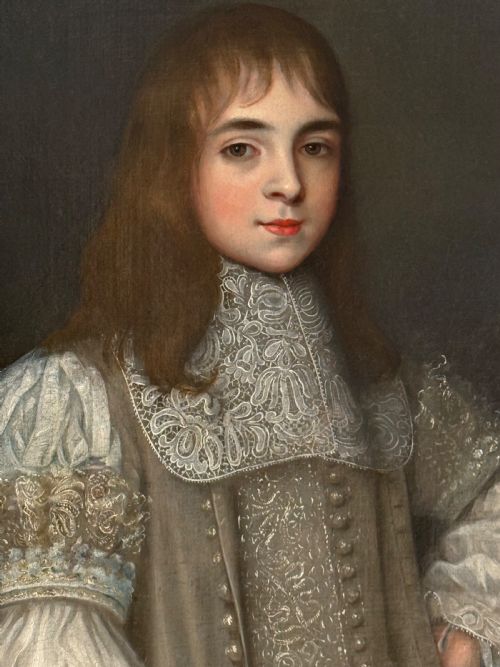
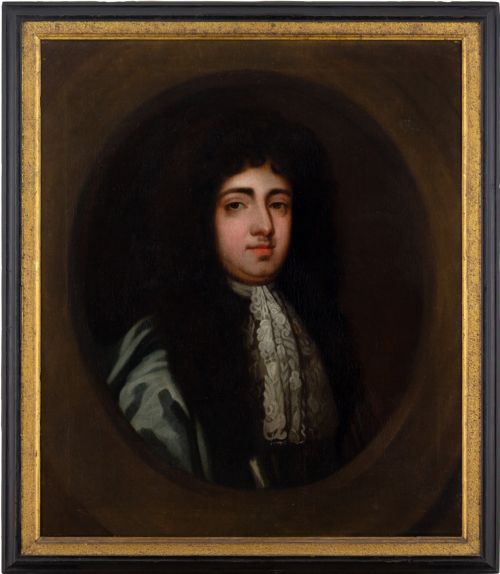
Stuart period portraiture captures noblewomen, gentlemen, and monarchs through seventeenth-century oil paintings on canvas and wood panels. You meet works by named masters and English school artists, alongside later nineteenth century revivals.
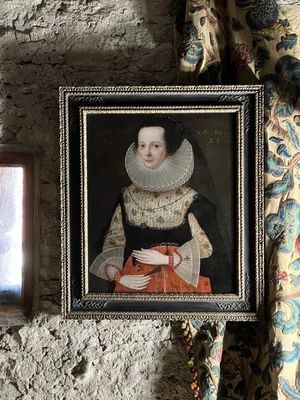
The subjects appear in elaborate costume, lace, and sumptuary attire, often framed in giltwood or gold leaf. These seventeenth-century pieces reflect Baroque and Jacobean aesthetics across British portraiture.
Materials and methods
Artists painted in oil on stretched canvas or solid wood panels, building rich surfaces with oil paint. Frames utilise carved wood finished with gold leaf or gilding.
Makers applied pigments to depict intricate lace collars, rich textiles, and jewels, often working within established studios or as individual portraitists.
Current listings feature seventeenth-century oil paintings alongside nineteenth-century revival portraits executed on canvas and wood.
Gradations in execution
The preservation of the original paint layer and panel integrity defines the upper tier. Period frames, such as carved giltwood mouldings, also influence the overall integrity of the surviving piece.
John Hayls·Pierre Mignard·Sir Peter Lely·John Michael Wright·Cornelius Johnson·John Greenhill·Sir Godfrey Kneller·John Riley·Michael Dahl
The Stuart Period Portraiture Glossary
- Oil on panel
- A painting executed on a solid wooden support rather than fabric canvas. This substrate provides a rigid ground favoured in earlier seventeenth-century works.
- Jacobean
- The stylistic period spanning the reign of James I, characterised by formal portrait poses and linear costume detail. It forms the foundational aesthetic for early seventeenth-century works.
- Baroque
- An artistic style marked by grandeur, drama, and rich ornamentation. Stuart Baroque portraits introduce greater movement and depth to British subjects.
- Giltwood
- Wood carved and covered with a thin layer of gold leaf or metallic powder. These frames enclose many seventeenth-century canvases.
- Studio of
- A designation indicating a work produced under the direct supervision or within the workshop of a master artist. Such pieces reflect the prevailing methods of the principal painter.
Stuart Period Portraiture: Frequently Asked Questions
How do I identify a seventeenth century sitter?
Sitters are often identified through contemporary inscriptions, family provenance, or distinct heraldic elements within the composition. Costume details, such as lace ruffs and elaborate gowns, also help date the work.
Comparison with documented portraits by British school artists or named painters like John Michael Wright confirms the identity of nobles and monarchs.
What is the difference between panel and canvas paintings?
Wood panels provide a rigid, solid support typically found in earlier seventeenth-century works, while woven canvas supports become prevalent later in the period.
Panel paintings often feature artists working in the Jacobean tradition, whereas larger canvas works frequently align with later Stuart Baroque styles.
How should I display an antique oil painting?
Display portraits away from direct sunlight and significant temperature fluctuations to protect the oil paint and wood support. Stable indoor environments preserve the canvas and gilt frame.
Hanging pieces at eye level in primary rooms mirrors historical placement and allows close appreciation of the subject's costume and expression.
What distinguishes original seventeenth century works from revivals?
Original seventeenth-century pieces exhibit period pigments, craquelure consistent with age, and construction methods tied to seventeenth-century workshops. Nineteenth-century revival works show different canvas preparations and modern framing techniques.
Examining the reverse of the panel or canvas often reveals structural clues regarding the true age of the portrait.