


Carved Gilt Wood Frame
A carved gilt wood frame brings a rich, reflective warmth to any interior through centuries of decorative tradition.
Carved Gilt Wood Frame
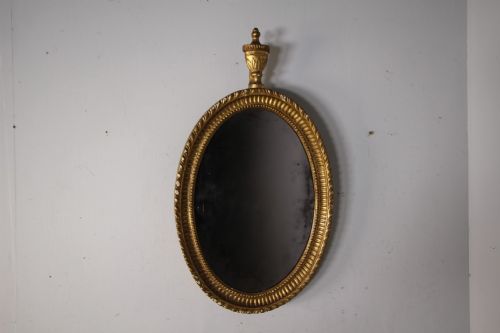
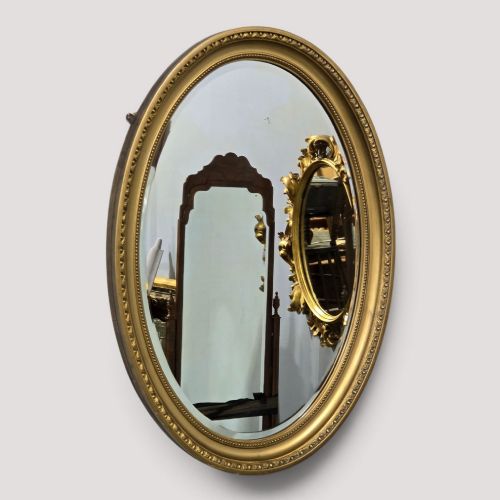
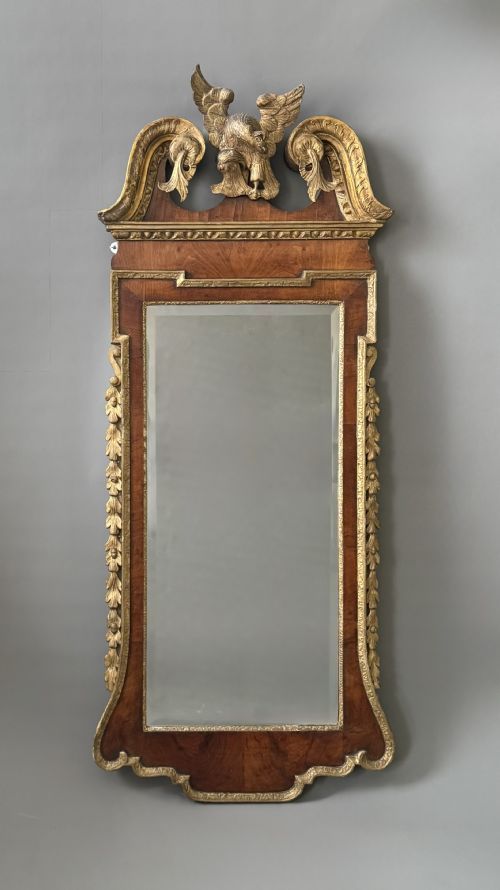
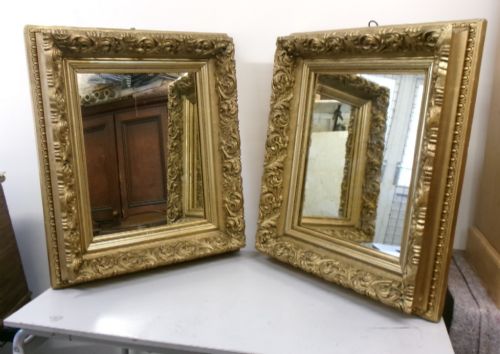
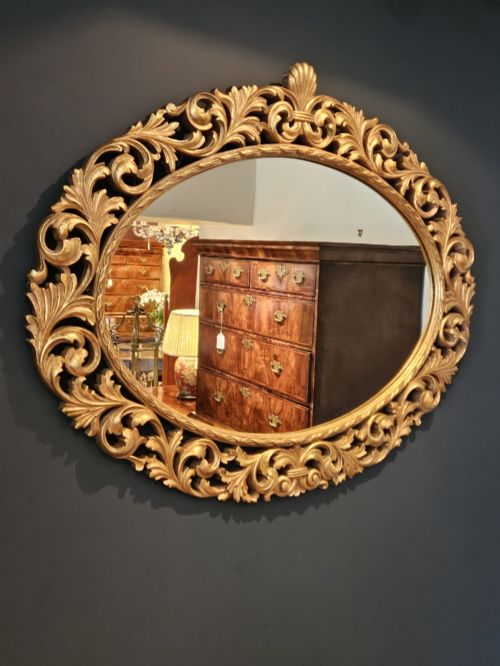
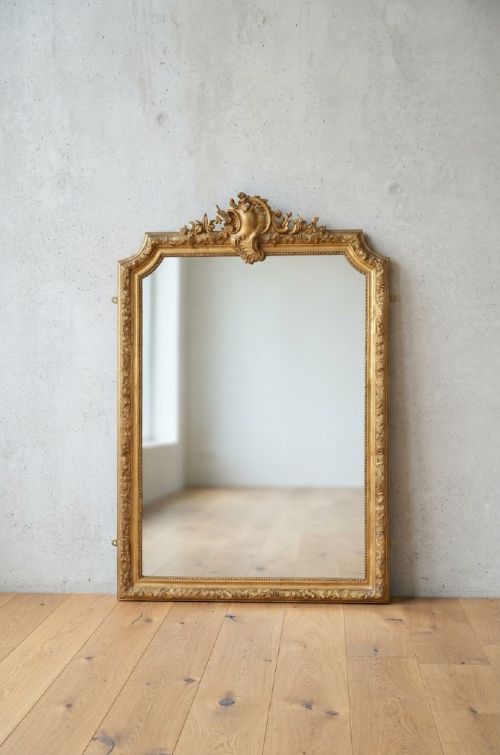
A carved gilt wood frame forms the structural boundary for mirrors, paintings and portraits across domestic spaces. These pieces span the eighteenth, nineteenth and early twentieth centuries, originating from English, French and Italian workshops.
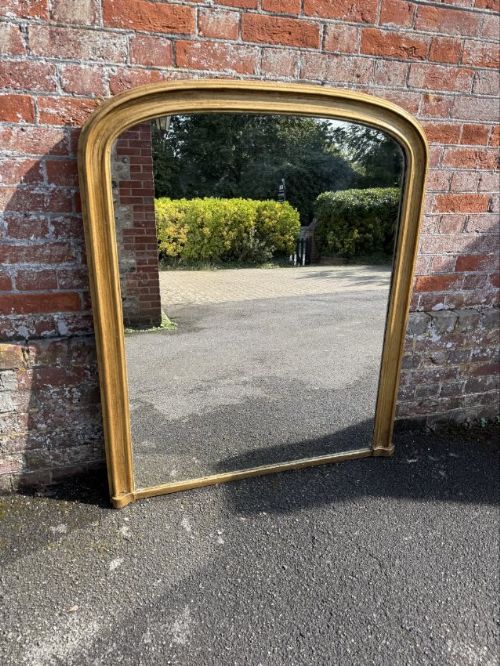
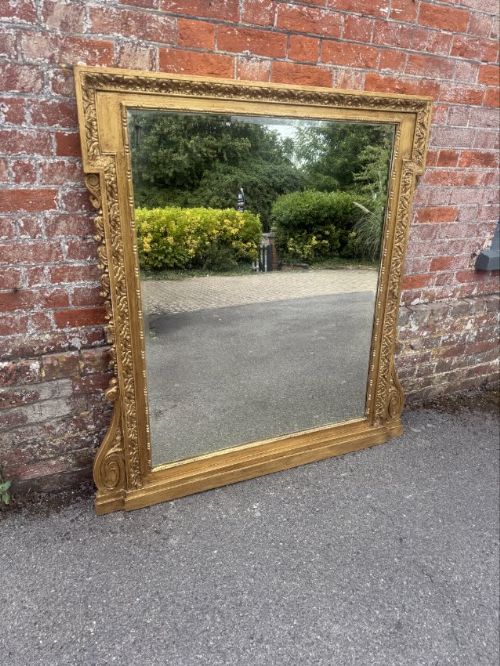
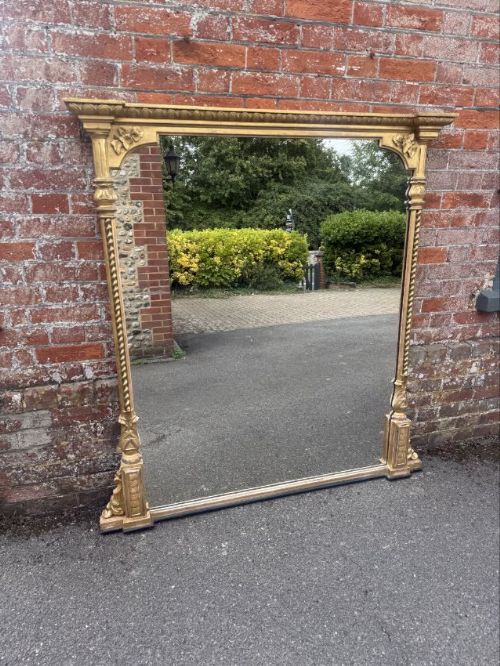
The most common examples on this page are large overmantel mirrors and wall mirrors featuring elaborate gesso ornamentation. Buyers also encounter picture frames, pier glass mirrors, girandoles and occasional seating elements incorporating gilded woodwork.
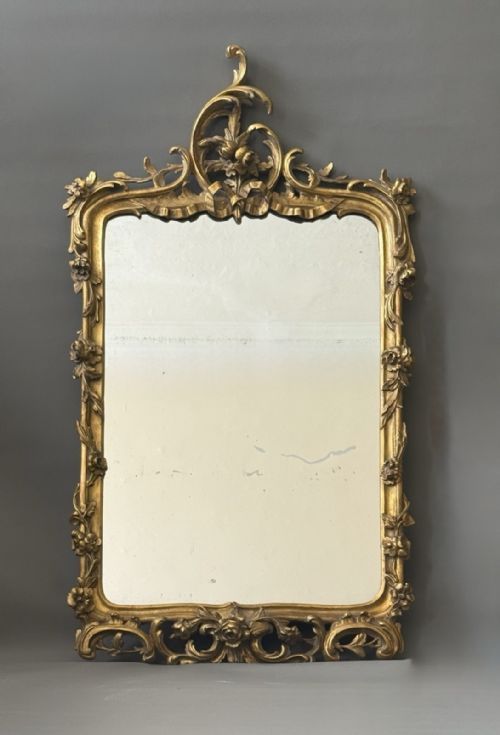
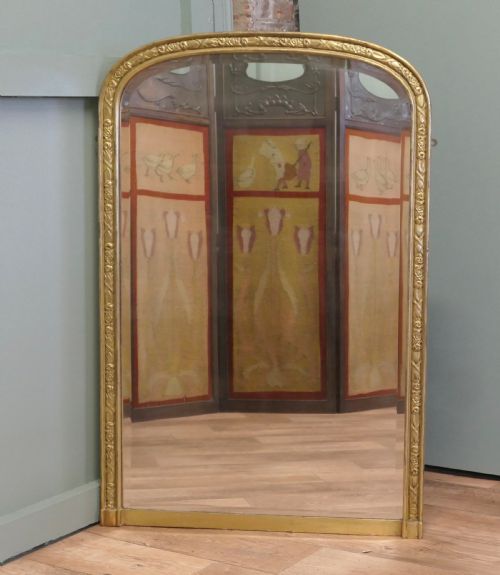
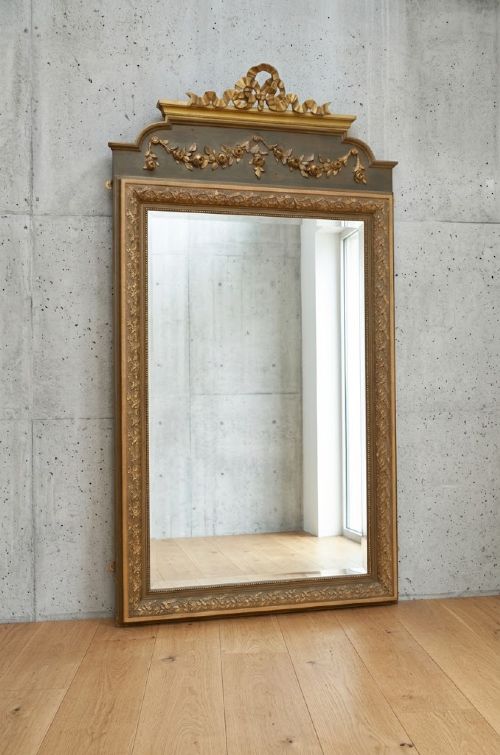
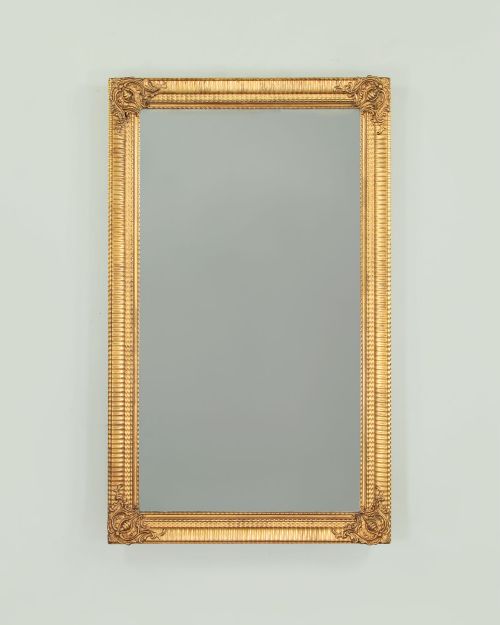
Pieces range from simple ribbed or rope twist profiles to grand rococo revival and florentine styles. They serve primarily as focal wall pieces that manipulate light and space within traditional rooms.
How they were made
Craftsmen shaped solid timber bases from wood such as pine, walnut and oak before applying intricate relief details. Artisans built up surface decoration using moulded composition or layers of gesso over the carved wood substrate.
Makers applied thin sheets of gold leaf directly onto a prepared bole ground or painted the surface with metallic finishes. Many items combine hand-carved wooden elements with applied plaster work to achieve deep architectural profiles.
Look closely for tiny hidden maker marks pressed into the gesso before the gold leaf went down.
What varies in quality
The depth and crispness of the hand-carved relief dictate the artistic merit of the piece. Crisp acanthus leaves, sharp rope twists and well-defined floral motifs separate superior work from soft, shallow press-moulded substitutes.
The integrity of the original gilding and the condition of the underlying gesso layers determine authenticity. Pieces retaining their original gold leaf and untouched antique glass plates command greater appreciation than heavily restored surfaces.
The Carved Gilt Wood Frame Glossary
- Giltwood
- Timber that has been coated with thin leaves of gold. This finish provides a luminous and durable metallic sheen.
- Gesso
- A plaster mixture applied to wood frames to create a smooth base for carving and gilding. Artisans model this material into relief scrolls and floral patterns.
- Overmantel mirror
- A large mirror designed to hang above a fireplace mantel. These horizontal formats often feature arched or shaped tops.
- Girandole
- A decorative wall mirror featuring attached candle sconces. The candle arms multiply the reflected light in the room.
- Pier glass
- A tall, narrow mirror designed to fit on the wall space between windows. These vertical pieces maximise natural light penetration.
Carved Gilt Wood Frame: Frequently Asked Questions
How do I hang a heavy overmantel mirror?
These substantial frames require secure fixing directly into wall studs or masonry using heavy-duty brackets rated for significant weight. Professional installation ensures the wall structure safely supports the combined weight of the timber, gesso and glass.
Position the frame at a height that reflects eye level or balances the proportions of the surrounding fireplace and mantelpiece. Proper placement anchors the visual weight of the room without straining the hanging hardware.
What is foxed glass?
Foxed glass refers to mirror plates that show age-related degradation, spots, and mottled oxidation behind the glass surface. This natural weathering creates a soft, cloudy reflection valued for historical authenticity.
Antique mirrors often retain their original mercury or silvered glass plates showing these charming imperfections. Such patination proves the age of the looking glass and distinguishes vintage plates from modern replacements.
How do I clean a gilded frame?
Dust the carved surfaces gently with a dry, ultra-soft artist brush or feather duster to remove loose particles. Avoid all liquid cleaners, commercial polishes and abrasive cloths which strip the delicate gold leaf.
Preserve the antique finish by keeping the frame away from direct sunlight, excessive moisture and sudden temperature changes. Gentle handling protects the fragile gesso and composition details from chipping over time.
How do I identify a Florentine frame?
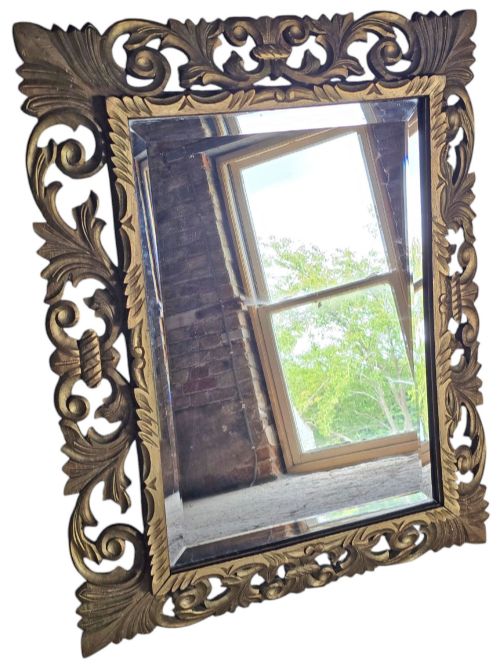
Florentine frames typically display dense, continuous carvings of stylized leaves, scrolls and fruit finished in rich burnished gold. These Italian pieces often feature openwork pierced borders that project outward from the wall.
Originating from artisan workshops in Florence, these frames frequently house Renaissance-style portraits or ornate rectangular mirrors. Their distinctive sculptural depth sets them apart from simpler English and French mouldings.