


Restoration Period Oil Portrait
A restoration period oil portrait captures the aristocratic gravity and courtly elegance of late seventeenth-century society through skilled brushwork and rich pigment.
Restoration Period Oil Portrait
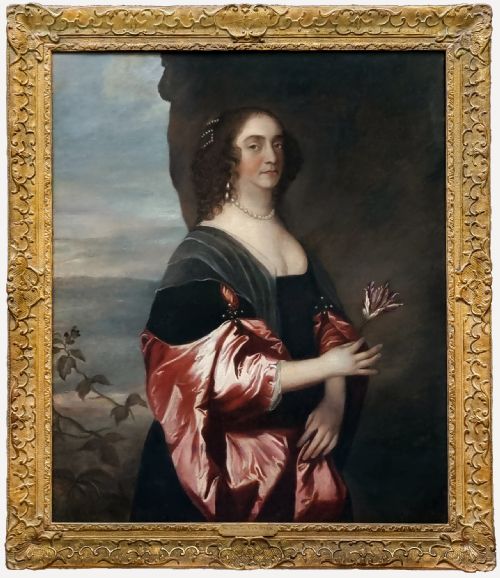
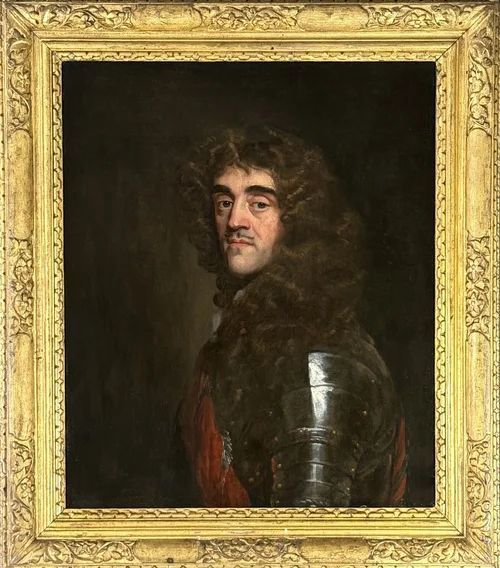
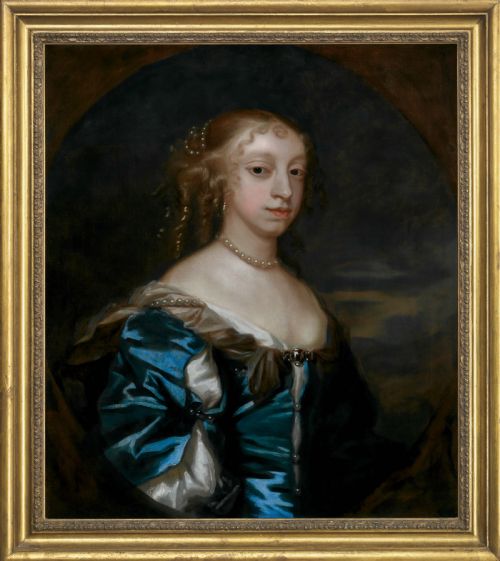
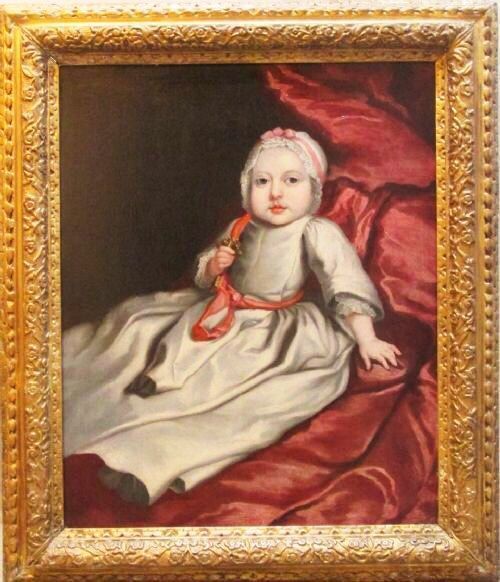
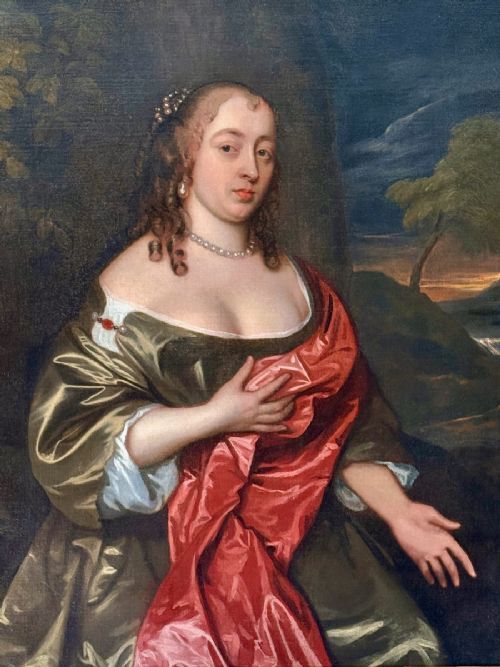
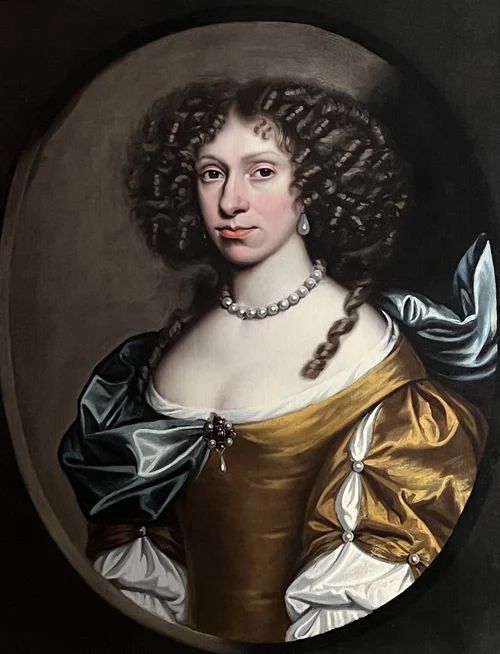
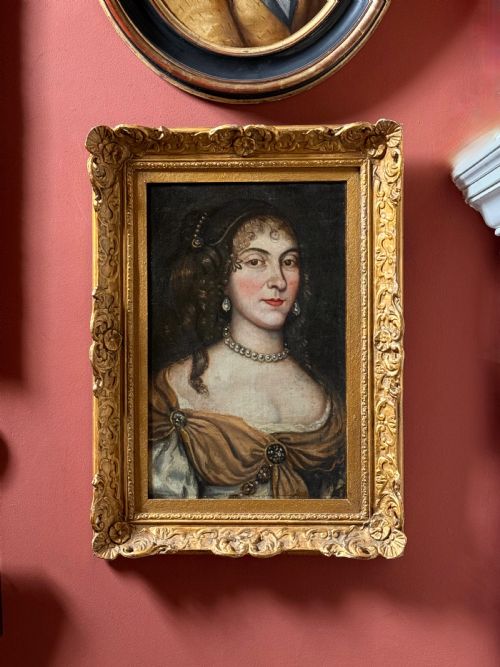
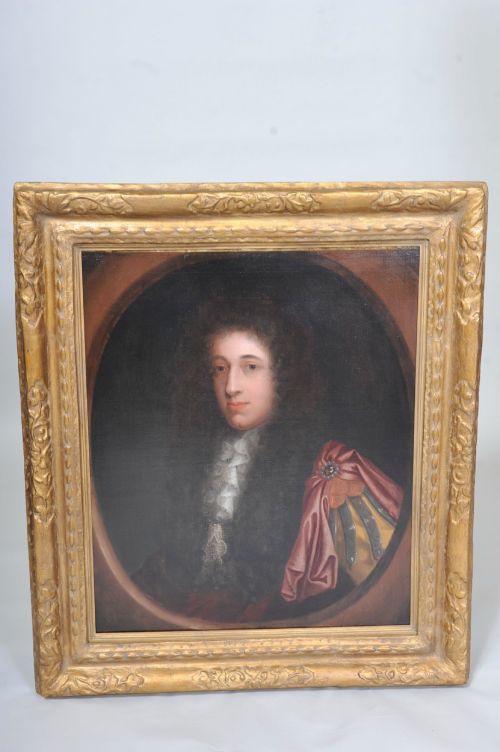
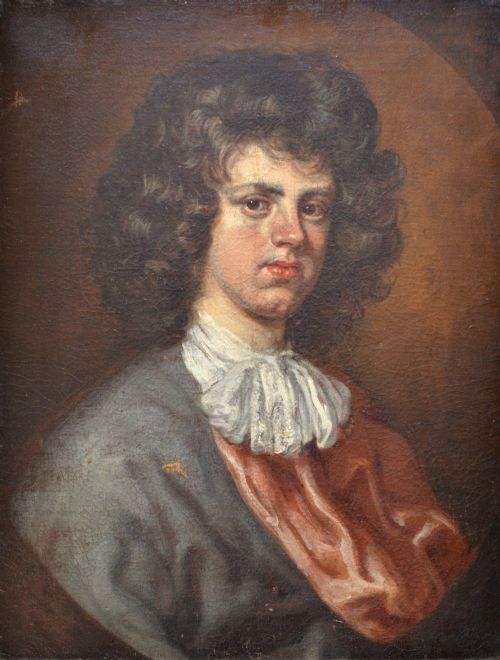
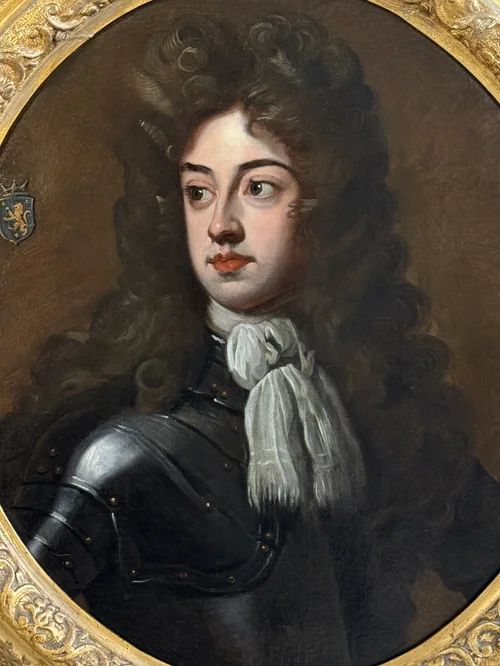
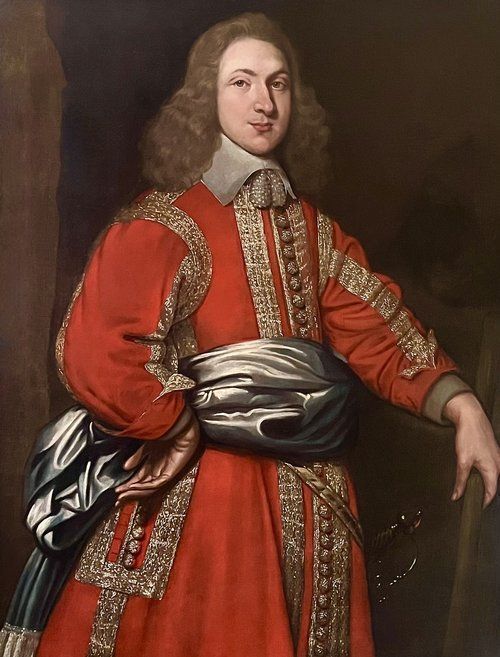
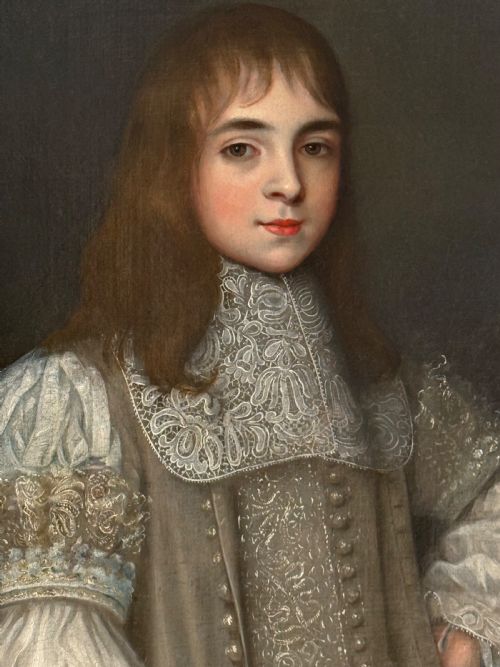
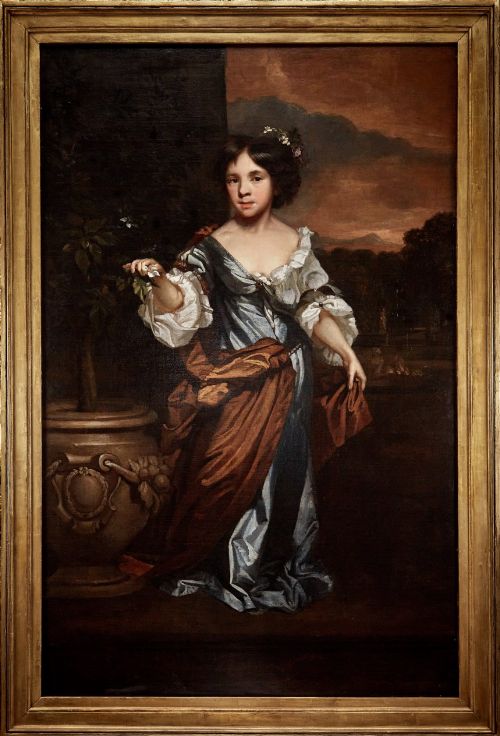
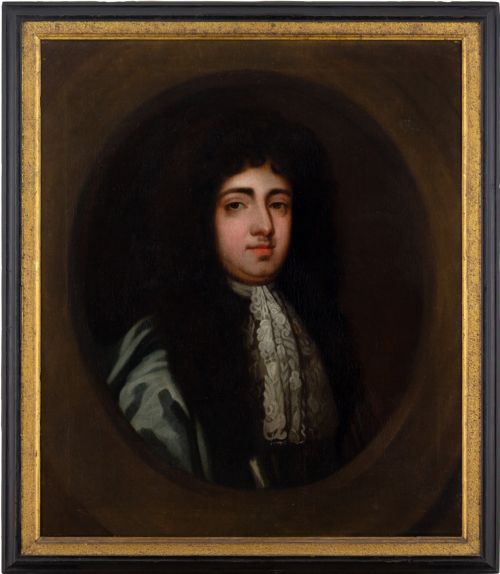
A restoration period oil portrait depicts nobility, military officers, and landed gentry during the Stuart and Baroque eras of the late seventeenth century. These works frequently present sitters in elaborate costume, armour, or structured dress, often placed within expansive landscapes or garden terraces. Buyers encounter canvases depicting named historical figures as well as anonymous gentlemen, ladies, and children associated with English, Anglo-Dutch, and Anglo-Irish schools.
The majority of pieces originate from the seventeenth century, spanning from the mid-century Commonwealth transition through to the reign of William and Mary. Canvas is the primary medium, though panel paintings also appear occasionally within this grouping. Most surviving examples reflect the formal portrait traditions established by leading court painters and their workshops.
How they were made
Painters of this era applied oil pigments onto prepared canvas or wooden panels, utilising layered glazes to achieve depth in garments and flesh tones. Workshops relied on organic binders and ground mixtures that reacted over centuries, creating characteristic surface craquelure. Canvases were stretched and secured within timber framing, often complemented by period frames finished in gold leaf, gilt, or giltwood.
Compositions often followed established formulas where the face received the most meticulous detail while secondary elements like drapery or background foliage were delegated to studio assistants. Gold leaf and high-grade gilt wood mouldings completed the presentation, functioning as an integral part of the overall artwork.
The archive reveals that oil on canvas remains the dominant medium for capturing elite society.
What varies in quality
The condition of the original paint layer and the presence of historic restorations also dictate standing within the field. Canvases retaining their uncompromised surface texture and original ground layers command greater artistic interest than heavily overpainted examples.
Sir Peter Lely·Sir Godfrey Kneller·John Michael Wright·John Greenhill·John Closterman
The Restoration Period Oil Portrait Glossary
- Baroque
- An artistic style characterised by drama, rich colour, and grand scale that dominated European art during the seventeenth century. This aesthetic influenced the theatrical poses and dynamic lighting seen in court portraiture.
- Giltwood
- Wood carved and subsequently covered with a thin layer of gold leaf or metallic powder. This material defined the ornate frames commissioned for high-status portraits of the period.
- Studio of
- A designation indicating a work produced under the direct supervision of a master artist by trained assistants. These pieces closely follow the master's composition and technique.
- Craquelure
- The fine network of minute cracks formed on the surface of an oil painting as the paint film ages and hardens over centuries. This natural phenomenon helps verify the historical age of the canvas.
- Circle of
- A term used by art historians to describe an anonymous artist working in the distinct style of a known master during the same period. It denotes proximity to the master's technique without direct attribution.
Restoration Period Oil Portrait: Frequently Asked Questions
How do I identify a restoration period oil portrait?
These works are identified through the characteristic clothing, hairstyles, and formal postures typical of the late seventeenth century. Sitters frequently wear draped silks, lace collars, or full suits of armour, reflecting the aesthetic of the Stuart court.
Examination of the canvas support, stretcher frames, and surface craquelure further aids in confirming the seventeenth-century origin of the painting.
Where were these portraits originally displayed?
Period portraits hung primarily in the grand reception rooms, long galleries, and staircases of country houses and town residences. They served to project the lineage, status, and political allegiance of the owner to visiting peers.
Today, collectors place them in comparable domestic settings where traditional interior lighting complements the dark, rich tones of the oil pigments.
What is the difference between studio work and master attribution?
A painting attributed directly to a named master indicates the primary hand of the artist executed the key elements of the composition. Works associated with a studio or circle involved assistants who painted secondary areas like drapery and backgrounds.
Both categories share the stylistic conventions of the era, but direct master pieces typically display superior anatomical precision and brushwork.
How should I care for a seventeenth century canvas?
Historic oil paintings require stable environmental conditions with moderate humidity and temperature to prevent the canvas and wooden stretcher from warping. Direct sunlight and proximity to heat sources must be avoided to protect the fragile paint layers and varnish.
Dusting should be performed gently with a dry, soft brush, leaving any chemical cleaning or conservation work to professional restorers.