
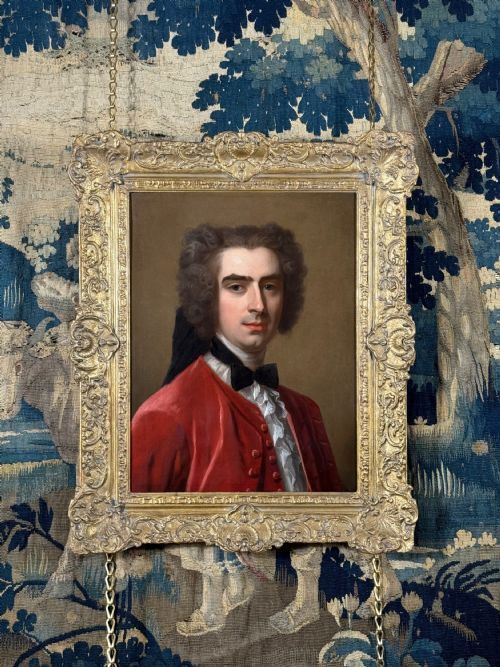
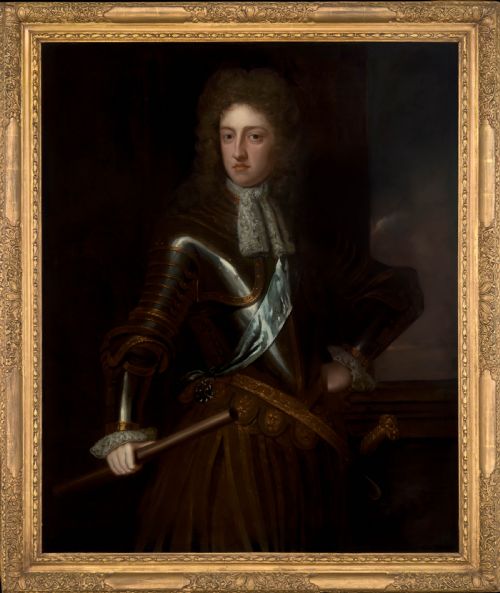
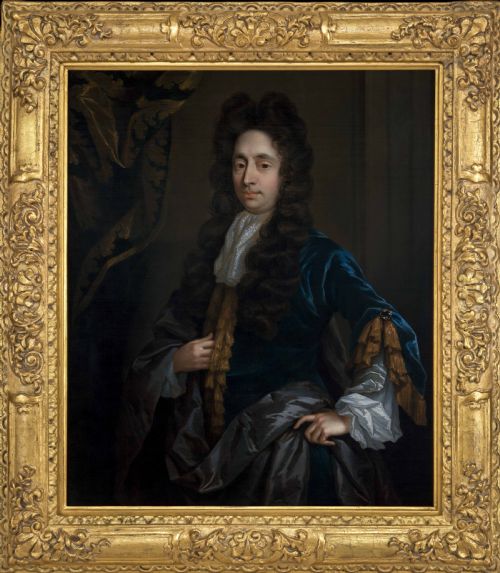
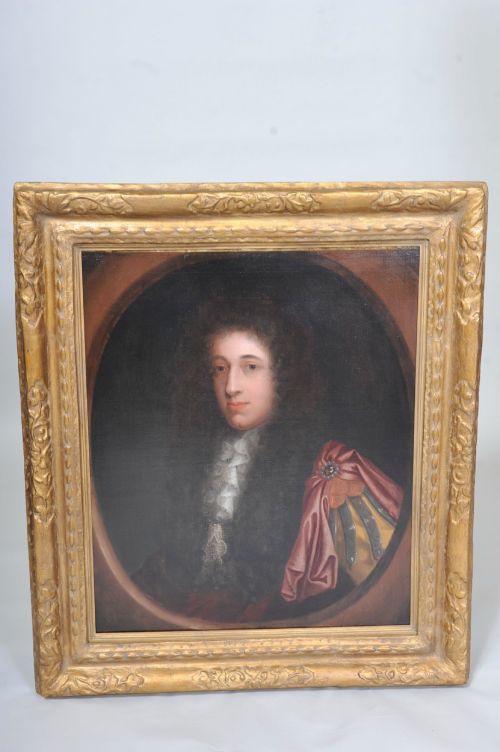
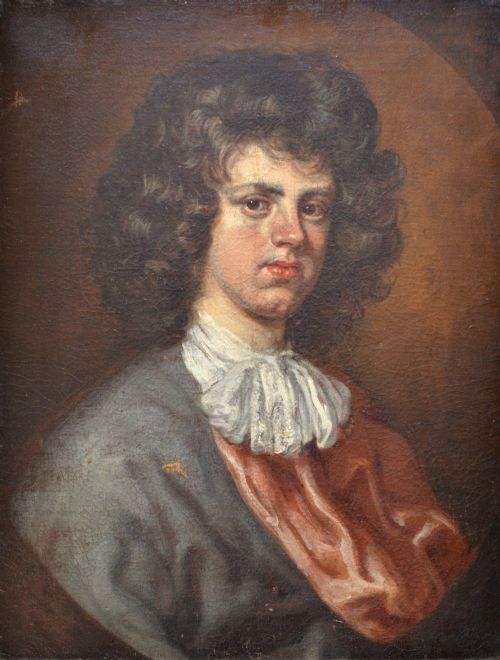
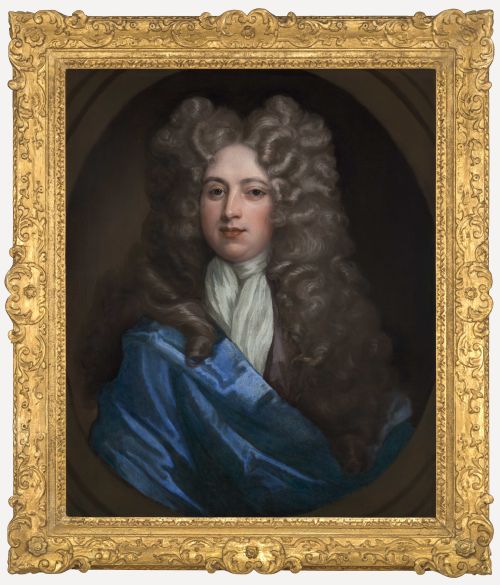
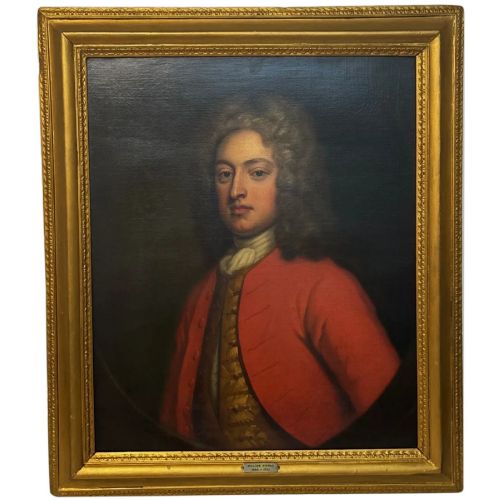
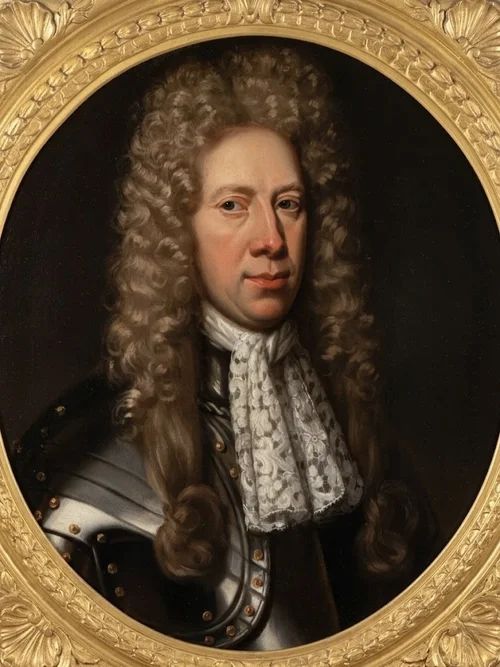
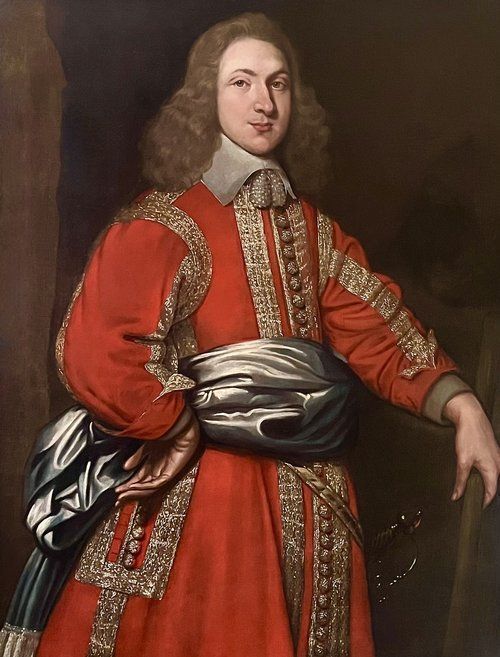
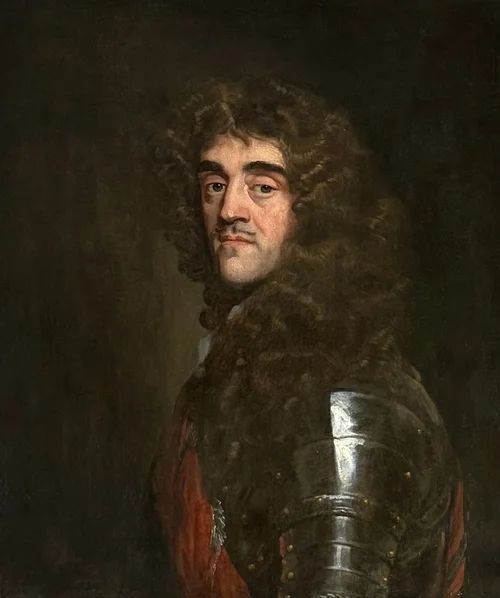
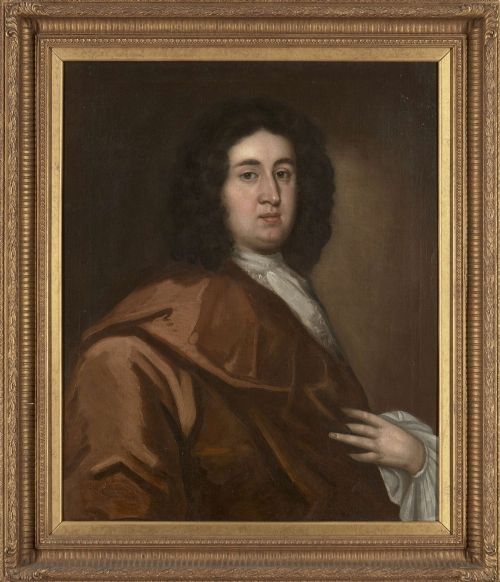
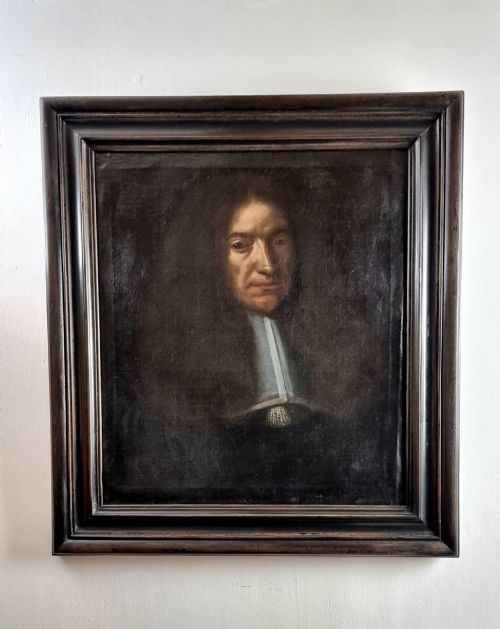
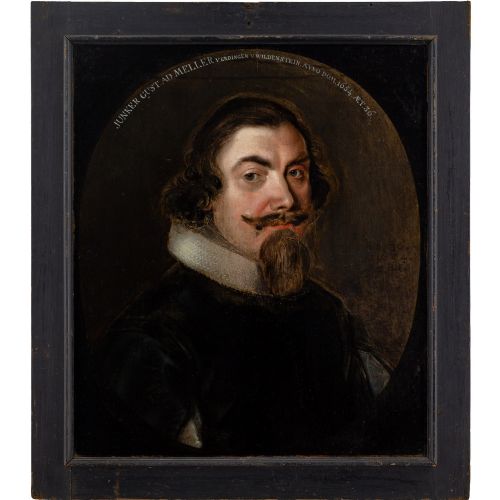
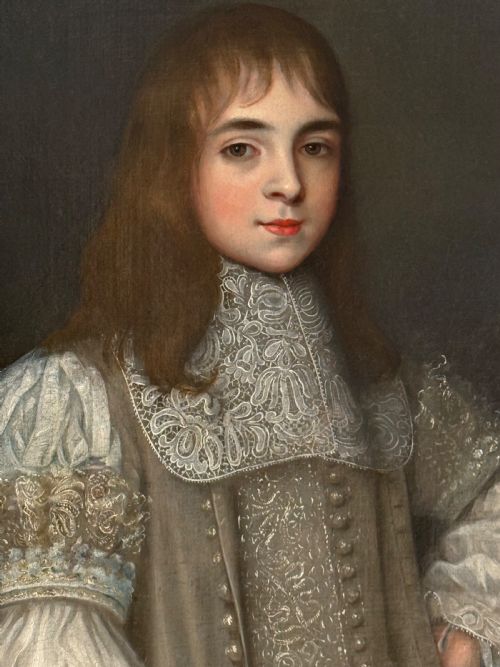
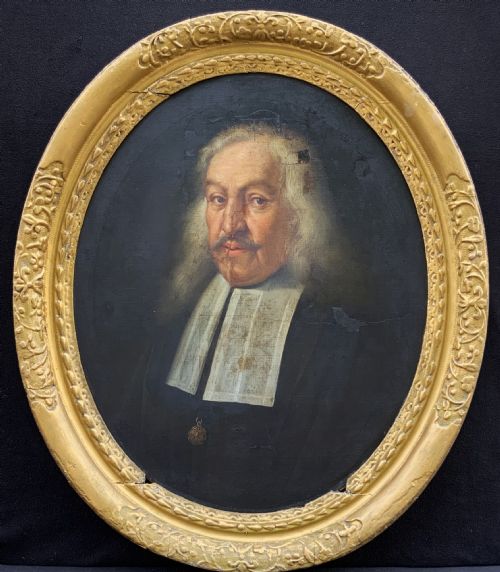
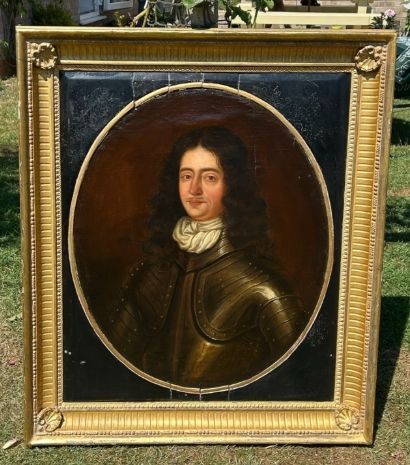
Baroque Gentleman Oil Portrait
When you search for a baroque gentleman oil portrait, you are looking at centuries-old canvases depicting distinguished male sitters in rich attire.
Baroque Gentleman Oil Portrait
A baroque gentleman oil portrait captures male subjects from the seventeenth and eighteenth centuries, ranging from military officers and aristocrats to judges and scholars. These works originate from various European schools, including Dutch, Flemish, German, French, and British traditions.
The sitters wear characteristic period attire such as elaborate armour, periwigs, scarlet jackets, ruffs, and velvet robes. Many pieces connect directly to named historical figures or specific notable families from the era.
On this page, you will encounter works spanning the seventeenth century through to the mid-eighteenth century, taking the form of oil paintings on canvas often framed in period wood and giltwood.
Materials and construction
These works are painted in oil media directly onto woven canvas supports, sometimes housed within original wooden or gilded wood frames enhanced by gold leaf.
Artists utilised traditional oil painting techniques of the period, building up layers of pigment to render intricate details in costumes, armour, and facial expressions.
Listings span the 17th century and 18th century, utilising oil on canvas, wood, giltwood, and gold leaf.
Distinctions in quality
Works produced by a master's studio or carrying strong attribution to prominent painters of the era display superior anatomical proportion and psychological depth compared to anonymous regional school pieces.
Sir Godfrey Kneller·Michael Dahl·John Greenhill·John Riley·Mary Beale·Constantyn Netscher·Thomas Murray·Jean-Baptiste Van Loo·John Scougall·John Michael Wright·Pieter Borseler·Joseph Vivienne
The Baroque Gentleman Oil Portrait Glossary
- Baroque
- An artistic style prevalent from the seventeenth century characterised by dramatic movement, deep shadow, and rich detail.
- Periwig
- A voluminous artificial hair wig commonly worn by elite gentlemen in the seventeenth and eighteenth centuries.
- Giltwood
- Wood that has been treated and coated with a thin layer of gold leaf, frequently used for period picture frames.
- Canvas
- A heavy woven fabric stretched over a wooden frame to serve as the primary support for oil paintings.
- Old Master
- A term applied to European painters of high skill working before the nineteenth century.
Baroque Gentleman Oil Portrait: Frequently Asked Questions
How do I date a baroque portrait?
Dating relies heavily on the clothing style, facial hair, and wig types worn by the sitter, as fashions shifted noticeably between the mid-seventeenth and early eighteenth centuries.
Additional clues come from stretcher construction, canvas types, and any inscribed biographical details or contemporary documentation accompanying the painting.
Were these painted from life?
Most formal portraits from this era were painted from life during dedicated sittings, though successful portrait studios also produced copies or formulaic versions.
Studio assistants often painted the standard costumes and backgrounds, leaving the master to complete the sitter's face and hands.
How should I hang an oil painting?
Oil paintings on canvas need stable environmental conditions away from direct sunlight, excessive heat sources, and damp exterior walls.
Secure hanging requires professional picture hooks rated for the combined weight of the canvas and its heavy wooden frame.
What does attribution to a circle mean?
Attribution to a circle indicates that a painting was created by an unknown artist working closely within the style, workshop, or immediate influence of a master painter.
These works date from the same period as the named master and reflect identical technical methods and aesthetic values.