

Black Framed Fine Art
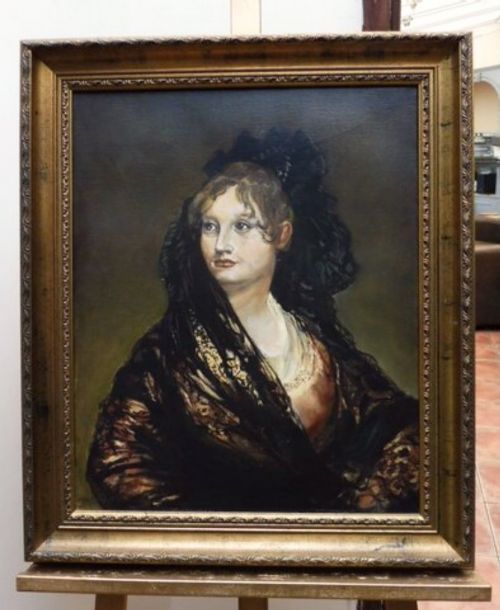
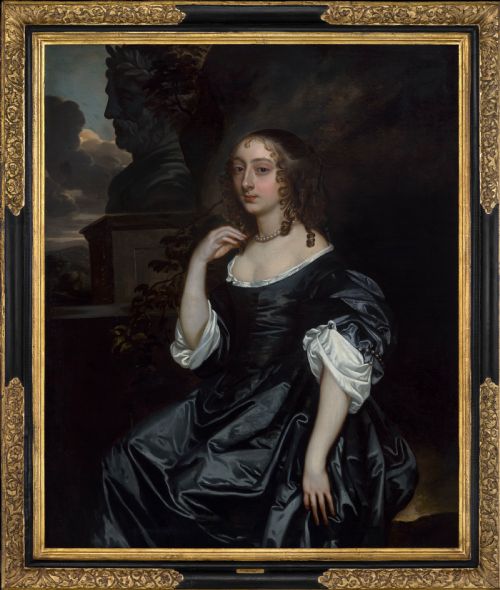
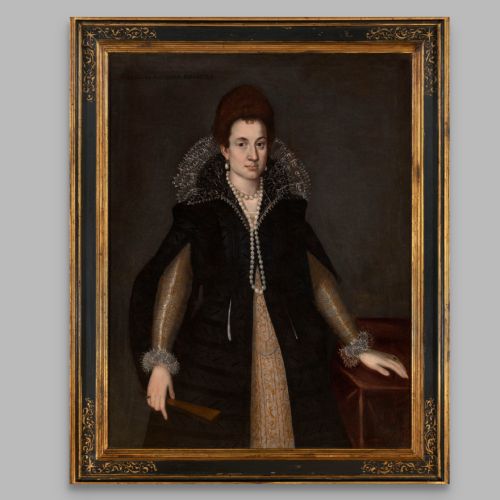
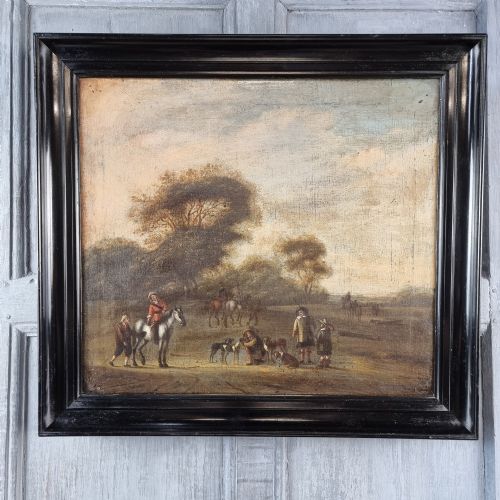
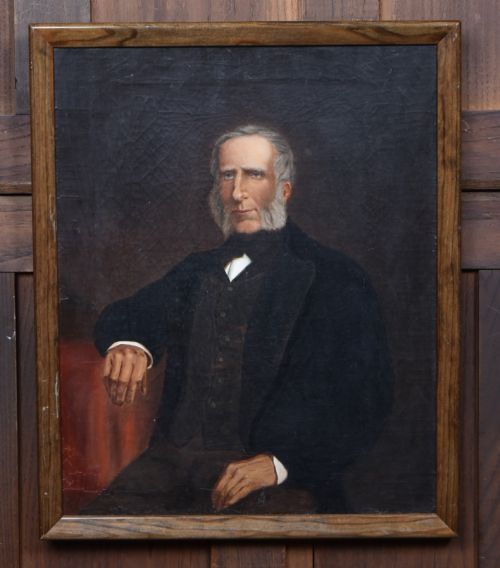
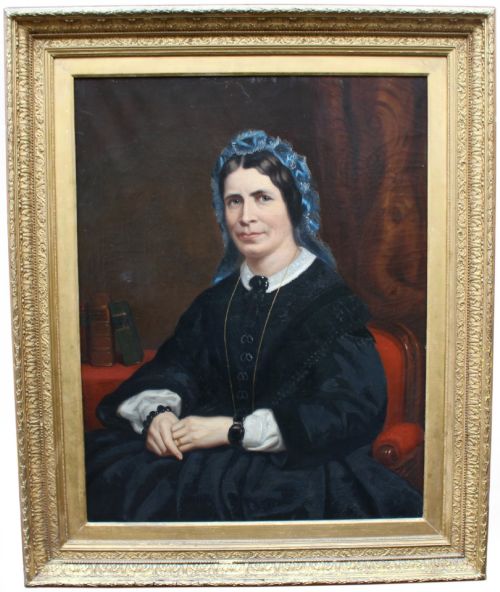
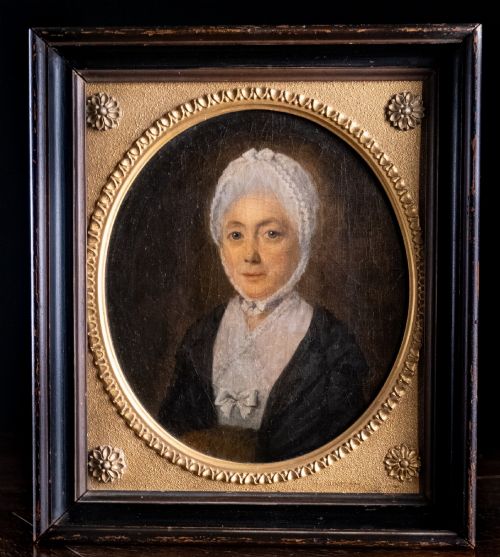
Black framed fine art brings together centuries of portraiture and landscape enclosed within dark timber and ebonised mouldings, offering a striking contrast that draws the eye directly into the subject.
Black Framed Fine Art
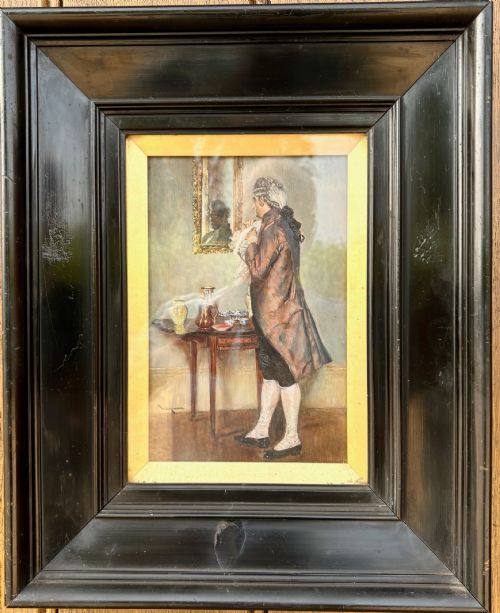
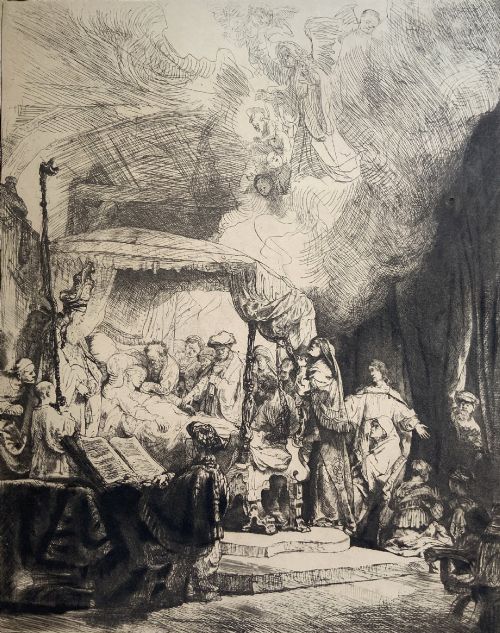
When searching for black framed fine art, buyers encounter works ranging from seventeenth-century oil paintings to nineteenth-century watercolours and silhouettes. The selections span diverse stylistic movements including the Dutch Golden Age, Jacobean period, and Victorian era.
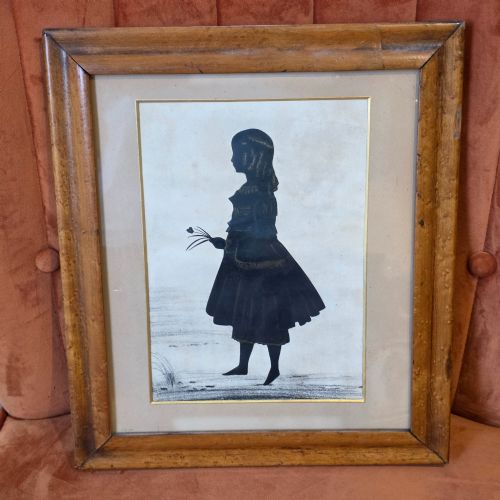
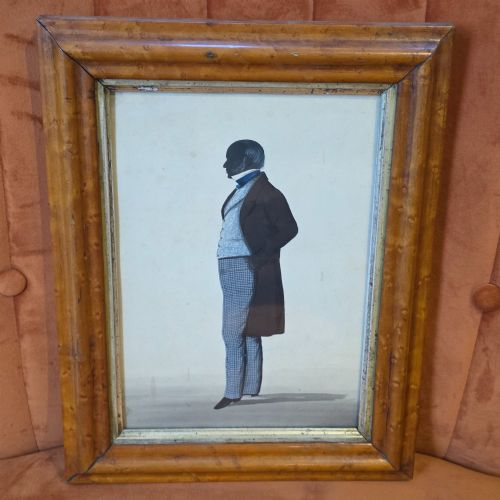
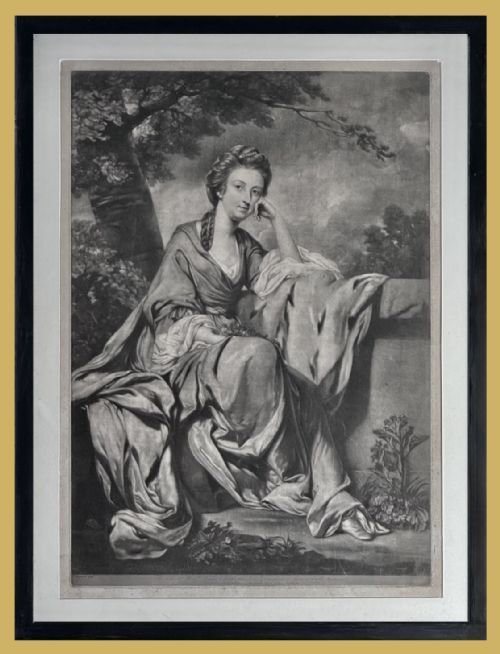
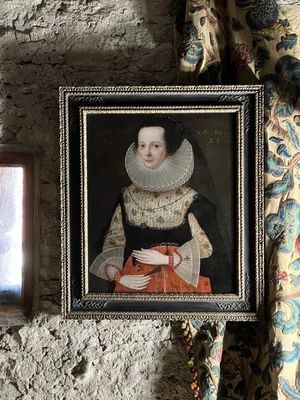
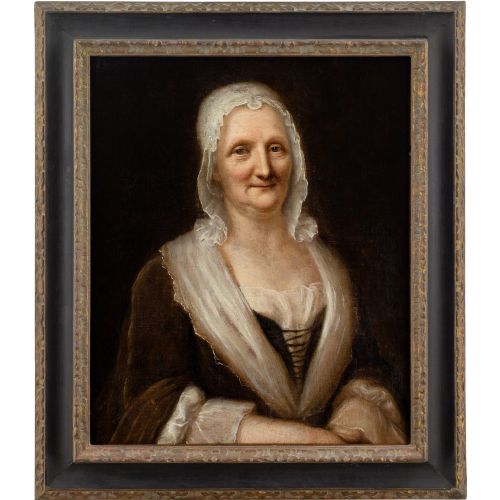
Portraits dominate the selection, depicting noblewomen, gentlemen, and children executed in oil on canvas, reverse glass mezzotint, and cut-paper silhouette. Landscapes and architectural studies also appear, offering varied perspectives from British and continental European schools.
How they were made
The physical construction relies heavily on traditional painting and printing media applied to canvas, wood panels, paper, and glass. Artists utilised oil paint, watercolours, gouache, ink, and plumbago, often pairing delicate works on paper with protective glazing.
Enclosing these works involves timber mouldings finished with dark stains, black paint, or ebonisation, occasionally accented with gold leaf. This dark border serves to isolate the composition from its surroundings and intensify the depth of the palette within.
Listings span from the seventeenth century through to the mid-twentieth century, encompassing oil on canvas, paper, glass, and gold leaf.
What varies in quality
The distinction between tiers rests upon the precision of the draughtsmanship and the handling of light and shadow by the artist. Masterful execution in facial expressions, textiles, and fine lace elevates a portrait beyond mere record.
The harmony between the artwork and its mounting also dictates distinction, where period-appropriate ebonised or blackened wood frames complement the age and aesthetic of the piece inside.
Sir Joshua Reynolds·Sir Peter Lely·Cornelius Johnson·Dame Laura Knight·Frans Hals
The Black Framed Fine Art Glossary
- Mezzotint
- A printmaking process of the intaglio family where the plate is roughened to produce rich dark tones and subtle tonal gradations. It allows for striking contrasts particularly suited to portraiture.
- Plumbago
- A delicate drawing executed in graphite, taking its name from the Latin word for lead ore. These works show immense linear precision on prepared paper.
- Ebonised
- Wood treated to mimic the dense, dark appearance of ebony. This finish was widely utilised for frames during the seventeenth and nineteenth centuries.
- Reverse glass painting
- An artistic technique where the image is painted directly onto the back of a glass pane and viewed from the front. The resulting surface possesses a characteristic glossy sheen.
Black Framed Fine Art: Frequently Asked Questions
How do I care for framed works on paper?
Keep these sensitive pieces away from direct sunlight to prevent fading of the pigments and paper degradation. Maintain a stable indoor environment free from excessive moisture.
Ensure that the glass remains intact to protect delicate watercolours, silhouettes, and etchings from airborne pollutants. Professional framing using acid-free materials safeguards the longevity of the artwork.
Are black frames period-correct for older art?
Dark wooden and ebonised frames have been utilised for centuries to complement oil paintings and works on paper. Seventeenth-century Dutch and English pieces frequently employed dark moulding to create contrast.
Matching a frame to the era of the artwork enhances historical integrity. Many antique pieces retain their original or period-appropriate frames, which adds significantly to their character.
What subjects are most common?
Portraits of individuals, ranging from nobility to children, form the vast majority of the available selection. These span from stiffly posed Jacobean sitters to relaxed Victorian studies.
Landscapes and architectural views also feature, documenting historic scenes and classical ruins. Artists captured these subjects through oils, watercolours, and detailed etchings.
How do I distinguish an etching from a painting?
Examine the surface texture closely under magnification to identify the medium. Paintings display visible brushstrokes and dried layers of oil or pigment upon canvas or panel.
Etchings present fine, recessed ink lines pressed into paper via a metal plate during printing. Prints also exhibit flat surfaces without the raised relief of dried paint.