





Aristocratic Male Portrait Painting
An aristocratic male portrait painting brings the presence of statesmen, peers and princes into a room through historic oils.
Aristocratic Male Portrait Painting
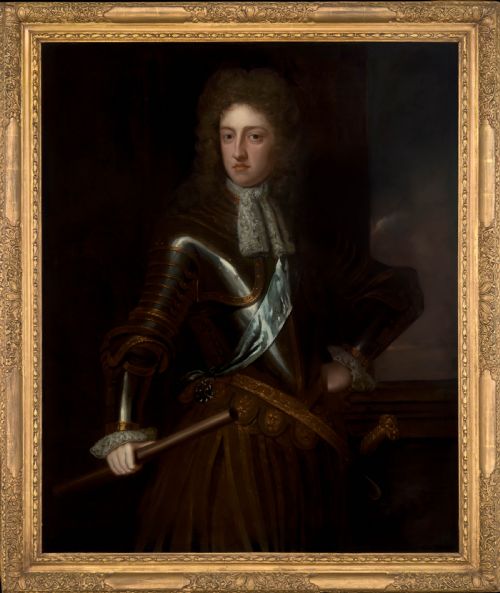
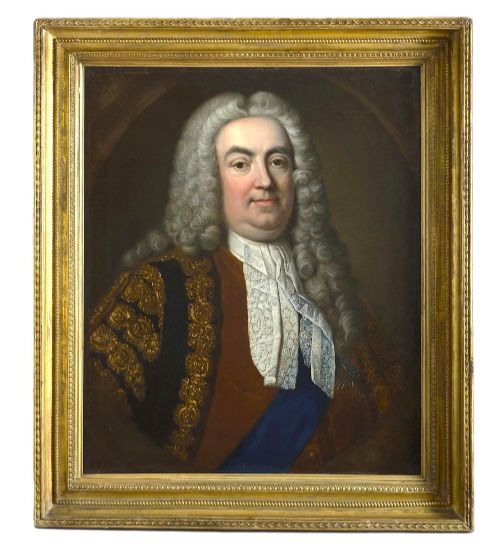
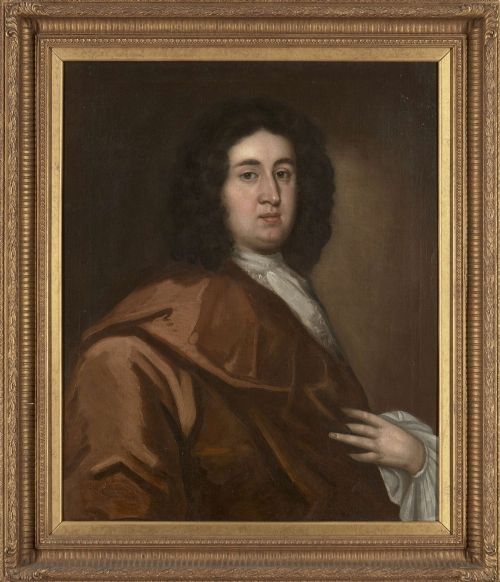
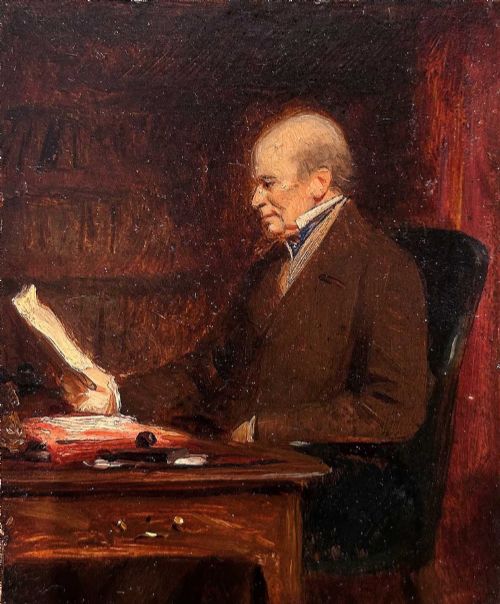
An aristocratic male portrait painting captures elite subjects in oil on canvas across the seventeenth, eighteenth and nineteenth centuries, reflecting the status and lineage of nobility and public figures. These works range from studio productions and circle pieces associated with prominent portraitists to later interpretations and folk art revivals.
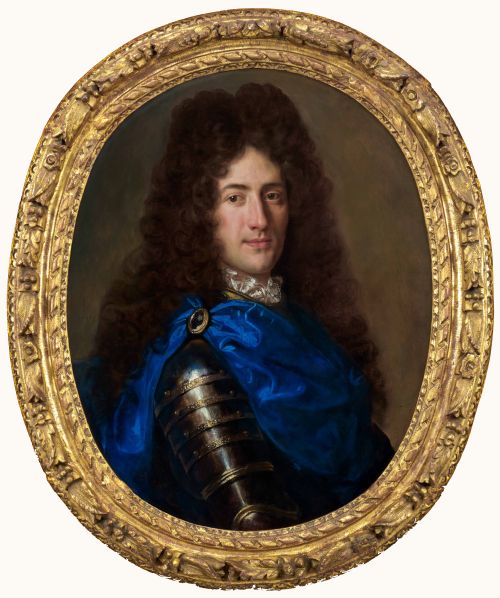
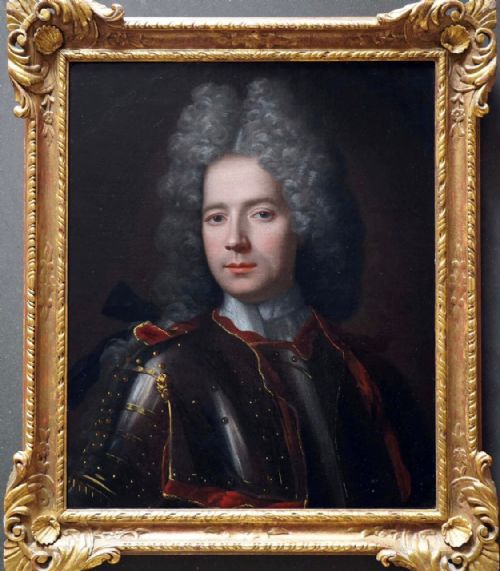
The subjects appear in formal attire such as armour, velvet cloaks, garter robes and frock coats, marking their positions within British and European aristocracy. Surviving examples demonstrate the enduring appeal of historic portraiture through diverse stylistic movements including Baroque, Regency, Georgian and Victorian periods.
How they were made
Artists built these works using oil paint applied to woven canvas supports, allowing for layered depth in fabric, flesh and armour. Many canvases sit within period frames constructed from wood and finished with giltwood.
Techniques relied on studio practices where masters, circles and followers developed likenesses through careful brushwork and tonal gradation. The handling of pigment created the rich textures seen in azure cloaks, lace cravats and powdered wigs.
Represented forms include detailed oil paintings, fine art paintings and primitive nineteenth-century style interpretations.
What varies in quality
Compositional confidence and the rendering of complex textiles, such as ermine robes or embroidered waistcoats, separate ambitious large-scale commissions from simpler provincial records. The preservation of the original canvas and the integrity of the paint surface further define the standing of each piece.
Sir Godfrey Kneller·Jean Baptiste Van Loo·John Closterman·Nicolas De Largillière·Sir Anthony van Dyck·Mary Beale·Michael Dahl·George Hayter·John Michael Wright
The Aristocratic Male Portrait Painting Glossary
- Oil on Canvas
- A painting medium where pigments suspended in drying oils are applied to a woven fabric support. This combination allowed artists to achieve rich colour saturation and subtle blending.
- Giltwood
- Wood carved and coated with gold leaf or gold paint, frequently utilised for period frames. It adds a reflective, decorative border to the canvas.
- Baroque
- An artistic style prevalent in the seventeenth and early eighteenth centuries, characterised by dynamic movement, deep shadow and theatrical grandeur. Portraits from this era often feature dramatic drapery and intense lighting.
- Circle of
- A designation indicating that a painting was produced by an unnamed artist working closely within the style and workshop of a master. It denotes a high level of contemporary competence.
- Regency
- A period spanning the early nineteenth century defined by neoclassical elegance and refined portraiture. Works from this era display restrained palettes and sharp linear focus.
Aristocratic Male Portrait Painting: Frequently Asked Questions
What is an aristocratic male portrait painting?
These works are historic oil paintings depicting noblemen, princes, politicians and military commanders from past centuries.
They serve as visual records of lineage, power and fashion across the Baroque, Georgian and Victorian eras.
Who painted these historic portraits?
Many pieces originate from the studios of prominent court painters or artists connected to their professional circles.
Other examples are attributed to regional or followers' hands working in the prevailing style of their time.
How do I identify the period of a painting?
The clothing, hairstyles and armour worn by the sitter provide clear chronological markers for dating the canvas.
Stylistic cues in the brushwork and framing materials further help anchor the work to the seventeenth, eighteenth or nineteenth century.
Where should I hang a large oil portrait?
These imposing works traditionally anchor the main wall of a reception room, study or hallway with high ceilings.
Pairing them with period furniture enhances the historic atmosphere of the interior space.
What frames are typical for these paintings?
Many examples retain period wooden frames finished with giltwood that complement the scale and grandeur of the canvas.
These surrounds often feature moulded ornamentation suited to the specific decade of creation.