
Stuart Era Oil Painting
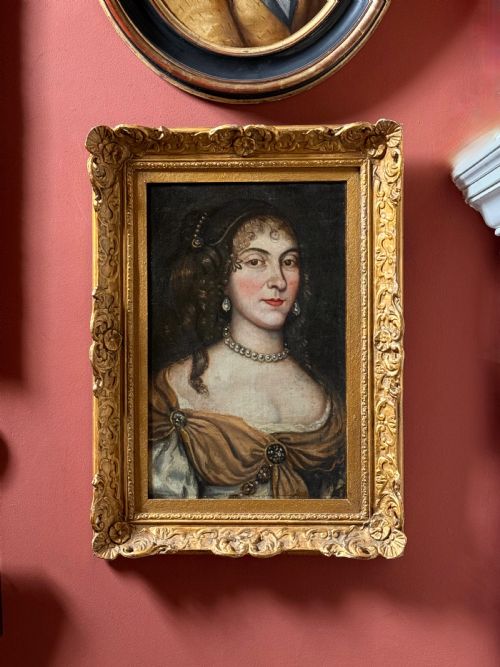
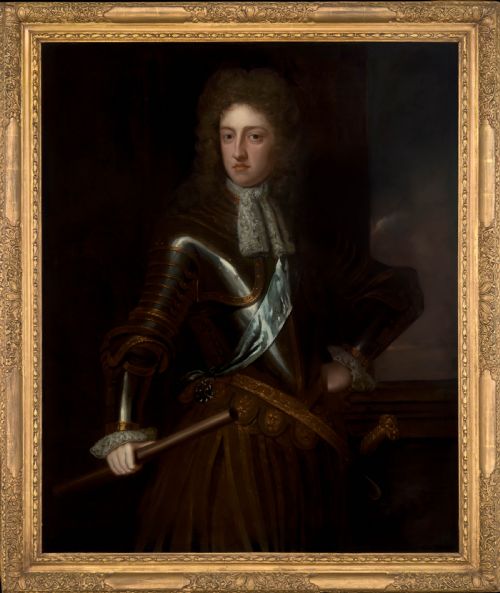
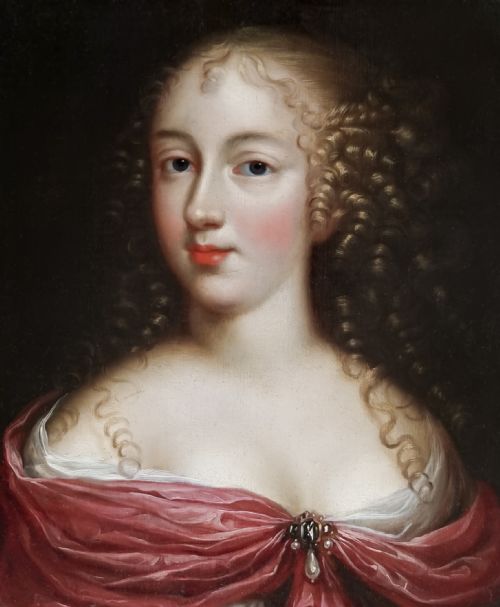
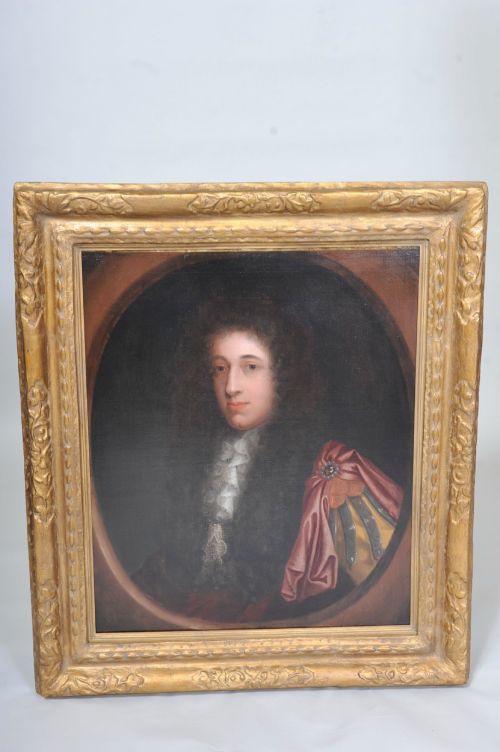
A stuart era oil painting captures the striking likenesses of nobility, clergy and gentry through the distinctive portraiture of the seventeenth century.
Stuart Era Oil Painting
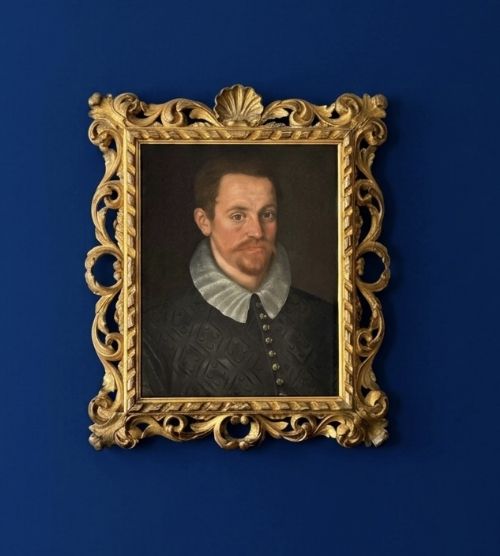
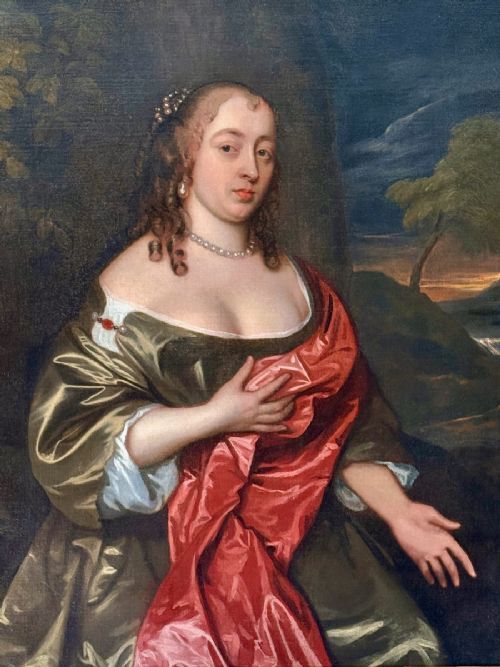
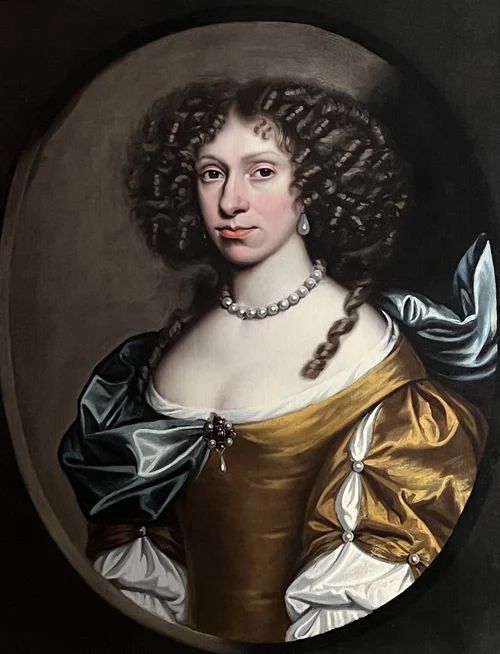
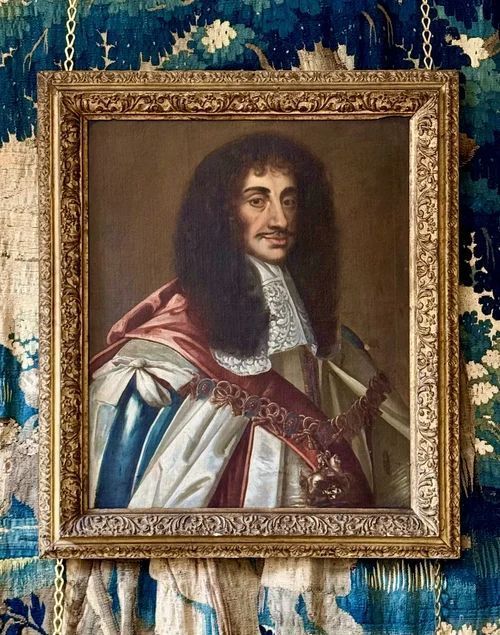
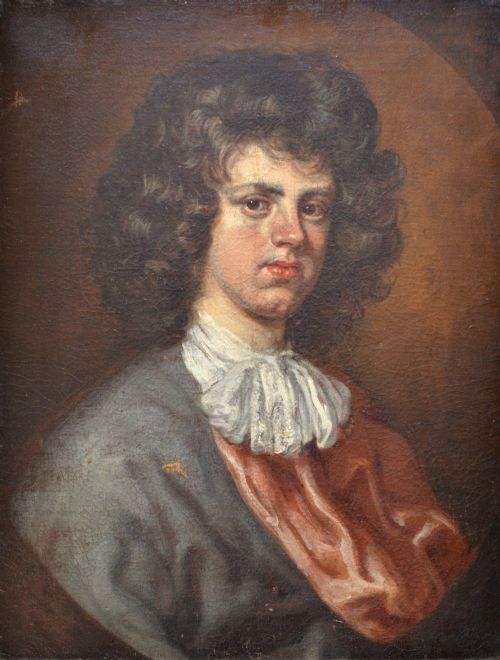
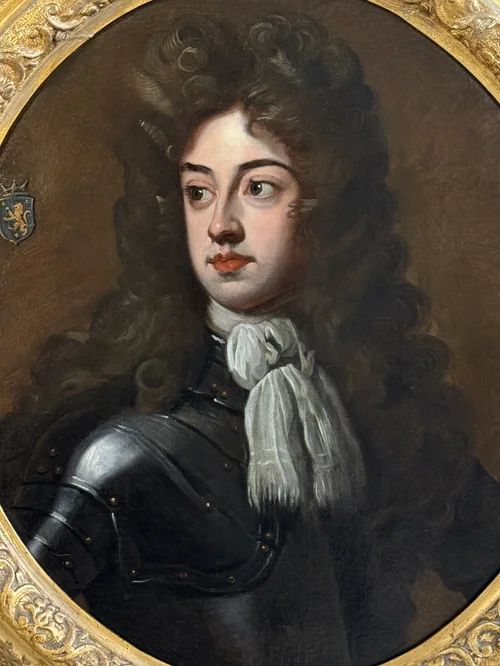
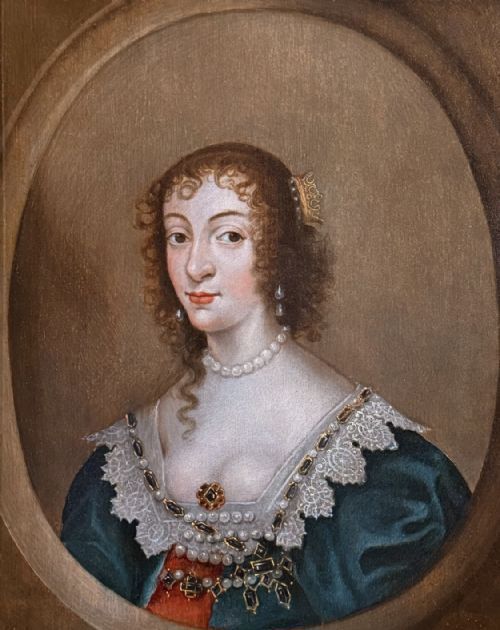
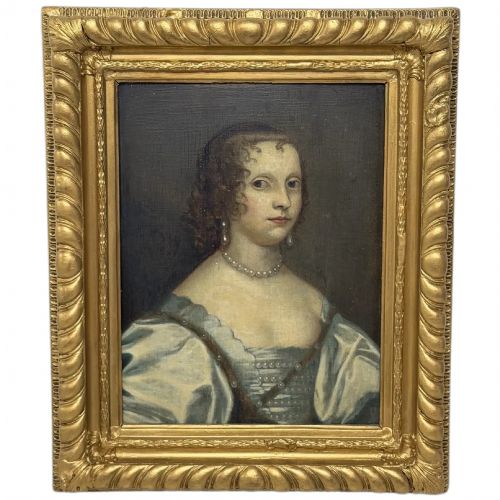
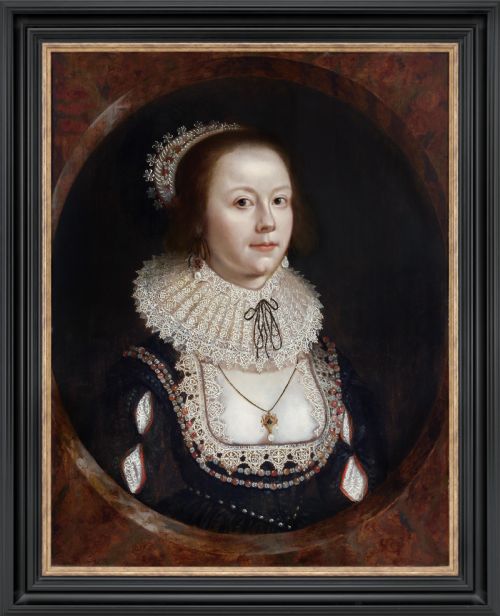
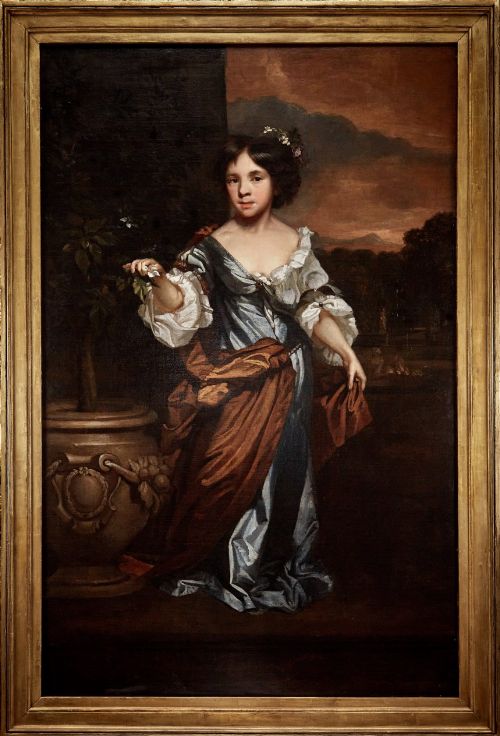
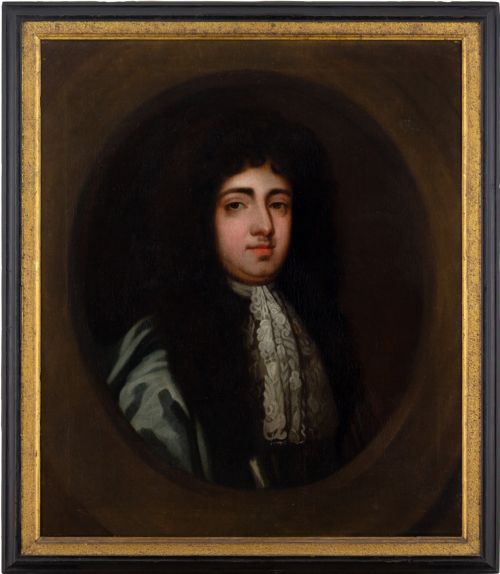
A stuart era oil painting primarily takes the form of a portrait, capturing figures ranging from anonymous gentlemen and noblewomen to monarchs and bishops. These works span the seventeenth century, incorporating styles such as Jacobean, English Baroque and Restoration Stuart.
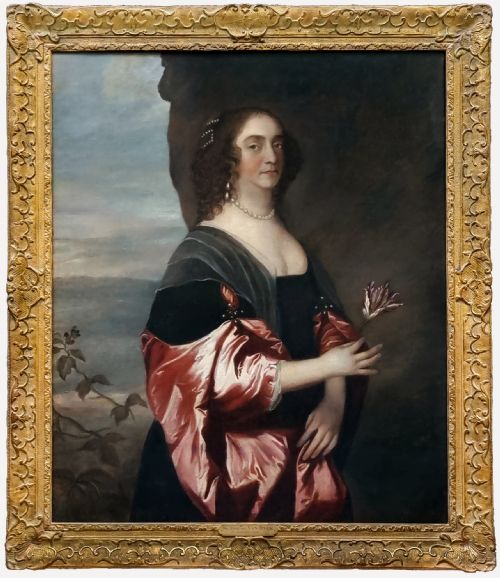
Most pieces encountered on this page depict specific sitters in formal attire, often framed by dark backgrounds, architectural elements or pastoral landscapes. Artists of the period documented the exact costume, lace collars and velvet doublets of their subjects with meticulous observation.
Materials and Technique
The physical foundation of these works relies predominantly on oil paint applied to canvas or wood panels, including oak supports. Pigments were layered to build depth in drapery and flesh tones, capturing the rich texture of satin, gold leaf and embroidered doublets.
Many surviving pieces retain their original or period-appropriate giltwood and gold leaf frames, which complement the dark, dramatic palette characteristic of the baroque aesthetic.
Stuart Era Oil Painting Retail Price Guide 2026
Typical asking prices for stuart era oil painting among the pieces listed under this phrase on Sellingantiques today, from the lower quarter to the upper quarter. They describe what is for sale here now, not the wider market.
Listings feature works executed on both oil on canvas and wood panels, reflecting the dual supports used by seventeenth-century British and European artists.
Factors of Quality
Quality in these portraits rests upon the anatomical precision of the hands and face, alongside the fluid handling of complex textiles like lace and velvet. Works produced directly by master hands or active studio workshops display superior draftsmanship compared to provincial school copies.
The preservation of the pigment layers and the integrity of the canvas or wood panel significantly influence the visual impact of the composition.
John Hayls·David Scougall·Sir Peter Lely·Sir Godfrey Kneller·Pierre Mignard·Mary Beale·John Riley·John Closterman·John Greenhill·Robert More·Michael Dahl·Cornelius Johnson·John Michael Wright·Johann Kerseboom
The Stuart Era Oil Painting Glossary
- Baroque
- A style of European architecture, music and art of the 17th and 18th centuries that followed Mannerism and is characterised by ornate detail. In painting, it often employs deep shadow and dramatic lighting to emphasise form.
- Giltwood
- Wood that has been treated with gold leaf or gold paint to give a metallic surface finish. These carved frames often accompany 17th-century portraits.
- Doublet
- A man's short close-fitting jacket worn from the 14th to the 17th century. In portraits of this era, they frequently feature elaborate embroidery and white ruffs.
- Panel painting
- A painting executed on a flat panel made of wood, such as oak, rather than canvas. This was a common support method before canvas became the dominant medium.
Stuart Era Oil Painting: Frequently Asked Questions
What subjects appear in these paintings?
The subjects are overwhelmingly human, depicting named aristocrats, clergymen, military officers and affluent citizens alongside anonymous sitters. These individuals are typically shown from the chest or waist up, displaying markers of their social status through dress and insignia.
Commissioned to record lineage and personal achievement, the sitters wear contemporary seventeenth-century fashion, including ruffs, lace cravats, armour and velvet gowns.
How do you date a seventeenth century portrait?
Dating relies heavily on the sitter's costume, hair styling and any visible inscriptions, dates or coats of arms on the canvas. Changes in fashion between the Jacobean period, the Commonwealth and the Restoration provide reliable chronological markers.
Comparison with documented works by artists working in the circle of major painters further refines the timeframe of execution.
How should I display an antique oil painting?
These paintings require stable environmental conditions away from direct sunlight, excessive heat sources and damp walls. Maintaining moderate humidity protects both the canvas or wood panel and the historic giltwood frame from warping or cracking.
Proper picture lighting should utilise cool, low-lux bulbs to prevent thermal damage to the aged oil paint surface.