


Early 18th Century Portrait
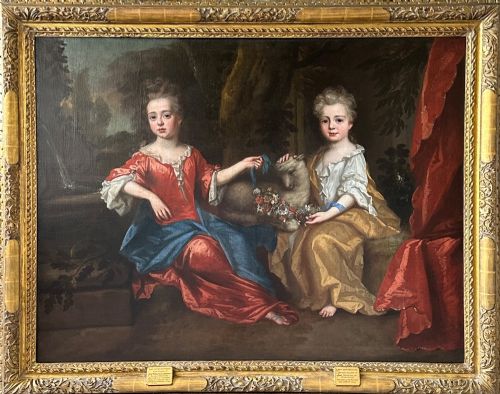
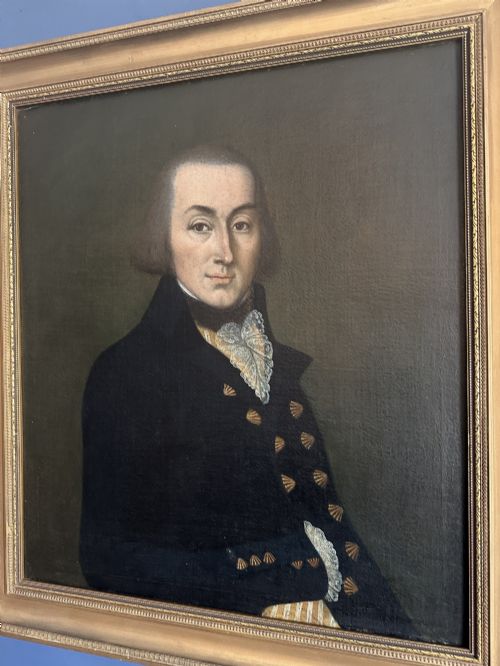
An early 18th century portrait captures the precise gaze and formal attire of the Georgian and Baroque eras, offering an immediate connection to the distant past.
What They Are
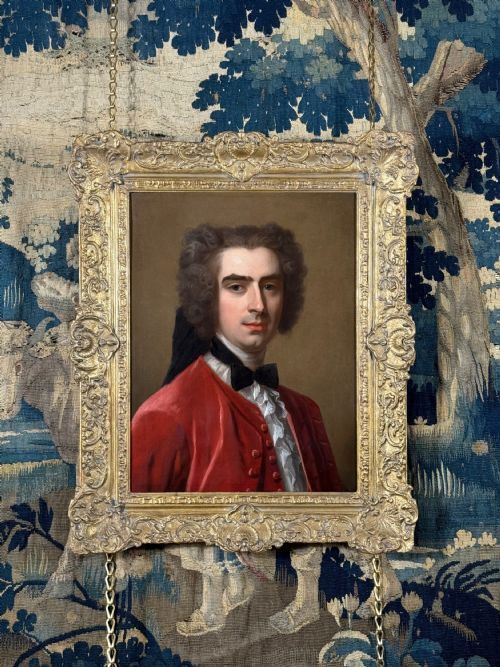
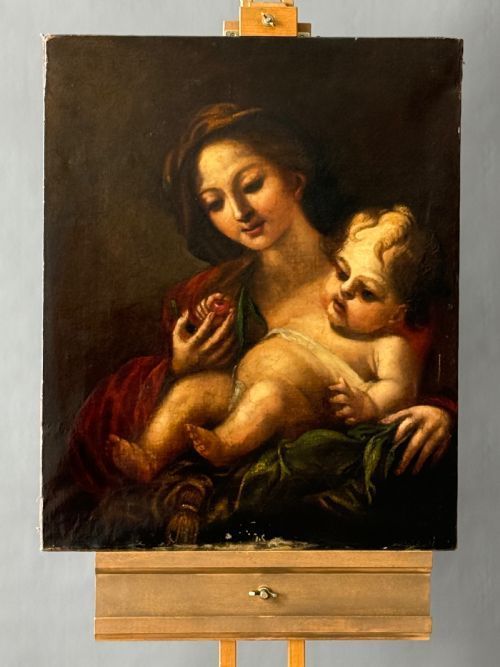
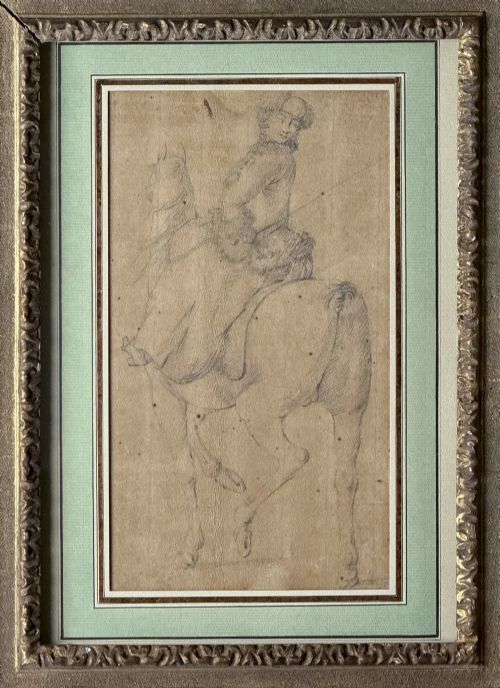
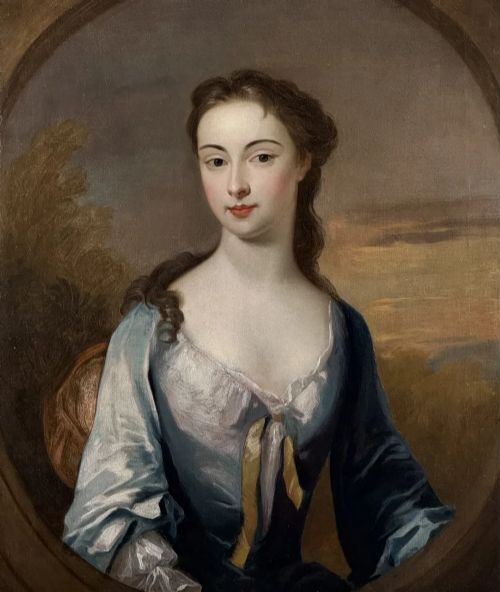
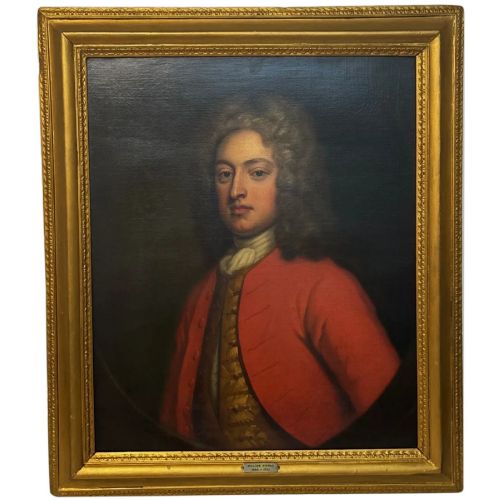
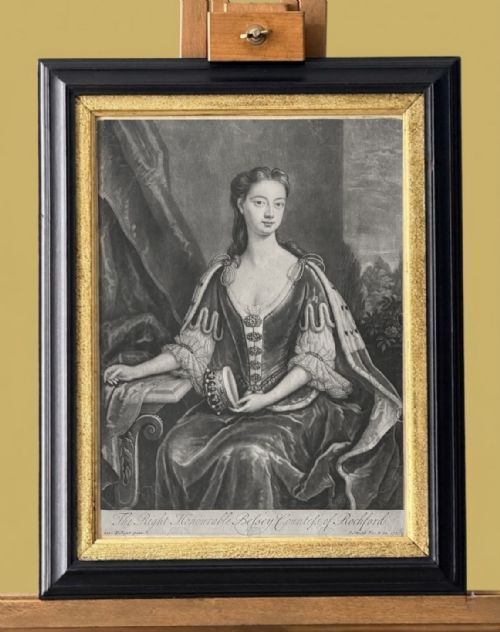
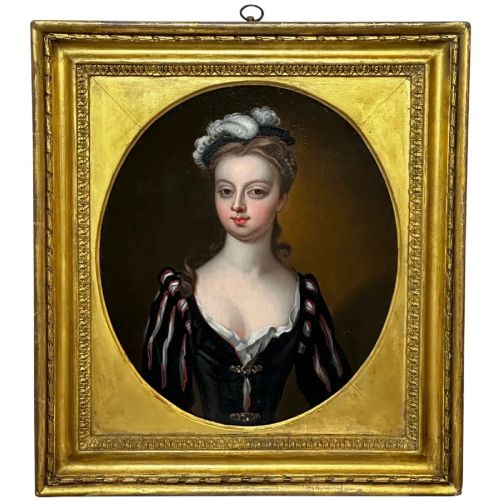
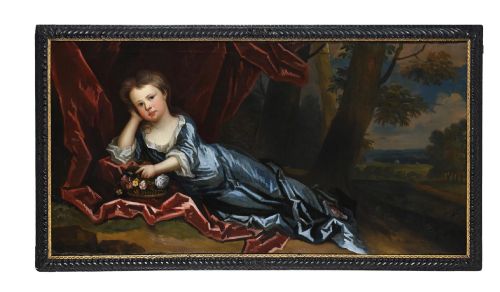
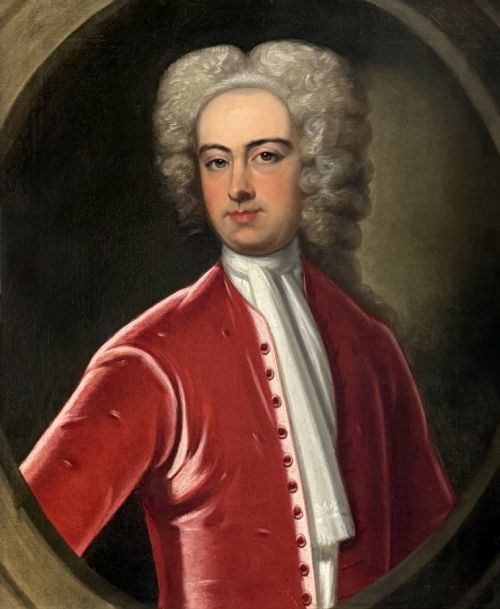
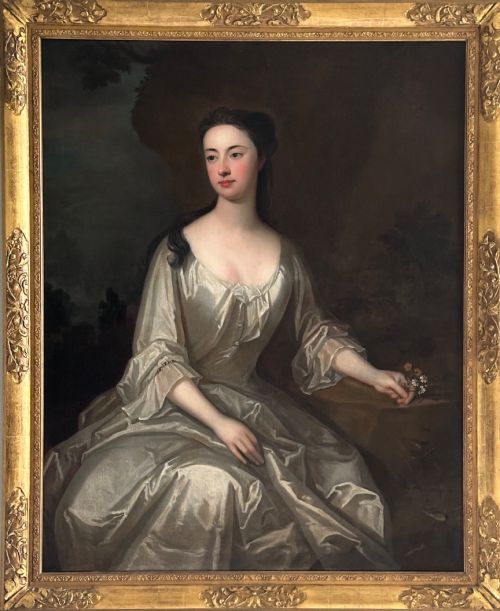
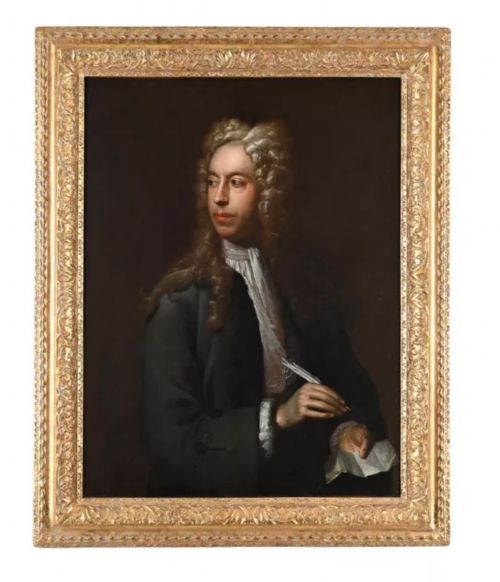
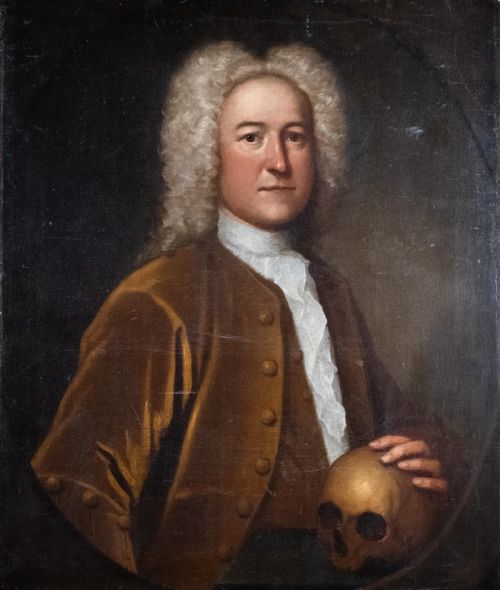
An early 18th century portrait captures sitters ranging from noblemen and scholars to peasants, children, and gentlemen in scarlet jackets or wigs. These oil paintings and occasional pastels or wax busts reflect the British, French, Swiss, and Norwegian schools of the 17th and 18th centuries.
Most examples originate from British Baroque and Georgian contexts, often attributed to notable portraitists or their circles. Subjects appear in formal dress, classical attire, or everyday settings accompanied by dogs and flowers.
How They Were Made
Artists painted primarily with oil paint on canvas, though some works utilise wood panel supports. Canvases are frequently housed in original giltwood frames adorned with gold leaf.
Retail Price Guide 2026
Typical UK retail prices for early 18th century portrait, calculated from the Sellingantiques database of over a million retail prices indexed since 2003. This retail price guide relies exclusively on Sellingantiques data; no external sources or auction records are used, so the figures do not describe the wider market.
One listed canvas preserves the likeness of a champion greyhound named The Miller.
What Varies in Quality
The sophistication of brushwork in the drapery and facial expression defines the distinction between standard workshop output and master execution. Hand-carved giltwood frames display differing levels of depth and intricacy in their ornamentation.
Attribution to documented artists or well-documented contemporary circles elevates historical interest. The survival of original stretched canvas and untouched period frames influences the integrity of the piece.
Jean-Baptiste Van Loo·Michael Dahl·Richard Waitt·Jonathan Richardson·John Verelst·Henrietta De Beaulieu Dering Johnston·Charles Jervas·Charles D'Agar
The Early 18th Century Portrait Glossary
- Baroque
- A style of European art spanning the 17th and early 18th centuries characterised by drama, deep shadow, and rich detail. It informs the theatrical lighting seen in many formal paintings.
- Giltwood
- Wood that has been coated with gold leaf or gold paint to create a lustrous finish. This material is standard for period picture frames.
- Attributed to
- A term used when a work is not signed but stylistic evidence links it to a specific artist or workshop. It denotes strong professional consensus regarding the hand behind the brush.
- Oil on canvas
- A technique involving ground pigments suspended in drying oils applied to a stretched woven fabric support. This combination allows for subtle blending of skin tones and rich fabrics.
Frequently Asked Questions
How do I identify an early 18th century portrait?
Look closely at the costume, particularly the style of wigs, neckwear, and coats worn by the sitters. Fashion changes rapidly during this period, providing reliable chronological markers.
Examine the construction of the canvas and the style of the wooden frame. Original giltwood frames and stretcher bars often corroborate the age of the painting.
Were these paintings always framed in gold leaf?
Giltwood and gold leaf frames were customary for prominent portraits of this era to project status. Many survive in their original carved frames.
Some canvases acquired decorative later frames during subsequent centuries as tastes shifted or damaged mouldings required replacement.
Can I hang an oil painting in direct sunlight?
Direct sunlight damages oil paint and canvas over time, causing pigments to fade and the canvas to become brittle. Position paintings away from intense windows to preserve the colours.
Stable indoor humidity and temperature prevent the wooden stretcher and panel supports from warping or cracking.
What does attributed to mean on a label?
Attributed to indicates that the work shares distinct stylistic characteristics with a named artist. Experts use comparative analysis of brushwork to suggest the likely creator.
It differs from a direct signature, serving as a formal scholarly opinion rather than a documented certainty.