


Clerical Portrait Painting
A clerical portrait painting captures the solemn dignity of ministers, bishops, and cardinals across centuries of religious history.
Clerical Portrait Painting
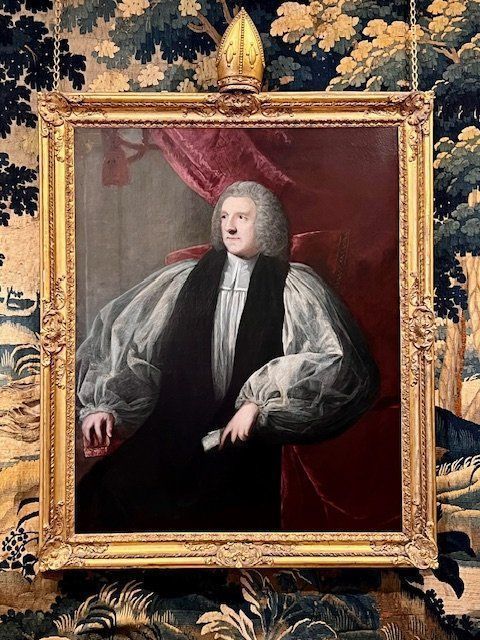
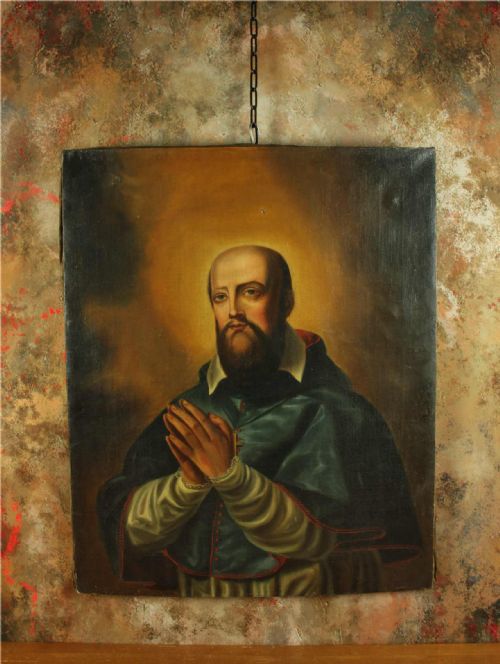
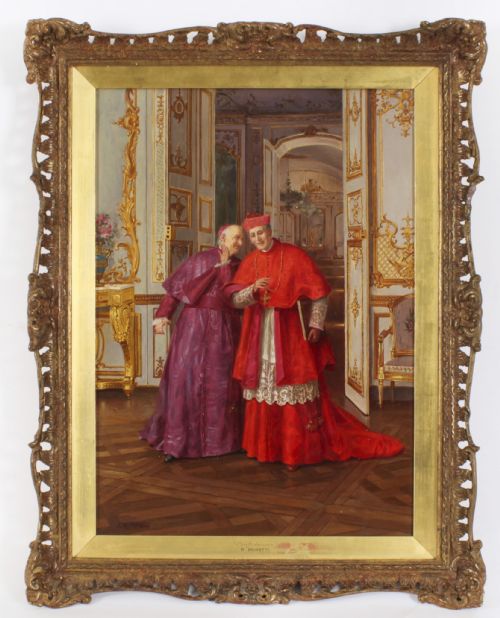
A clerical portrait painting depicts figures of faith, including puritan ministers, cardinals, bishops, and theologians from the seventeenth century onwards. These works record ecclesiastical authority, scholarly devotion, and personal piety through formal portraiture.
The selections available here span British, Italian, and Spanish schools, ranging from earnest provincial depictions to grand academic canvases. Subjects appear in traditional clerical dress, often accompanied by books, drapery, or architectural backdrops that denote their station.
Materials and Construction
Artists painted these works primarily in oil on canvas, though copper and wood panels also appear in earlier examples alongside occasional watercolours. The application of oil paint allows for subtle tonal shifts in skin tones and heavy fabric folds.
Frames are frequently constructed from gilded wood or gesso, providing an ornate boundary that complements the formal gravity of the painted subject.
Clerical Portrait Painting Retail Price Guide 2026
Typical asking prices for clerical portrait painting among the pieces listed under this phrase on Sellingantiques today, from the lower quarter to the upper quarter. They describe what is for sale here now, not the wider market.
Keep an eye out for the monk caught admiring a fish rather than his devotions.
Evaluating Quality
Condition plays a central role, particularly the stability of the canvas and the preservation of the original paint layers beneath historic varnishes.
Sir Joshua Reynolds P.R.A.·Frank Moss Bennett·Frank Hyde·Alan Ramsay·Adriaen Van der Werff·Ernst Stierhof·Eden Upton Eddis·James Ward·Edward Penny
The Clerical Portrait Painting Glossary
- Oil on canvas
- Pigments bound in drying oil applied to a stretched woven fabric support. This combination provides durability and a flexible surface for blending rich tones.
- Gilded wood
- Timber coated with a thin layer of gold leaf or gold-coloured metal powder. This framing technique enhances the visual weight of formal historical artworks.
- Gesso
- A paint mixture consisting of a neutral binder mixed with chalk, gypsum, or pigment. It served as a smooth preparation layer for wooden panels and frames.
- Baroque
- An artistic style characterised by dramatic lighting, deep shadows, and intense emotional expression. Italian and Spanish examples in this tradition emphasise theatrical gravity.
- Academic realism
- A style influenced by European art academies that prioritises accurate anatomy, careful observation, and polished finishes. Portraits in this manner display precise detail in vestments and accessories.
Clerical Portrait Painting: Frequently Asked Questions
What periods do these paintings cover?
The works span from the seventeenth century through the Victorian era into the mid-twentieth century.
Earlier examples reflect seventeenth-century British, Italian, and Spanish schools, while later pieces capture academic realism from the nineteenth and twentieth centuries.
How were these portraits used?
These pieces originally hung in ecclesiastical institutions, universities, and private residences to commemorate church leaders and theologians.
They served as memorials to authority, scholarship, and spiritual devotion within families and religious organisations.
How do I live with an antique oil painting?
Place the artwork away from direct sunlight and sudden temperature fluctuations to protect the canvas and oil pigments.
Ensure the hanging wall is structurally sound to support both the painting and its heavy gilded wood frame.
How can I tell the centuries apart?
Seventeenth-century portraits often feature stiff ruffs, dark backgrounds, and stark lighting typical of baroque or puritan influences.
Nineteenth-century works generally display softer academic realism, looser brushwork, and more relaxed poses for the clergymen.