

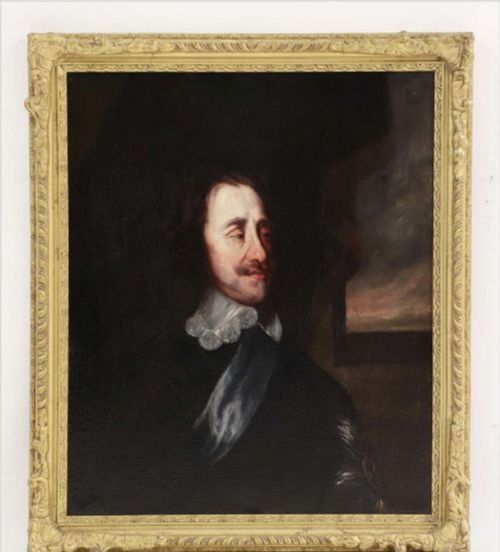
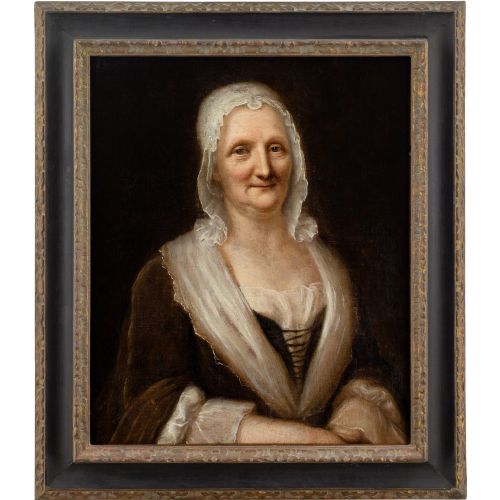
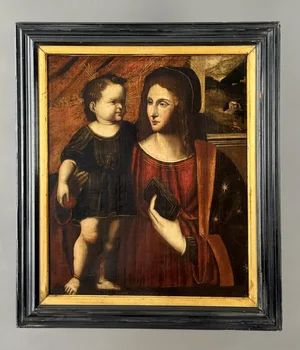
Old Master Oil Portrait
An old master oil portrait captures the presence of earlier centuries through layered pigments on canvas or wood.
Old Master Oil Portrait
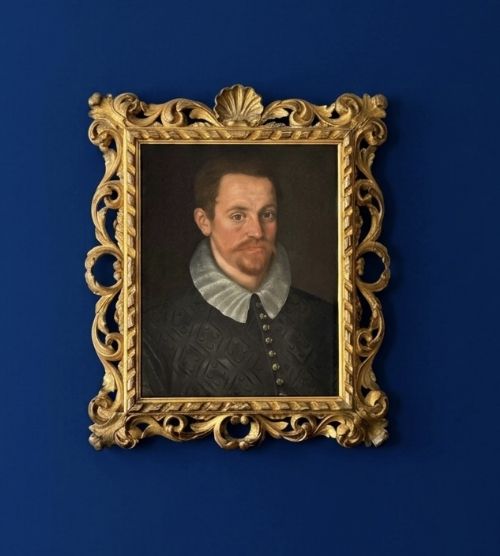
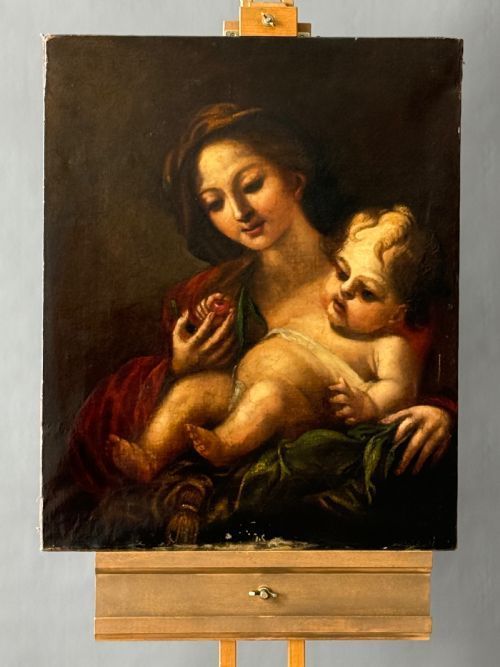
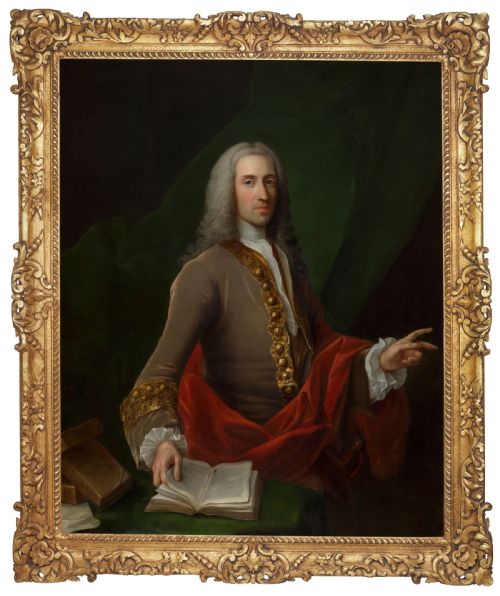
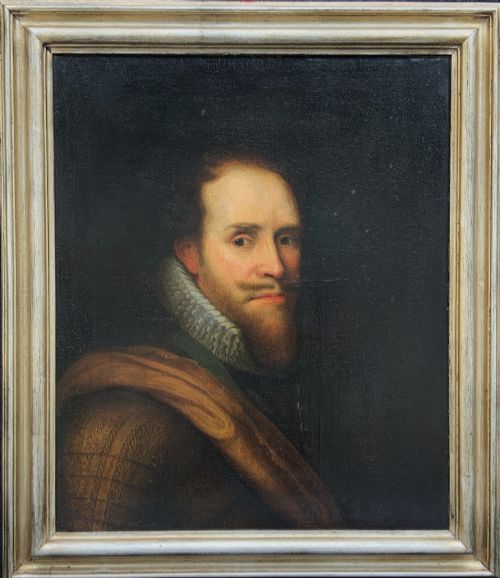
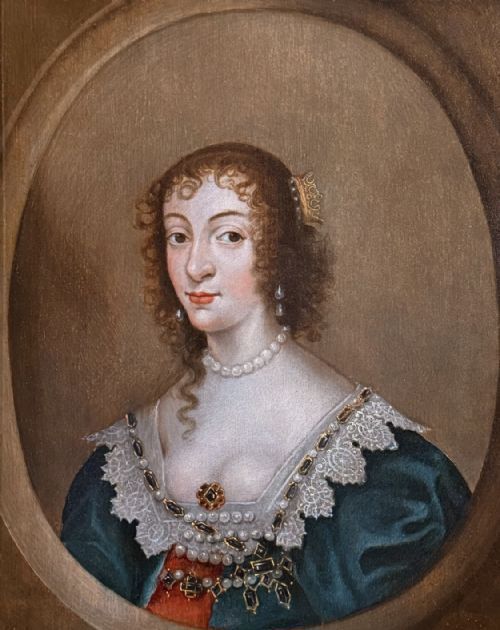
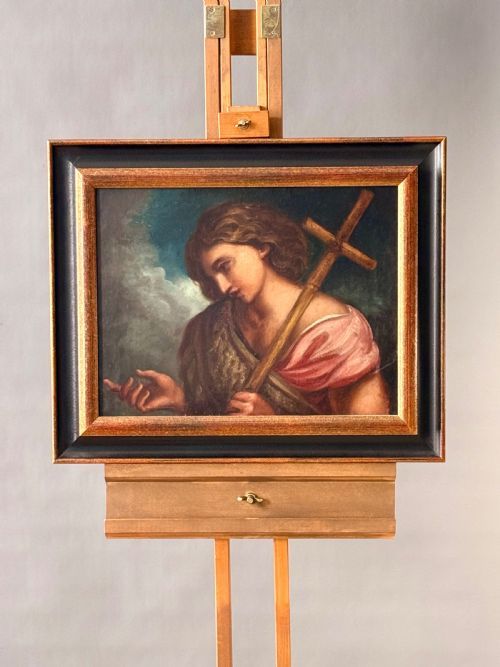
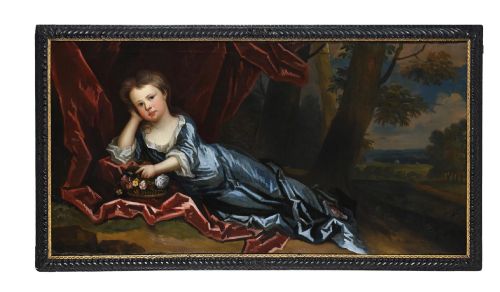
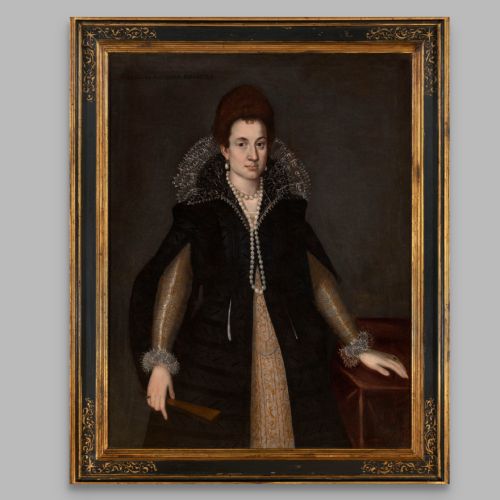
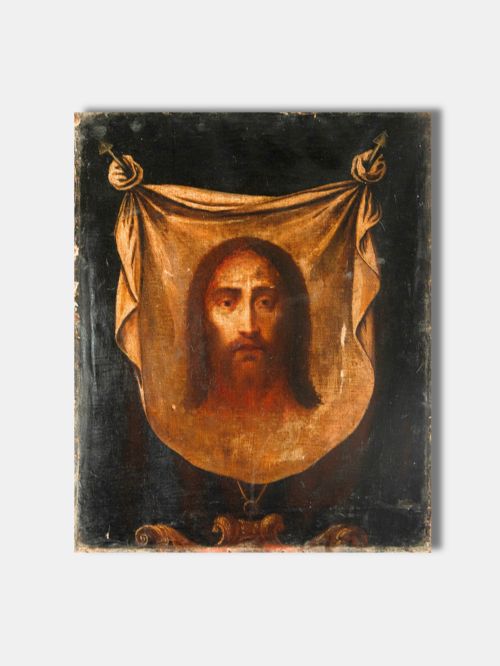
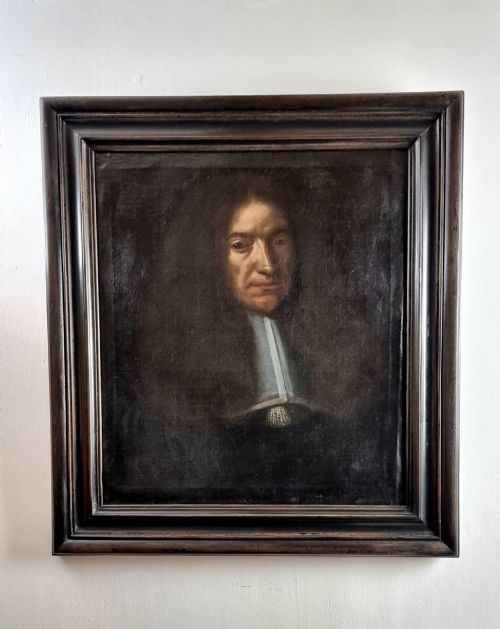
An old master oil portrait depicts figures ranging from nobility to religious subjects, originating primarily from European schools spanning the sixteenth through the eighteenth centuries. These works present individuals in formal attire, such as ruff collars and embroidered doublets, reflecting the social standing and artistic conventions of their respective eras.
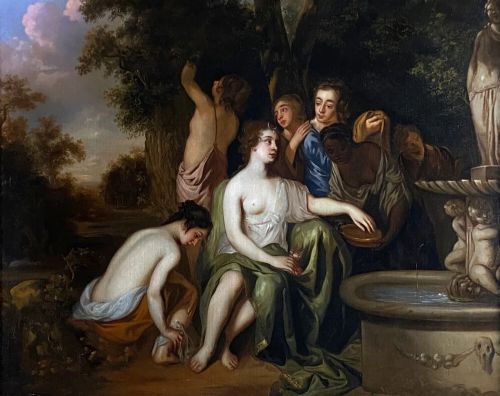
Surviving examples emerge from distinct regional traditions including the Dutch Golden Age, Italian Renaissance, and Spanish Baroque movements. Buyers frequently encounter pieces created by the circle, school, or followers of prominent historical portraitists rather than sole signed works by the masters themselves.
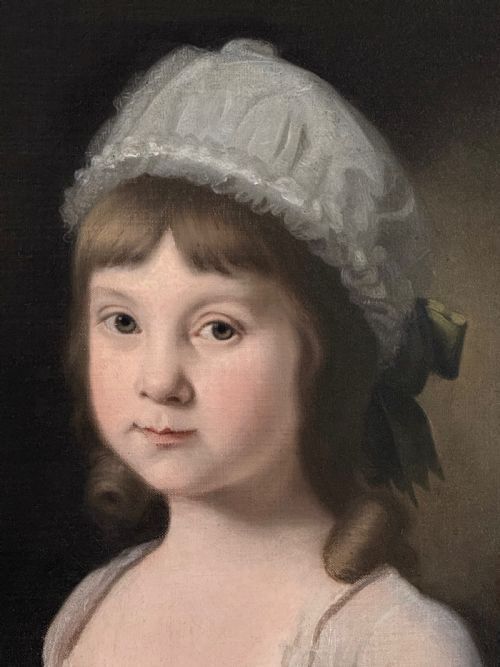
The subjects include monarchs, judges, noblewomen, and children, often preserved within period frames made of gilded wood. These paintings document historical physiognomy and costume through traditional oil techniques passed down through European workshops.
How they were made
Artists painted primarily using oil on woven canvas or prepared wooden panels, applying layers of oil paint to build depth in skin tones and drapery. Pigments were mixed by hand within studio settings, often utilising natural earth colours and minerals bound in drying oils.
Frames made of carved giltwood or gold leaf complemented the finished compositions, providing structural housing that aged alongside the canvas or panel. Workshops employed apprentices who prepared grounds, stretched textiles over wooden supports, and ground raw pigments before brushwork began.
Old Master Oil Portrait Retail Price Guide 2026
Typical asking prices for old master oil portrait among the pieces listed under this phrase on Sellingantiques today, from the lower quarter to the upper quarter. They describe what is for sale here now, not the wider market.
Listings feature oil on canvas and wood panel supports spanning the sixteenth to the nineteenth centuries, incorporating Dutch, Italian, and Spanish schools.
What varies in quality
The refinement of brushwork and the anatomical accuracy of the hands, face, and drapery distinguish superior execution from more routine studio production. Master painters achieved a lifelike translucency in flesh tones and intricate detail in lace and embroidery that lesser hands missed.
The degree of original surface preservation, the stability of the wood panel or canvas support, and the authenticity of the period giltwood frame heavily influence the historical integrity of the piece. Works retaining their early surface layers without heavy modern overpainting command greater interest among collectors.
Sir Peter Lely·Joshua Reynolds·Jeremiah Davison·Charles D Agar·Pietro Fachetti·Pieter Borseler·Adriana Verelst·James Maubert·Nicolaes Maes·Benvenuto Tisi·Francesco Solimena·Hyacinthe Rigaud·Jacob Huysmans·Hans Holbell The Younger·Godfrey Kneller·Gilbert Jackson
The Old Master Oil Portrait Glossary
- Pentimento
- An alteration in a painting evidenced by visible traces of previous brushstrokes, showing where the artist changed their composition during the creative process.
- Giltwood
- Wood that has been coated with gold leaf or gold paint, frequently used for ornate antique picture frames.
- Doublet
- A close-fitting man's jacket worn in Europe during the Renaissance and seventeenth century, often featuring elaborate embroidery.
- Ruff
- A protruding starched collar worn by men and women during the sixteenth and seventeenth centuries, constructed in intricate pleated folds.
- Panel
- A flat wooden board used as a rigid support for oil painting before stretched canvas became the dominant medium.
Old Master Oil Portrait: Frequently Asked Questions
What is an old master portrait?
An old master portrait is a painting executed by a European artist before the nineteenth century, typically depicting human subjects in historical dress.
These works reflect the artistic standards and cultural values of periods such as the Dutch Golden Age and the Italian Renaissance.
How can I tell the age of a painting?
Age is determined by examining the materials, such as the weave of the canvas, the construction of the wooden panel, and the composition of the paint layers.
Style of dress, hair, and framing conventions also offer reliable clues to the decade or century of creation.
What does circle of an artist mean?
The term indicates that a painting was produced by an anonymous hand working in the studio or under the direct influence of a master.
These pieces share the technical style and aesthetic qualities of the named painter without being signed by them.
Where should I hang an oil portrait?
These portraits suit spaces with stable humidity and temperature away from direct sunlight, which can degrade old pigments and canvas.
Pairing them with traditional interiors allows the gilded wood frame and dark background tones to complement the surrounding room.