




Dutch School Portrait Painting
These works capture character through careful oil paint application, spanning periods from the seventeenth century onward.
Dutch School Portrait Painting
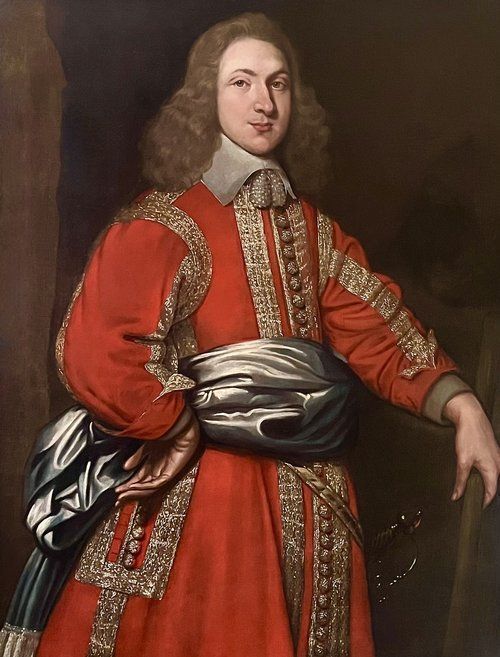
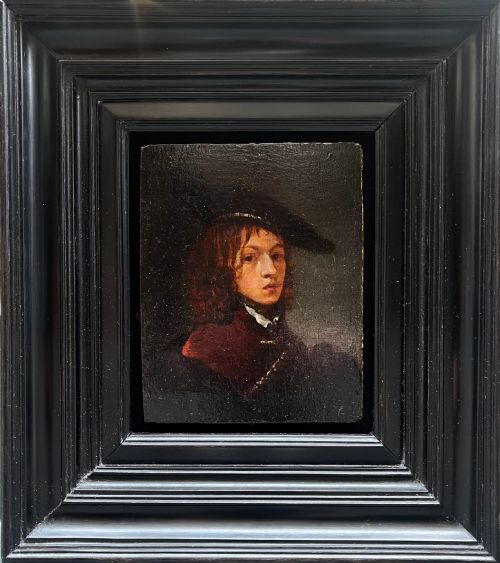
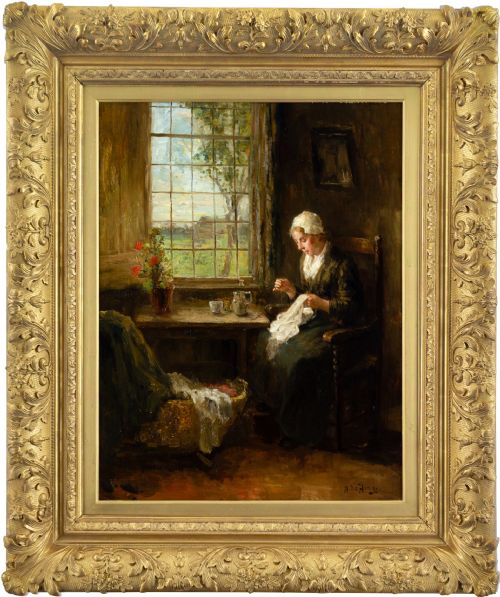
When you search for dutch school portrait painting, you encounter oil on canvas or wooden panel depictions of noblemen, military officers, and ordinary figures. The pieces on this page range from seventeenth century originals and period copies to later nineteenth century interpretations and twentieth century revivals.
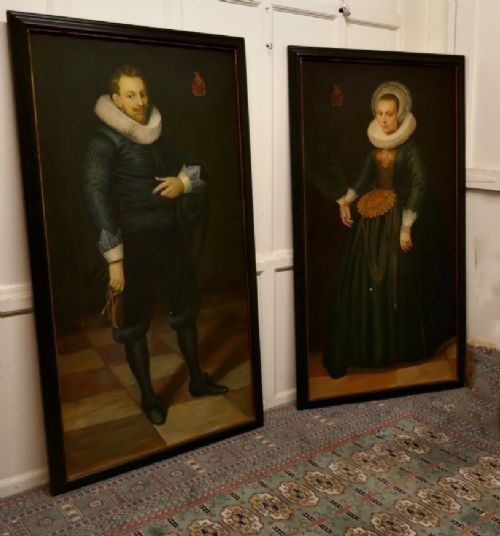
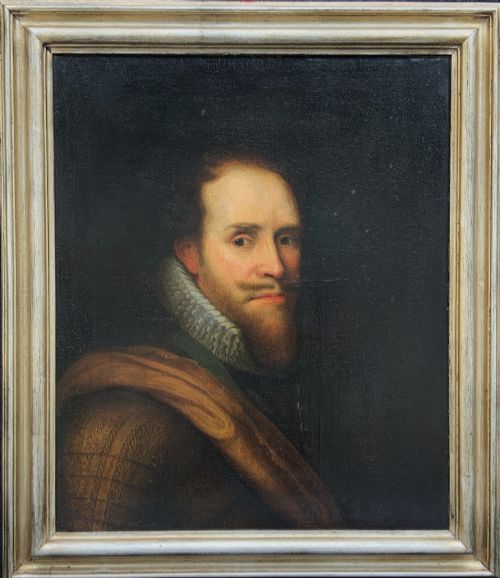
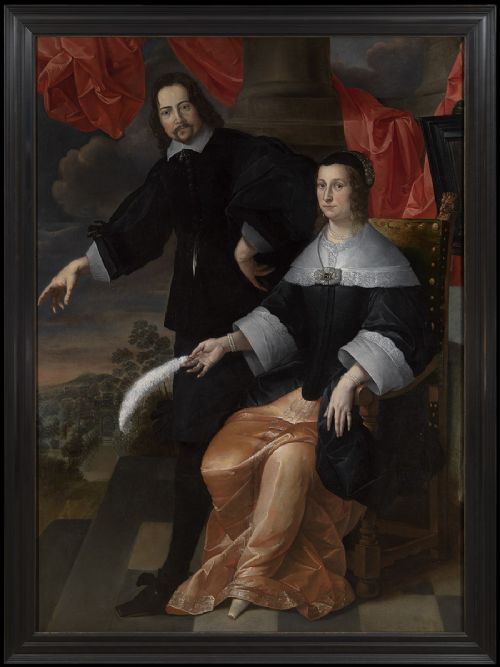
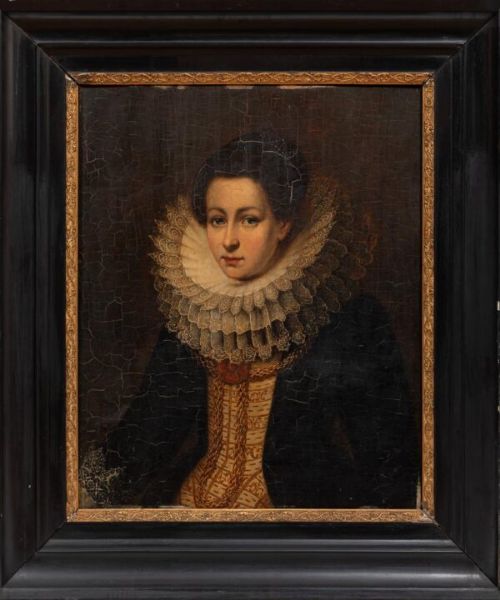
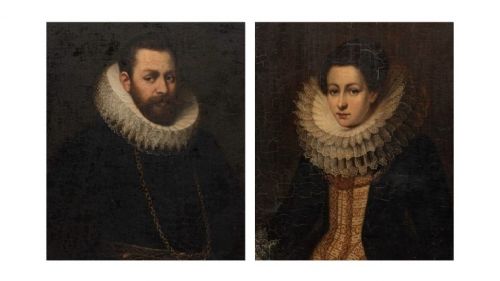
Subjects appear individually or in pairs, often displaying ruff collars or traditional garments. You will find seventeenth century depictions of princes and officers alongside later works created in the manner of earlier masters.
The selections include works attributed to specific circles, followers, and named artists working within northern European and Flemish traditions. Panel paintings and canvas works present half-length and full-composition studies reflecting centuries of portraiture development.
Materials and construction
These works rely on oil paint applied to prepared canvas, wooden panels, vinyl canvas, or canvas boards. Painters utilised rich oil pigments to build depth in clothing, skin tones, and background shadows.
Listings feature oil paintings on canvas and wood spanning the seventeenth, eighteenth, and nineteenth centuries, alongside twentieth-century works.
Judging quality in these works
The sophistication of the underlying composition and the fidelity of the execution distinguish accomplished period works from later derivative pieces. Preservation of the original paint layer and the character of the associated gilt frame also influence the overall standing of an item.
Cornelis Van Der Voort·Bartholomeus van der Helst·Rembrandt·Bernard De Hoog·David Teniers The Younger·Quirijn Van Brekelenkamp·Jozef Israëls·Pieter Cornelis Steenhouwer·Nicolaes Maes·Frans van der Mijn·Wybrand de Geest·Willem Wissing·Abraham Lambertsz van den Tempel
The Dutch School Portrait Painting Glossary
- Oil on Canvas
- A painting medium where pigments suspended in drying oils are applied to a stretched woven fabric support. This combination allows for smooth blending and rich tonal depth.
- Gilt Wood
- Timber carved and surfaced with a thin layer of gold leaf or gold-coloured metal powder. It provides decorative framing for period artworks.
- Panel Painting
- An artwork executed on a flat piece of wood rather than fabric. These rigid supports were common in early northern European workshop practices.
- Manner of
- A term used when an artist works closely in the stylistic tradition of a master without directly copying a known work. It indicates shared techniques and aesthetic choices.
- Dutch Golden Age
- A period in seventeenth-century history marked by notable achievements in trade, science, and the arts. Portraiture from this time focused on realistic depiction and psychological depth.
Dutch School Portrait Painting: Frequently Asked Questions
What is a dutch school portrait painting?
These pieces are oil paintings depicting individuals created by artists working in the Netherlands or influenced by northern European traditions. They capture subjects ranging from nobility and military officers to musicians and everyday figures.
The selections on this page span several centuries, including authentic seventeenth-century works, later nineteenth-century homages, and twentieth-century interpretations. Each piece reflects the evolving techniques and cultural values of its production period.
How were these portraits displayed?
Historical portraits were typically hung in domestic reception rooms, galleries, and public halls to project status, lineage, or professional achievement. Pair portraits of husbands and wives were often displayed together to commemorate marriages and family alliances.
In modern spaces, these works function as focal points in studies, living rooms, or hallways. Pairing them with traditional or contemporary interior elements creates a striking visual contrast.
How do I identify seventeenth-century works?
Seventeenth-century pieces often feature distinct clothing styles such as intricate ruff collars, velvet doublets, and military regalia associated with the period. The handling of oil paint, the ageing of the canvas or wooden panel, and documentation regarding circles of known masters help determine the era.
Many listings provide contextual details linking the piece to specific artists or stylistic movements like the Dutch Golden Age. Consulting these historical markers clarifies the approximate date of creation.
How do I care for antique oil paintings?
Maintain stable indoor humidity and temperature levels to prevent the canvas from slackening or the wooden panel from warping. Keep the artwork away from direct sunlight to protect the oil pigments from fading over time.
Dust the surface gently with a soft, dry brush without applying pressure. Avoid using liquid cleaners or chemical solvents on the painted surface or the gilt wood frame.