
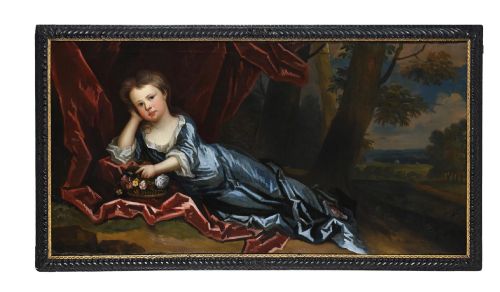
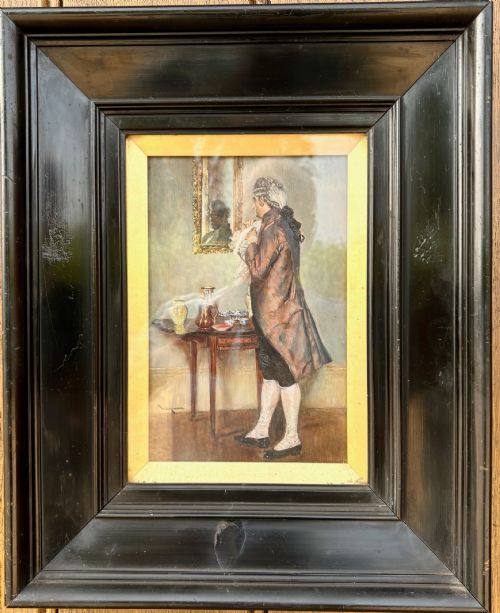
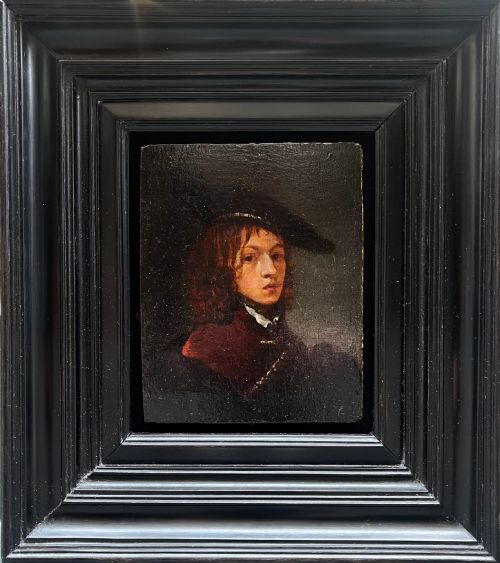
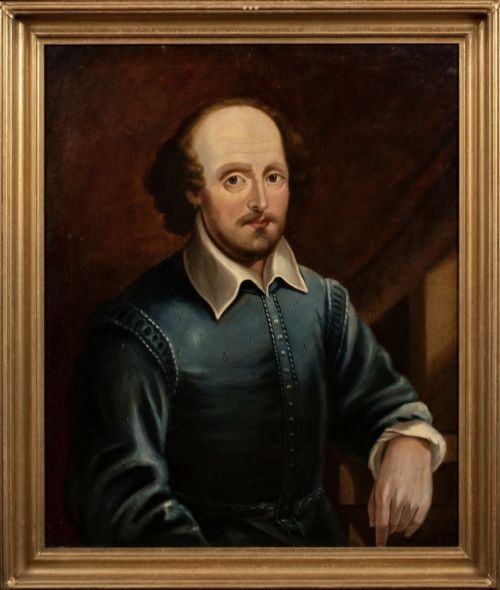


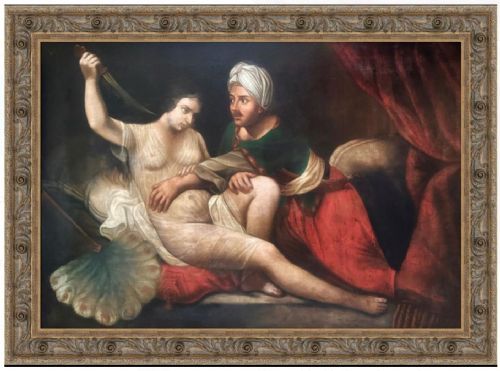

Historical Figure Oil Painting
A historical figure oil painting brings notable personalities and narrative scenes from past centuries directly onto canvas.
Historical Figure Oil Painting
A historical figure oil painting captures named individuals, literary figures, and narrative historical moments executed in oil paint. Buyers searching for this phrase encounter portraits of historical personages alongside genre scenes involving identifiable characters from past centuries.
The pieces on this page span from the seventeenth century through to the mid-twentieth century, encompassing British, Dutch, and Italian schools. Works range from intimate cabinet portraits on board to large canvases depicting notable historical and literary subjects.
How these oil paintings were constructed
These works utilise oil paint applied to supports such as canvas, wood panel, or board. Canvases are frequently stretched over wooden frames, whilst board and panel provide rigid supports for finer detail.
Many of these paintings are housed within giltwood frames that complement the period of the artwork. Pigments layered upon the canvas create depth and tonal variation characteristic of traditional oil painting techniques.
Listings feature works spanning the seventeenth, eighteenth, nineteenth, and twentieth centuries, executed in oil on canvas, wood, and board.
What distinguishes quality in these works
Quality in a historical figure oil painting rests upon the skill of the brushwork and the conviction of the characterisation. Superior examples display confident handling of light, shadow, and facial expression.
Provenance and attribution also influence the standing of a piece, with works by documented artists or established regional schools carrying distinct academic interest compared to anonymous studio copies.
Charles D’Agar·Thomas Spinks·Johann Hamza·Thomas Hicks·John Watkins Chapman·John A. Houston·Peter Paul Rubens·Pietro D’asaro·Andrea Celesti·Frank Moss Bennett·Hans Holbein·Rolinda Sharples·Willem Johannes Martens·Ramsay Richard Reinagle·Jules Girardet·Abraham Cooper·John Partridge·Rembrandt Harmenszoon van Rijn·John Verelst
The Historical Figure Oil Painting Glossary
- Oil on canvas
- A painting technique where oil-based pigments are applied to a woven fabric support. This combination offers flexibility and allows for rich colour blending.
- Genre painting
- The pictorial representation of scenes from everyday life involving ordinary people. These works often depict domestic interiors, card games, or social interactions.
- Giltwood
- Wood carved and covered with a thin layer of gold leaf. This material is commonly utilised for period picture frames.
- School
- A group of artists sharing a similar style, time period, or geographical region, often following the methods of a master. Attributions to a specific school denote stylistic lineage rather than direct authorship.
Historical Figure Oil Painting: Frequently Asked Questions
What is a historical figure oil painting?
A historical figure oil painting is a work of art depicting a specific person from history, literature, or mythology. These pieces often record likenesses of rulers, poets, mathematicians, and statesmen.
Such artworks utilise oil pigments on canvas or board to preserve the appearance and status of notable individuals for posterity.
How were these paintings displayed?
Historically, portraits and narrative paintings were hung within domestic interiors, libraries, and galleries to display lineage, taste, or learning. They served as focal points in reception rooms.
Original giltwood frames were selected to enhance the visual weight of the canvas and complement interior decoration schemes of the period.
How do I identify the period of a painting?
Dating a painting involves examining the costume, hair styling, and accessories worn by the subject. Canvas preparation, stretcher construction, and framing styles offer further physical clues.
Inscriptions, signatures, or labels on the reverse of the canvas or board often provide direct evidence regarding the date and sitter.
What subjects are common in these works?
Common subjects include monarchs, military commanders, authors, and figures drawn from classical mythology or theatrical performances. Narrative genre scenes also feature historical characters engaged in daily activities.
Artists frequently portrayed sitters wearing formal attire, uniforms, or period costume appropriate to their station and occupation.