


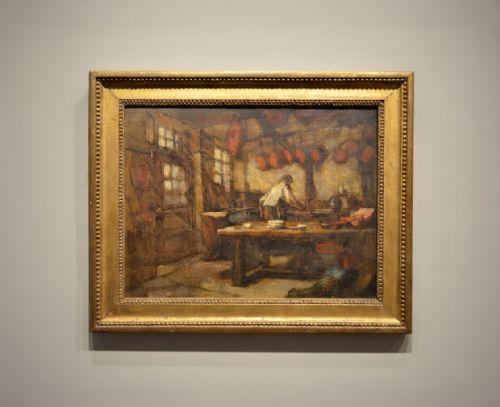


Academic Realism Canvas Art
Academic realism canvas art brings detailed figurative oil paintings from the nineteenth and twentieth centuries straight to your wall.
Academic Realism Canvas Art
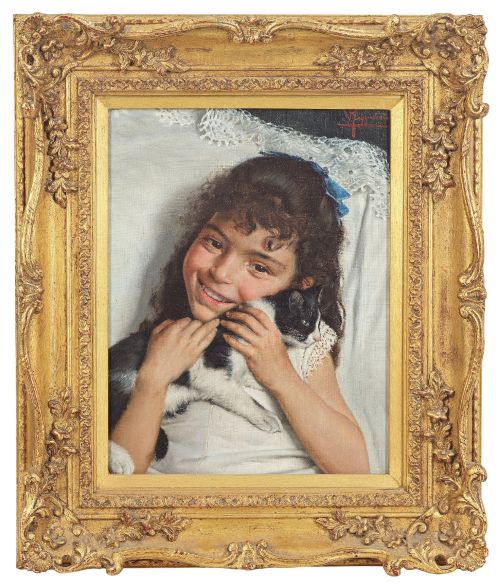
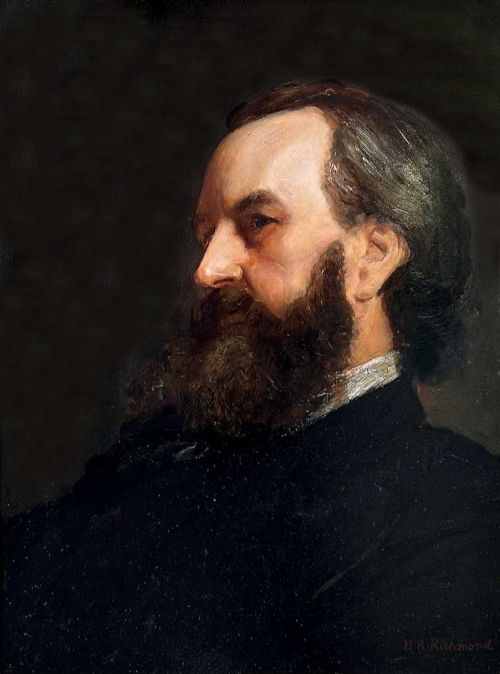
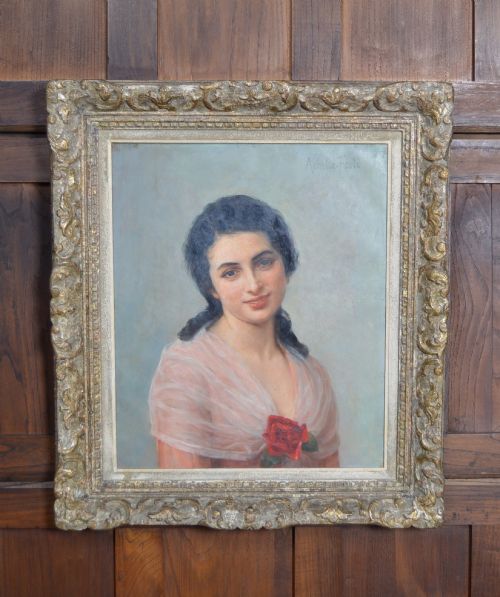
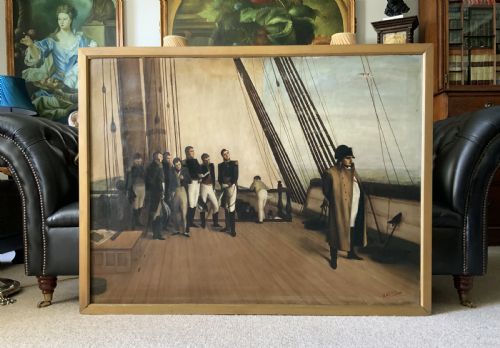
Academic realism canvas art covers oil paintings executed on canvas, spanning portraiture, maritime scenes, interiors, and genre subjects created across the nineteenth and twentieth centuries. These works stem from formal academic traditions, particularly French and 19th-century realisms, showing precise draftsmanship and careful observation of human and animal subjects.
The pieces on this page include framed portraits of gentlemen and women, historical genre scenes, and maritime compositions by named European artists. Makers range across the Victorian era into the mid-twentieth century, employing traditional techniques on stretched canvas within giltwood or gesso frames.
Materials and techniques
Artists apply oil paint directly onto a prepared canvas support, utilising the medium's slow drying time to achieve smooth tonal transitions and fine detail. This combination allows for subtle blending in skin tones and fabrics.
Finished works sit within decorative wooden frames, often ornamented with gesso and finished in gilt wood or gold leaf. These frames complement the formal presentation typical of academic fine art paintings.
One canvas captures a lion and lioness under the watchful eye of a nineteenth-century artist.
Judging quality
Quality rests upon the artist's command of anatomy, expression, and brushwork, distinguishing accomplished portraiture from standard workshop output. The handling of light across fabrics and skin reveals the painter's technical discipline.
Condition of the canvas and the integrity of the original giltwood or gesso frame also matter. Intact paint layers without extensive overpainting preserve the visual strength intended by the artist.
Vittorio Reggianini·William Blake Richmond·Johann Hamza·Charles Zacharie Landelle·Ferdinand Victor Leon Roybet·Thomas Couture·Pierre Louis Joseph De Coninck·Arthur Spooner·Geza Vastagh·Alfred Seifert·George R Havelka
The Academic Realism Canvas Art Glossary
- Oil on Canvas
- Pigments bound in a drying oil, typically linseed oil, applied to a woven fabric support stretched over a wooden frame. This combination provides a durable and flexible surface for detailed academic painting.
- Giltwood
- Wood carved and coated with gold leaf or a gold-coloured metallic finish. It frames many nineteenth-century paintings to enhance their visual presence.
- Genre Painting
- Art depicting scenes or events from everyday life, such as card players or domestic interiors. These works capture social narratives rather than formal portraiture.
- Gesso
- A paint mixture consisting of a neutral binder mixed with chalk, gypsum, or pigment. It prepares wooden frames and panels to receive gilding or paint.
Academic Realism Canvas Art: Frequently Asked Questions
What is academic realism canvas art?
Academic realism canvas art comprises oil paintings created according to the rigorous standards of nineteenth and twentieth-century European art academies. These works focus on lifelike figures, portraits, and narrative scenes.
The pieces emphasise technical skill, accurate anatomy, and careful tonal modelling, often presented in ornate giltwood frames.
How do I hang and light these paintings?
Hang oil paintings on canvas away from direct sunlight and steady sources of heat to protect the paint and canvas. Use picture wire secured to sturdy wall fixings suited to the weight of the frame.
Consider a dedicated picture light mounted above the frame to illuminate the canvas evenly without generating excessive warmth.
How do I date an academic oil painting?
Dating relies on signatures, artist lifespans, exhibition labels, and stylistic markers characteristic of specific decades like the Victorian era or 1900s. Canvas stamps and frame construction also offer chronological clues.
Examining the stretcher bars and ageing of the oil paint helps confirm the period of creation.
What subjects appear in these works?
Subjects include formal portraits of gentlemen and women, historical genre scenes, maritime battles, and animal studies. Artists often depicted detailed domestic interactions and literary or romantic narratives.
Everyday human activity and psychological characterisation remain central themes across the available portraits.