


Rococo Style Gilt Frame
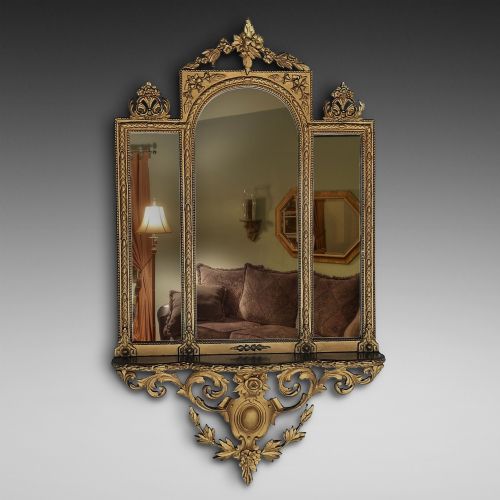
A rococo style gilt frame brings flowing, asymmetrical curves and brilliant metallic warmth to any room, housing mirrors and artworks alike.
Rococo Style Gilt Frame
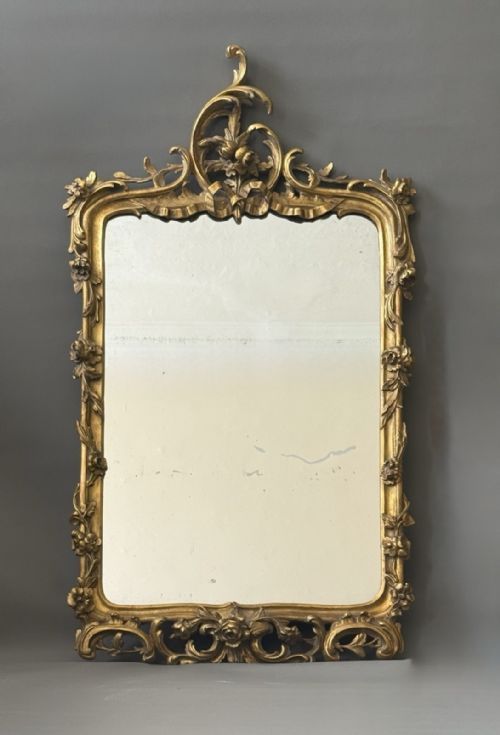
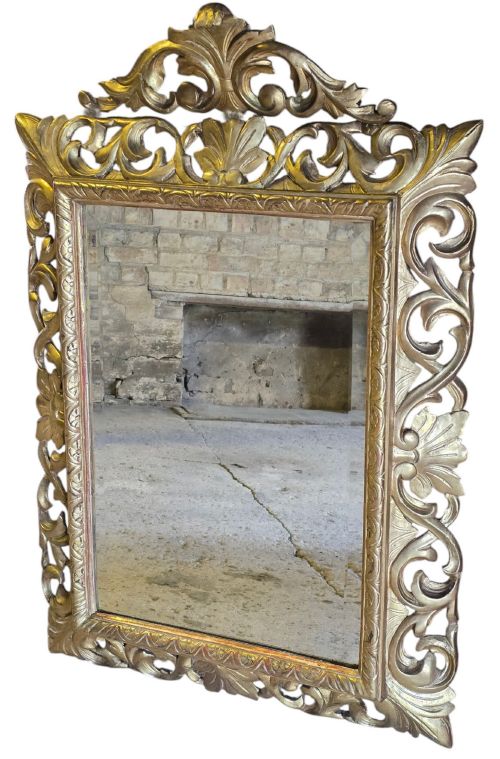
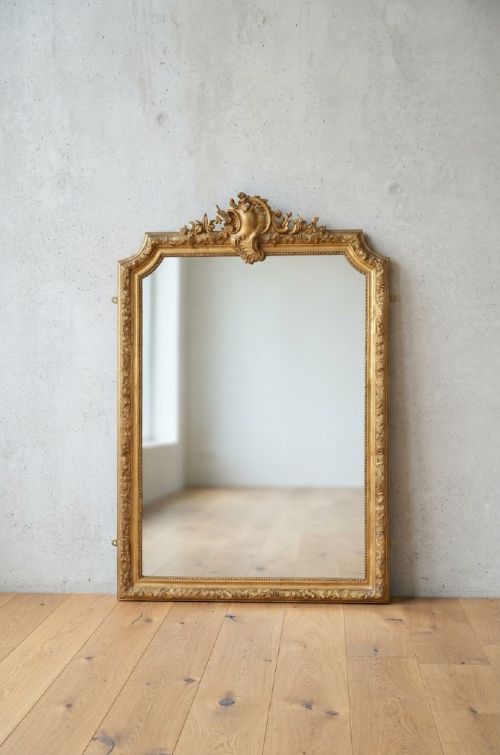
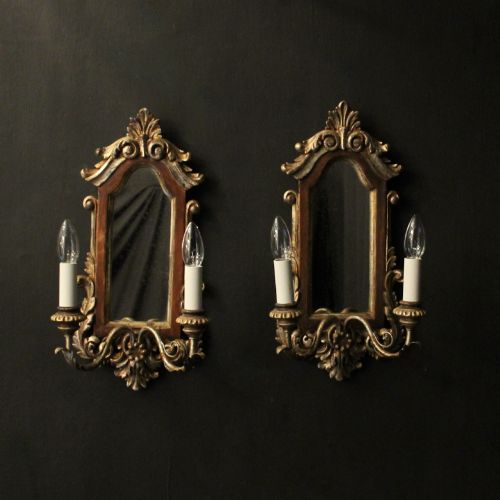
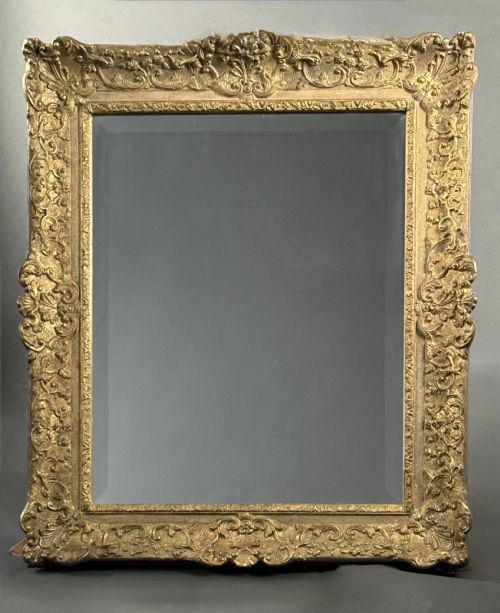
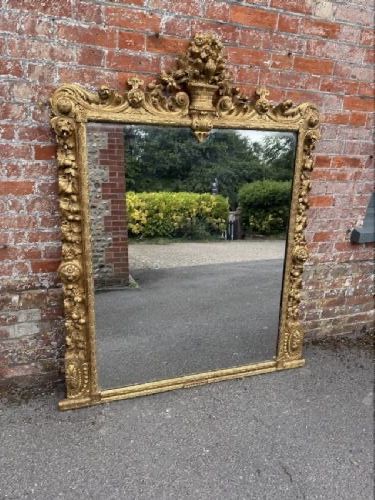
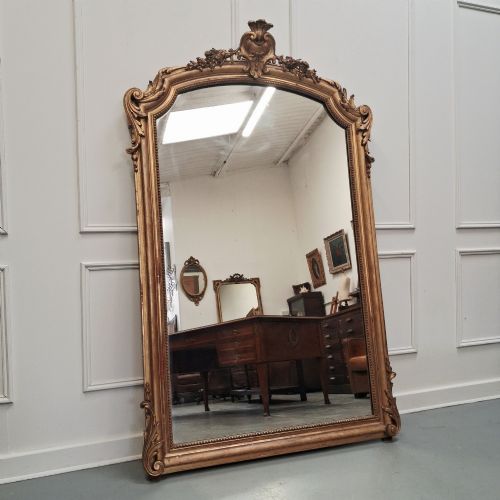
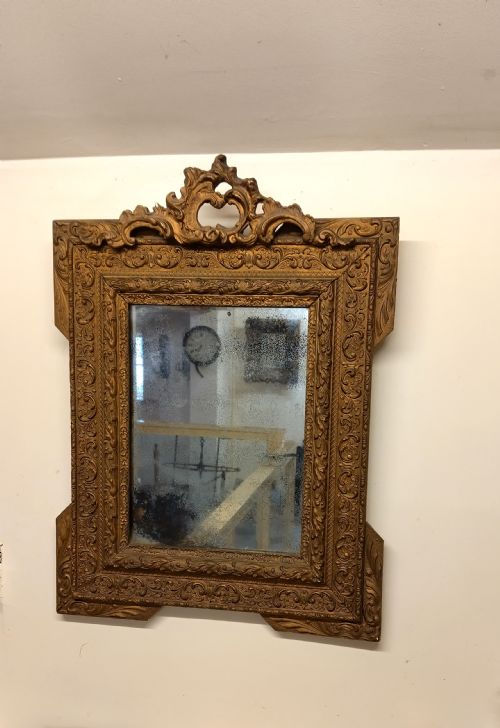
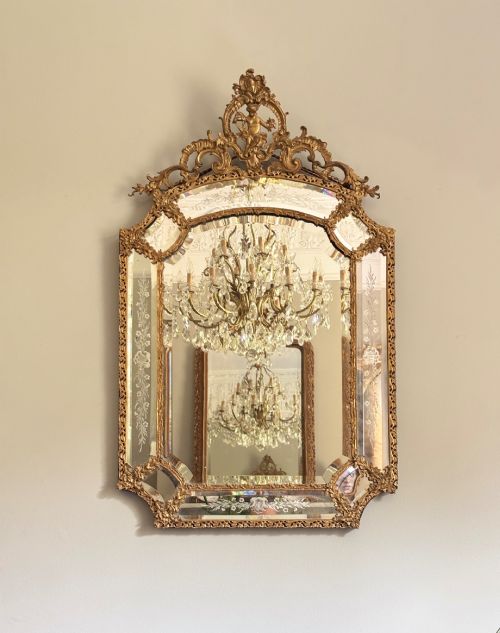
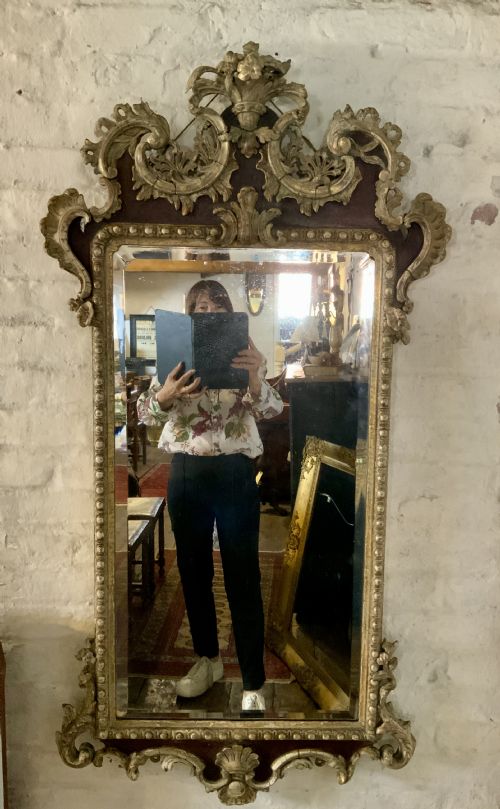
When you search for a rococo style gilt frame, you encounter ornate furnishings designed to catch the eye with lively, naturalistic motifs. The selections span French, Italian, and English aesthetics, predominantly taking the form of large wall mirrors, overmantel mirrors, and picture frames.
The objects date from the eighteenth century through the twentieth century, capturing revivals that echo earlier periods. You will frequently meet nineteenth-century interpretations, including Victorian and French Rococo Revival pieces, alongside items from the Edwardian era and mid-twentieth century.
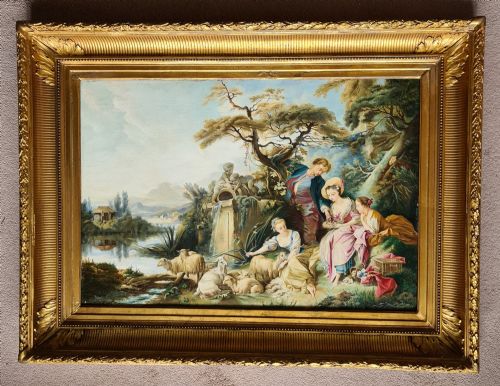
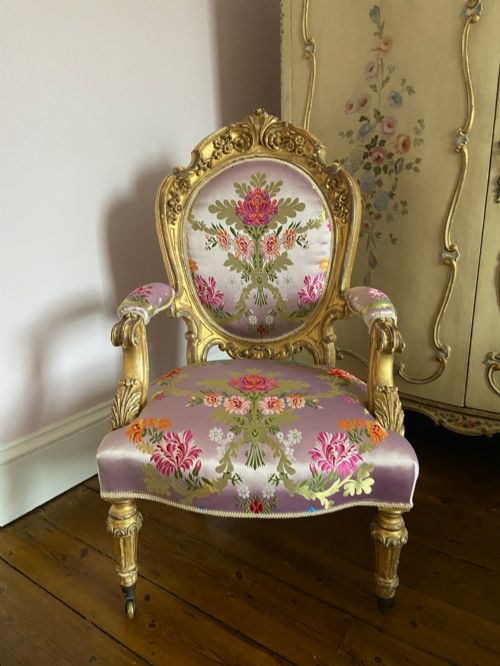
Beyond mirrors and picture frames, the inventory includes occasional seating, beds, and oil paintings housed in matching ornate surrounds. These items share a lineage of elaborate woodwork, scrolling foliage, and asymmetric cartouches characteristic of the style.
How they were made
Makers shaped these pieces from timber substrates like wood, walnut, or mahogany, building up complex relief ornamentation using gesso. Artisans carved intricate C-scrolls, floral garlands, and naturalistic motifs directly into the wooden frames or moulded them in composition material.
Giltwood surfaces received thin sheets of gold leaf applied over a prepared bole, while other items utilised silver-gilt, paint, or bronze mounts. Craftsmen finished the mirror plates with traditional techniques, sometimes incorporating antique glass, bevelled edges, or engraved designs.
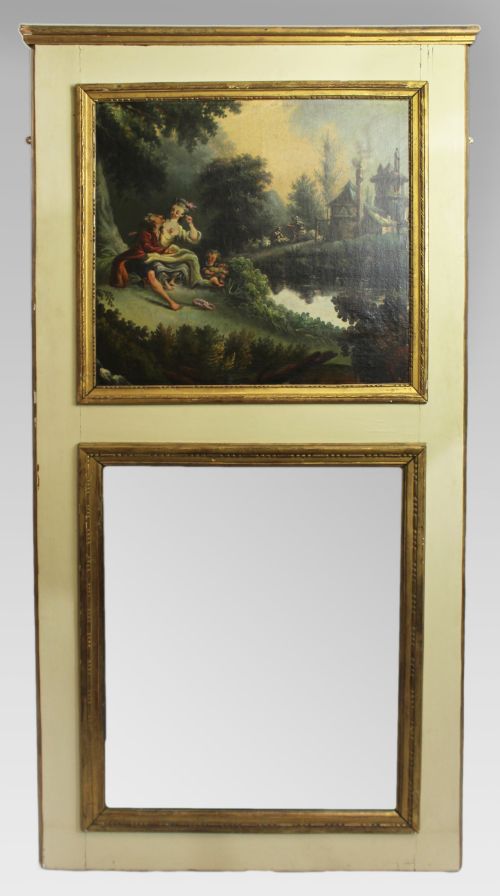
Several mirrors include pastoral oil paintings above the glass, letting you gaze at a serene landscape while checking your hair.
What varies in quality
The depth and clarity of the carving dictate the visual impact, distinguishing hand-carved wooden relief from simpler moulded composition. Crisp undercut foliage and sharply defined asymmetry separate masterwork items from standard decorative pieces.
The integrity of the gilding and the preservation of the original surface patination determine the overall character. Genuine gold leaf retains a warm, mellow tone compared to harsh modern metallic paints, while undisturbed gesso layers show authentic age.
The Rococo Style Gilt Frame Glossary
- Giltwood
- Wood that has been coated with thin sheets of gold leaf. This finish provides a warm, reflective metallic sheen that ages gracefully over the centuries.
- Gesso
- A plaster-like mixture applied to wooden frames as a base for gilding and deep relief carving. It allows artisans to sculpt intricate scrolls and floral details before applying gold leaf.
- Overmantel mirror
- A large mirror specifically proportioned to hang above a fireplace mantelpiece. These grand items often feature crested tops and expansive glass plates.
- Trumeau
- A decorative wall mirror paired with an oil painting or panel situated above the glass. Originating in French interiors, these tall pieces combine fine art with functional reflection.
- Girandole
- A branched wall sconce or candle holder attached to a mirrored frame. The reflective glass multiplies the flickering candlelight for dramatic illumination.
Rococo Style Gilt Frame: Frequently Asked Questions
How do I hang a heavy overmantel mirror?
Secure heavy giltwood overmantel mirrors directly into wall studs using robust professional brackets. Distribute the weight evenly to support the substantial wooden frame and antique glass safely.
Avoid relying solely on plaster walls, as nineteenth-century frames carry considerable mass from dense timbers and thick gesso layers.
Where should I place a gilt wall mirror?
Position your mirror opposite a window to maximise natural light distribution around the room. The reflective glass brightens darker corners while the ornate frame acts as a primary focal point.
Ensure the piece hangs at a comfortable eye level to maintain balanced proportions with surrounding furniture.
How do I distinguish French and Italian styles?
French rococo designs lean towards refined asymmetry, flowing botanical forms, and sophisticated trumeau arrangements. Italian interpretations often display bolder relief work, Florentine influences, and dramatic crestings.
Both regional traditions utilise gesso and gold leaf extensively, yet their carving proportions reflect distinct local cabinet-making heritages.