



Antique Oval Framed Art
Antique oval framed art brings centuries of portraiture and landscape into a room through curved wooden and gilded borders.
Antique Oval Framed Art
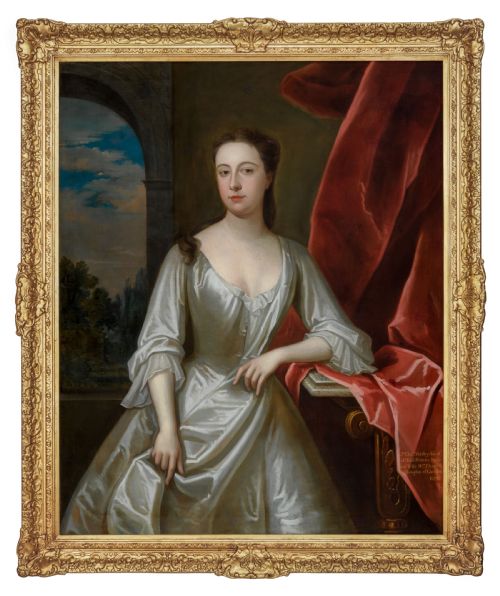
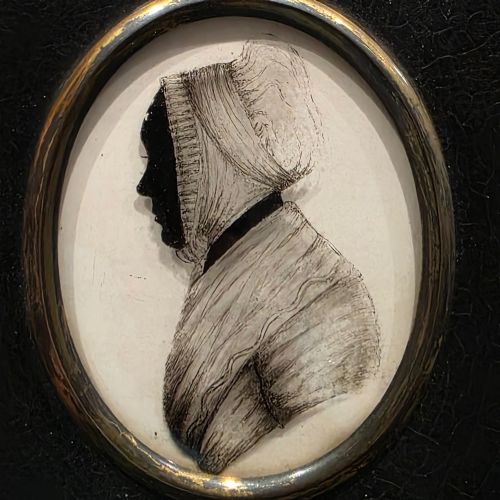
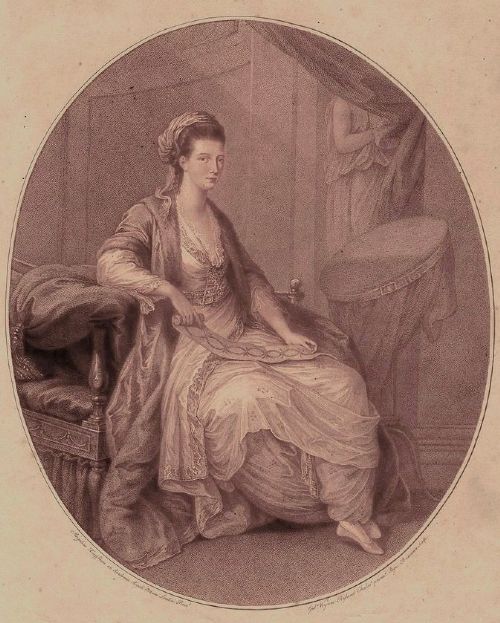
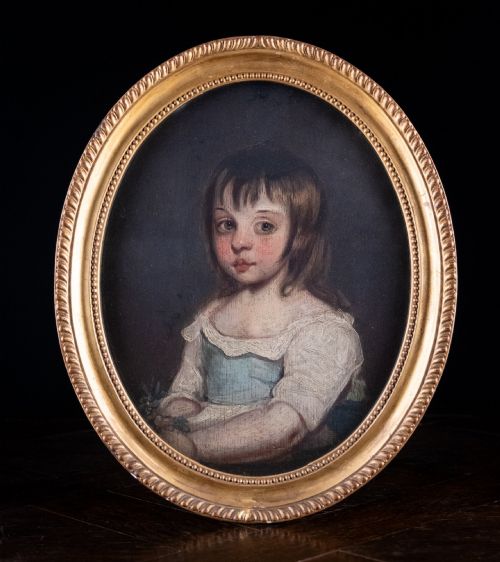
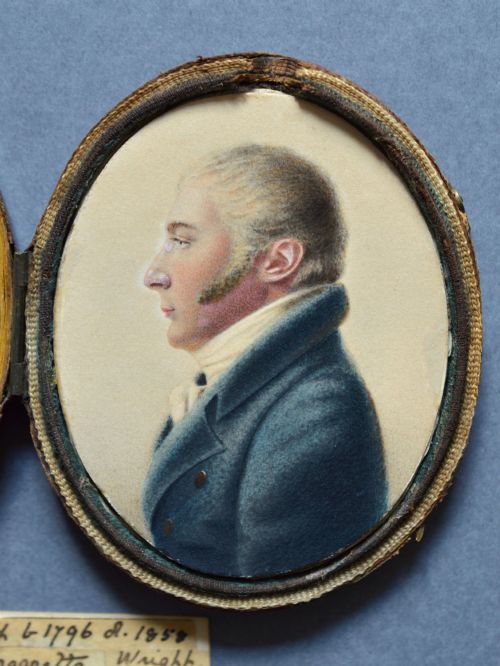
Antique oval framed art encompasses oil on canvas paintings, portrait miniatures, watercolours, silhouettes, and engravings produced across the seventeenth, eighteenth, and nineteenth centuries.
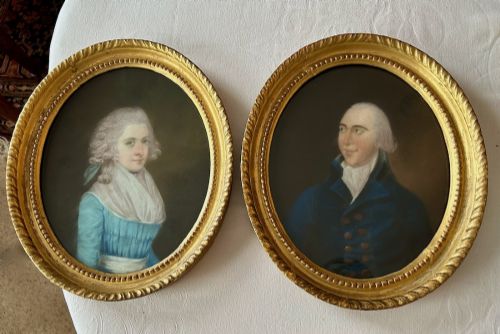
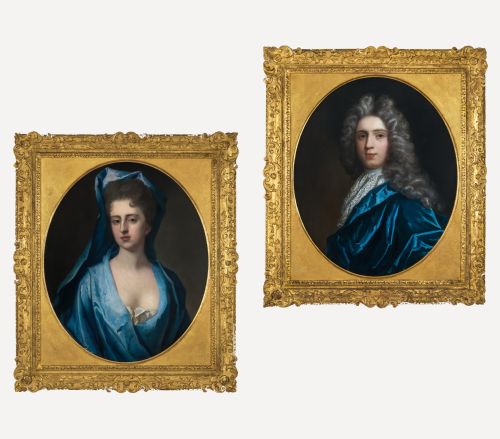
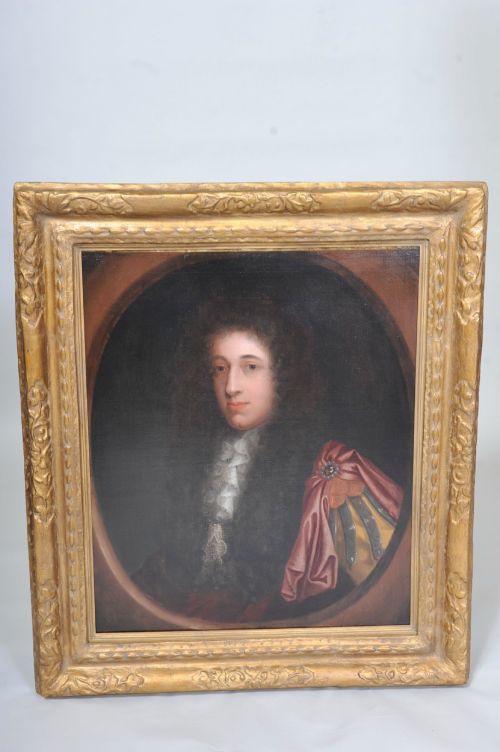
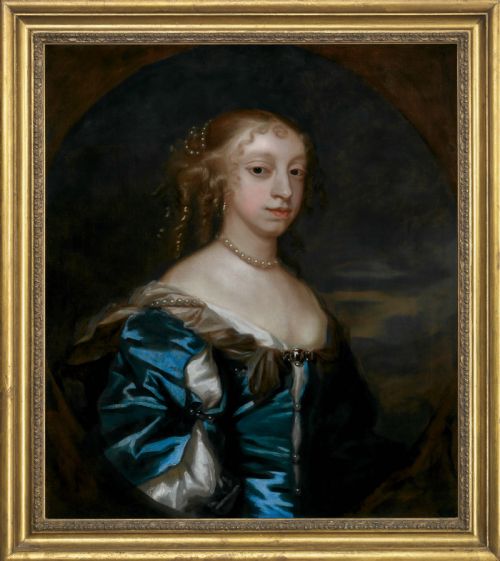
The pieces most frequently met on this page are portraits rendered in oil, pastel, or watercolour, reflecting Georgian, Regency, and Victorian aesthetics.
Makers and artists employed curved borders specifically to soften the geometry of domestic interiors, drawing the eye directly toward the facial expressions or central subjects of the works.
Materials and construction
Portraits and landscapes were painted on canvas, wood panels, paper, or enamel, utilising oil, watercolour, and pastel pigments.
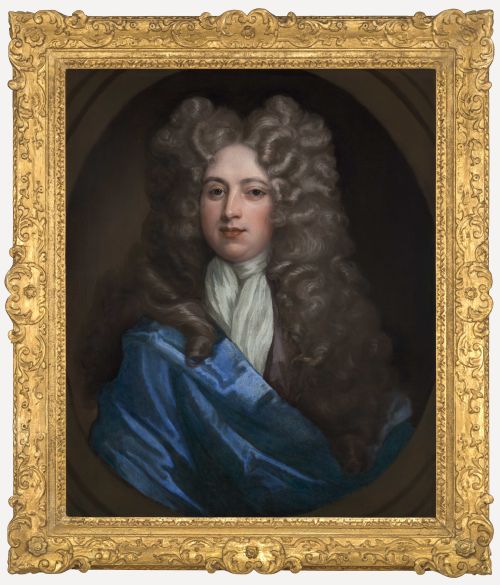
Frames were constructed from wood and embellished with giltwood, gold leaf, or carved details to match the curved perimeters of the art.
Several portraits feature subjects wearing elaborate periwigs and blue cloaks, bringing seventeenth-century fashion directly to the wall.
Judging the execution
The integrity of the original frame, particularly the depth and application of the gold leaf or carved giltwood, determines the overall harmony of the piece.
Sir Godfrey Kneller·James Sharples·Henry Bone·Thomas Murray·Jacob Philipp Hackert
The Antique Oval Framed Art Glossary
- Silhouette
- A portrait profile filled in with a solid dark colour, typically black, against a pale background. These were popular in the Georgian and Regency periods.
- Portrait miniature
- A small, highly detailed painting on ivory, vellum, or card, often housed in a protective case or small curved frame. They required immense skill with tiny brushes.
- Giltwood
- Wood that has been coated with a thin layer of gold leaf or gold paint. This finish was standard for formal frames.
- Stipple engraving
- A printmaking technique using dots to create tonal gradations and soft shadows rather than continuous lines. It was widely used for reproducing portraits in the eighteenth century.
Antique Oval Framed Art: Frequently Asked Questions
What periods do these pieces come from?
The selection spans from the seventeenth century through the Georgian, Regency, and Victorian eras up to the early twentieth century.
Earlier examples often feature heavy giltwood frames and oil on canvas portraits, while later pieces include delicate watercolours and silhouettes.
How were these artworks displayed?
These framed pieces were intended for prominent display in domestic drawing rooms, parlours, and studies.
Their curved silhouettes allowed them to sit harmoniously among rectangular mirrors and wood furniture.
Are the frames original to the art?
Many pieces retain their period frames, such as eighteenth-century giltwood or nineteenth-century gilded surrounds.
Matching a curved canvas or paper to its exact period border is characteristic of authentic historic works.
How do I care for antique framed art?
These pieces require placement away from direct sunlight and excessive moisture to protect paper, canvas, and gold leaf.
Dusting the frame should be done gently with a dry, soft cloth without applying chemical cleaners.