

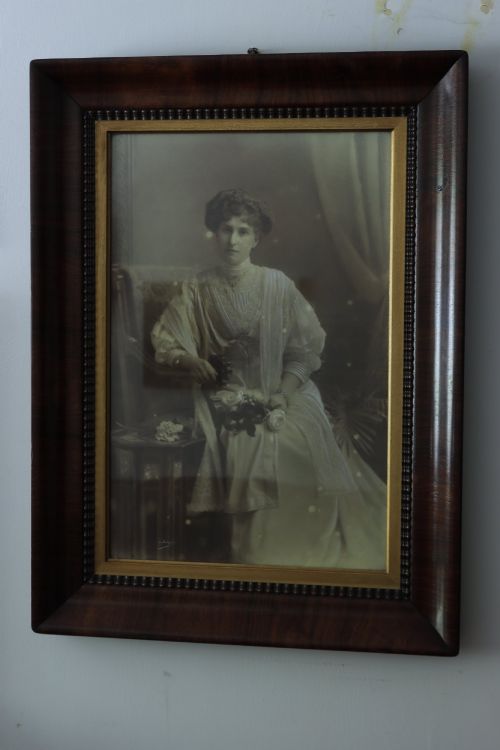


Edwardian Lady Portrait
An edwardian lady portrait brings quiet elegance to a room, capturing the poise and fashion of the early twentieth century in delicate oils, pastels, and watercolours.
Defining an edwardian lady portrait
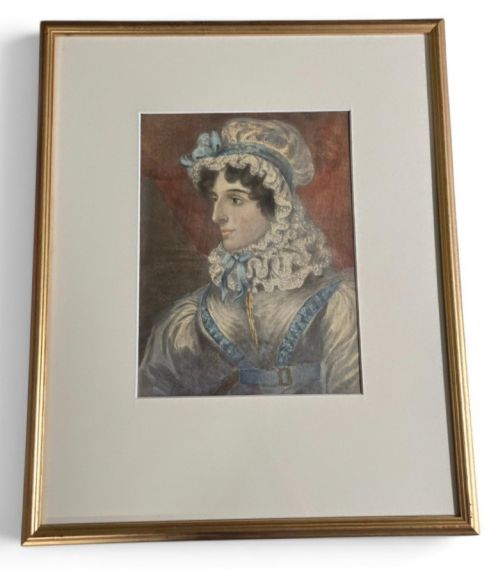
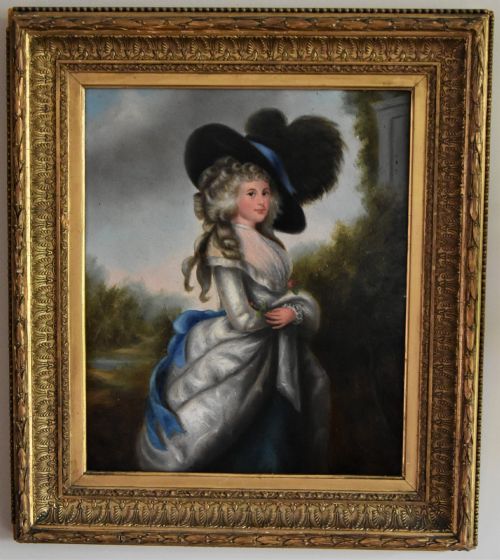
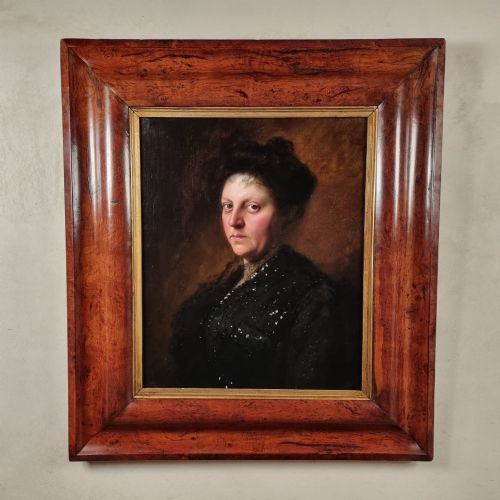
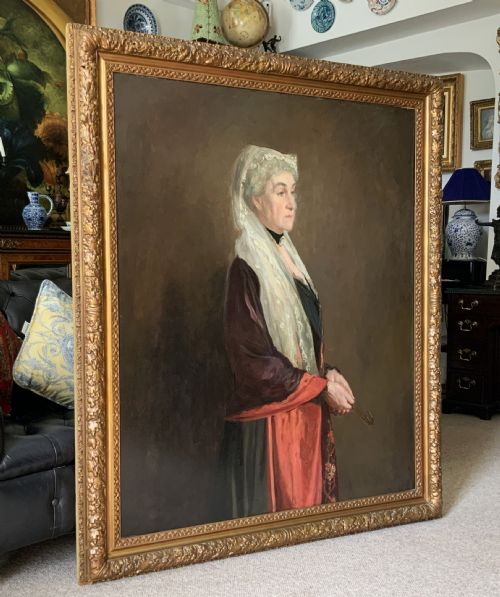
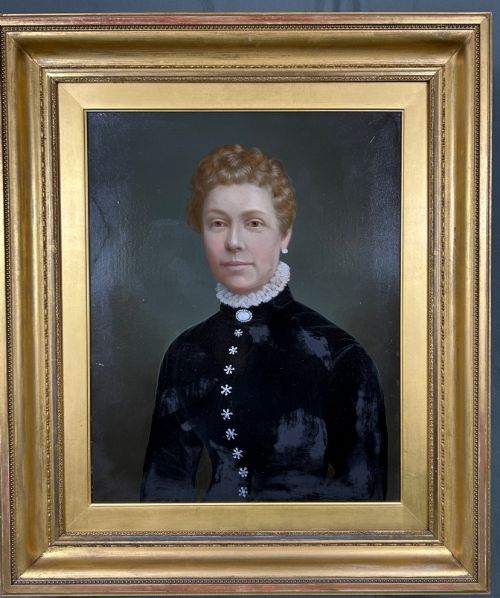
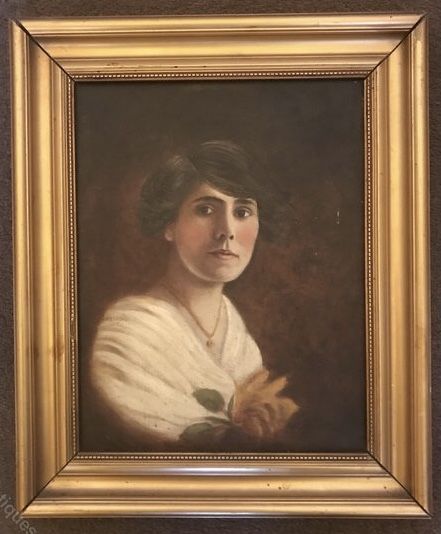
An edwardian lady portrait represents a distinct era of painting that spans the late nineteenth century, the Victorian transition, and the Edwardian period itself. These works appear on canvas, board, and paper, showing sitters in hats, lace caps, and formal dress.
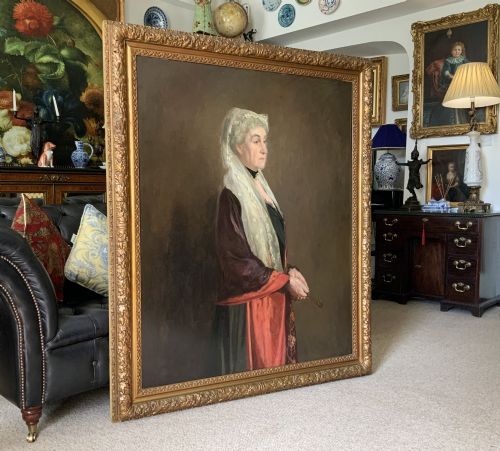
Most pieces you encounter on this page originate from English studios and painters working in the opening decade of the twentieth century. They range from intimate miniature watercolours to very large oil paintings destined for grand wall spaces.
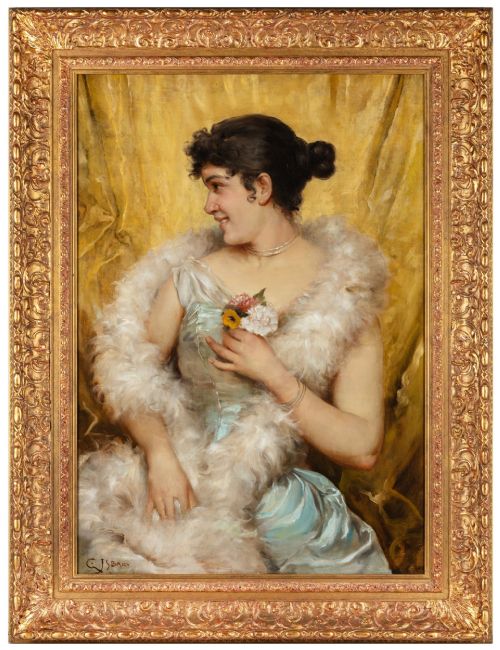
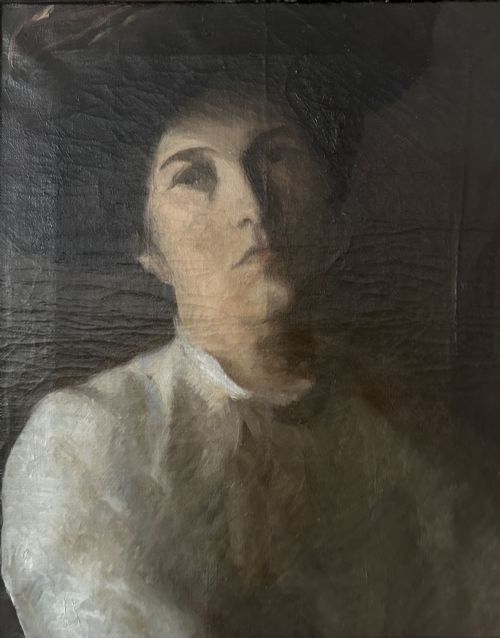
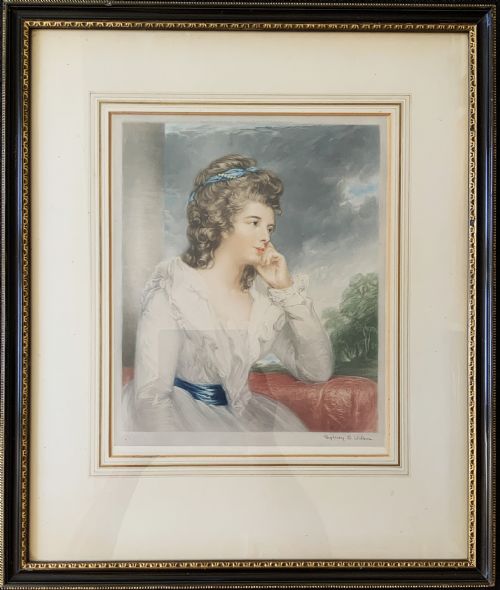
The aesthetic captures both formal studio commissions and smaller preparatory studies. Some focus closely on the head and shoulders, while others present full depictions of women in blue dresses or elaborate hats.
Materials and methods
Artists relied on traditional supports such as canvas, heavy paper, and prepared wooden boards. Oils provided rich depth for garments and backgrounds, while pastels and watercolours captured softer textures.
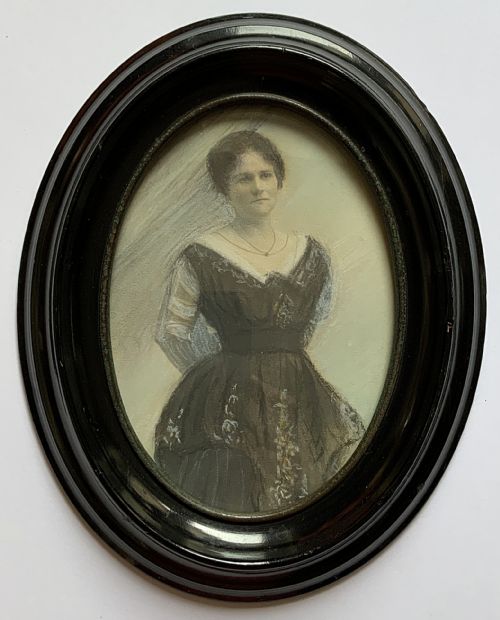
Framing often utilised ebonised wood and protective glass, particularly for delicate works on paper and miniature paintings. Pigments were applied by hand using precise brushwork suited to capturing intricate lace and textiles.
Retail Price Guide 2026
Typical UK retail prices for edwardian lady portrait, calculated from the Sellingantiques database of over a million retail prices indexed since 2003. This retail price guide relies exclusively on Sellingantiques data; no external sources or auction records are used, so the figures do not describe the wider market.
Listings feature works spanning the Victorian, 19th-century, and Edwardian periods, executed in oil paint, watercolour, pastel, and pencil.
Assessing quality and execution
Quality rests in the confidence of the draughtsmanship and the artist's ability to render light across fabric and skin. Superior examples display subtle tonal variation in complex areas like lace caps and feathered hats.
The distinction between a standard commercial likeness and a master study lies in the psychological depth of the sitter. Signed works and attributed pieces by known painters carry distinct compositional strength.
Charles Prosper Sainton·Percy Bigland·John William Schofield·Harrington Mann
The Edwardian Lady Portrait Glossary
- Miniature painting
- A small-scale portrait requiring meticulous detail and fine brushes. These pieces are often framed behind glass in oval or rectangular formats.
- Pastel
- A dry medium of powdered pigment bound together, valued for its velvety texture and soft colour transition. Pastels require protection under glass to prevent smudging.
- Oil on canvas
- Pigments suspended in a drying oil applied to stretched fabric. This medium dominated formal portraiture for its durability and luminosity.
- Ebonised wood
- Timber treated to resemble ebony, frequently used for dark, polished portrait frames during the Victorian and Edwardian eras.
- Wash
- A thin layer of diluted watercolour or ink applied transparently across paper. It provides atmospheric background tones or foundational sketches.
Frequently Asked Questions
What periods do these portraits cover?
The works span the Victorian era, the 19th century, and the Edwardian period. Many date specifically to the first decade of the twentieth century.
Stylistic shifts reflect changing fashions in dress and portraiture traditions as society moved from the late Victorian period into the Edwardian age.
How were these portraits displayed?
Larger oil paintings on canvas or board hung on prominent salon walls in heavy frames. Miniature watercolours and pastels were kept behind glass, often in protected settings.
Today, they suit traditional and eclectic interiors alike, bringing character to living rooms, studies, and hallways.
What mediums were commonly used?
Painters utilised oil paint, watercolour, pencil, and pastel on various supports including paper, board, and canvas. Each medium creates a distinct visual atmosphere.
Oils offer deep colour saturation, while pastels and watercolours provide a delicate, intimate finish.
Are these works signed by artists?
Some pieces bear artist signatures or attributions to painters active during the early 20th century. Others remain unsigned studio works or anonymous portrait studies.
Signed works often connect directly to known portraitists of the English school.