
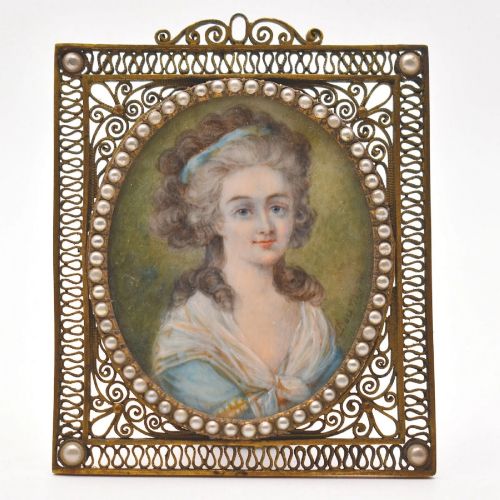


Small Portrait Painting
These small portrait painting examples capture intimate likenesses in miniature formats, offering a direct window into past centuries through delicate brushwork and domestic scales.
Small Portrait Painting
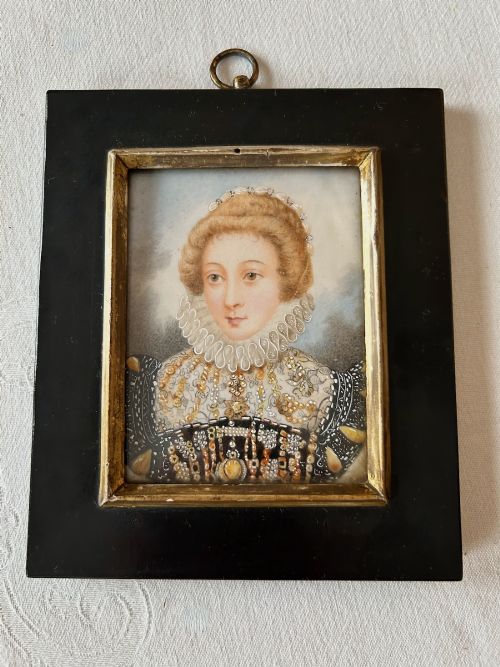
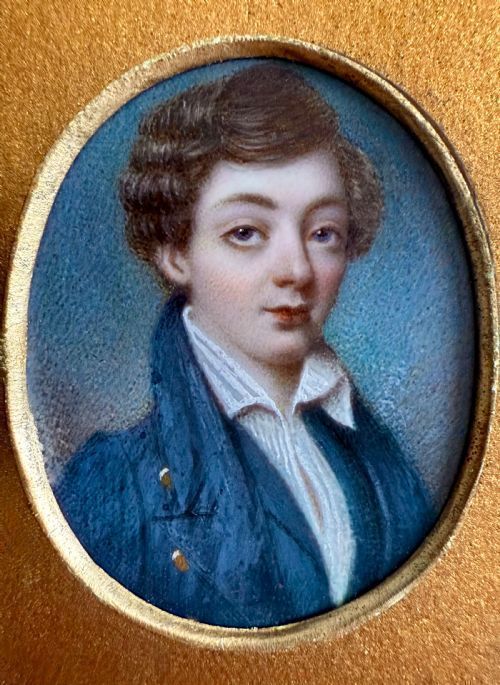
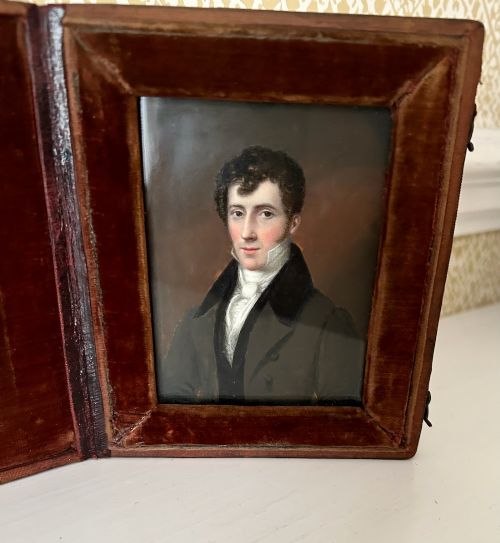
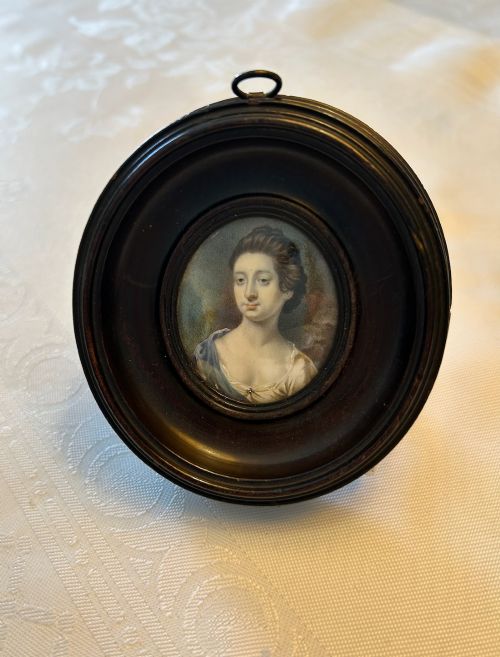
A small portrait painting usually takes the form of a portable likeness executed with fine precision, often designed to be held or mounted within small rooms. Buyers encounter these pieces primarily as nineteenth century and Georgian portrait miniatures, alongside eighteenth century examples executed on diverse supports.
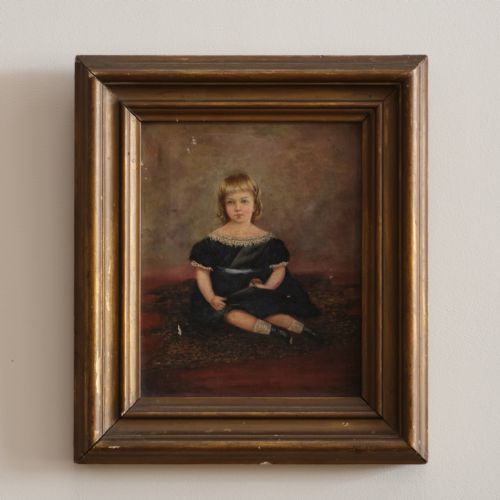
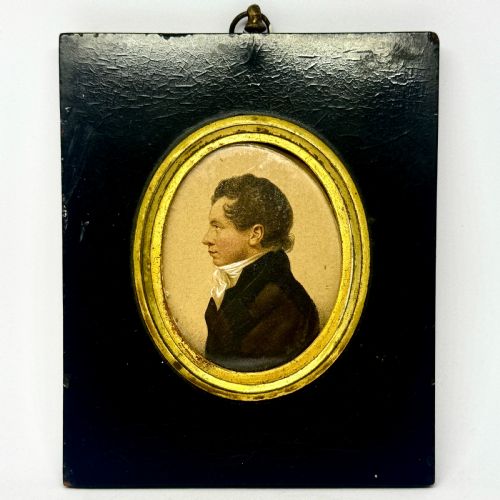
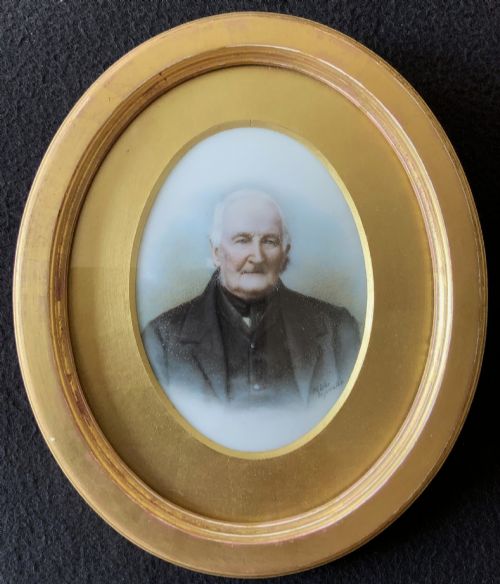
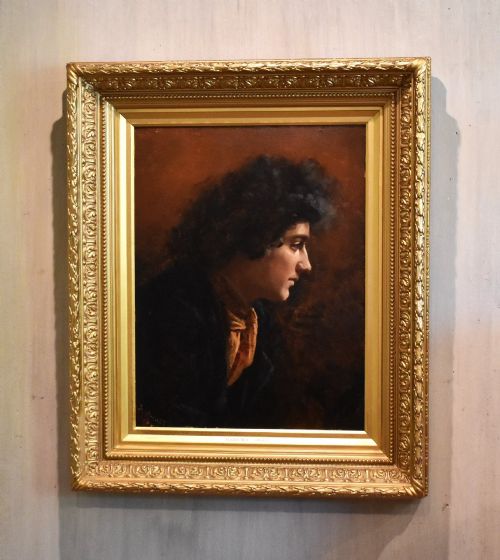
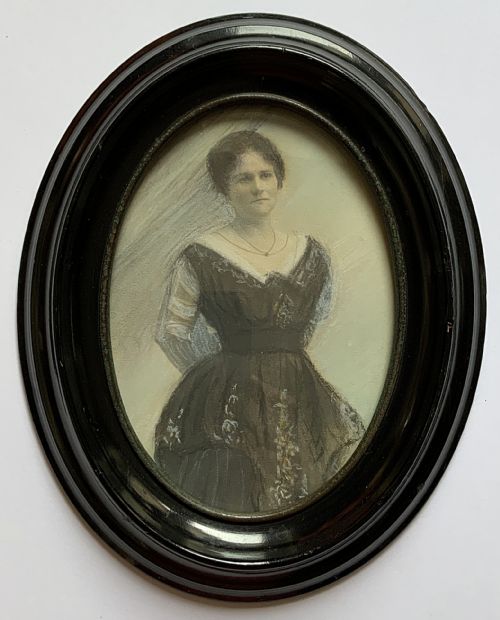
The physical scale ranges from oval watercolor studies housed in ebonised frames to small oil paintings on canvas, board, and tin. Subjects include historical figures, family members, animals, and notable personalities rendered with varying degrees of formality.
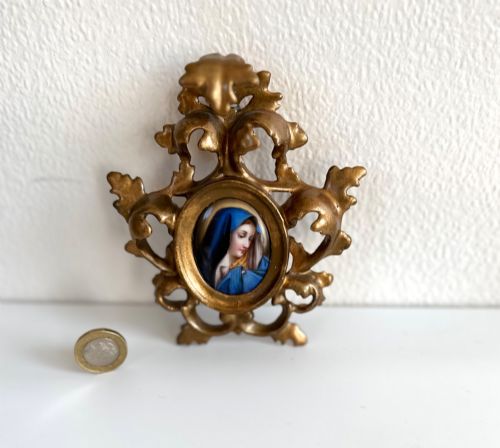
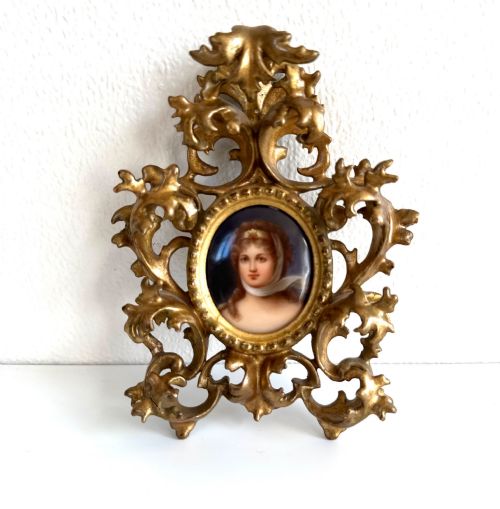
Origins span British and Continental workshops, encompassing naive folk art alongside highly finished academic works. Collectors find these pieces in original settings such as gilt metal stands, brass frames, and wooden housings.
Materials and techniques
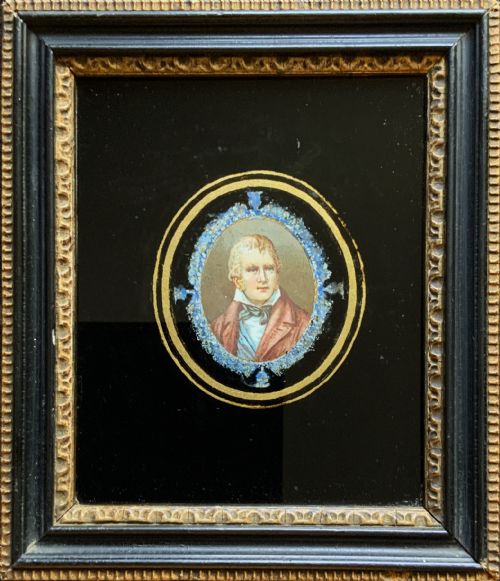
Artists painted these works using watercolor, gouache, oil, pastel, and ink applied to supports such as paper, glass, ivory, board, tin, and canvas. The choice of medium dictated the level of detail achievable on such a restricted scale.
Framing and mounting involved ebonised wood, brass, gilt metal, and glass protections, often incorporating seed pearls or specialised stands. These protective housings formed an integral part of the finished object from the outset.
Cats and hound dogs occasionally share the gallery wall with nobility, proving that pet portraits held serious artistic weight in past centuries.
Qualities that distinguish individual pieces
The preservation of the original support and the integrity of the period frame influence the overall character of the piece. Untouched surfaces and legible signatures by recorded artists elevate the standing of a work.
Henri Fradelle·Richard Cosway·Florence Small·Samuel Raven·George Hargreaves·Emma Kendrick·Isaac Wane Slater·Dumont
The Small Portrait Painting Glossary
- Portrait Miniature
- A small, highly detailed painting designed for intimate viewing. These works are frequently executed on ivory, vellum, or card and housed in protective pocket cases or wall frames.
- Ebonised Wood
- Timber treated to imitate ebony, producing a dense black finish. This material is common in nineteenth century and Georgian frames for small artworks.
- Gouache
- An opaque watercolor medium that provides solid blocks of matte colour. Painters utilise this to create dense highlights and rich costume details in miniature formats.
- Support
- The physical foundation upon which a painting is created. Common examples in this category include tin, panel, card, glass, and canvas.
- Provenance
- The documented history of ownership associated with an artwork. Clear provenance links a portrait to specific historical figures or collections.
Small Portrait Painting: Frequently Asked Questions
How were small portrait painting works displayed historically?
Owners kept these small portrait painting pieces in private chambers, carried them during travel, or mounted them in clusters on drawing room walls.
Many featured integrated stands or suspension loops for versatile placement within domestic interiors.
What subjects appear most often in these paintings?
Artists depicted family members, notable historical figures, literary subjects, and domestic animals like hound dogs and cats.
Commissioned likenesses of private citizens outnumber representations of public figures across the surviving archive.
How can I distinguish eighteenth century from Victorian pieces?
Stylistic shifts in costume, hair styling, and framing materials provide the primary chronological markers for these works.
Eighteenth century examples often favor softer watercolor tones on paper, while Victorian pieces incorporate bolder oil techniques and varied revival frames.
Are these paintings signed by the artists?
Some pieces bear artist signatures or attributions inscribed on the reverse or within the composition itself.
Many fine examples remain anonymous, reflecting the commercial output of period studios and itinerant miniaturists.