
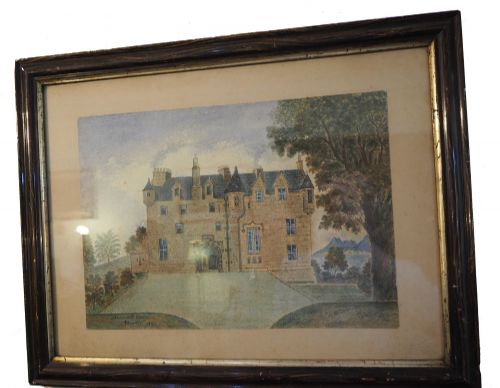
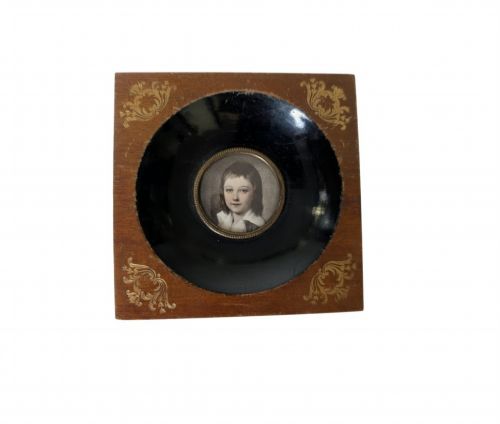
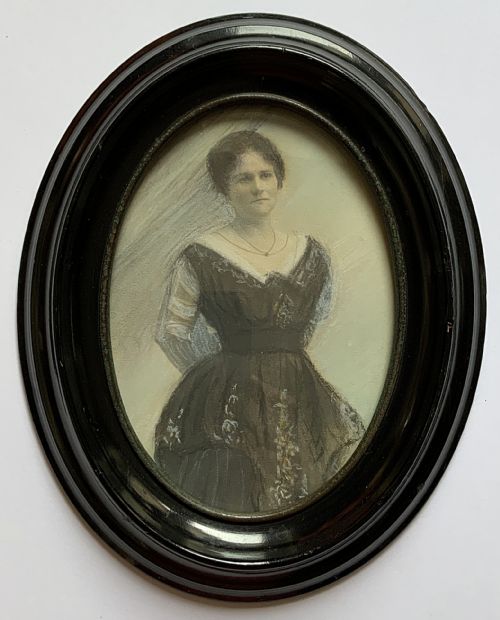
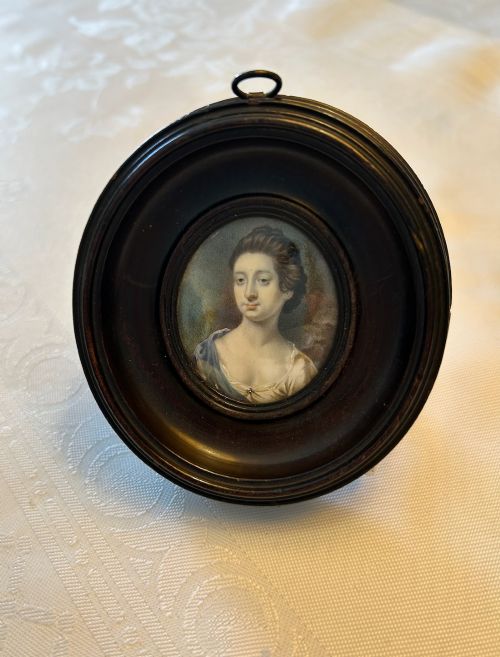
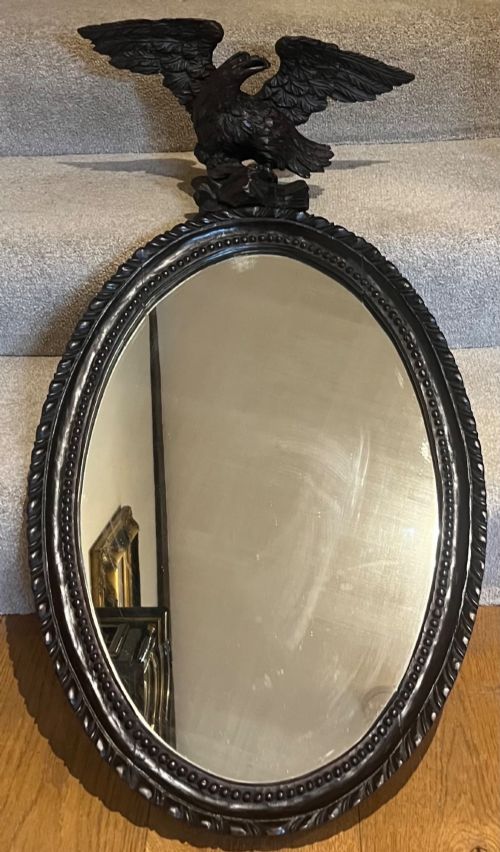


Ebonised Wooden Frame
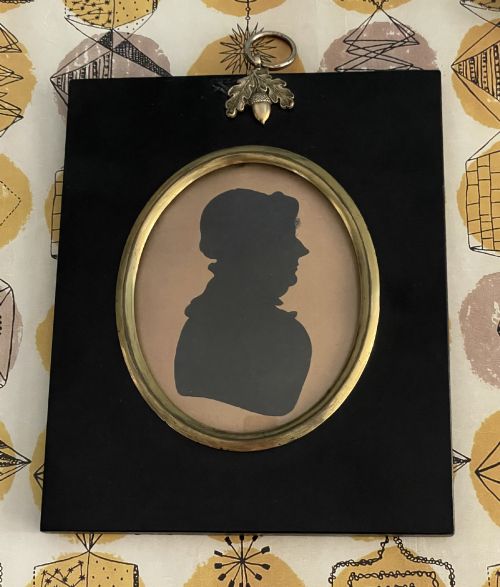
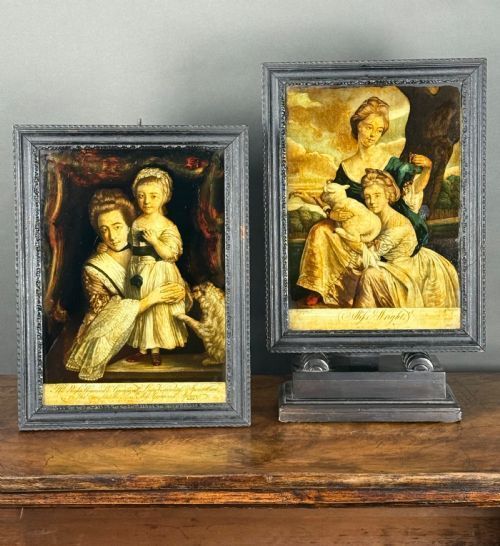
An ebonised wooden frame provides a dense, dark boundary that isolates and intensifies the artwork or mirror glass it holds.
Ebonised Wooden Frame
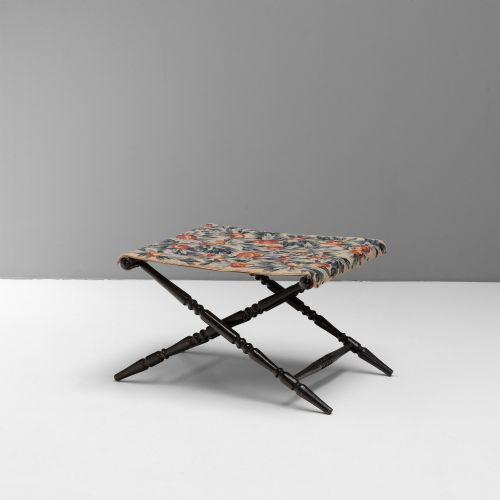
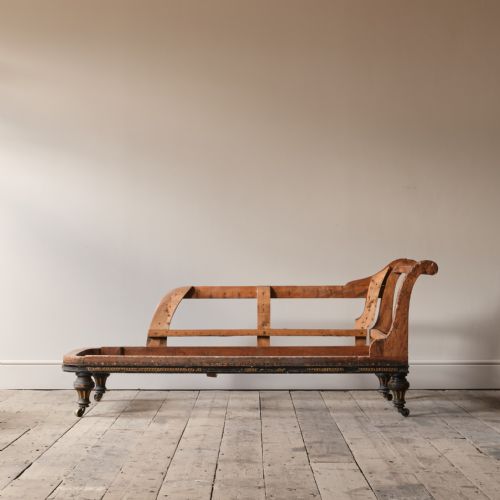
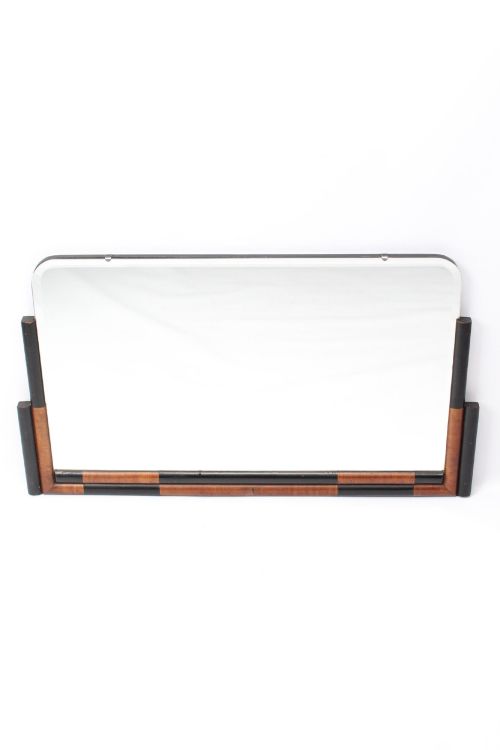
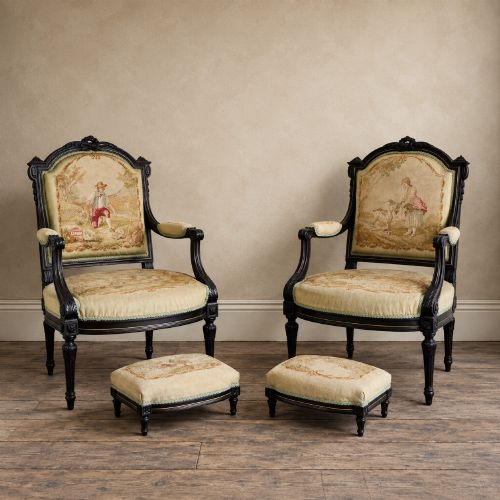
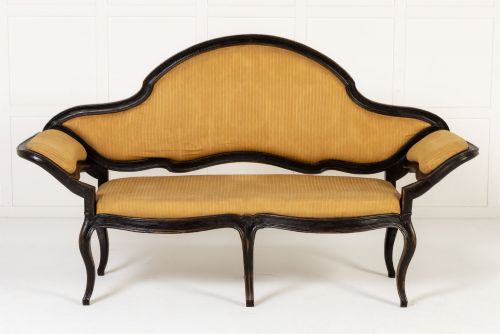
An ebonised wooden frame appears across wall mirrors, overmantels, portraits, and seating from the eighteenth century through to the art deco period. These dark timber surrounds emerge in various forms, from simple domestic mouldings to ornate architectural overmantle constructions designed for nineteenth-century reception rooms.
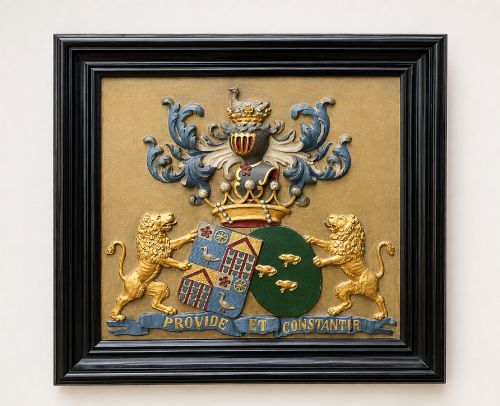
Buyers seeking this phrase encounter works influenced by the aesthetic movement, Victorian revivalism, and Regency design alongside walnut and ebonised combinations from the nineteen-thirties. The selection spans utilitarian mirror surrounds, armchairs with ebonised frames, and decorative wall plaques housed within darkened timber.
Origins stretch from English workshops to French salons and Dutch interiors, showing how diverse makers adopted the ebonising technique across different centuries. The pieces range from intimate miniature portrait housings to room-commanding floor and wall mirrors.
How they were made
Craftsmen typically produced ebonisation by treating light timbers such as beech, birch, or general woods with chemical stains or dark pigments to imitate expensive ebony. This process often involved applying multiple coats of dark finish, sometimes combined with contrasting gold leaf highlights or gilt detailing.
Construction methods vary according to the object type, joining structural softwoods or hardwoods with traditional joinery before applying the characteristic dark surface. Glass, brass fittings, fabric, and paper inserts are then integrated into the frames, paintings, and display boxes using period-appropriate fixings.
Listings feature materials including ebonised wood, glass, brass, fabric, paper, gold leaf, mahogany, and birch across the eighteenth, nineteenth, and twentieth centuries.
What varies in quality
Quality rests in the depth and uniformity of the ebonised surface finish, alongside the crispness of any carved wooden or gilt details. Superior examples display careful preparation of the timber substrate before staining, whereas lesser items rely on heavy, masking layers of modern paint.
The integrity of the original construction and the harmony between the dark frame and its mirror plate, painting, or upholstery dictate the standing of the piece. Subtle gilt accents, clean mitred corners, and period-correct brass fixings elevate the character of the object.
Holland and Sons·Rowley Gallery
The Ebonised Wooden Frame Glossary
- Ebonised
- Wood treated to mimic the dark, dense appearance of true ebony. This finish was widely utilised in nineteenth-century cabinet making.
- Overmantle mirror
- A large wall glass designed to hang specifically above a fireplace mantel. These often incorporate ebonised and gilt wooden frames.
- Aesthetic Movement
- A late nineteenth-century design current emphasising visual beauty over narrative subject matter. Pieces from this style frequently employ ebonised surfaces.
- Louis XVI Revival
- A nineteenth-century French decorative style drawing on eighteenth-century classical motifs. Frames and furniture from this period display restrained symmetry and carved details.
Ebonised Wooden Frame: Frequently Asked Questions
How do I clean an ebonised wooden frame?
Dust the timber gently with a dry, soft cloth to prevent abrasive particles from scratching the dark surface finish.
Avoid liquid cleaners and damp cloths, as moisture can penetrate old finishes and lift delicate gilt highlights or historic stains.
Are all dark frames made of real ebony?
Almost none of these pieces consist of solid ebony, which was exceptionally costly and heavy for large architectural items. Cabinet makers instead used domestic or fruitwood timbers treated with ebonising agents to achieve the deep black colour.
Close inspection often reveals lighter wood beneath chips or wear on the edges of the moulding.
What periods do these pieces come from?
The selection spans from the eighteenth century through the Victorian era and the aesthetic movement up to nineteen-thirty art deco designs.
Victorian and late nineteenth-century interpretations appear most frequently across the mirrors and seating.
How do I match a frame to an interior?
Consider the visual weight of the dark timber against your wall colour and existing furniture styles. Simple Victorian mouldings suit contemporary spaces, while ornate gilt-accented overmantels anchor traditional rooms.
Allow the scale of the mirror or artwork to dictate its placement above furniture or fireplaces.