




Gilt Photo Frame
When you search for a gilt photo frame, you are looking at metal and wood housings designed to elevate personal portraits.
Gilt Photo Frame
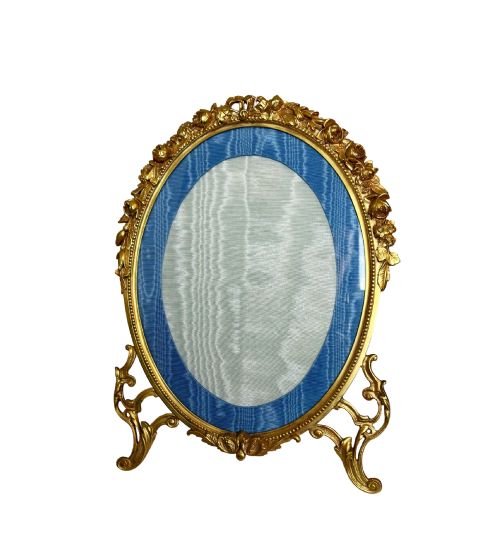
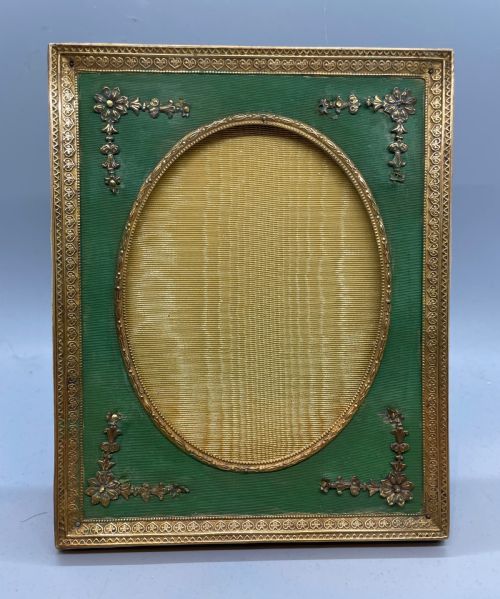
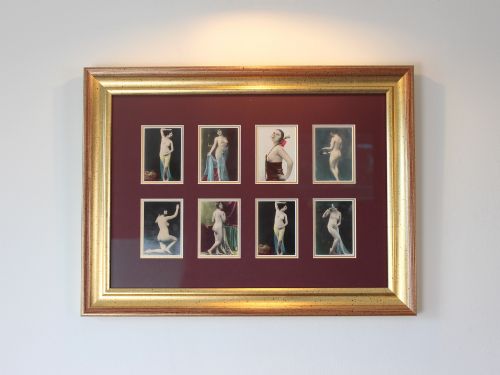
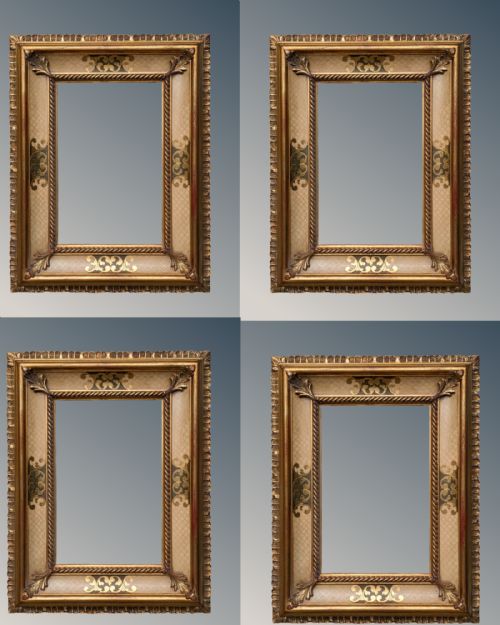
A gilt photo frame displays treasured portraiture within a metallic or gilded surround, bringing Victorian and Edwardian domestic interiors into modern rooms. The pieces appearing here range from tabletop easel designs to folding multi-panel displays and wall-hanging formats.
Makers often utilised heavy cast brass, ormolu, and gessoed wood to house cart-de-visite photographs, hand-tinted prints, and miniature paintings. Many examples originate from French and English workshops spanning the nineteenth and early twentieth centuries, incorporating glass fronts and velvet or wooden backs.
The selection frequently includes French rococo revival, empire style, and art nouveau aesthetics, showing decorative motifs such as cherubs, paste stones, and napoleonic bees. Buyers can expect to find single apertures alongside double and triple folding frames intended for desk or mantel placement.
How they were made
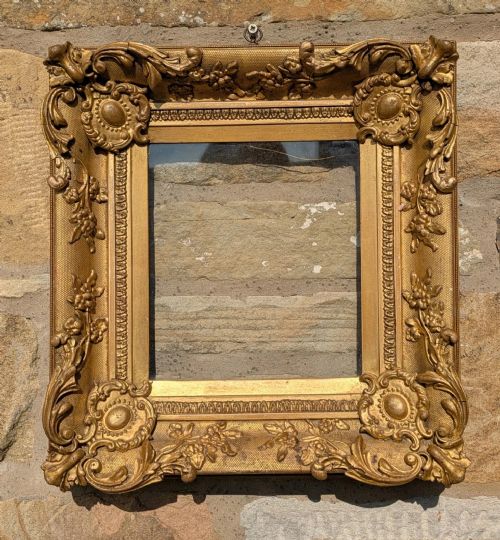
Foundry casting provided the foundation for heavy metal frames, using bronze, brass, and ormolu shaped into elaborate floral, ribbon, or figural surrounds. Artisans frequently applied mercury gilding or gold leaf to achieve a lasting metallic brilliance on the metalwork.
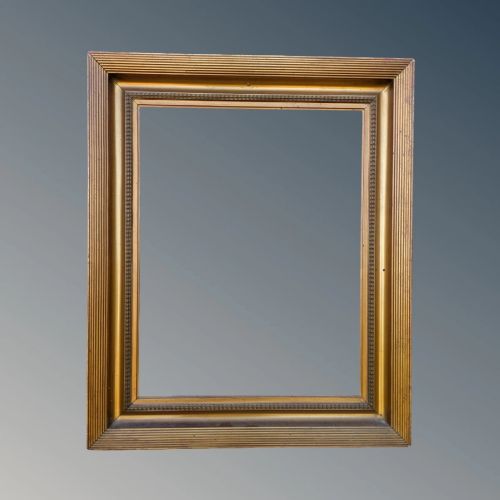
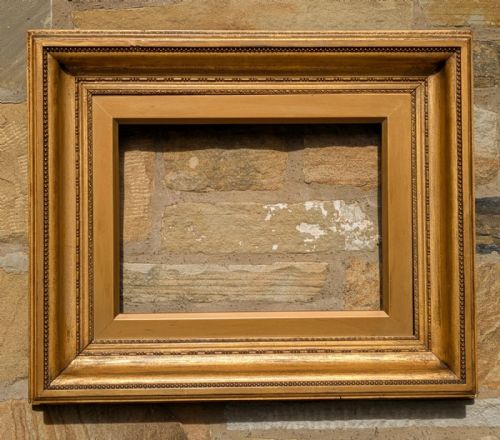
For wooden variants, craftsmen moulded gesso over a timber base before applying gold leaf or gilding liquid, sometimes sweeping the contours to create dynamic light reflections. Details like champleve enamel, mother of pearl, agate, and paste stones were then hand-set into the frames to add colour and texture.
Several frames come complete with original Victorian portraits of earnest relatives who might judge your interior design choices.
What varies in quality
Original backing materials, intact glass, and functional easel stands or hinges preserve the integrity of the piece. The depth and warmth of the original gilding or gold leaf, rather than modern repainting, determines the visual richness of the surface.
Boin Taburet·Minshull And Latimer·John Joseph Mechi·Alphonse Giroux
The Gilt Photo Frame Glossary
- Ormolu
- A gilded bronze technique popular in French decorative arts, created by applying a mercury and gold amalgam to cast bronze. It provides a warm, enduring metallic lustre.
- Gesso
- A plaster-like mixture applied to wood frames as a base for gilding, allowing craftsmen to carve or mould intricate relief decorations. It supports delicate surface detailing.
- Champleve
- An enamelling technique where troughs are dug into metal surfaces and filled with vitreous enamel powder before firing. This adds vibrant colour highlights to the frame border.
- Cart de visite
- A small photographic portrait mounted on card, popular in the Victorian era and sized specifically for tabletop display frames and folding albums. These prints define the scale of many antique apertures.
- Easel back
- A hinged support strut attached to the reverse of a frame, allowing it to stand upright on desks or mantelpieces without wall mounting.
Gilt Photo Frame: Frequently Asked Questions
How do I date a gilt photo frame?
Dating relies on stylistic clues, framing materials, and the type of fastener used on the reverse. Victorian examples often feature heavy cast brass or gesso, while Edwardian pieces lean towards lighter ormolu and refined floral motifs.
Techniques such as champleve enamel or the presence of original carte-de-visite photographs further help narrow the production era to the nineteenth or early twentieth century.
Were these frames meant for walls or tables?
Both formats exist within the selection, distinguished primarily by their hanging loops or easel stands. Tabletop versions frequently include folding mechanisms or hinged struts designed for desks and mantelpieces.
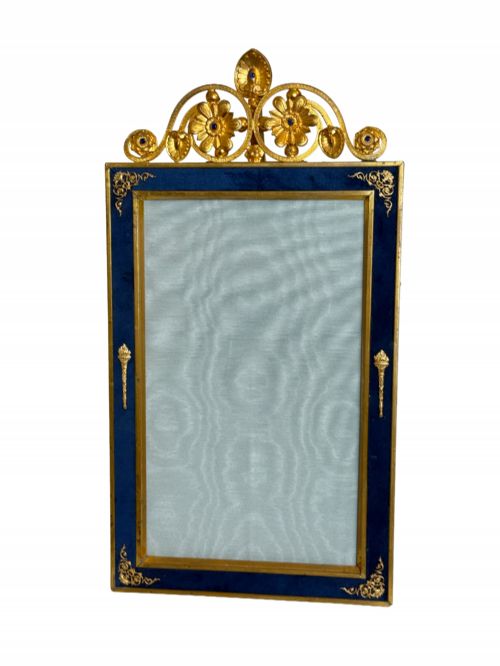
Wall-hanging variants usually display deeper mouldings or decorative crests intended to be viewed from a distance in a principal room.
How should I clean an antique gilt frame?
Dusting requires only a soft, dry artist's brush to clear debris from intricate gesso or cast metal crevices without disturbing the surface. Moisture and chemical polishes must be avoided entirely, as they strip gold leaf and damage historical patination.
Handling the frame by its edges protects both the gilding oils from skin contact and any delicate applied stones or enamel panels.
What are champleve and paste stones?
Champleve is an enamelling method where coloured glass paste is fired into recessed metal channels to create decorative patterns. Paste stones are hand-cut glass gems set into the metal frame to simulate precious jewels.
Both embellishments indicate higher-tier French and English production intended for affluent Victorian and Edwardian interiors.