




Tabletop Photograph Holder
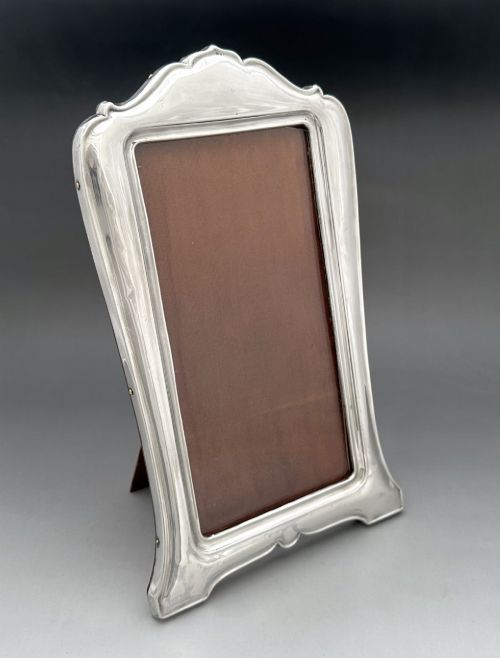
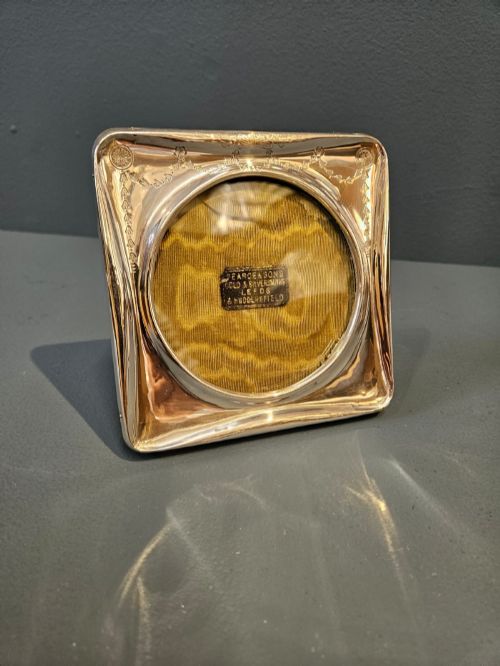
These tabletop photograph holder examples combine silver, wood and tortoiseshell to display cherished portraits in any room.
Tabletop Photograph Holder
A tabletop photograph holder sits upon desks and surfaces to display portrait miniatures, family memories and carte de visite prints. The pieces appearing here span from the Victorian and Edwardian eras into the Art Deco period, offering a tangible link to domestic life of the past.
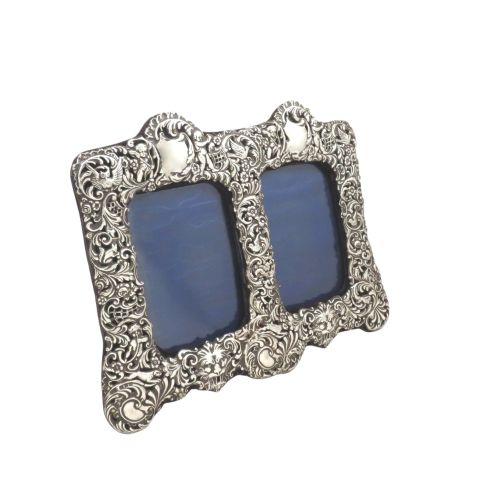
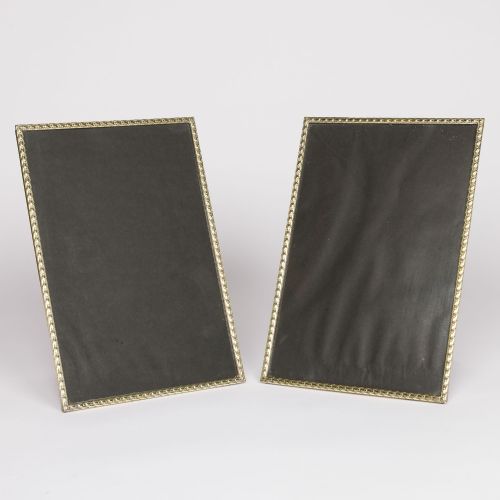
The most common formats on this page include single and double sterling silver frames alongside folding multi-panel displays and box frames. Makers utilised materials such as carved oak, bevelled glass and brass to construct these functional desk accessories.
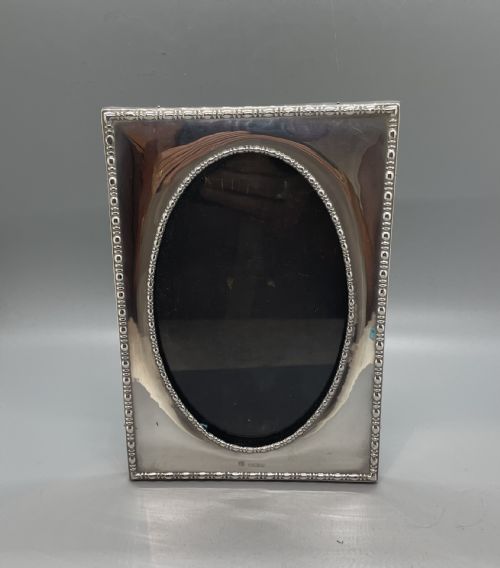
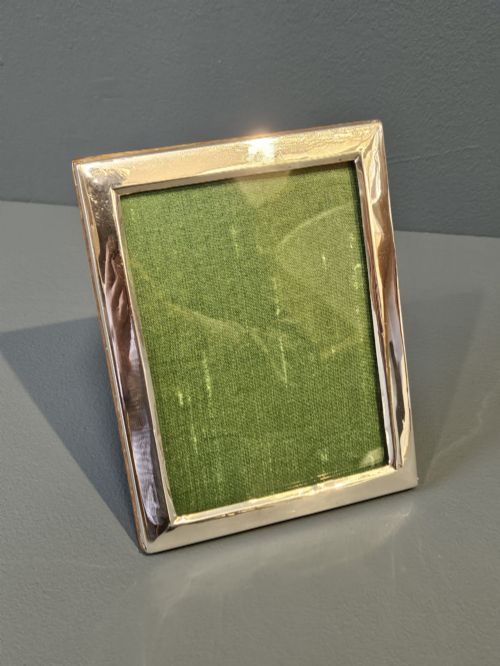
Originating largely from English workshops, these items utilise metals, wood and fabric linings to support images safely upright. Buyers find both simple polished metal borders and more ornate examples decorated with engine-turned patterns.
How they were made
Silversmiths shaped sterling silver and brass mounts around wooden backs, securing photographs behind protective glass panels. Many metal frames feature engine-turning or engraved motifs applied by hand before receiving hallmarks.
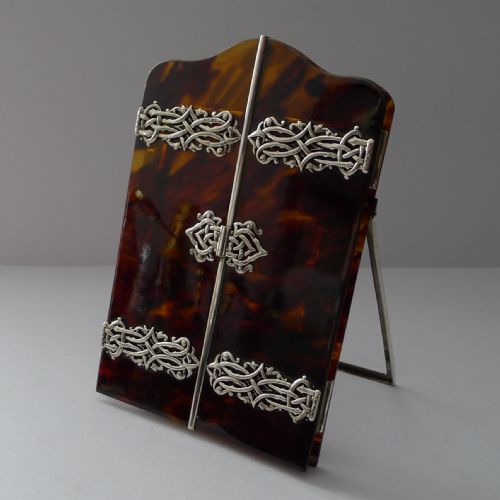
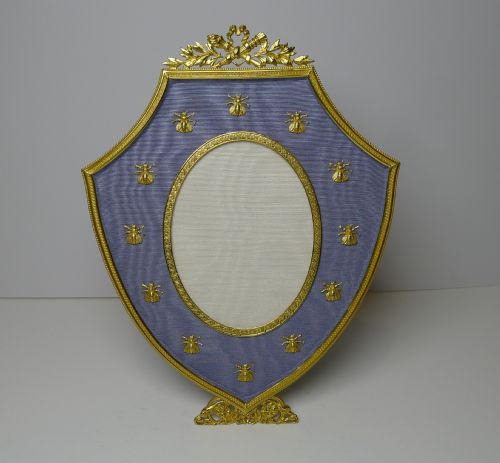
Makers incorporated organic materials like tortoiseshell over velvet foundations, alongside carved oak and gilded bronze. Fabric and velvet backings support the inner structure while folding metal struts allow the frame to stand.
Listings feature periods from the nineteenth century through the Art Deco era, utilising glass, sterling silver, wood and tortoiseshell.
What varies in quality
The weight of the sterling silver or the density of the carved oak sets finer examples apart from simpler production. Tortoiseshell mounts laid over precious metals represent a higher standard of craftsmanship than plain plated brass.
Crispness in the engraved decoration and engine-turned patterns distinguishes superior workshops from standard output. Intact glass panes and original velvet linings retain the historical integrity of the piece.
Syner & Beddoes·Moseley·Hardy Brothers
The Tabletop Photograph Holder Glossary
- Carte de visite
- A small photographic portrait mounted on card, popular during the nineteenth century. These prints fit neatly into specialised tabletop display boxes.
- Engine-turned
- A decorative surface pattern mechanically engraved into metal using a lathe. This technique creates precise geometric designs across silver frames.
- Sterling silver
- An alloy containing a high proportion of pure silver by mass, typically stamped with hallmarks. This metal forms the primary mount for many Victorian and Edwardian frames.
- Tortoiseshell
- The mottled shell material applied to the outer surfaces of luxury frames. It provides a rich amber and brown ground beneath silver mounts.
Tabletop Photograph Holder: Frequently Asked Questions
What sizes are these frames?
Dimensions range from small single portraits designed for desks to large multi-panel folding displays meant for mantelpieces. Each piece accommodates the specific photographic formats of its era, such as cartes de visite.
Buyers should check individual listings for precise measurements in centimeters or inches before placing an item on a specific piece of furniture.
How do I care for silver frames?
Sterling silver mounts require gentle cleaning with a soft cloth to avoid scratching the delicate metal surface or the surrounding glass. Polishing agents should be kept away from fabric linings and velvet backs.
Storing these objects away from direct sunlight protects both the silver and any organic elements like tortoiseshell or fabric.
Can I replace the glass?
Most frames use fitted glass panes held in place by small metal tabs attached to the inner mount. Replacement glass must match the exact thickness of the original to fit securely.
Retaining original bevelled glass preserves the authentic appearance of Victorian and Edwardian photograph holders.
How do I date a frame?
Hallmarks stamped on silver frames reveal the assay office, such as Sheffield or Birmingham, alongside a specific date letter. Style indicators like Art Deco geometric lines or Victorian engraving also point to particular decades.
Comparing construction techniques and materials helps narrow down the period of manufacture when hallmarks are absent.