




Victorian Tabletop Frame
A victorian tabletop frame brings intimate portraiture to a desk or mantelpiece, combining portable elegance with period craftsmanship.
Victorian Tabletop Frame
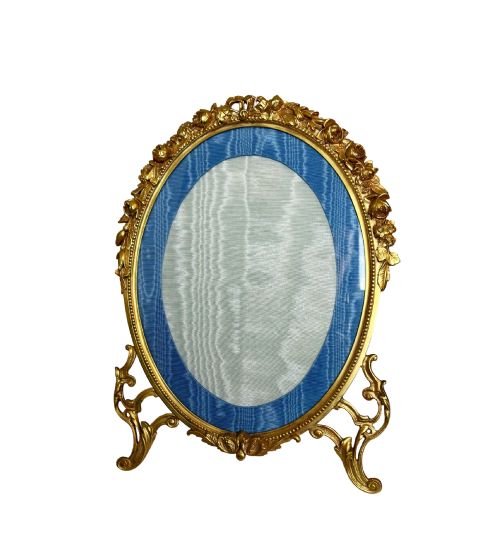
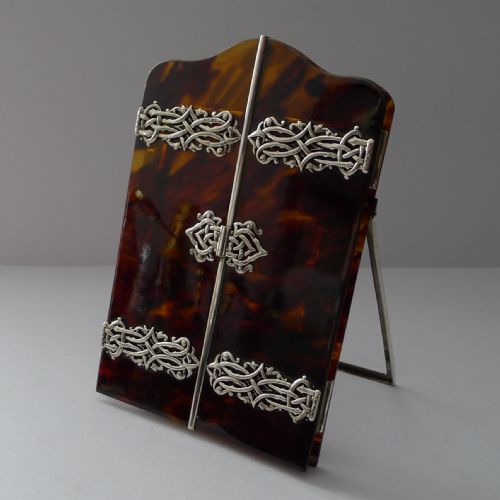
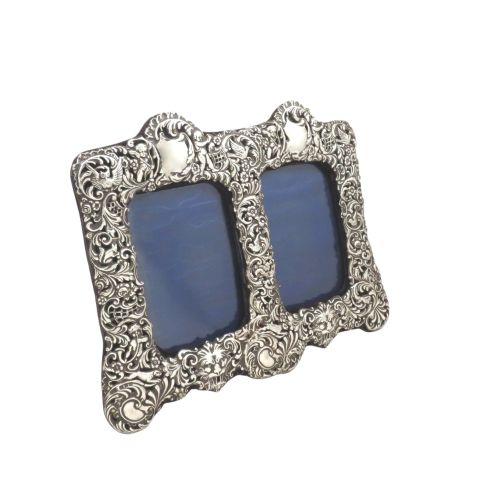
A victorian tabletop frame serves to display photographs, miniatures or cartes de visite upon desks, dressing tables and mantelpieces. These accessories span single apertures, double hinged designs and easel-backed variations that stand independently.
The objects seen here date primarily from the nineteenth century into the early twentieth century, encompassing Victorian and Edwardian periods. Picture frames and photo frames dominate the selections, alongside related tabletop mirrors and display boxes.
Origins include British workshops alongside Continental makers, employing styles from simple architectural moulding to elaborate revivalist ornamentation. Most examples utilise support struts or easel backs to maintain an upright position on flat surfaces.
Materials and construction methods
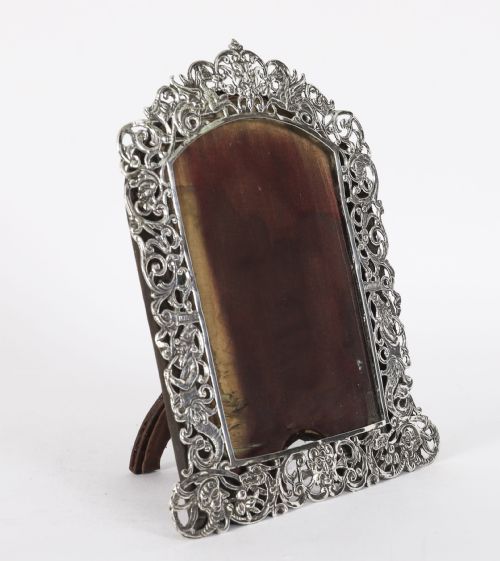
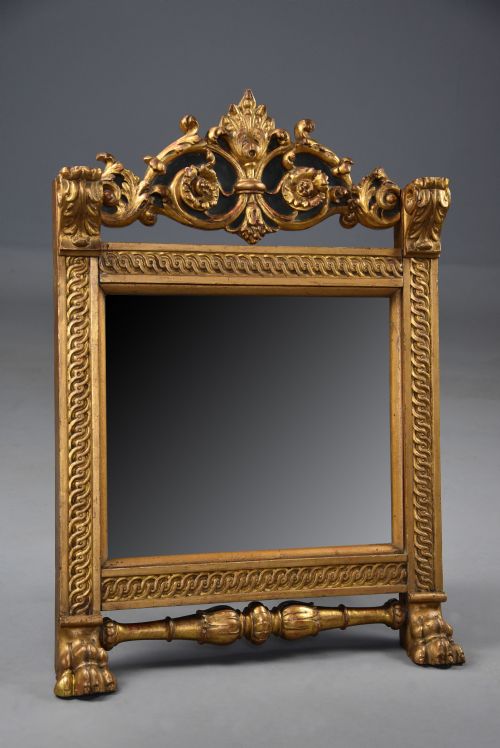
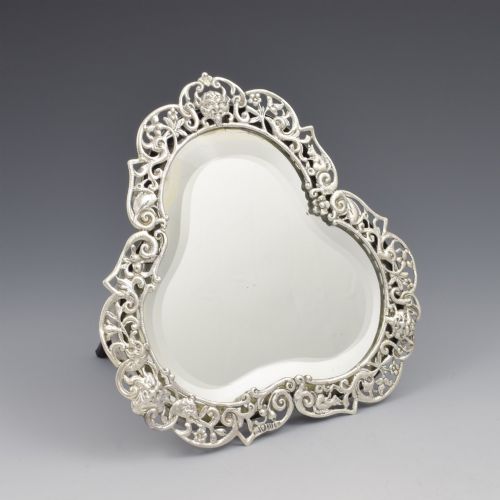
Metals form the structural basis for many pieces, utilising sterling silver, silver plate, brass, ormolu and gilt bronze. Artisans shaped these through casting, piercing and repousse work to create detailed borders decorated with cherubs, animals or floral motifs.
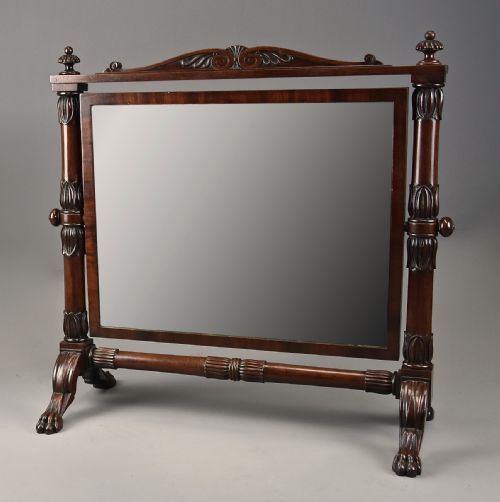
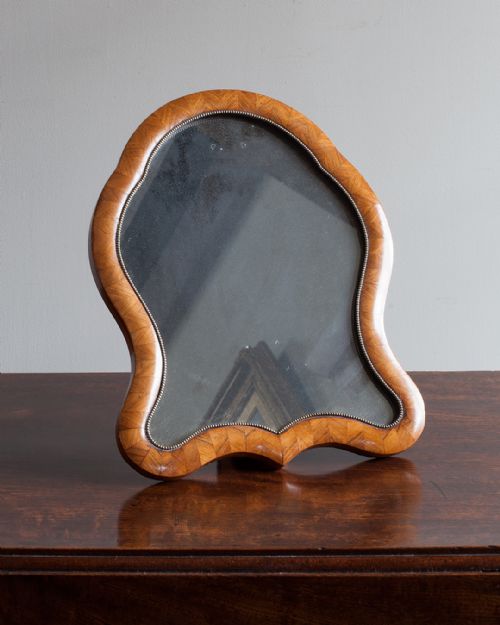
Organic and timber materials appear frequently, incorporating Cuban mahogany, kingwood, walnut, oak, bamboo and tortoiseshell. Woodworkers employed carving and ebonising techniques, whilst luxury items incorporated velvet linings and bevelled mirror glass.
Cherubs peer faithfully from several silver borders, holding eternal watch over long-faded Victorian portraits.
Distinctions in craftsmanship
Quality rests upon the crispness of the chasing in metalwork and the depth of relief in carved wooden or giltwood examples. Superior items display sharp detailing in cast motifs and precise mitring at the corners.
The choice of primary material dictates the tier of the piece, with solid sterling silver, tortoiseshell and gilt bronze holding distinction over plated metals or standard timber. Original backing boards and intact glass panes further distinguish well-preserved specimens.
Rosenthal Jacob & Co·Syner & Beddoes·Mappin Brothers·Walker & Hall·Hardy Brothers·Elkington & Co
The Victorian Tabletop Frame Glossary
- Easel back
- A hinged leg attached to the reverse of an object allowing it to stand upright on a horizontal surface. This structural addition is standard for desk and table display.
- Carte de visite
- A small photographic portrait popular in the nineteenth century that standard album and frame dimensions were designed to accommodate. These prints measure approximately standard visiting card size.
- Ormolu
- Finely ground high-carat gold applied to a bronze base using a mercury amalgamation technique. This finish imparts a rich metallic lustre characteristic of luxury French and English decorative arts.
- Repousse
- A metalworking technique where the artisan hammers the material from the reverse side to form a raised design in relief. This method creates dimensional ornamentation on silver and brass frames.
- Silver plate
- A thin layer of silver fused or electroplated onto a base metal such as copper or brass. This process provided an accessible alternative to solid sterling silver.
Victorian Tabletop Frame: Frequently Asked Questions
How do I clean a silver frame?
Clean silver components gently with a specialised microfibre cloth and mild silver polish, avoiding abrasive pastes that might wear away thin plating or delicate chasing.
Keep moisture away from wooden backs and velvet linings during the cleaning process to preserve the structural integrity of the antique materials.
What is an easel mirror?
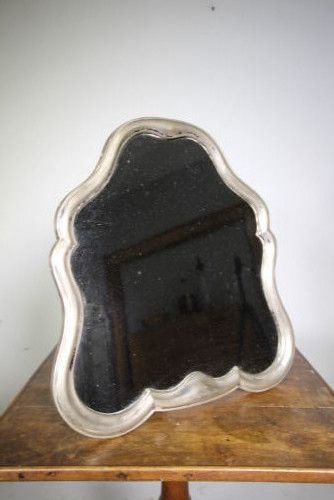
An easel mirror is a portable looking glass fitted with a hinged rear support strut, designed specifically to rest upon dressing tables or sideboards without requiring wall mounting.
These pieces often mirror the decorative motifs found on contemporary photograph frames, creating a matched set for nineteenth-century vanity displays.
How are double frames hinged?
Double frames utilise small barrel hinges joining two separate apertures together, allowing the entire unit to fold inward or angle outward on a desk.
This hinged construction enabled families to display two related portraits side by side while maintaining a compact footprint.
Are backing boards original?
Original backing boards on period pieces typically consist of thin pine, mahogany or cardboard covered in patterned paper, velvet or leather.
Retaining these early components is desirable for collectors as replacement backs are common additions from later restoration work.