



Victorian Portrait Frame
A victorian portrait frame preserves likenesses in oils, watercolours, and silhouettes while anchoring historic interiors with period weight.
Victorian Portrait Frame
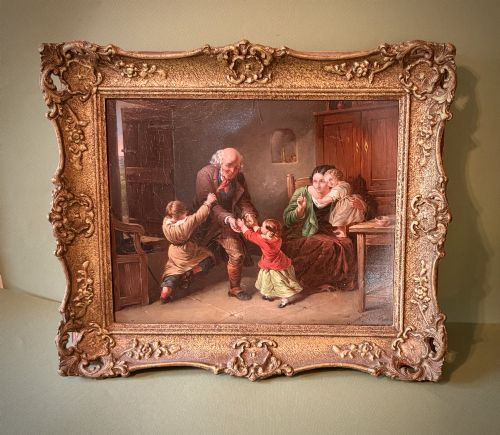
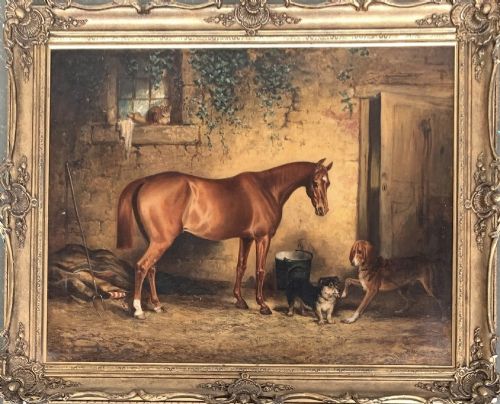
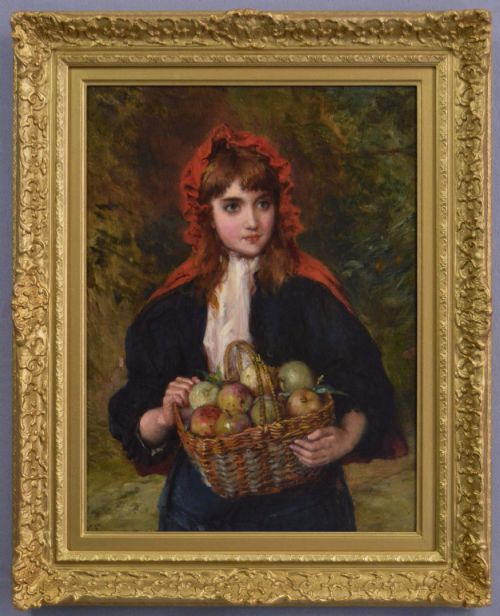
A victorian portrait frame encompasses surrounds housing nineteenth-century likenesses, spanning deep box velvet mounts, ebonised profiles, and ornate gilt mouldings.
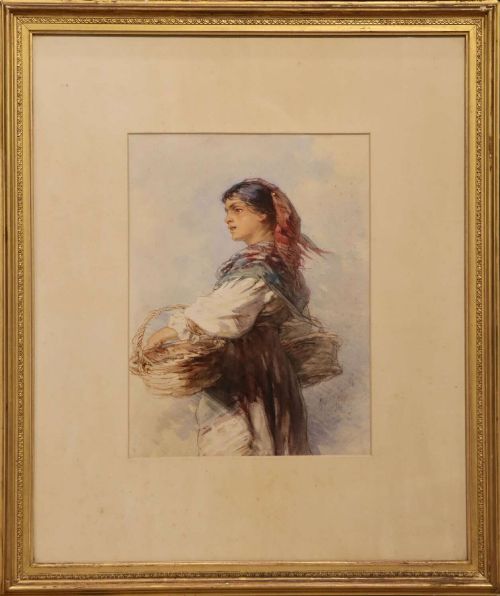
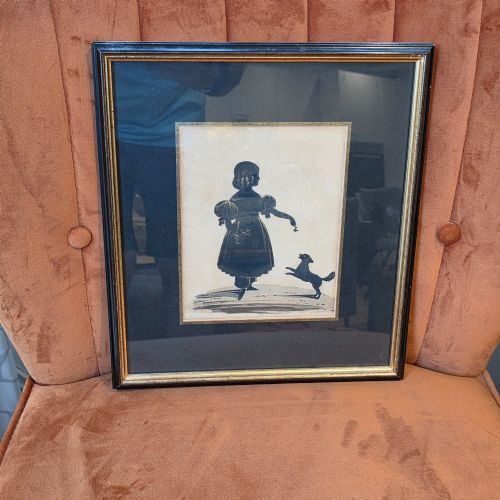
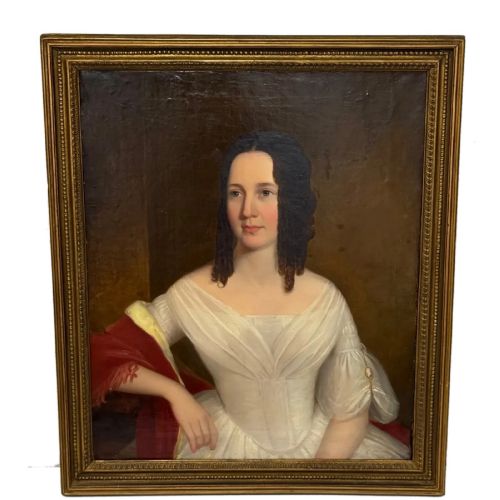
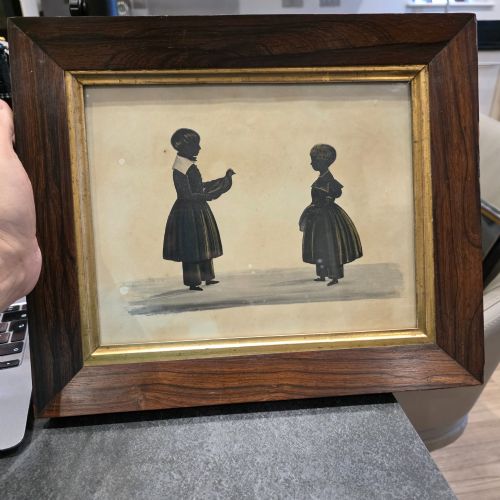
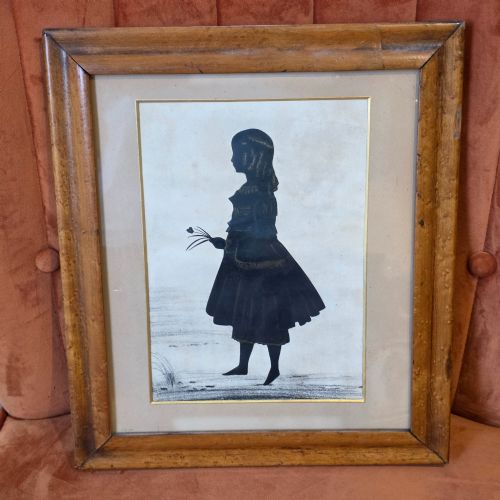
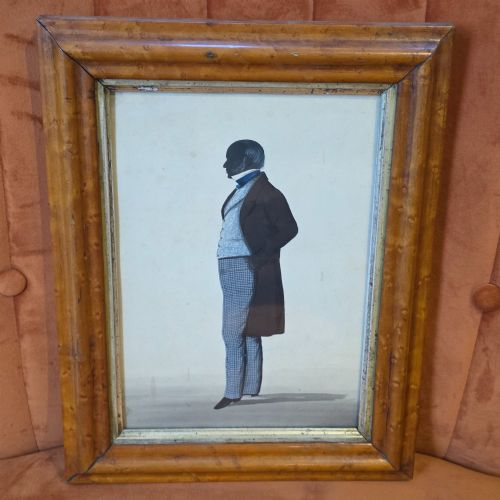
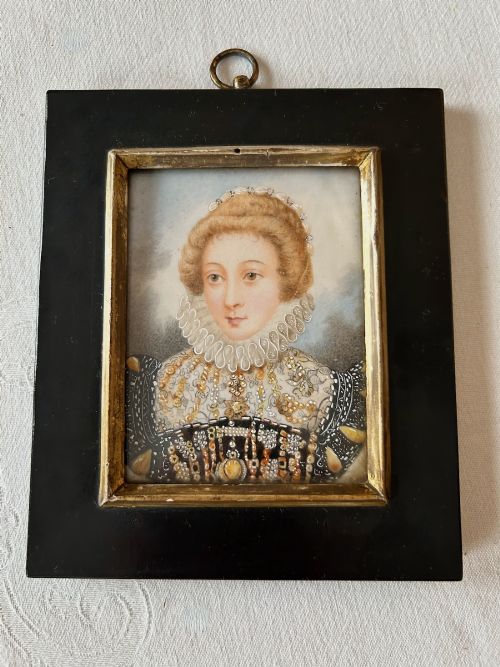
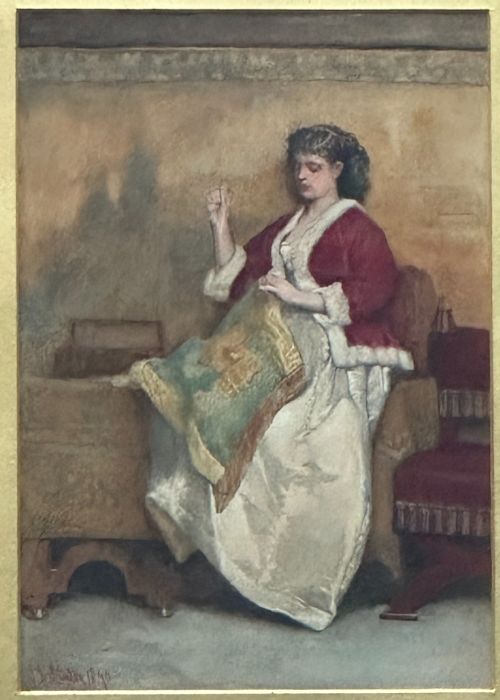
Buyers encounter oil paintings on canvas, delicate watercolours, and paper silhouettes alongside miniature portraits housed in burr maple or gilt enclosures.
The category bridges formal oil portraits of gentlemen and ladies with intimate framed photographs and painted miniatures dating across the nineteenth century.
How They Were Made
Craftsmen utilised timber such as burr maple and rosewood, applying gesso and gold leaf to shape decorative gilt frames.
Surrounds incorporated glass panes, velvet mounts, and paper mache to protect delicate watercolours and silhouettes.
Canvases and panels carried oil and pastel portraits framed with swept mouldings and engraved silver or ormolu housings.
Several portraits preserve the likenesses of Victorian racing pigeons alongside human aristocrats.
What Varies in Quality
The refinement of the moulding and the depth of the box mount separate standard productions from finer artisan enclosures.
Original matching frames demonstrate greater harmony with their artwork than later replacements fitted centuries later.
The complexity of gilding, hand-carved gesso details, and preserved backing materials elevate individual pieces.
William James Hubard·Josiah Gilbert
The Victorian Portrait Frame Glossary
- Giltwood
- Wood carved and coated with gold leaf. This finish defines many nineteenth-century picture frames.
- Gesso
- A plaster mix applied to wood frames before gilding. It allows for crisp decorative moulding.
- Burr maple
- Timber featuring intricate swirling grain patterns. It forms distinctive figured borders on miniature frames.
- Ormolu
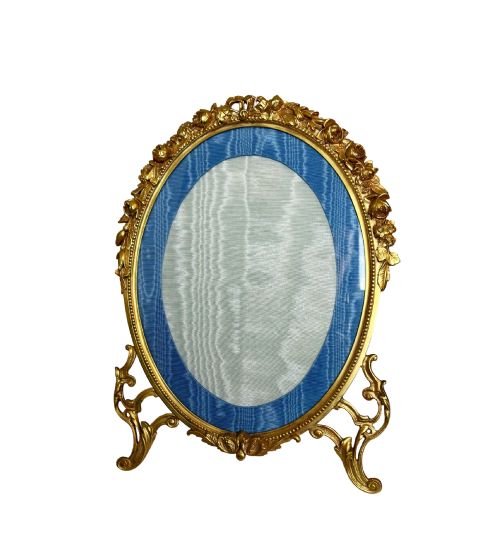
- Gilt bronze mounted onto decorative objects. It appears on ornate nineteenth-century miniature frames.
- Silhouettes
- Cut paper profiles mounted against contrasting backgrounds. These works frequently date to the Regency and Victorian eras.
Victorian Portrait Frame: Frequently Asked Questions
What fits inside a victorian portrait frame?
These surrounds house oil paintings, watercolours, pastels, miniatures, and cut-paper silhouettes under glass or within open mounts.
Many retain their original nineteenth-century artwork depicting family members, children, or notable historical figures.
How do I identify a period frame?
Look for construction markers like corner mitres, hand-applied gesso, and timber types such as burr maple or ebonised wood.
Original backings, old fixings, and matching scale between artwork and moulding indicate authentic nineteenth-century manufacture.
Are miniature frames different?
Miniature frames are scaled down to encase small watercolours, photographs, or silhouettes measuring only a few inches across.
They often utilise deep box designs with velvet linings and hinged mounts for desk display or wall hanging.
How do I care for these frames?
Keep wooden and gilt mouldings away from direct sunlight and fluctuating humidity to protect the fragile gold leaf and gesso.
Dust gently with a soft dry brush and avoid liquid cleaners that can damage historic finishes.