


Framed Victorian Photograph
A framed victorian photograph captures nineteenth-century life in silver, glass, and paper, offering a direct window into the past that anchors any room.
Framed Victorian Photograph
When you search for a framed victorian photograph, you encounter original period portraits, hand-coloured prints, and reverse-painted chrystoleoms housed in ornate contemporary mountings. The selections span the late nineteenth century and the Edwardian era, featuring both intimate single portraits and expansive double displays.
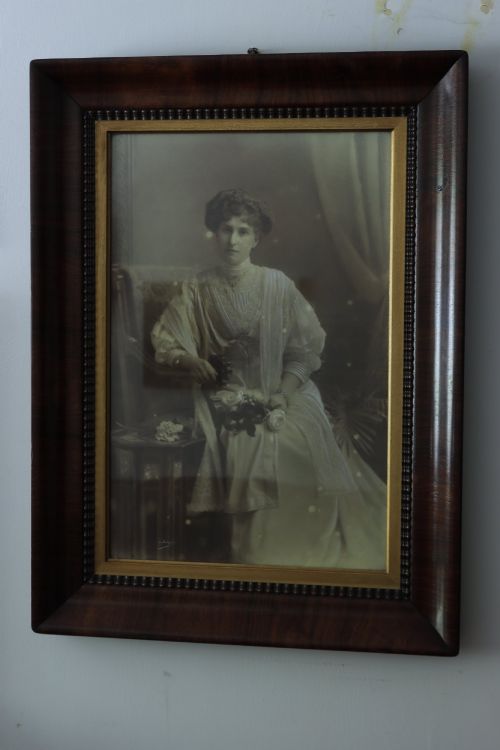
You frequently meet silver-mounted surrounds, velvet-backed easel frames, and elaborate gilt gesso housing alongside table-top display boxes and wall-hanging artworks. The subjects range from formal family groups and equestrian scenes to individual studies of ladies and gentlemen.
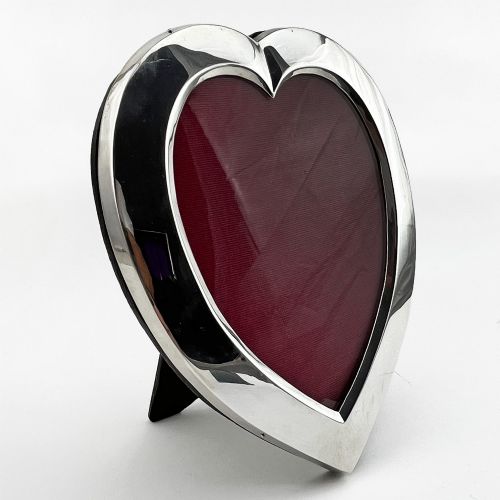
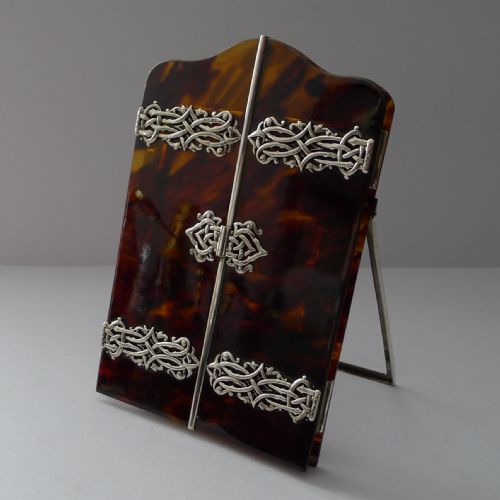
The assortment includes specialised items such as heart-shaped sterling silver housings, embossed art nouveau ovals, and multi-panel folding frames. These pieces originate from diverse periods including the 1880s, 1890s, and early 1900s, reflecting the evolving tastes in domestic display.
Materials and construction
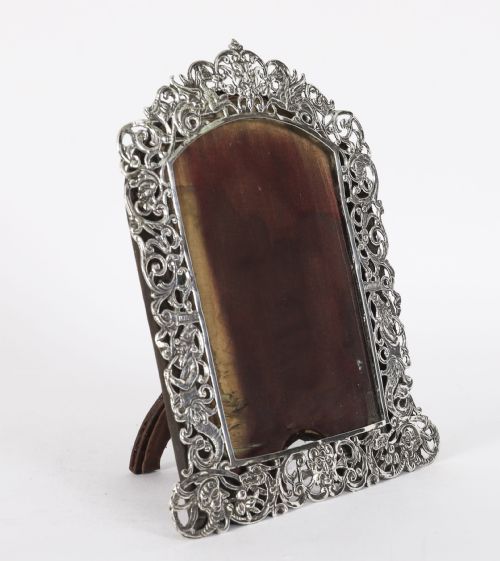
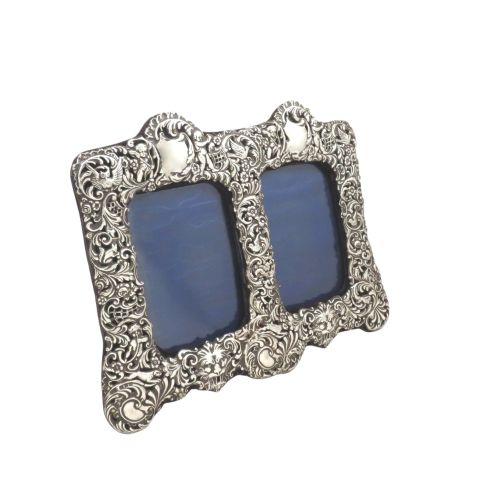
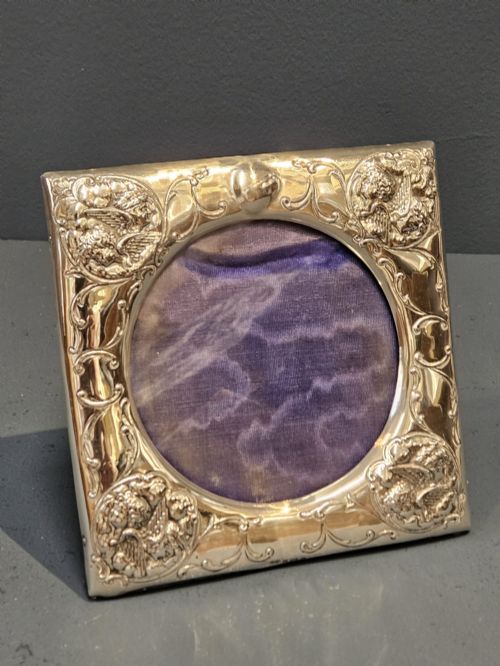
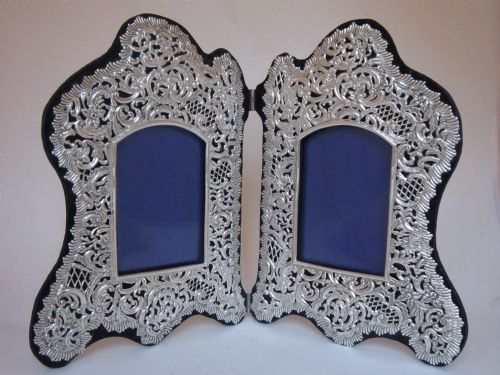
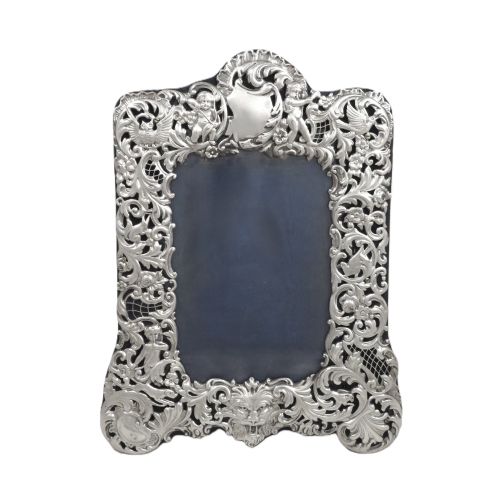
Makers utilised sterling silver, gilded bronze, and polished brass to forge ornate mounts, often incorporating intricate repoussé motifs depicting cherubs, birds, and floral scrolls. These metal housings frequently paired with supportive wooden backs covered in rich blue or dark velvet.
Glass protected delicate paper photographs, hand-coloured prints, and layered chrystoleoms, which involved oil painting over convex photographs mounted to glass. Frames themselves combined carved oak, gilt gesso, and ebonised wood to create substantial, decorative borders.
Certain frames proudly feature watchful owls, flying cherubs, and barking dogs peering out from the silver scrollwork to guard the family portraits.
Distinctions in quality
Quality rests significantly upon the reputation of the silversmith or atelier responsible for the housing, with marked pieces from recognised makers commanding greater attention. The crispness of embossed metalwork and the depth of chased detailing separate standard commercial frames from superior examples.
The preservation of the interior image, whether an original silver gelatin print or a delicately coloured chrystoleom, dictates the overall integrity of the piece. Superior items retain their original glass, supportive velvet backing, and structural soundness without compromising the visual impact of the portrait.
Rosenthal Jacob And Co·William Comyns·Henry Matthews·Walker And Hall·Syner And Beddoes
The Framed Victorian Photograph Glossary
- Chrystoleum
- A specialised Victorian technique where a photograph was pasted face down to glass, made transparent, and hand-painted from behind before being framed. This process produced a vibrant, three-dimensional coloured image resembling an oil painting.
- Repoussé
- A metalworking method where the artisan hammered and punched the reverse side of a sterling silver or bronze sheet to form raised relief designs on the front. This technique allowed for elaborate floral and figurative ornamentation on photograph frames.
- Easel back
- A hinged support strut attached to the rear of a frame, allowing it to stand upright on a table or desk. These backings were frequently lined with velvet or leather.
- Gilt gesso
- A plaster-like material applied to a wooden frame base, carved into decorative motifs, and covered in thin gold leaf. This created the opulent metallic sheen seen on many nineteenth-century wall frames.
- Carte de visite
- An early type of small photographic portrait mounted on a card, popular for collecting and displaying in specialised table-top boxes and multi-window frames.
Framed Victorian Photograph: Frequently Asked Questions
How do I date a framed photograph?
Dating relies on hallmarks stamped on silver mounts, the style of the clothing and hair in the image, and the construction methods of the frame itself. Examining the backing materials and fasteners also provides clues to the manufacturing decade.
Makers' marks on metal frames connect directly to specific active years of silversmiths and firms. Patent dates and registration numbers printed on the reverse further narrow the timeframe.
What is a chrystoleum?
A chrystoleum is a photograph that has been made transparent, glued to glass, and meticulously painted by hand from the reverse side. This creates a colourful, glowing portrait with remarkable depth.
Artisans applied oil paints in translucent layers behind the image to simulate genuine oil paintings. They represent a distinct Victorian method of adding colour to monochrome photography before modern colour film existed.
How were these frames displayed?
Victorian frames were designed primarily for tabletop placement on desks, mantelpieces, and sideboards using folding easel backs. Larger formats and specialised multi-panel pieces sat on dedicated display boxes or hung securely upon drawing-room walls.
Interior spaces of the period favoured dense groupings of framed family portraits and decorative art. Velvet-backed table frames kept precious likenesses close at hand in domestic living quarters.
Can I replace the photograph inside?
Most antique frames retain their original historical photographs, which form an integral part of the piece's character and provenance. Replacing the contents risks disturbing fragile backing boards, original glass, and historical seals.
Collectors generally prefer to keep the original portrait undisturbed within its housing. Removing the historic image alters the complete object as it was preserved from the nineteenth century.