
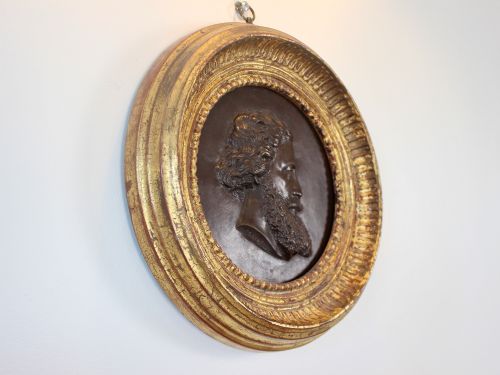


Gilt Metal Frame
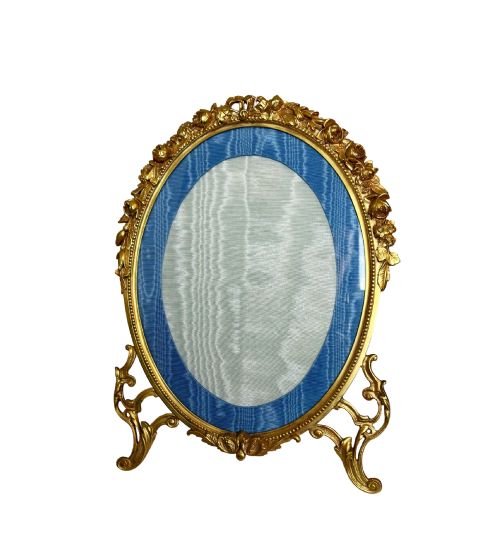
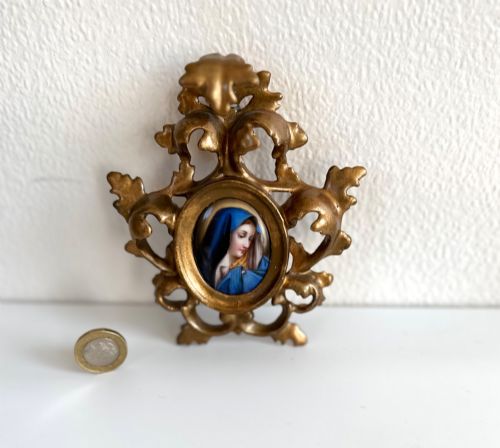
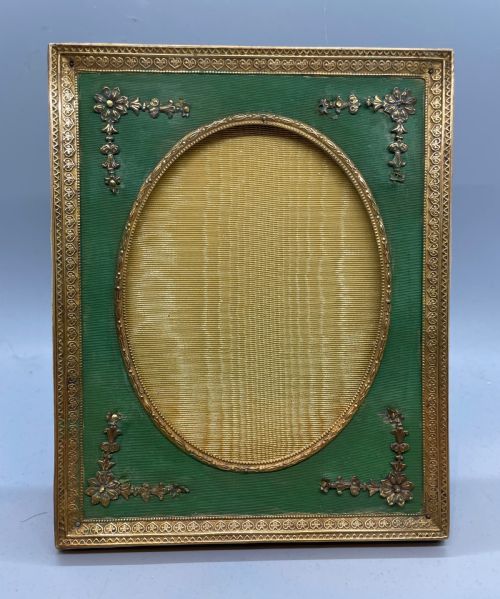
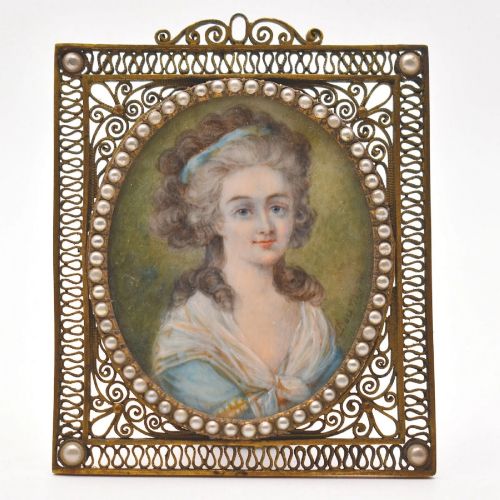
A gilt metal frame holds delicate miniatures, mirrors, and photographs with a distinct sense of period craftsmanship.
Gilt Metal Frame
A gilt metal frame encompasses a variety of decorative objects, most commonly appearing as picture frames, portrait miniatures, wall mirrors, and small plaques. These items frequently date from the eighteenth and nineteenth centuries into the early decades of the twentieth century, reflecting Georgian, Victorian, Regency, and Edwardian design sensibilities.
The selection ranges from small, easel-backed table frames designed for photographs and paintings to larger wall mirrors and chandeliers incorporating gilt bronze, brass, and ormolu. French and English origins predominate, often displaying Rococo Revival or champleve elements alongside simpler classical outlines.
How they were made
Makers utilised cast bronze, brass, and ormolu to form the structural body of a gilt metal frame, often applying fire gilding or gold plating to achieve a lustrous surface finish. Detail was frequently achieved through fine casting and chased ornamentation.
Many items incorporate supplementary materials such as glass, velvet panels, paste stones, seed pearls, and enamel work. Miniature paintings on paper, ivory, or metal panels were then fitted securely within these protective housings.
Listings for gilt metal frame pieces frequently feature French and English origins, spanning the Georgian, Victorian, and Edwardian eras.
What varies in quality
The crispness of the cast ornamentation dictates the standard of a gilt metal frame, where sharper relief and deeper hand-chasing separate finer workshop output from simpler production. Superior examples maintain the integrity of their original gilding and retain securely fitted backings, bezels, and easel supports.
Makers who incorporated specialised embellishments such as micro mosaics, seed pearls, paste stones, or champleve enamel achieved a higher tier of decorative complexity. The integration of signed portrait miniatures or original hand-painted components also elevates the standing of an individual piece.
William Naish·Emma Kendrick·Henry Jacob Burch·Diana Hill·John Joseph Mechi
The Gilt Metal Frame Glossary
- Ormolu
- A gilded bronze technique utilising a mercury amalgam, widely employed in French furniture mounts and decorative frames during the eighteenth and nineteenth centuries.
- Champleve
- An enamelling technique where troughs are dug into a metal surface and filled with vitreous enamel before firing.
- Micro mosaic
- A meticulous decorative method using tiny glass tesserae to form intricate pictorial scenes, frequently found on Victorian frames.
- Portrait miniature
- A small-scale painting executed on paper, vellum, ivory, or metal, often housed directly within a decorative easel frame.
- Easel back
- A hinged support strut attached to the rear of a table frame allowing it to stand upright on a surface.
Gilt Metal Frame: Frequently Asked Questions
How do I date a gilt metal frame?
Dating relies upon stylistic markers, assembly methods, and associated contents like photographs or paintings. Georgian and Regency examples often show different casting profiles compared to later Victorian Rococo Revival or Edwardian pieces.
Examining the fixings, screw types, and easel mechanisms provides further chronological clues. Many items also correspond to specific historical periods recorded by the original makers or sit within known artistic spans.
Were these frames meant for walls or tables?
A gilt metal frame serves both purposes depending on its original intended function. Smaller formats frequently feature folding easel backs designed for display on desks, tables, or mantelpieces.
Larger iterations incorporate hanging loops or wall brackets for mirrors, plaques, and picture arrangements. Some sophisticated examples transitioned between table display and wall mounting.
What is ormolu?
Ormolu describes a process of applying finely ground high-carat gold suspended in mercury to a bronze object, which was then heated to evaporate the mercury. This technique created a durable, rich golden surface finish seen on many French and English decorative items.
By the nineteenth century, electroplating methods began to supplement traditional fire gilding techniques. Both approaches yield the warm metallic glow characteristic of period frames.
Can I replace the glass in an antique frame?
Replacing glass is sometimes necessary if the original pane is cracked or missing. Conservation practices favour retaining original mouth-blown or early drawn glass wherever possible to preserve historical authenticity.
When replacement is required, selecting thin glass that mirrors the slight imperfections of period material helps maintain the visual integrity of the miniature or artwork housed inside.