

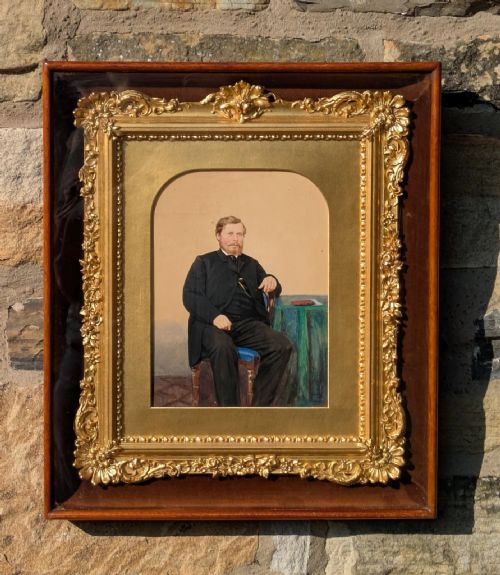


Velvet Mounted Frame
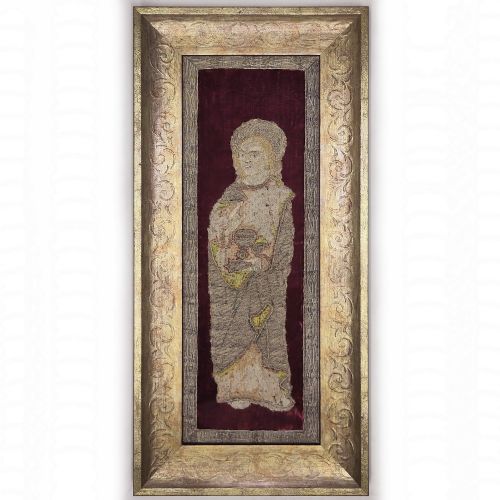
A velvet mounted frame brings tactile depth to interior displays, surrounding mirrors, portraits, and textiles with plush fabric borders.
Velvet Mounted Frame
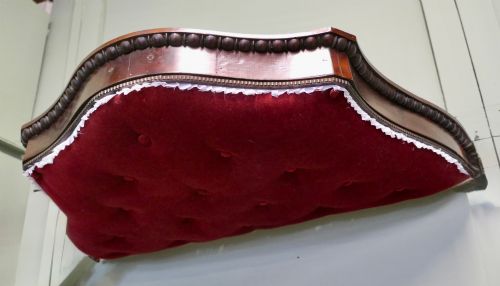
A velvet mounted frame combines structural support with a rich fabric lining that highlights the artwork or mirror held within. These pieces emerge primarily from the Victorian and Edwardian periods, carrying the decorative sensibilities of the nineteenth and early twentieth centuries.
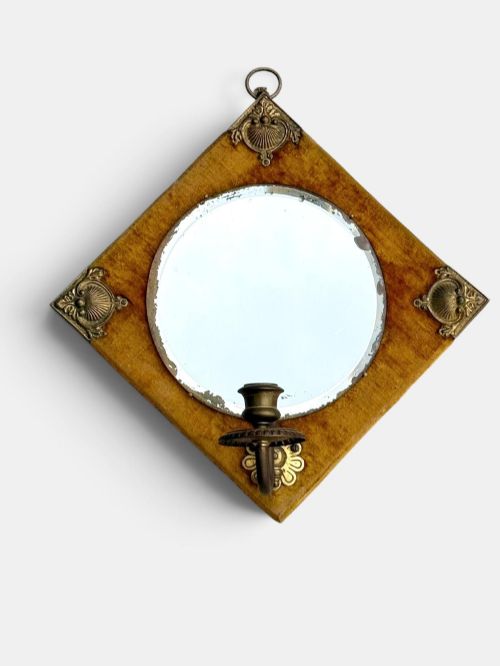
The selections available here showcase diverse applications of the form, ranging from wall mirrors and deep glazed boxes to photographic displays and portrait miniatures. Buyers frequently encounter Edwardian Arts and Crafts wall mirrors alongside Victorian gilt frames featuring velvet mounts and delicate brass or silver hardware.
How they were made
Makers constructed the foundational structure using timbers such as mahogany and supported them with wooden framing or cast bronze and brass mounts. Giltwood and gilt bronze also appear frequently, adding metallic brilliance that contrasts against the soft textile surfaces.
Silk or cotton velvet was stretched carefully across internal mounts to form a luxurious backing or border for glass and miniatures. Artisans secured these textile elements within wooden or metal outer housings, often integrating deep glazing boxes to protect fragile contents.
Velvet Mounted Frame Retail Price Guide 2026
Typical asking prices for velvet mounted frame among the pieces listed under this phrase on Sellingantiques today, from the lower quarter to the upper quarter. They describe what is for sale here now, not the wider market.
Current listings feature pieces spanning the Victorian and Edwardian periods, utilising velvet, mahogany, silver, brass, and giltwood.
What varies in quality
The standard of a velvet mounted frame rests upon the integrity of its textile lining and the precision of its metal or wooden mounts. Dense, uniform pile fabrics and substantial brass, silver, or gilt bronze hardware indicate superior craftsmanship.
Construction methods also distinguish standard examples from finer productions, particularly in the joinery of the timber frame and the security of the internal mount. Pieces that retain their original glass, backing boards, and structural rigidity command greater appreciation among collectors.
The Velvet Mounted Frame Glossary
- Velvet
- A woven tufted fabric with a dense, short pile that provides a soft texture and deep colour. It serves as the characteristic backing or mounting surface within these frames.
- Gilt bronze
- An alloy treated with a gold amalgam or finish to achieve a bright, metallic lustre. This material often forms the decorative mounts and clasps on period pieces.
- Arts and Crafts
- A design movement prioritising traditional craftsmanship and simple forms over mass production. Pieces from this era often feature understated metallic mounts alongside tactile fabrics.
- Portrait miniature
- A small, highly detailed painting, typically executed on ivory, vellum, or card. These delicate works frequently utilise specialised frames with fabric mounts for protection and display.
Velvet Mounted Frame: Frequently Asked Questions
What periods do these frames come from?
The pieces span the nineteenth and early twentieth centuries, encompassing Victorian and Edwardian eras. Stylistic influences range from French Empire and Rococo Revival to Arts and Crafts designs.
Buyers will find that each period brings distinct mounting techniques and hardware styles, reflecting the prevailing aesthetic preferences of the time.
How were these frames originally used?
These pieces served to display portrait miniatures, photographs, botanical prints, and small mirrors within domestic interiors. The fabric backing provided a contrasting background that enhanced the visual impact of the enclosed item.
Many incorporated deep glazing boxes or easel backs, allowing them to be hung on walls or placed upon surfaces within a parlour or bedroom.
What materials are used in their construction?
Makers utilised a combination of hardwoods like mahogany alongside soft textiles such as velvet. Structural elements frequently incorporate brass, silver, bronze, and giltwood.
The interplay between woven fabric and polished metal creates the distinctive aesthetic characteristic of these antique decorative objects.
How do I care for antique velvet mounts?
Protect the fabric from direct sunlight to prevent fading and keep the environment dry to avoid moisture damage to the internal wooden structure. Gentle dusting with a soft, dry brush helps maintain the nap of the velvet without disturbing the mount.
Avoid liquid cleaners entirely, as moisture can permanently stain historical textiles and tarnish adjacent metal mounts.