


Decorative Tabletop Frame
These decorative tabletop frame pieces bring character to a room, holding cherished portraits and miniature watercolours within ornate borders.
Decorative Tabletop Frame
A decorative tabletop frame is a portable accessory designed to stand on surfaces such as mantelpieces, desks and side tables to display photographs or watercolours. Buyers searching this phrase look for historic stands that turn everyday pictures into works of art through decorative surrounds.
The pieces on this page span the Victorian and Edwardian periods up to the Art Deco era, encompassing styles from French Rococo to the Aesthetic Movement. Most examples take the form of dedicated picture or photo frames, though related decorative objects occasionally appear in the selection.
How they were made
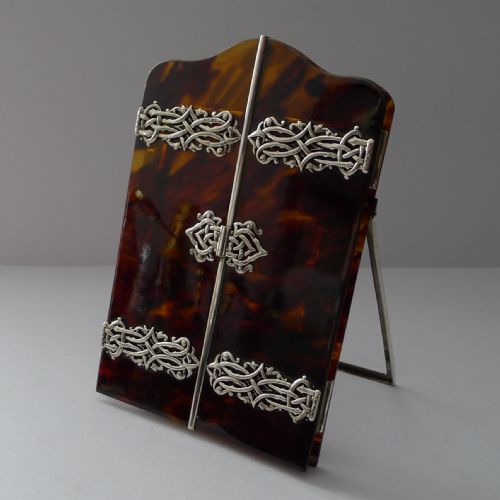
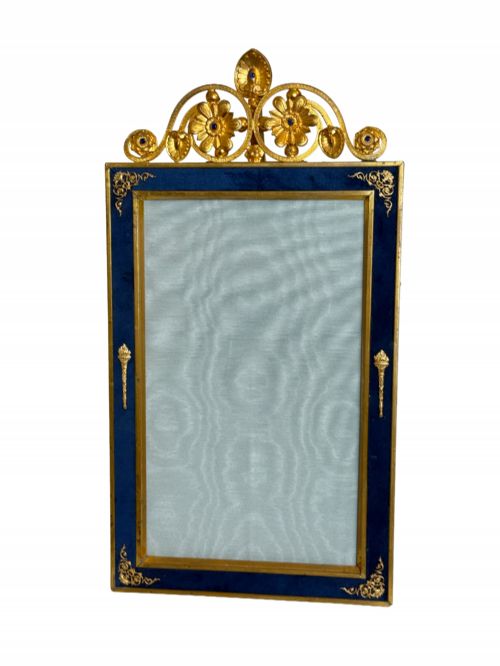
Maker's workshops built these frames using substantial structural materials such as sterling silver, silver plate, gilt bronze, pewter and wood. Many pieces integrate delicate secondary elements like tortoiseshell, velvet, silk, glass and paste stones into the primary chassis.
Casting, gilding and metal mounting techniques predominated, with silversmiths and bronze workers employing meticulous surface decoration. Backings often utilised wood fitted with plush fabrics to support the internal glass panels and secure the artwork.
What varies in quality
Quality rests in the crispness of the cast metalwork and the integration of costly backing materials like tortoiseshell or silk velvet. Superior examples display refined chasing and well-balanced proportions that elevate a simple photo holder into a distinguished decorative object.
Lesser items rely on simpler stamped construction and basic timber backs without precious metal mounts or specialist finishing. The presence of maker marks, hallmarking on silver components and original bevelled glass further distinguish the finer pieces.
Hardy Brothers
The Decorative Tabletop Frame Glossary
- Sterling silver
- A silver alloy containing 92.5 percent pure silver by mass, widely utilised for high-end Victorian and Edwardian picture frames. It carries official hallmarks that verify its metal purity and origin.
- Gilt bronze
- Bronze metal treated with a thin layer of gold through fire gilding or electroplating, commonly seen in French Empire and Rococo style frames. This technique provides a durable, lustrous golden finish.
- Tortoiseshell
- A material derived from the shell of larger sea turtles, used as an ornamental overlay on luxury nineteenth-century frames. Its rich amber and brown mottling created striking contrasts against silver mounts.
- Aesthetic Movement
- A late nineteenth-century design style that emphasised decorative qualities over narrative content, drawing inspiration from Japanese art. Frames from this movement often feature stylised natural motifs and subdued patination.
- Paste stone
- Hand-cut lead glass used to imitate precious gemstones in decorative metalwork. It added sparkle and colour to the borders of nineteenth- and twentieth-century frames.
Decorative Tabletop Frame: Frequently Asked Questions
What is a decorative tabletop frame?
A decorative tabletop frame is an ornamental stand designed to display photographs, paintings or watercolours on flat surfaces.
Unlike wall-mounted alternatives, these objects feature finished backs and supportive struts so they can be viewed from multiple angles within a room.
How do I date an antique frame?
Dating relies on examining the manufacturing techniques, hallmark stamps on silver components, and stylistic clues such as Aesthetic Movement or Art Deco motifs.
Materials like tortoiseshell, specific glass types and backboard construction methods also help narrow down the period of production.
Are antique frames standard sizes?
Antique frames predate modern photographic standards and were frequently custom-made to fit specific portraits, watercolours or cards.
Consequently, aperture dimensions vary widely across Victorian and Edwardian examples, requiring careful measurement before inserting new pictures.
How were these frames displayed historically?
Historically, owners placed these frames on drawing room mantelpieces, writing desks and occasional tables to display family portraits and artistic watercolours.
They served both a sentimental purpose and a decorative function within the domestic interior.