




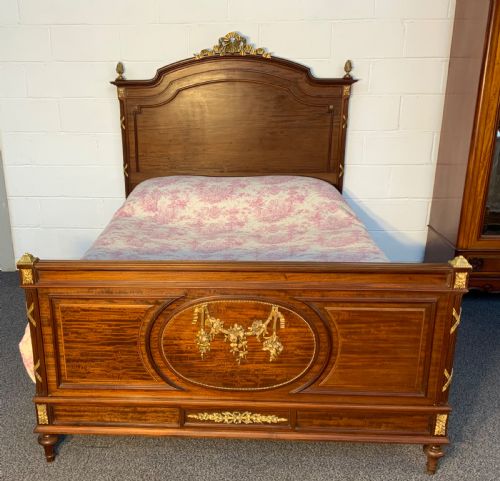
Gilt Bronze Frame
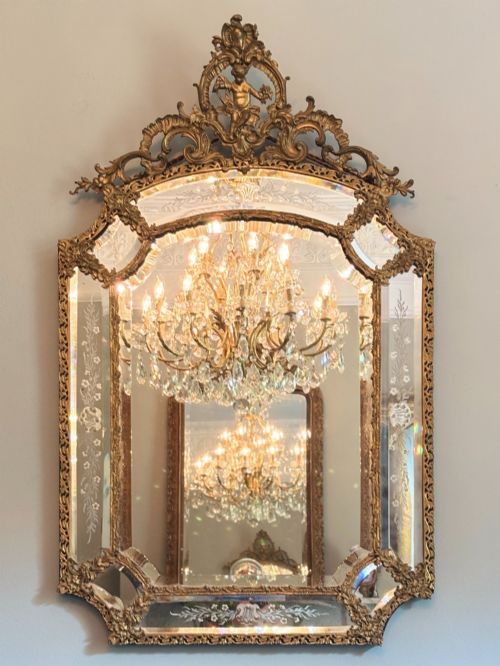
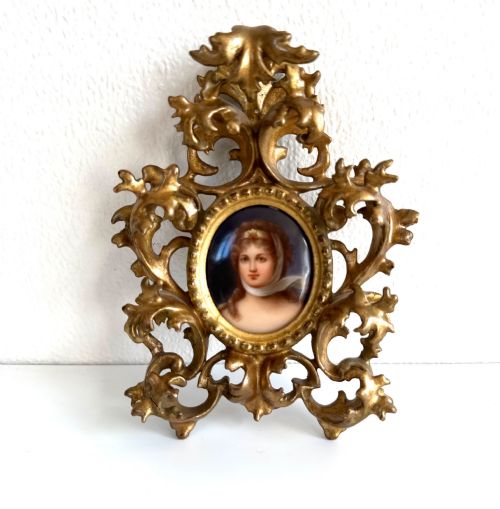
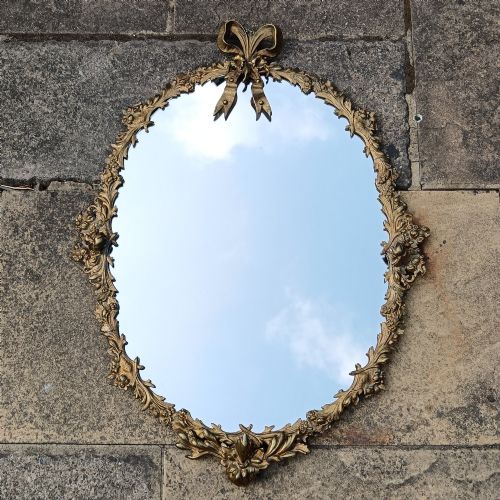
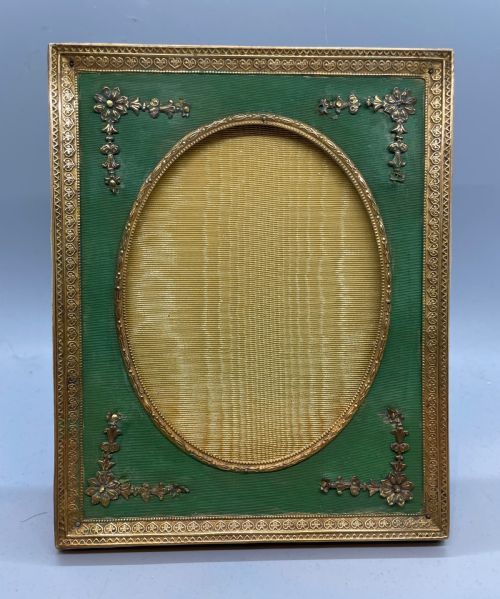
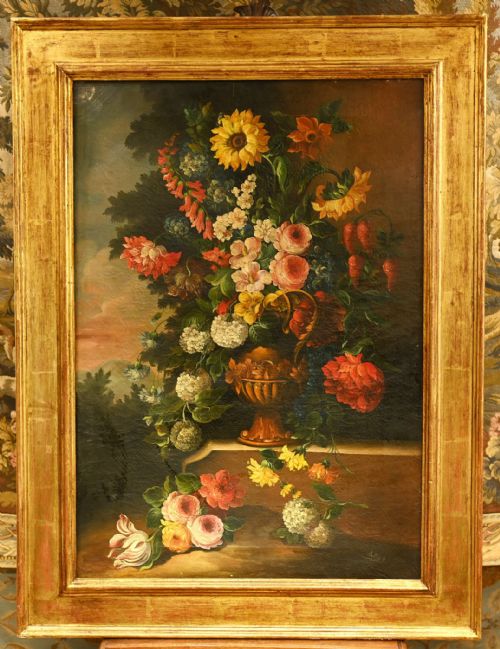
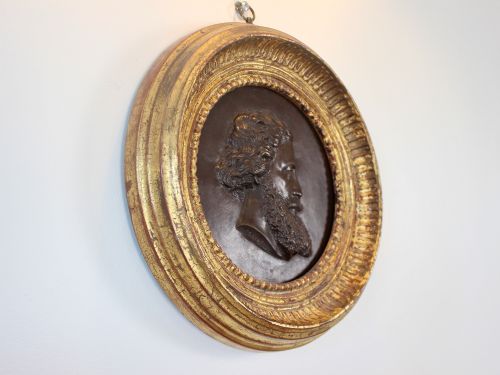
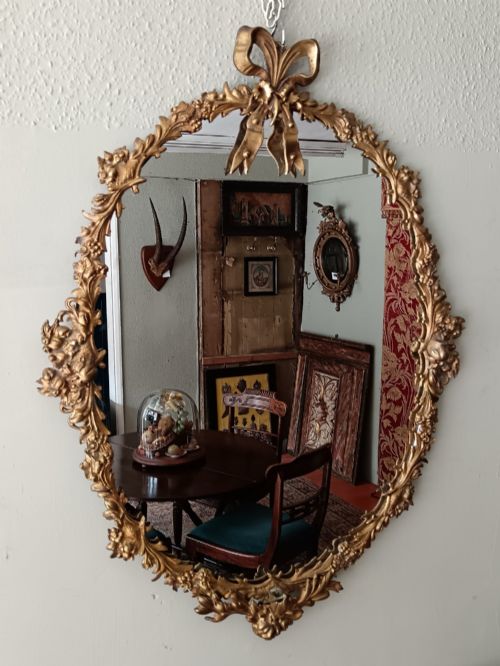
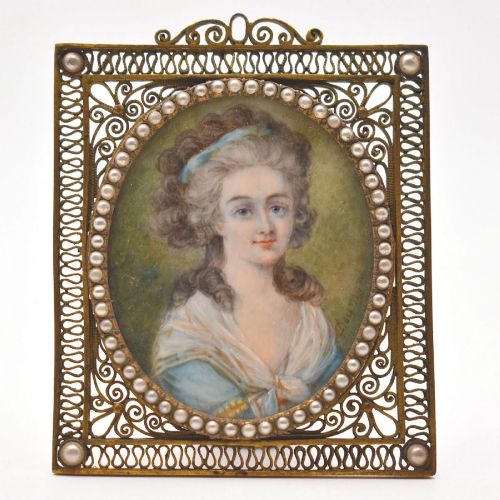
A gilt bronze frame brings an opulent weight and fine detail to portrait miniatures, photographs and mirrors alike.
Gilt Bronze Frame
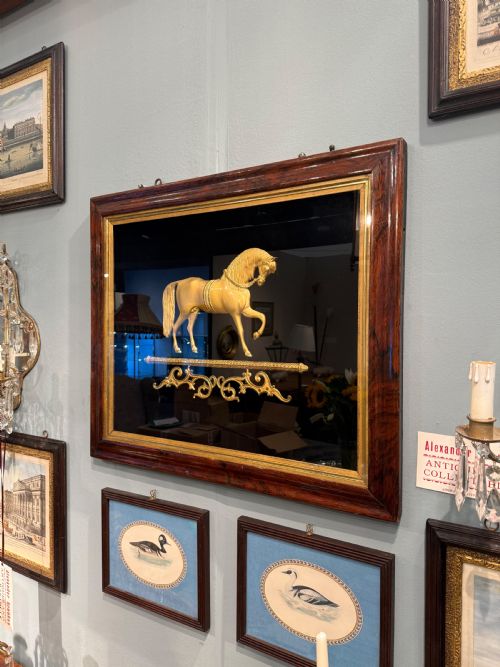
When you search for a gilt bronze frame, you encounter decorative enclosures designed for portraits, photographs, mirrors and small desk accessories. These pieces span the nineteenth century, with strong representation from the eighteen-eighties and eighteen-nineties alongside Regency and Edwardian examples.
The most common forms on this page include standing picture frames, wall mirrors and glazed photograph frames. Many items showcase French influence, particularly through Louis XVI Revival and Rococo styles that prioritize ornate crests, scrolling foliage and architectural borders.
Beyond standalone picture frames, the selection encompasses related metalwork items where the cast bronze structure frames a secondary medium. These include champleve enamel panels, inset paste stones, ceramic plaques and delicate silk or glass components.
Materials and casting methods
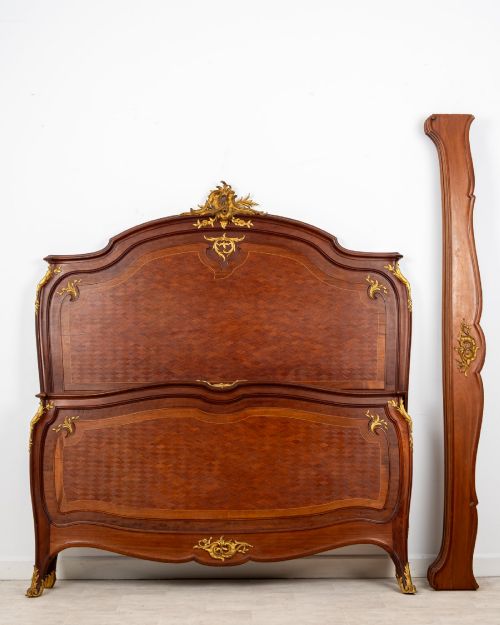
The primary material is cast bronze, frequently gilded to achieve a bright, reflective surface or finished as ormolu with rich golden tones. Makers utilised sand casting and lost-wax methods to create complex, high-relief decorations such as cherubs, Napoleonic bees and floral scrolls.
Structural elements and backing plates frequently incorporate wood, glass, silk and occasionally marble or leather to support the metal work. Details are further enhanced through champleve enamel, paste stones and hand-chased surface tooling that sharpens the contours of the cast ornamentation.
Gilt Bronze Frame Retail Price Guide 2026
Typical asking prices for gilt bronze frame among the pieces listed under this phrase on Sellingantiques today, from the lower quarter to the upper quarter. They describe what is for sale here now, not the wider market.
Listings demonstrate a strong prevalence of nineteenth-century French manufacture, particularly pieces incorporating glass, wood, and champleve enamel.
Evaluating craftsmanship and condition
Quality rests in the crispness of the chased detail and the depth of the metal casting. Superior examples display sharply defined motifs without the softness or pitting associated with secondary recasts.
The integrity of the gilding and the preservation of secondary materials like enamel or glass dictate the piece's standing. Intricate structural elements, such as functional easel backs, secure hinges and original bevelled glass, separate standard production items from finer studio pieces.
Boin Taburet
The Gilt Bronze Frame Glossary
- Ormolu
- Gilt bronze produced by applying a finely ground high-carat gold-mercury amalgam to a bronze object before heating. This historic technique creates a durable, luminous golden finish characteristic of fine French decorative arts.
- Champleve
- An enamelling technique where troughs or cells are hollowed out in the metal surface and filled with vitreous enamel paste before firing. It frequently appears alongside gilt bronze on late nineteenth-century frames and desk boxes.
- Louis XVI Revival
- A nineteenth-century design movement drawing on neoclassical symmetry, straight lines, ribbons and classical floral motifs. Frames in this style often feature restrained geometric borders rather than asymmetrical curves.
- Paste Stone
- Faceted glass cut and polished to imitate gemstones, frequently set into decorative metal frames. These stones add coloured highlights to the surrounding bronze ornamentation.
- Chasing
- The manual post-casting process of refining and texturing metal surfaces using tiny punches and hammers. Skilled chasing brings out the fine hair, feathers and leaf veins on decorative frames.
Gilt Bronze Frame: Frequently Asked Questions
How do I date a gilt bronze frame?
Dating relies on stylistic clues, framing techniques, and material combinations. Pieces displaying heavy cast ornament often align with late nineteenth-century revival periods.
Backing construction, easel designs, and fastener types offer further chronological markers. Victorian and Edwardian examples frequently utilise specific hinged struts and slotted turn-buttons.
What is the difference between ormolu and gilt bronze?
Ormolu specifically denotes bronze objects gilded using a mercury-gilding process that bonded gold to the metal base with intense heat. The term gilt bronze is a broader description that can include modern electroplating as well as historic fire gilding.
In marketplace terminology, the two terms often overlap. True ormolu generally exhibits a deeper, softer golden lustre and superior durability.
How were these frames used originally?
These frames served primarily to display cherished portrait miniatures, family photographs, and painted plaques within bourgeois and aristocratic interiors. Desk sets and dressing tables frequently incorporated matching mirrors and picture frames.
Many designs offered versatile display options, featuring both an integrated easel stand for tabletop placement and a suspension loop for wall hanging.
How should I clean a gilt bronze frame?
Maintenance requires minimal intervention to preserve the historic surface and original gilding. Gentle dusting with a soft, dry cloth prevents particulate accumulation.
Water, chemical solvents, and abrasive metal polishes must be avoided entirely. These harsh agents strip away historic gilding and damage delicate enamel or paste stone inlays.