

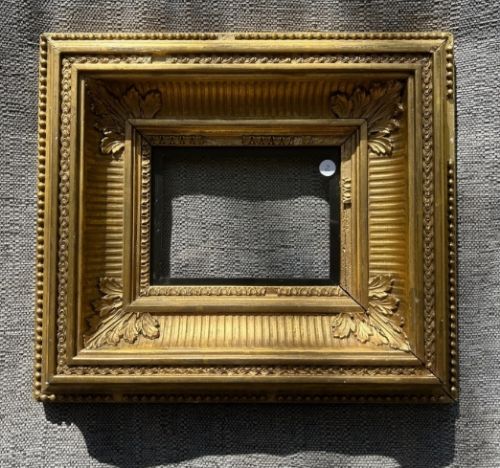
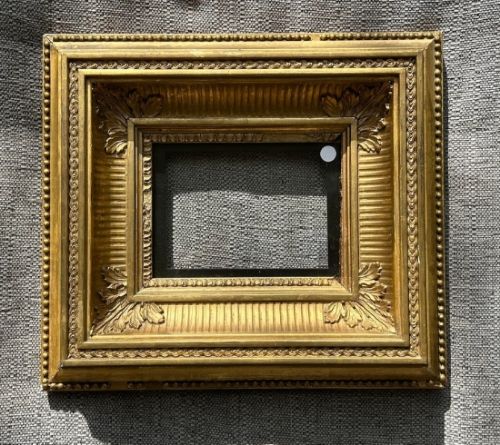


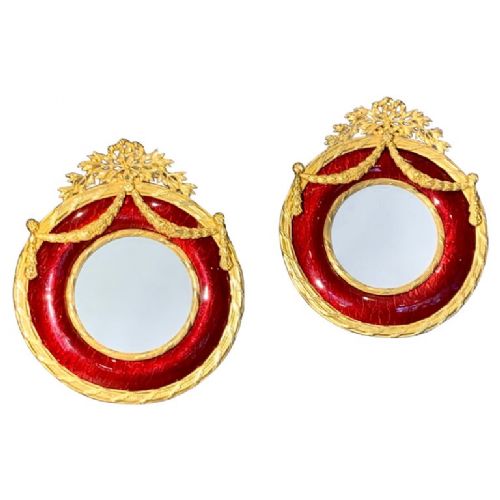


19th Century Photo Frame
A 19th century photo frame brings the detailed artistry of the Victorian and French eras straight to a mantelpiece.
19th Century Photo Frame
A 19th century photo frame encompasses pieces created during the Victorian era and the late decades of the eighteen hundreds. These items range from single portrait holders to double formats and miniature designs.
The styles found in this group draw heavily on French Chateau, Louis XVI Revival, and Victorian Gothic Revival aesthetics. Many of these pieces function with a built-in easel back for table display.
Origins span across France, Italy, and Britain, showing the diverse craftsmanship of the period. Buyers frequently encounter ormolu, brass, and velvet constructions among the active selection.
How they were made
Metalwork dominates the construction of these items, utilising cast brass, ormolu, and gilded bronze finished with glass glazing. Workshops also employed rosewood and other timber alongside leather for specific structural formats.
Surface decoration involved intricate techniques including champlevé enamel, micromosaic inlay, and pietra dura panels. Dealers also record specialised details such as agate mounts and ball feet supporting the frames.
19th Century Photo Frame Retail Price Guide 2026
Typical asking prices for 19th century photo frame among the pieces listed under this phrase on Sellingantiques today, from the lower quarter to the upper quarter. They describe what is for sale here now, not the wider market.
Materials across the recorded pieces include ormolu, glass, brass, gilt bronze, velvet, wood, and leather.
What varies in quality
Quality in a 19th century photo frame depends upon the depth and precision of the decorative elements. Hand-applied micromosaic work and detailed champlevé enamel distinguish the finest examples from simpler metal castings.
The choice of secondary materials, such as heavy gilt bronze versus lighter brass, alters the weight and tactile presence of the object. Complete easel mechanisms and original glazed panels further elevate the standing of a piece.
G.Roccheggiani Rome
The 19th Century Photo Frame Glossary
- Ormolu
- Gilded brass or bronze applied to decorative objects. This technique creates a rich golden finish popular in French interior design.
- Champlevy enamel
- A method where troughs are dug into a metal surface and filled with vitreous enamel before firing. It produces vibrant coloured patterns across the frame.
- Pietra dura
- Inlay technique using cut and fitted polished coloured stones to create pictorial designs. Florentine workshops specialised in this stony mosaic work.
- Micromosaic
- Tiny coloured glass tesserae assembled into detailed miniature pictures. Italian makers utilised this method for elaborate floral or architectural motifs.
- Easel back
- A hinged support strut attached to the rear of the frame. This device allows the object to stand upright on a flat surface.
19th Century Photo Frame: Frequently Asked Questions
How do I display a 19th century photo frame?
Most of these items feature an integral easel support designed for upright placement on a desk or mantelpiece.
Ensure the surface is stable and keep the piece away from direct sunlight to protect delicate internal velvet or backing materials.
Were these frames meant for photographs?
While the later Victorian pieces housed standard early photographic prints like ambrotypes, earlier or alternative formats held miniature paintings.
Sizes vary considerably to accommodate different portrait formats from the period.
How do I clean the metalwork?
Gilded bronze and ormolu require gentle dusting with a soft, dry brush to avoid damaging the historical finish.
Avoid using liquid metal cleaners or abrasive cloths which can strip away the original gilding.
What styles are common in these frames?
The selection includes French Chateau, Louis XVI Revival, and Victorian Gothic Revival aesthetics.
These stylistic choices reflect the historicism that dominated design throughout the eighteen hundreds.
Are glass panels usually original?
Many surviving frames retain their original glazed front panels, though some replacements occur over time.
Examining the glass for small bubbles or irregularities helps determine its age.