


Gilded Bronze Picture Frame
These gilded bronze picture frame pieces bring nineteenth-century French elegance into domestic interiors, offering ornate metalwork designed to hold cherished portraits and photographs.
Gilded Bronze Picture Frame
When you search for a gilded bronze picture frame, you are looking at nineteenth-century decorative metalwork, most frequently originating from France around nineteen hundred. These objects span single, double, and triple aperture photo frames designed for table display or wall hanging, often associated with revivalist interior styles.
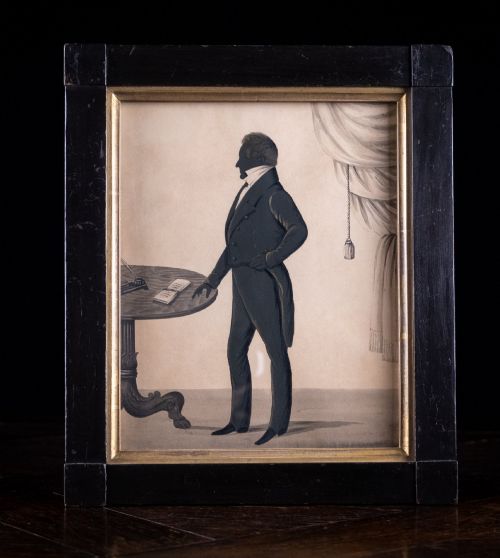
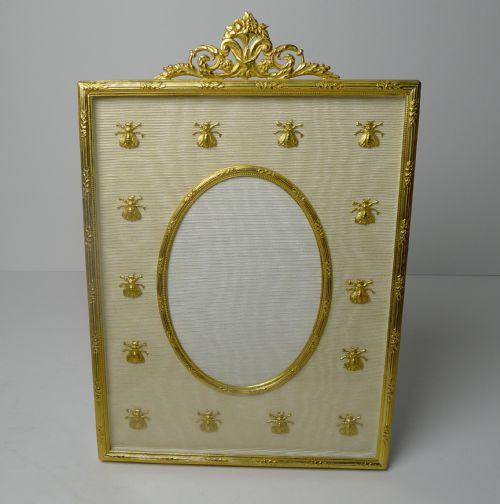
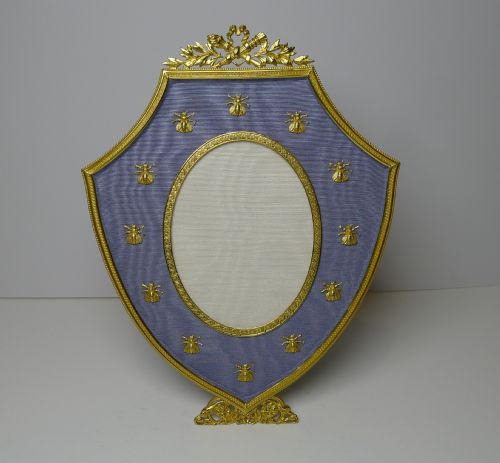
The most common examples encountered on this page are French photograph and picture frames cast in gilt bronze or ormolu, frequently featuring applied decorative motifs such as cherubs and Napoleonic bees. Alongside standard aperture formats, the selection includes related items like miniature paintings, silhouettes, and wall mirrors sharing the same period aesthetic.
The form developed through the Victorian and Edwardian eras, with makers utilising heavy metal casting techniques to produce ornate borders. These frames often retain original glass, wood backs, and silk or taffeta backgrounds that complement the metallic lustre.
How they were made
These items are produced through metal casting, creating solid bronze frames that are subsequently gilded with gold leaf or finished as ormolu. Artisans often incorporated decorative metal elements such as cherubs and bees directly into the cast or applied them as separate brass ornaments.
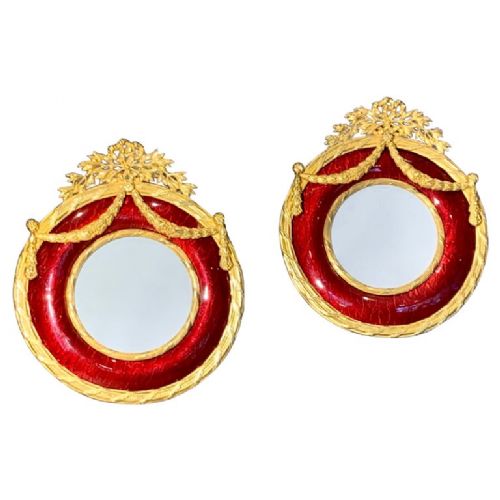
Many examples integrate champlevé enamel or paste stones set into the bronze borders, adding colour and texture to the metallic surface. Backings are typically constructed from wood, covered with materials like silk, paper, or velvet, and secured with metal struts or suspension loops.
Materials recorded across the archive include glass, wood, silk, paper, gold leaf, and champlevé enamel.
What varies in quality
Weight and structural complexity also differentiate the range, with grander multi-aperture frames and items retaining original silk backgrounds or maker signatures demonstrating higher craftsmanship. The quality of the underlying bronze and the integrity of the joinery determine how well the object has survived over the decades.
Boin Taburet
The Gilded Bronze Picture Frame Glossary
- Gilt Bronze
- Metal cast in bronze and treated with a gold finish or gold leaf. This material provides the primary structural and decorative body for nineteenth-century display frames.
- Ormolu
- A golden-coloured alloy utilised in decorative metalwork, particularly in French manufacturing. It mimics solid gold and was frequently applied to nineteenth-century photograph frames.
- Champlevé Enamel
- A technique where troughs are dug into the metal surface and filled with vitreous enamel before firing. This method adds colourful decorative patterns to the bronze borders.
- Paste Stone
- Faceted glass cut to imitate gemstones, set into the metal frame for ornamentation. These stones add sparkle and colour alongside the gilt bronze.
- Napoleon III
- A nineteenth-century French design period spanning the mid-century, characterised by eclectic revivals of earlier royal styles. Frames from this era often display heavy ornamentation and rich materials.
Gilded Bronze Picture Frame: Frequently Asked Questions
How were these frames used?
These pieces served primarily to display portrait photographs of family members, painted miniatures, or silhouettes on tables, desks, and boudoir dressing surfaces. Many incorporate hinged easel backs or suspension loops to allow for versatile placement within domestic rooms.
Larger multi-aperture formats allowed families to group several likenesses together within a single ornamental boundary, functioning as portable household shrines or decorative mantelpiece ornaments.
Are the backings and glass original?
Many surviving examples retain their original bevelled or flat glass plates, alongside wooden backings lined with period textiles like silk, taffeta, or paper. These internal components are integral to the complete object and often feature period support struts.
Replacement glass or altered backings do occur due to the age of the pieces, so examining the fit and materials helps determine the original state of the frame.
What motifs appear on these frames?
Popular decorative themes include cast cherubs, floral garlands, scrollwork, and Napoleonic bees associated with nineteenth-century French manufacture. These symbols reflect the revivalist tastes of the Victorian and Edwardian periods.
Some pieces incorporate geometric patterns, paste stones, or enamel work rather than figurative sculpture, catering to different interior decoration styles of the nineteenth century.
How do I care for a gilded bronze frame?
Maintenance requires gentle dusting with a soft, dry cloth to prevent accumulation without disturbing the delicate gilt surface or applied enamel. Moisture and chemical cleaners should be avoided to protect the underlying metal and original fabric backings.
Placement should away from direct sunlight and damp environments to preserve the condition of both the bronze gilding and any internal silk or paper backgrounds.