




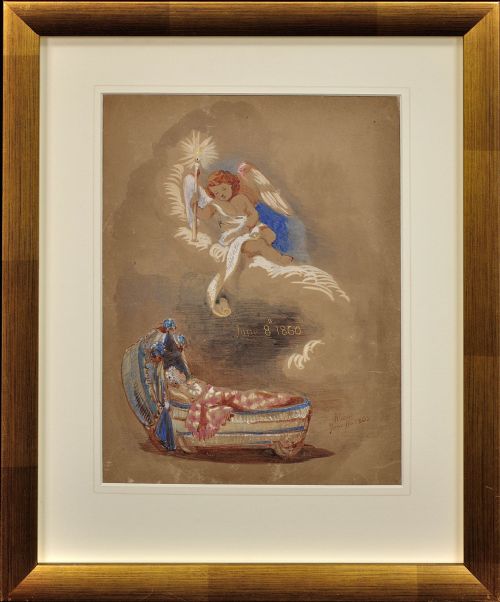


Cherub Picture Frame
A cherub picture frame brings together playful heavenly figures and domestic portraiture in cast metal, silver or carved wood.
Cherub Picture Frame
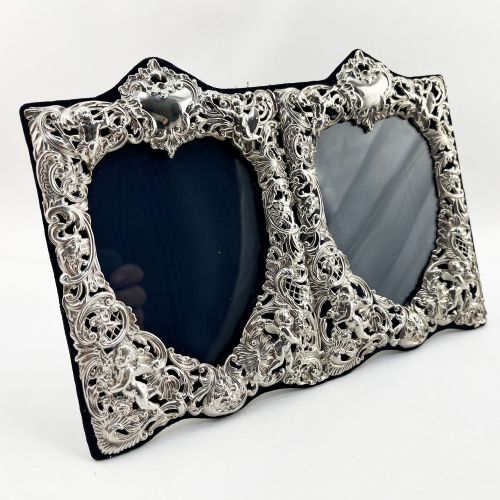
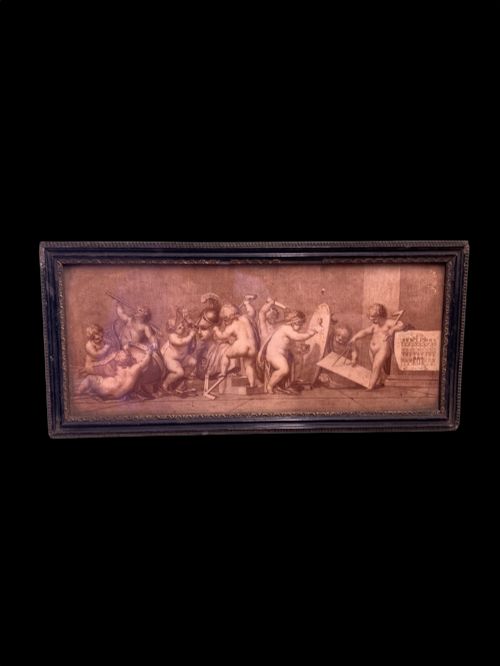
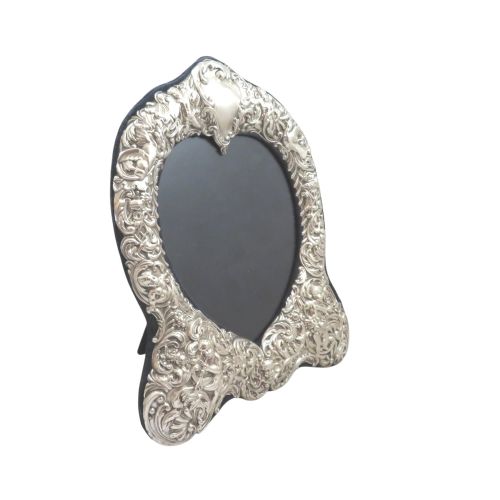
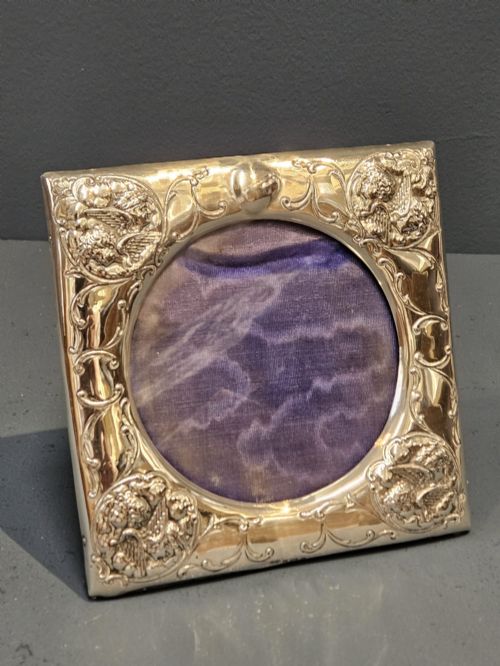
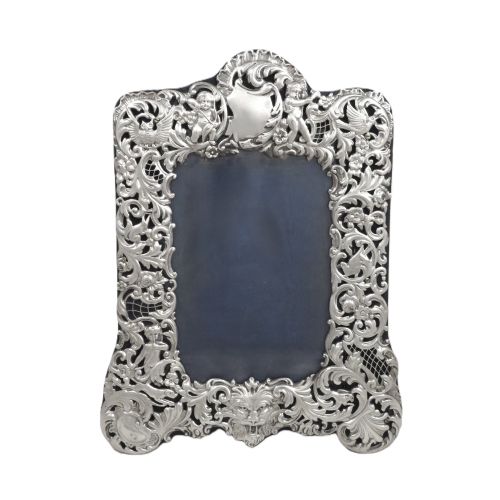
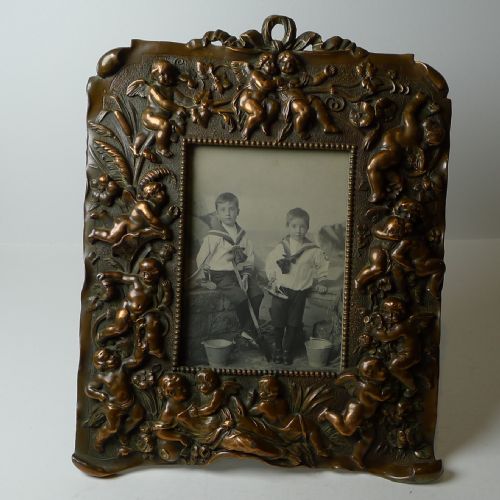
The pieces appearing on this page span the Victorian and Edwardian eras alongside continental examples from the nineteenth century. Sterling silver photo frames embossed with angelic motifs sit alongside cast gilded bronze French pieces and carved wooden variants.
Materials and construction methods
Metal frames rely on casting techniques, particularly in gilded bronze and sterling silver. Silversmiths embossed sheet metal to raise the cherubs and scrolling foliage in high relief, whilst bronze pieces utilised detailed foundry casting followed by gilding.
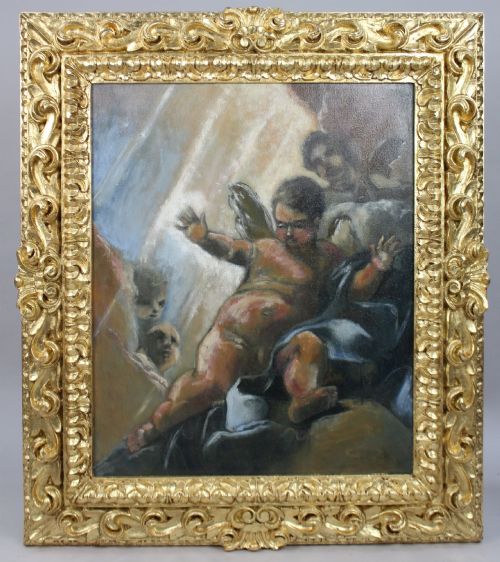
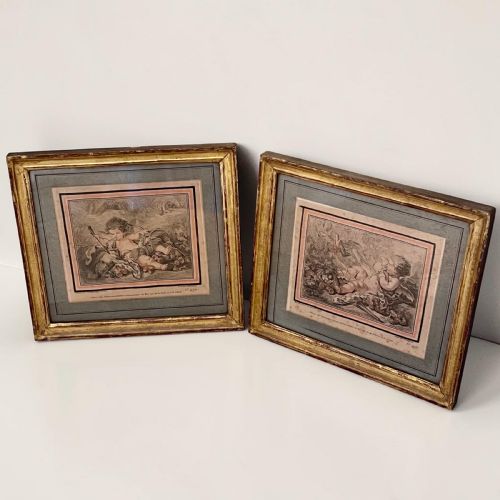
Wooden and gesso examples combine carved timber foundations with applied gilt decoration. Backings typically incorporate fitted wood, velvet or paper linings to secure the glass and the artwork within.
Cherub Picture Frame Retail Price Guide 2026
Typical asking prices for cherub picture frame among the pieces listed under this phrase on Sellingantiques today, from the lower quarter to the upper quarter. They describe what is for sale here now, not the wider market.
Angelic figures peer out from these borders alongside owls, birds and dogs in a display of Victorian fauna.
Assessing craftsmanship and condition
The integrity of the structural mounts, original glass panels and backing materials influences the overall standard. Complete silver hallmarks and intact gilding elevate the standing of an individual frame.
The Cherub Picture Frame Glossary
- Putti
- Plural of putto, representing a plump, winged infant frequently seen in Renaissance and Revival art. These figures form the primary decorative motif on the frames.
- Champlevé enamel
- A technique where troughs are dug into a metal surface and filled with vitreous enamel before firing. This colourful decorative method appears on select continental bronze frames.
- Giltwood
- Timber that has been coated with a thin layer of gold leaf or gilt gesso. It provides a luminous border for paintings and mirrors.
- Repoussé
- A metalworking method where an artisan hammers the reverse of a sheet to form a raised design on the front. Victorian silver frames utilise this technique for cherub motifs.
Cherub Picture Frame: Frequently Asked Questions
What periods do these frames originate from?
The selection includes pieces from the Victorian and Edwardian periods, alongside nineteenth-century continental metalwork.
Craftsmanship spans English sterling silver pieces and French gilded bronze items.
How were these frames used originally?
They served to display portrait photographs of family members, small watercolours or sentimental prints on mantelpieces and desks.
Larger versions accommodated oil paintings and mirrors intended for wall mounting.
How do I care for silver and bronze frames?
Metal surfaces benefit from gentle dusting with a soft cloth to prevent the accumulation of grime.
Harsh chemical polishes should be avoided to preserve the original gilding and softened patina.
Are the backings and glass usually original?
Many retain their early wooden struts, velvet panels and glass inserts, though older pieces occasionally require replacement glass.
Inspect the fixings to see how the backing board secures into the main frame rebate.