


Antique Picture Frame 1900
An antique picture frame 1900 brings period character to a wall or desk, holding watercolours, photographs and oils with distinct turn-of-the-century craftsmanship.
Antique Picture Frame 1900
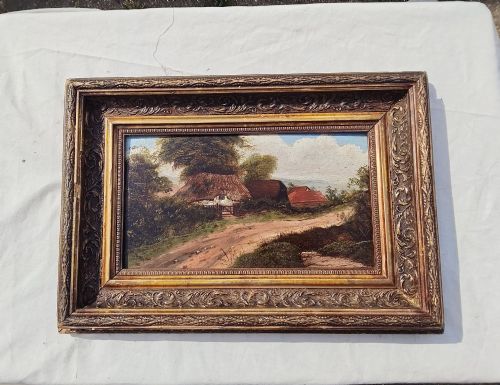
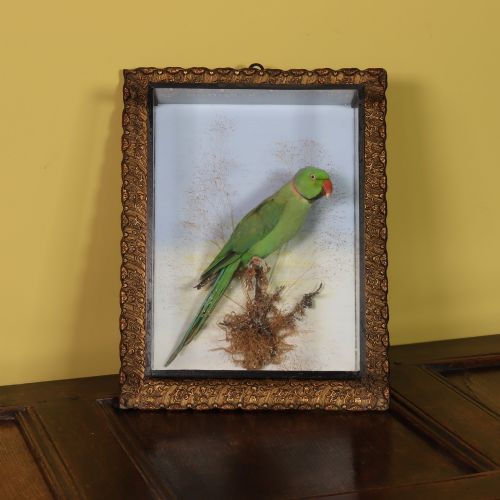
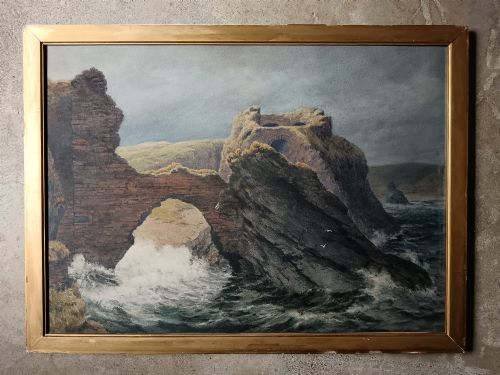
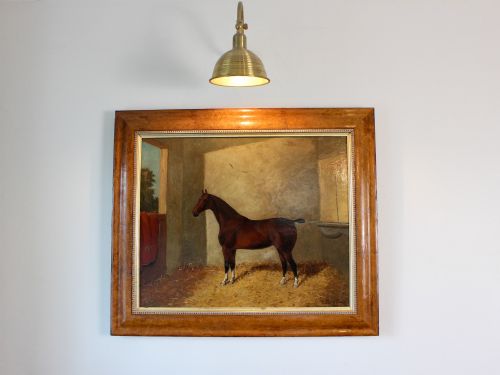
When searching for an antique picture frame 1900, collectors examine moulded timber, cast metal and carved giltwood surrounds made to house portraits, watercolours and photographs of the era. The surviving examples include ornate French boudoir pieces adorned with cherubs and paste stones alongside simpler English wooden and gilt specimens.
The selection frequently spans French gilded bronze photo holders, Edwardian swept frames and Victorian cast metal designs. Many items incorporate their original artwork, prints or photographs behind glass, preserving the complete domestic object as it existed at the turn of the twentieth century.
Materials and construction
Gilded bronze, brass and cast metal form the chassis of many ornate French boudoir frames, often accented with enamel, velvet or paste stones. These metal pieces utilise casting techniques that yield crisp relief motifs such as cherubs, bees and floral scrollwork.
Wooden and giltwood examples rely on carved timber substrates coated in gesso and gold leaf to achieve their reflective surfaces. Glass protects the enclosed watercolours, oils on card, silk paintings and photographs, held securely within the rebate by original backing boards and fixings.
Listings feature watercolours, photographs and oil paintings housed in frames dating from the Victorian, Edwardian and Art Deco periods.
Distinctions in quality
Quality rests in the crispness of the casting or carving, where deep relief work and refined chasing on bronze or gilt metal distinguish superior French boudoir frames from simpler production. The integrity of the original gilding or surface finish dictates how well the piece has aged.
Substantial weight, intact glass, original backing materials and tight corner joints set finer examples apart from altered or heavily restored pieces. The harmony between the frame's decorative style and its contents elevates the overall merit of the object.
William Bazeley And Sons
The Antique Picture Frame 1900 Glossary
- Gilt bronze
- An alloy treated with gold to impart a metallic golden finish. This material characterises many ornate French frames from the period.
- Paste stones
- Faceted glass crystals set into metal mounts to imitate gemstones. They frequently embellish decorative French photo frames.
- Gesso
- A plaster-like mixture applied to wood frames to create a smooth surface for gilding. It allows for intricate moulded details.
- Rebate
- The recessed groove on the inner reverse edge of a frame designed to hold the glass, artwork and backing board securely.
- Micro mosaic
- Tiny coloured glass tesserae assembled into pictorial designs. Venetian examples incorporate this technique into the frame border.
Antique Picture Frame 1900: Frequently Asked Questions
How do I date these frames?
Dating relies on stylistic markers such as Art Nouveau curves, Edwardian proportions and Victorian motifs, alongside manufacturing techniques and materials like cast bronze or gesso over wood. Documentary evidence from accompanying photographs or paintings also assists in narrowing the timeframe around the year 1900.
Examining the reverse construction, including fixings and backing boards, provides further clues regarding the exact period of manufacture.
Can I replace the glass safely?
Replacing the glass requires careful handling of old wooden rebates and metal retaining pins that may have grown brittle with age. Retaining the original glass is preferable when possible, as it often shows period characteristics like slight waviness or bubbles.
Consulting a professional framer ensures the historical integrity of the surround remains undisturbed during any necessary maintenance.
Where were French bronze frames used?
French bronze and gilt metal frames served primarily as boudoir accessories, displayed on dressing tables or mantelpieces to hold portrait photographs of family members. Their elaborate designs featuring cherubs or floral motifs suited intimate domestic spaces.
Many were produced with hinged struts at the back for freestanding tabletop placement rather than wall hanging.
How should I hang a heavy gilt frame?
Hanging substantial giltwood or cast metal frames requires secure wall fixings suited to the weight of the timber and plaster construction. Professional mirror and picture hanging hooks screwed directly into wall studs provide the necessary support.
Checking the stability of the corner joints and hanging wire before mounting ensures the piece remains secure.