







Antique French Photo Frame
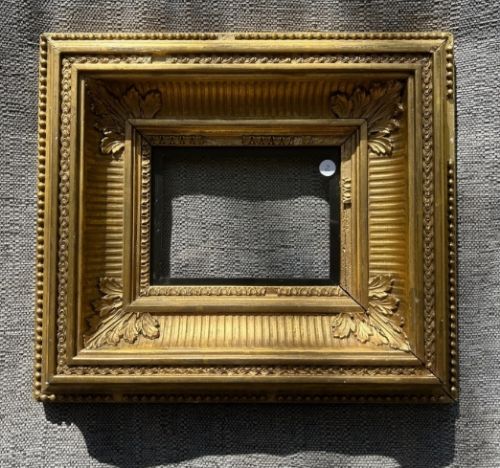
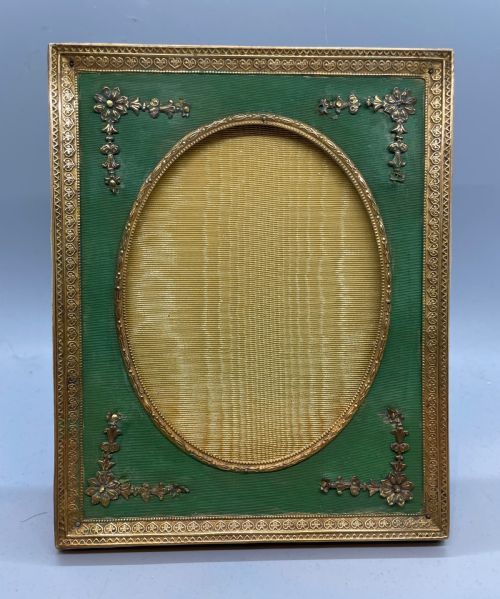
An antique french photo frame brings continental elegance to a desk or mantelpiece through heavy cast metal and intricate ornamentation.
Antique French Photo Frame
When you search for an antique french photo frame, you encounter decorative domestic objects designed to display portraits on tables and desks. These pieces originate predominantly from the late nineteenth and early twentieth centuries, spanning periods like the late Victorian era and the Art Deco movement.
The most common examples you meet on this page are cast in gilt bronze, ormolu, or brass, often incorporating glass viewing panels and hinged struts for tabletop display. Forms range from simple oval and rectangular shapes to elaborate architectural designs and double or triple configurations holding multiple portraits.
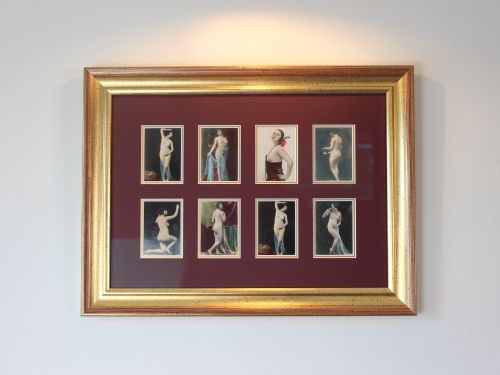
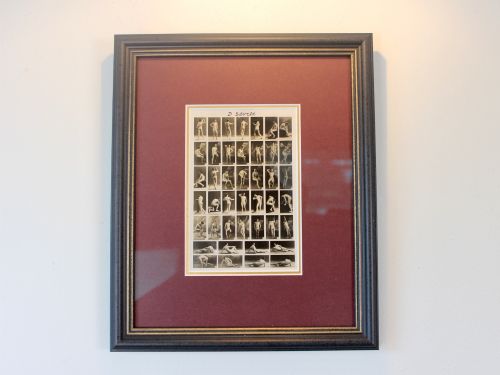
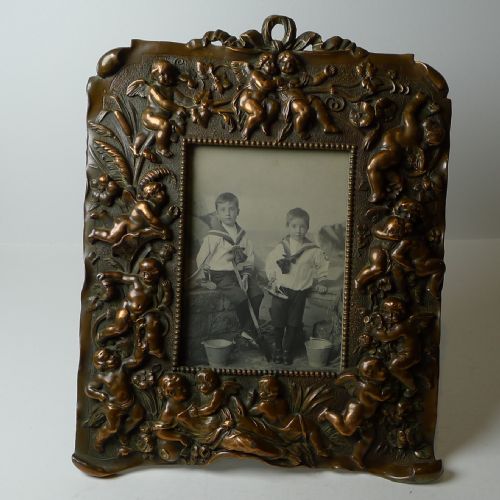
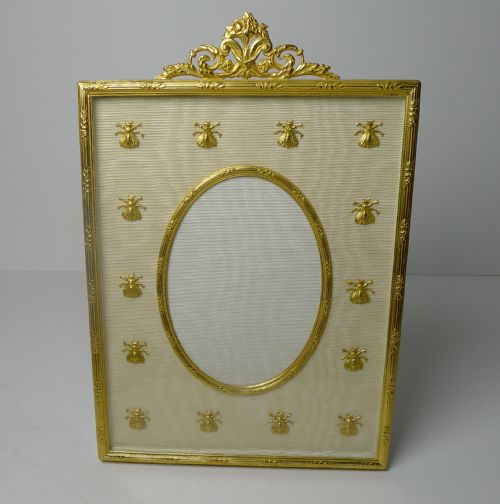
Beyond standard picture frames, related domestic objects appear in the inventory, including hand mirrors, vanity sets, and framed photographic prints. The aesthetic leans heavily into revival styles, drawing upon Louis XVI, Rococo, and Napoleonic motifs such as bees and cherubs.
Materials and construction methods
The foundation of these objects typically relies on metal casting, using bronze, brass, or ormolu to create robust structural frames. Gilder's techniques apply gold layers to the metal surfaces, producing the characteristic warm sheen found on nineteenth-century examples.
Makers integrated decorative inlays and mounted elements to enhance the visual weight of the pieces. Champlevé enamel work, paste stones, and glass inserts appear frequently alongside textile components like velvet and silk backing panels.
Antique French Photo Frame Retail Price Guide 2026
Typical asking prices for french photo frame among the pieces listed under this phrase on Sellingantiques today, from the lower quarter to the upper quarter. They describe what is for sale here now, not the wider market.
Listings feature metalwork and glass dating from the nineteenth and early twentieth centuries, spanning Victorian, Edwardian, and Art Deco periods.
Assessing craftsmanship and finish
Quality in these domestic objects rests upon the crispness of the metal casting and the depth of the chasing work. Superior examples exhibit sharply defined details in sculptural elements such as cherubs, floral garlands, and Napoleonic bees.
The integration of secondary materials further differentiates the range. Finely executed champlevé enamel, well-set paste stones, and heavy, stable backing struts separate standard production items from workshop pieces bearing maker signatures.
Julian Mandel·Boin Taburet·Emile Langlois·Susse Fres
The Antique French Photo Frame Glossary
- Ormolu
- A technique of applying finely ground high-carat gold to a bronze object using mercury amalgam. This process creates a durable golden finish common on decorative metalwork from the eighteenth and nineteenth centuries.
- Champlevé
- An enamelling technique where troughs or cells are sunk into the surface of a metal object and filled with vitreous enamel. The piece is then fired and polished flat.
- Paste
- Hand-cut lead glass used to imitate gemstones in decorative metalwork. It is faceted and set into the frame to catch the light.
- Napoleonic Bees
- A traditional imperial motif utilised in decorative arts during the nineteenth century. The bee symbol appears cast in relief on metal mounts and frames.
- Gesso
- A plaster-like mixture applied to wooden frames as a base for moulding and gilding. It allows for intricate relief ornamentation before finishing.
Antique French Photo Frame: Frequently Asked Questions
How do I date an ormolu frame?
Dating relies on stylistic clues, mounting techniques, and the construction of the rear support strut. Late nineteenth-century pieces often feature heavy cast bronze with distinct architectural or naturalistic motifs.
Later twentieth-century examples shift towards cleaner lines, culminating in the streamlined chrome and geometric forms characteristic of the Art Deco period.
Are these frames meant for walls?
The vast majority of these objects are engineered exclusively for tabletop or desk display rather than wall hanging. They incorporate hinged easel struts on the reverse to support the weight of the heavy metal construction.
Wall-mounted variants do occur occasionally, but checking the back for a folding prop confirms the intended domestic placement on a surface.
What is champleve enamel?
Champlevé involves carving or casting depressions into a metal body, which are subsequently filled with coloured glass powder before firing. This technique produces vibrant bands of colour embedded directly into the bronze or brass structure.
Pieces featuring this work require careful handling to preserve the integrity of the glass infill alongside the surrounding gilded metal.
Why do some frames have multiple openings?
Double and triple configurations were produced to display family portraits together within a single unified structure. These hinged multi-panel frames allowed a desktop display to fold or angle across a surface.
Such pieces utilise matching cast mounts across each aperture to maintain a cohesive decorative scheme throughout the unit.